Artwork
Mater Dolorosa
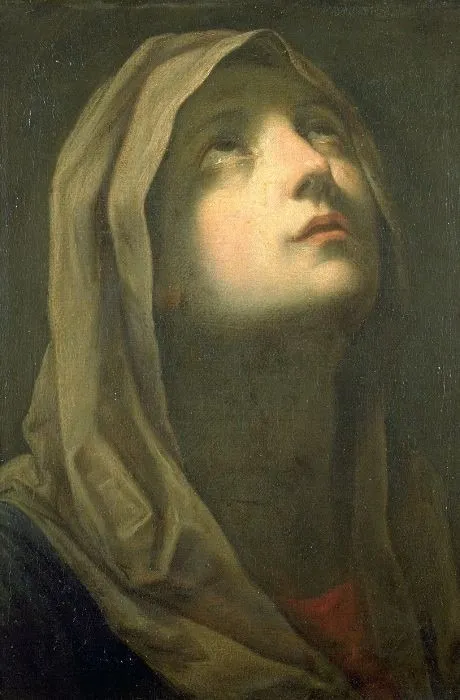
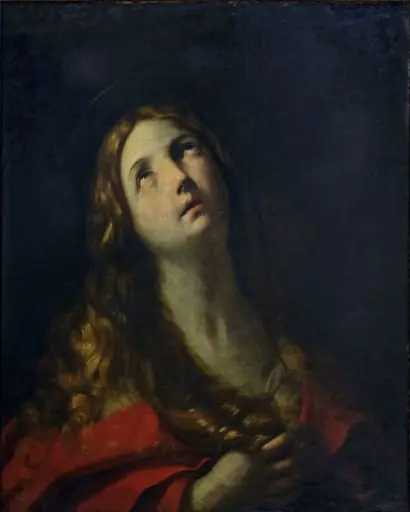
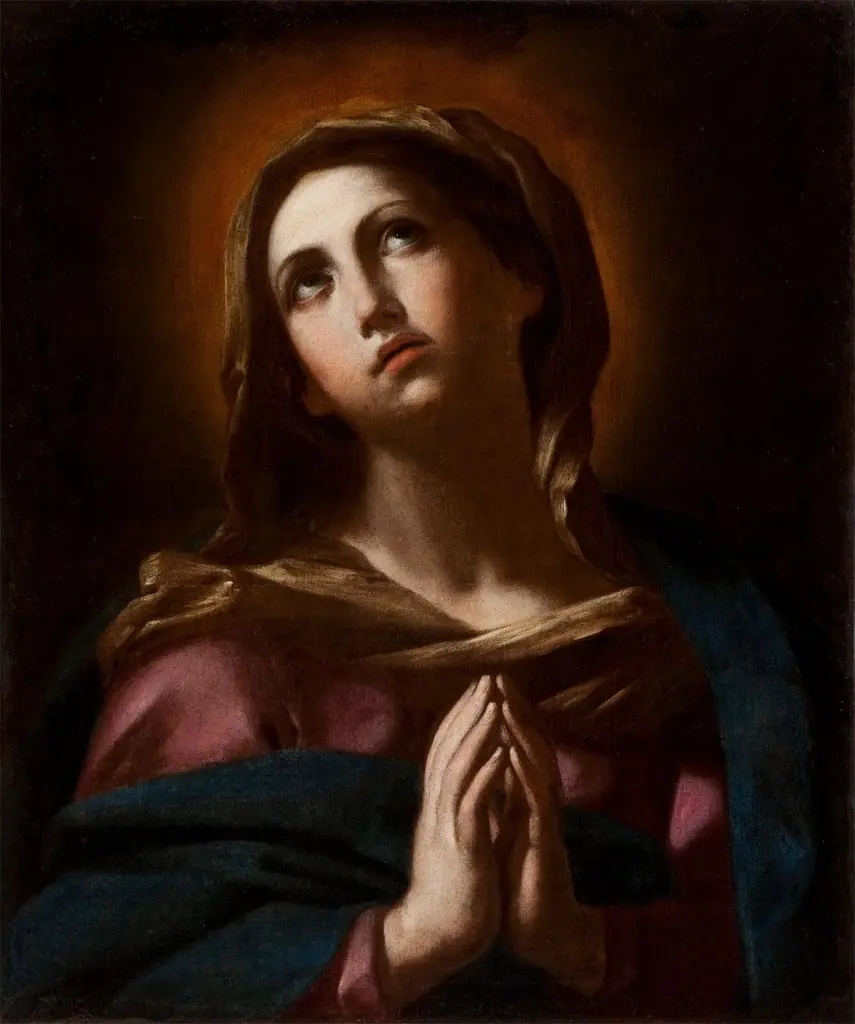
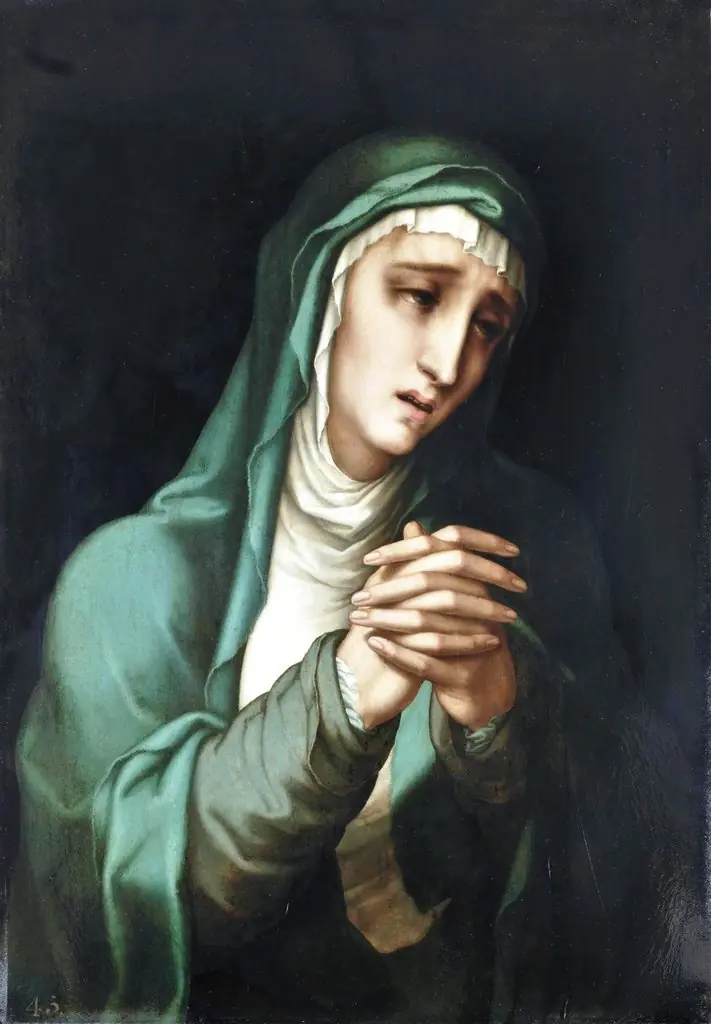
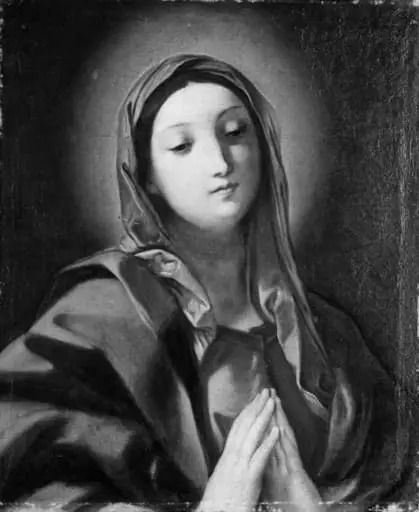
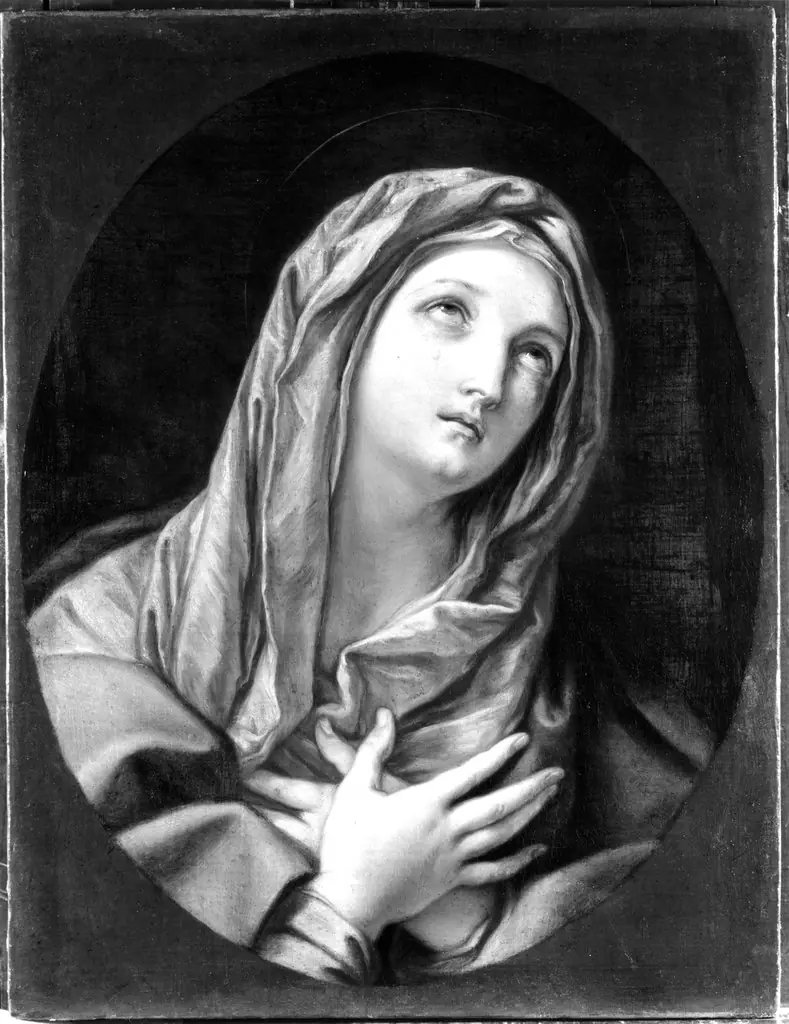
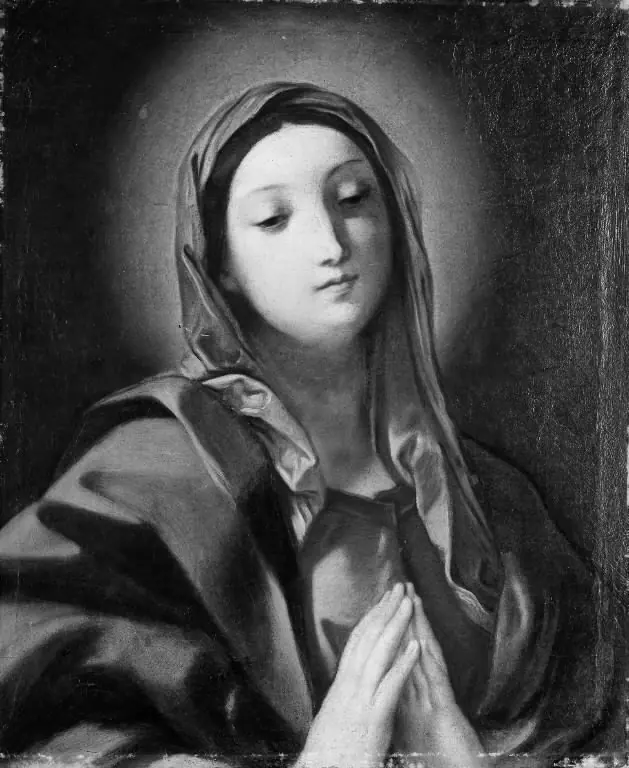
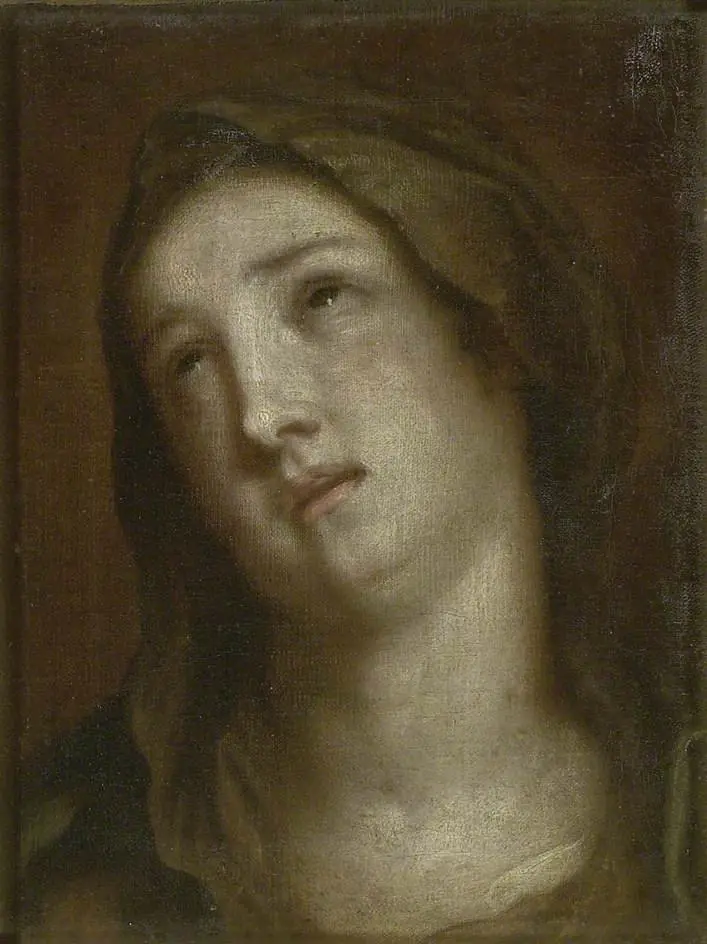
Mater Dolorosa is a paint painting by the Early Baroque Italian artist Guido Reni. It dates from 1618 and is held in the collection of the Gemäldegalerie Berlin.
About this work
Overview
The painting’s emotional weight arises from its restrained imagery and controlled lighting, typical of Reni’s early Baroque style.
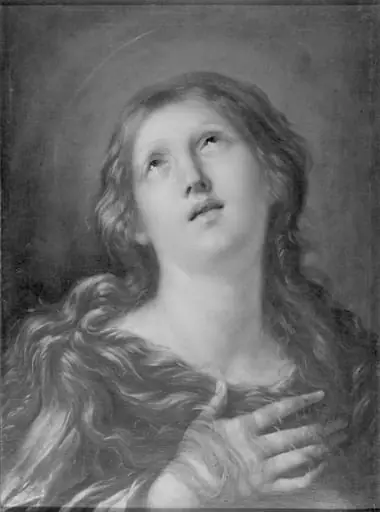
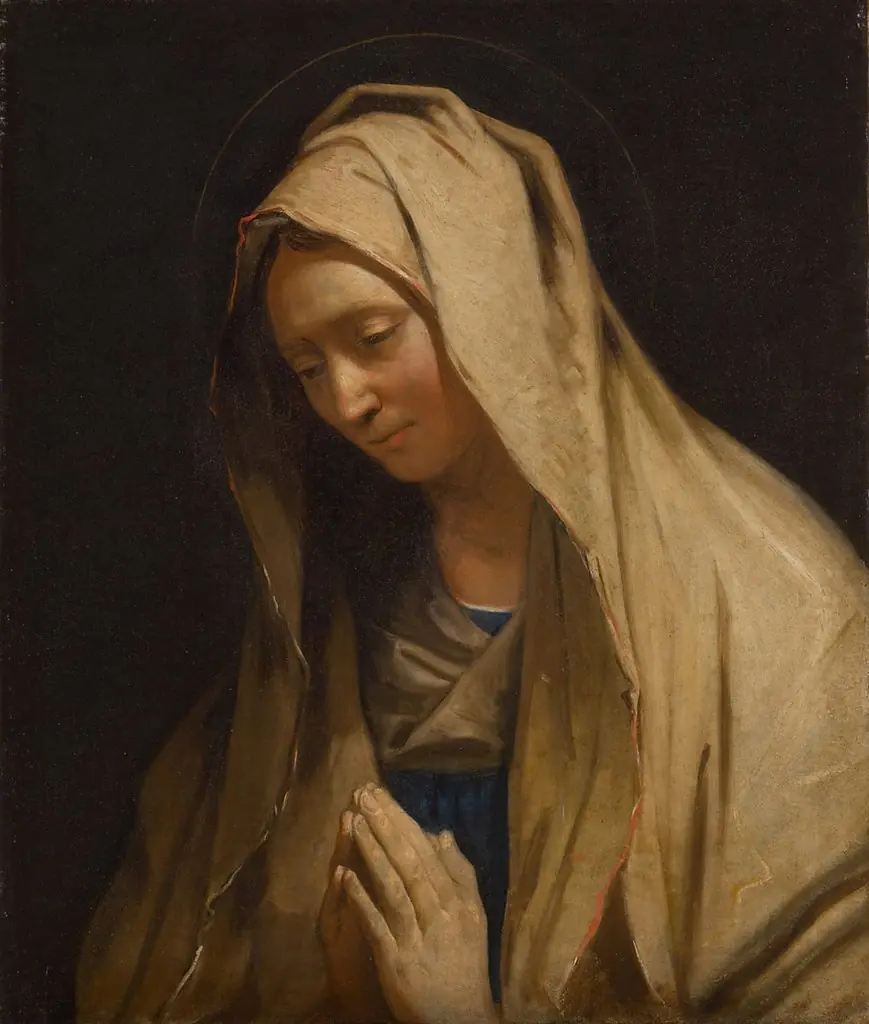
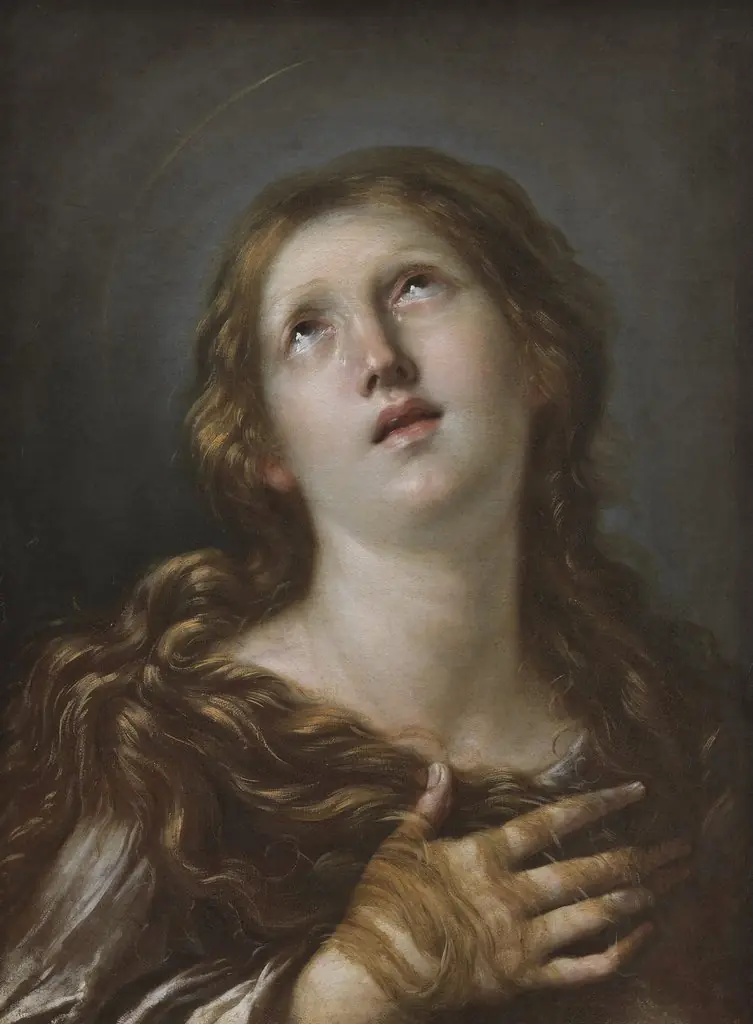
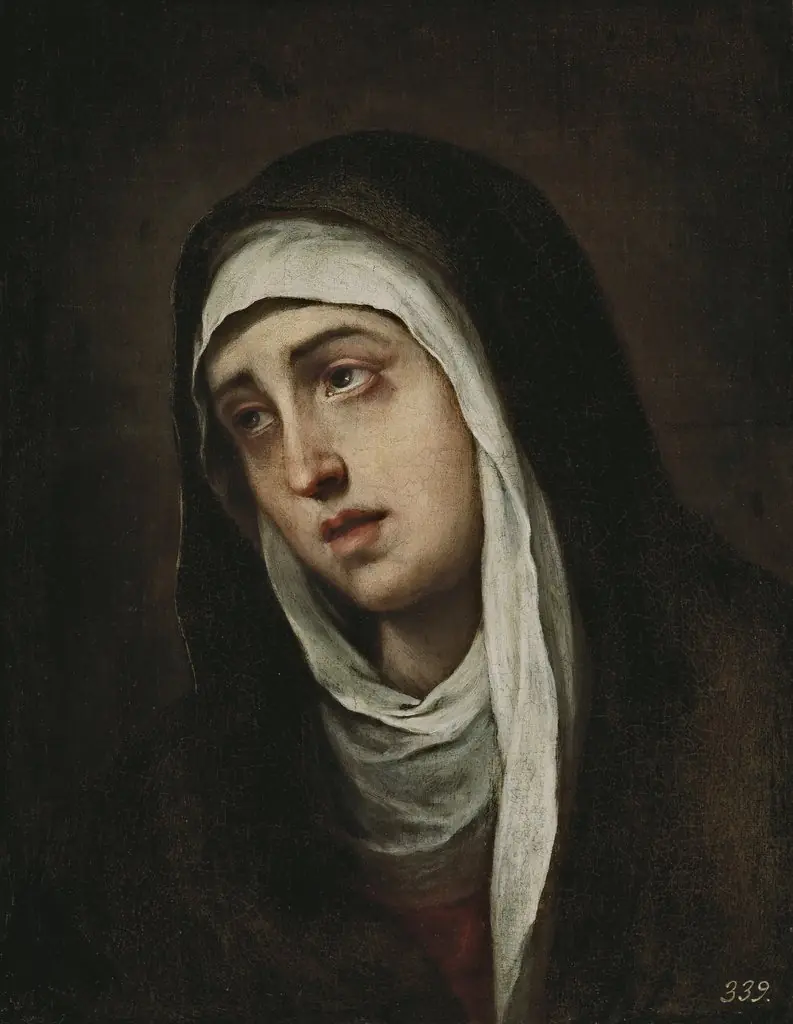
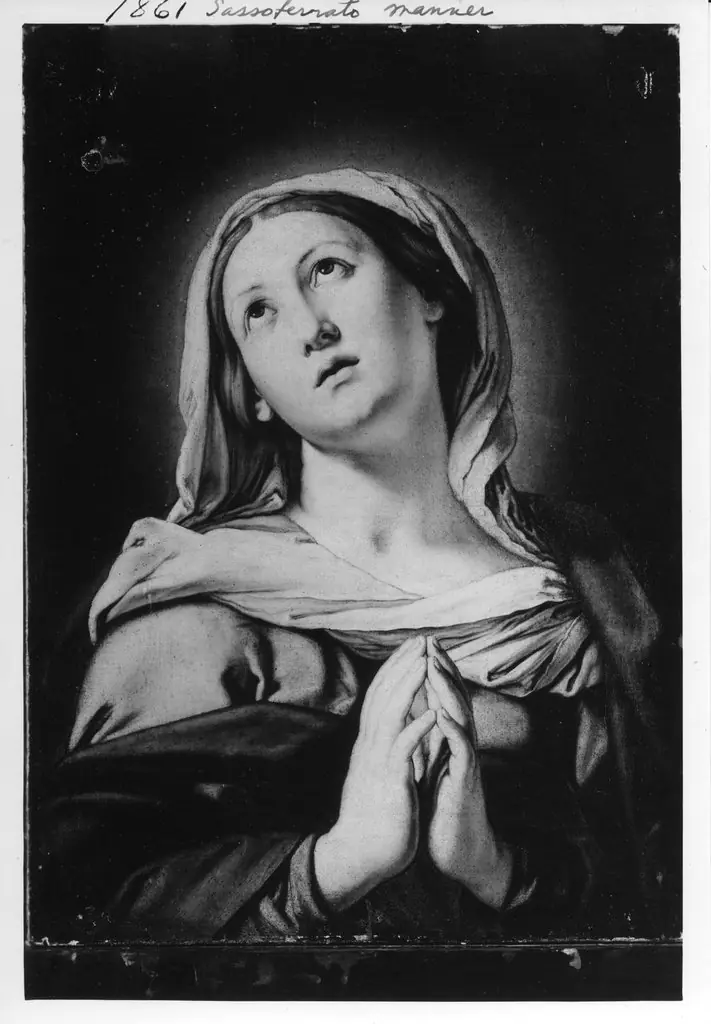
Painted around 1618 by Guido Reni, this work depicts the Virgin Mary in a moment of quiet sorrow. Executed in oil on canvas, it is part of the collection at the Gemäldegalerie in Berlin. The composition is tightly focused on the figure’s face, with minimal background detail. The painting’s emotional weight arises from its restrained imagery and controlled lighting, typical of Reni’s early Baroque style.
Subject & Meaning
The figure represents the Mater Dolorosa, or Sorrowful Mother, a devotional image of Mary mourning the impending death of Christ. Her upward gaze suggests prayer or divine contemplation, while her furrowed brow conveys inner anguish. The draped cloth emphasizes modesty and grief, aligning with Counter-Reformation ideals that encouraged personal, empathetic engagement with sacred suffering.
Technique & Style
Reni employs chiaroscuro to model the face with soft, directional light, isolating it against a near-black background. The transition between shadow and highlight is subtle, enhancing the figure’s three-dimensionality without dramatic contrast. Brushwork is refined, with delicate rendering of skin and fabric folds. The limited palette and absence of detail in the clothing direct attention entirely to the expression and emotional state of the subject.
History & Provenance
The painting entered the Gemäldegalerie Berlin’s collection in the 19th century, likely through acquisitions from German noble collections. Its attribution to Reni has been consistently supported by stylistic analysis and documentary evidence. No significant alterations or restorations are recorded, preserving the original tonal balance and compositional clarity as intended by the artist.
Context
Created during Reni’s mature period in Bologna, the painting reflects the influence of Caravaggio’s naturalism tempered by classical restraint. It aligns with Counter-Reformation efforts to foster devotion through emotionally resonant imagery. Unlike more theatrical depictions of the Mater Dolorosa, Reni’s version favors introspection, mirroring contemporary spiritual writings that valued quiet contemplation over overt display.
Legacy
This work exemplifies Reni’s ability to merge emotional depth with formal elegance, influencing later devotional portraiture in Italy and beyond. Though less widely known than his mythological scenes, it remains a key example of early Baroque religious painting that prioritizes psychological nuance. Its enduring presence in a major European museum underscores its role in shaping perceptions of sacred sorrow in Western art.
Artist & collection
Artist
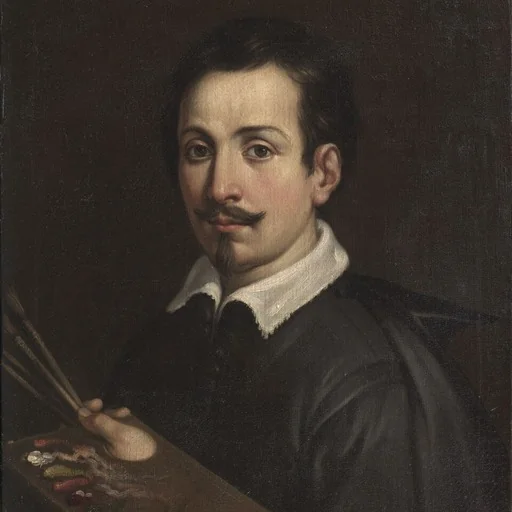
Guido Reni was an Italian Baroque painter, although his works showed a classical manner, similar to Simon Vouet, Nicolas Poussin, and Philippe de Champaigne.