Artwork
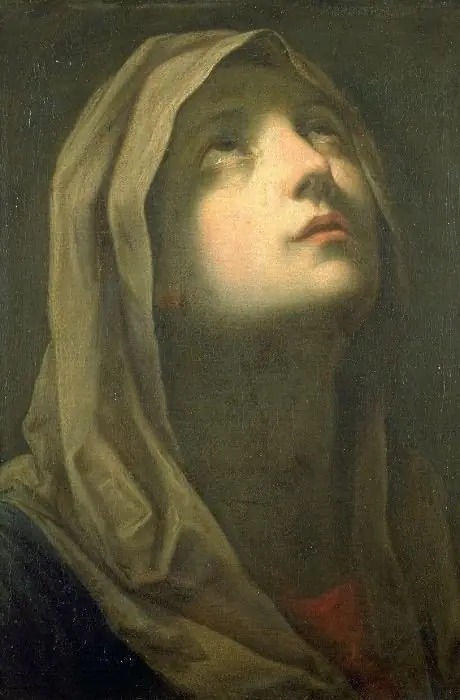
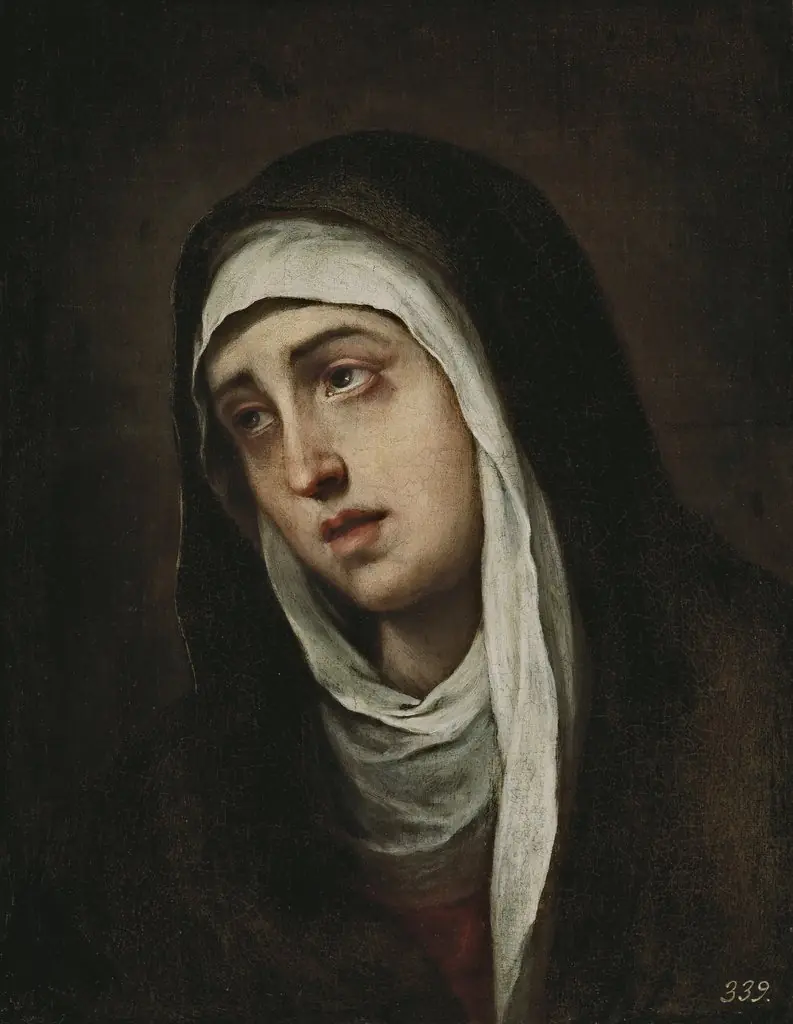
Head of the Virgin mourning
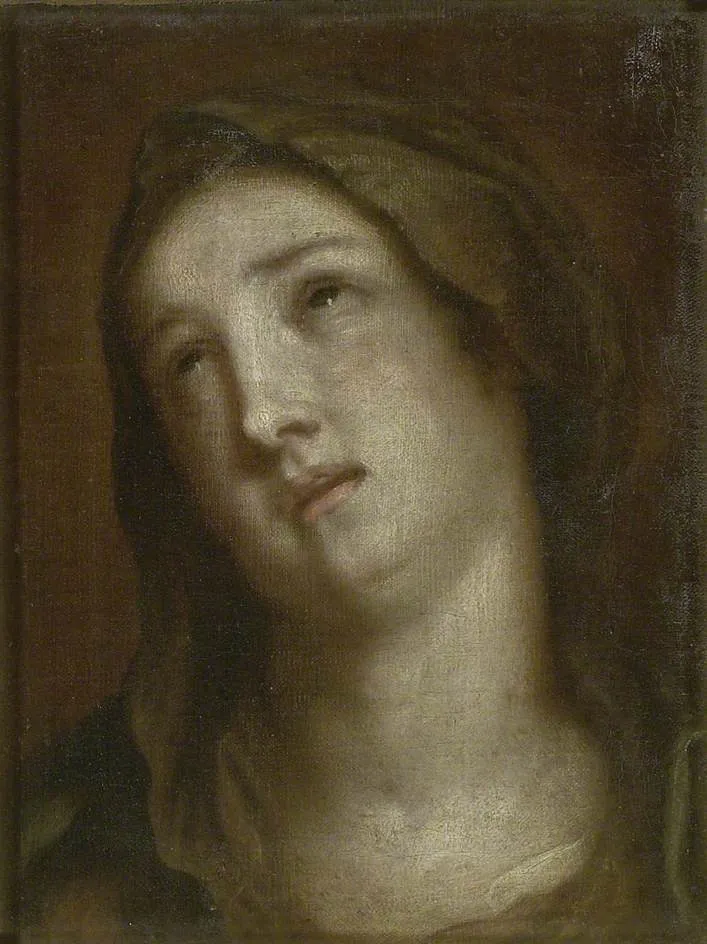
Head of the Virgin mourning is an oil painting by the Flemish Baroque painting artist Anthony van Dyck. It dates from 1630 and is held in the collection of the Ashmolean Museum.
About this work
Overview
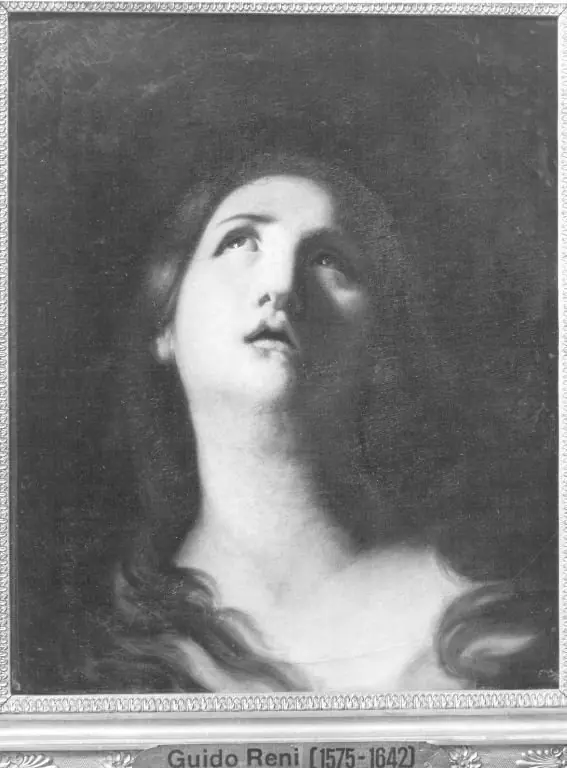
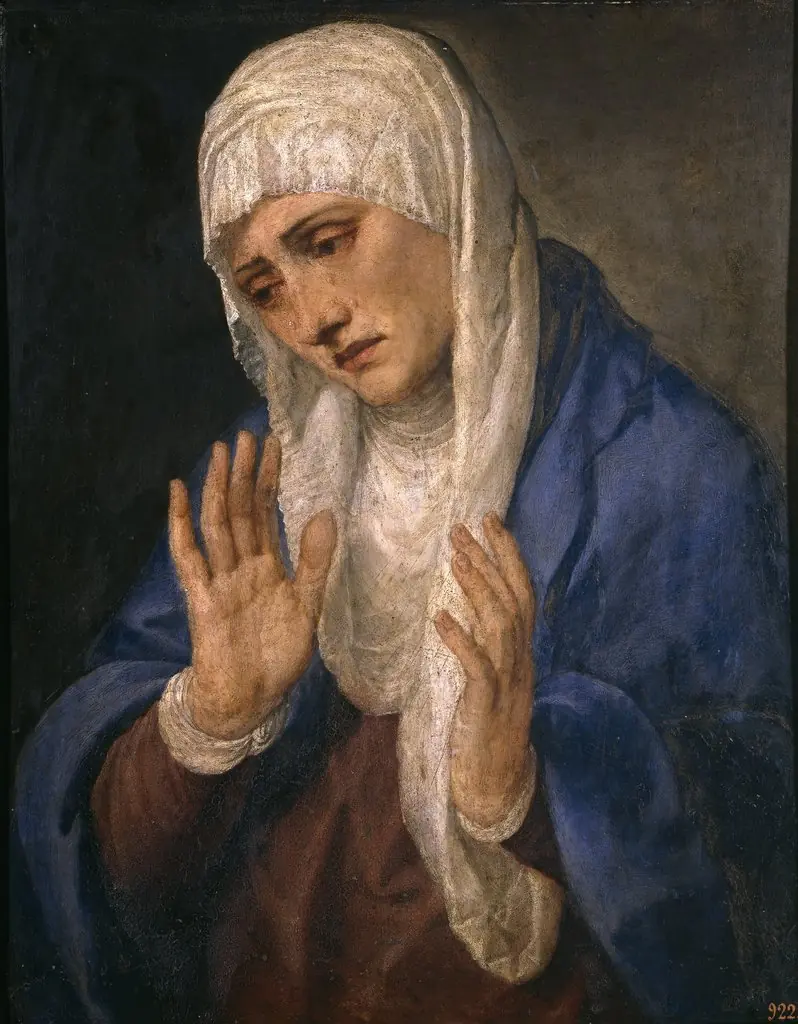
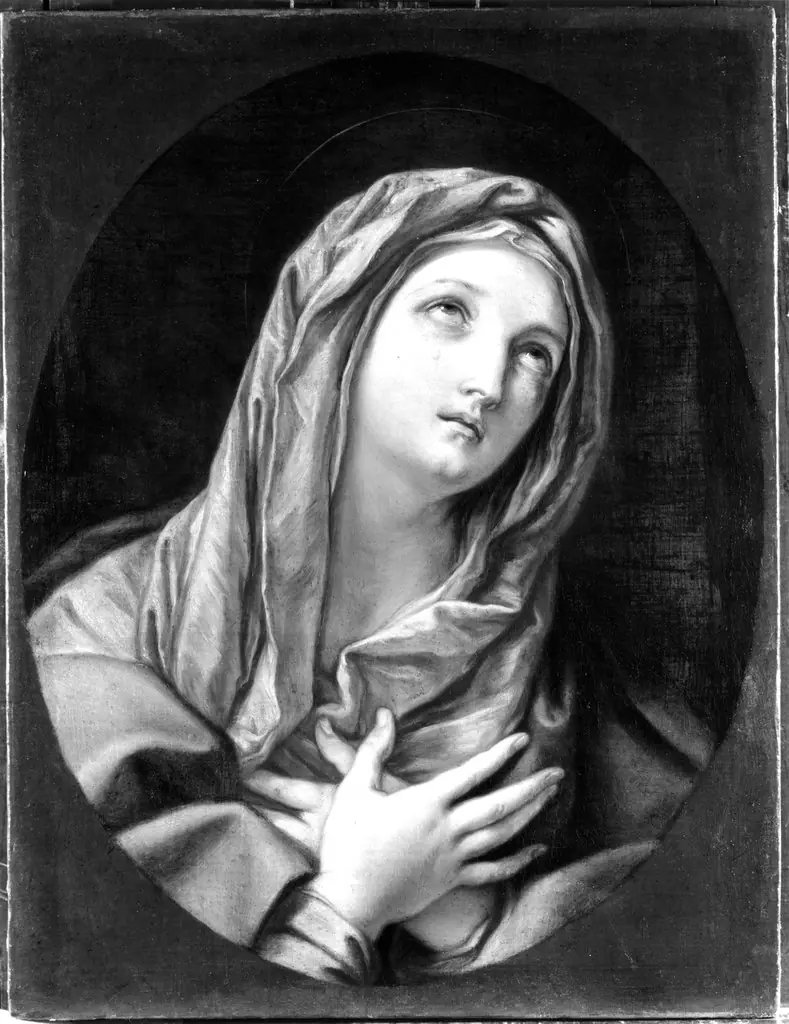
Created around 1630, *Head of the Virgin mourning* is an oil painting by the Flemish Baroque painter Anthony van Dyck. The work presents a close‑up of a woman's head, rendered with a restrained palette and a somber atmosphere. It is part of the permanent collection of the Ashmolean Museum in Oxford.
Subject & Meaning
The portrait depicts a female figure whose eyes are lowered and lips slightly part, conveying a quiet sense of grief. The dark head covering that frames her face reinforces the devotional tone suggested by the title, linking the image to traditional representations of the Virgin Mary in moments of sorrow.
Technique & Style
Van Dyck employs a subtle chiaroscuro, allowing light from the left to model the facial features and create a three‑dimensional effect. The delicate handling of oil paint captures the texture of skin and fabric, while the restrained brushwork reflects the artist’s mastery of Flemish Baroque realism and his ability to convey emotion through nuanced tonal contrasts.
History & Provenance
Born in Antwerp in 1599, van Dyck trained under Peter Paul Rubens before establishing a successful career as a court painter in England. This particular work entered the Ashmolean Museum’s collection, where it remains accessible to scholars and the public as an example of his early 1630s output.
Artist & collection
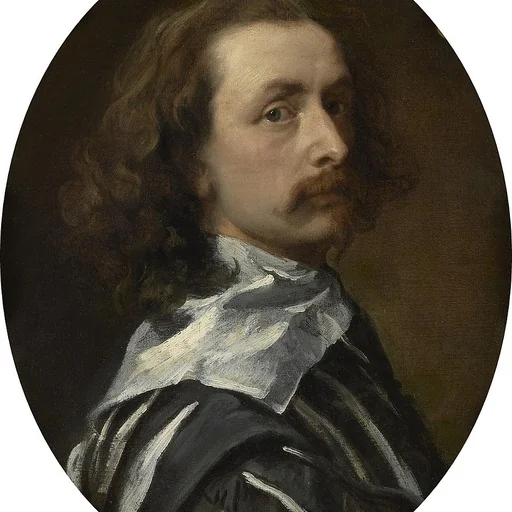
Artist
Sir Anthony van Dyck (; Dutch: Antoon van Dijck ; 22 March 1599 – 9 December 1641) was a Flemish Baroque artist, who became the leading court painter in England after success in the Spanish Netherlands and Italy.