Artwork
Safta Castrișoaia
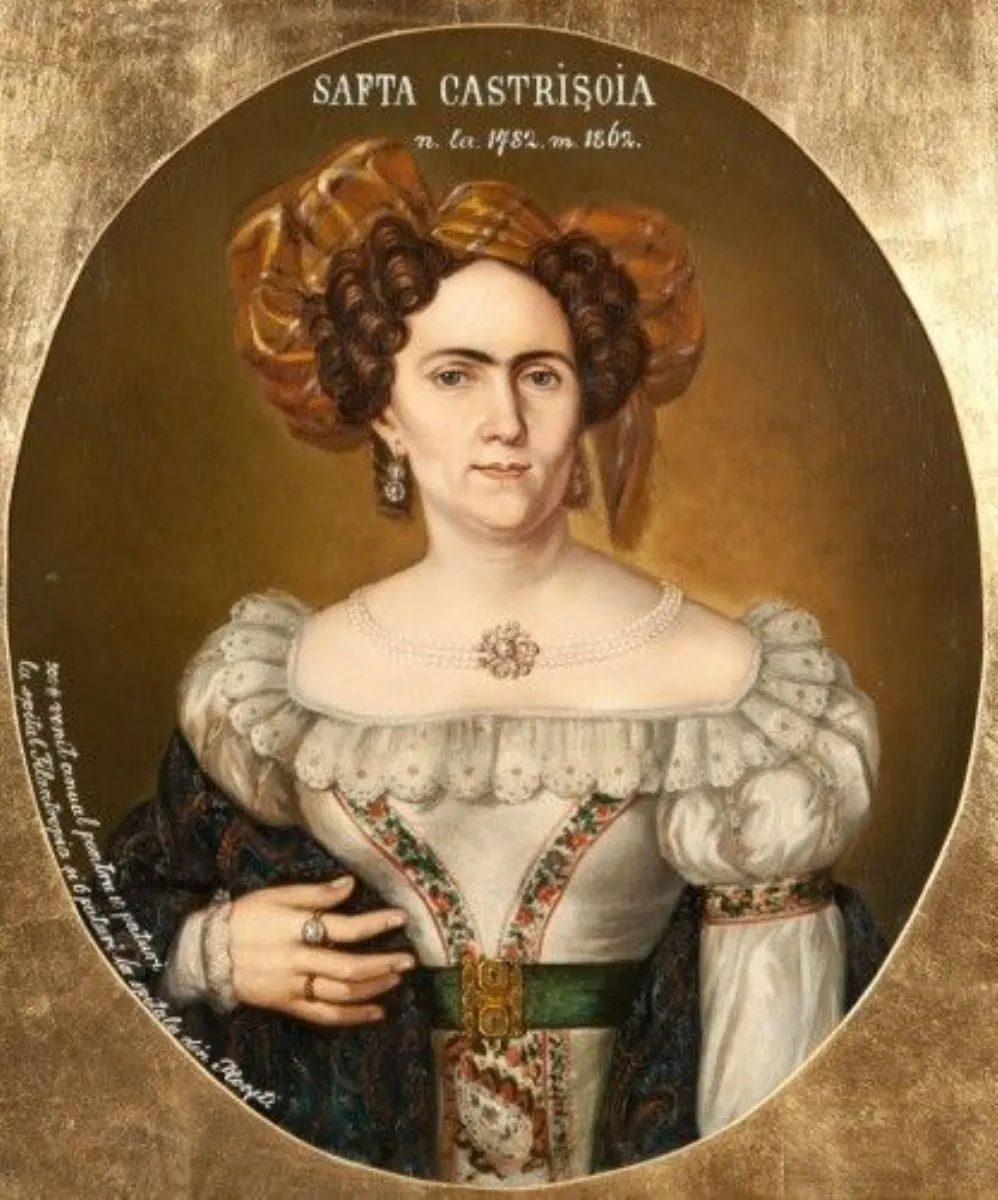
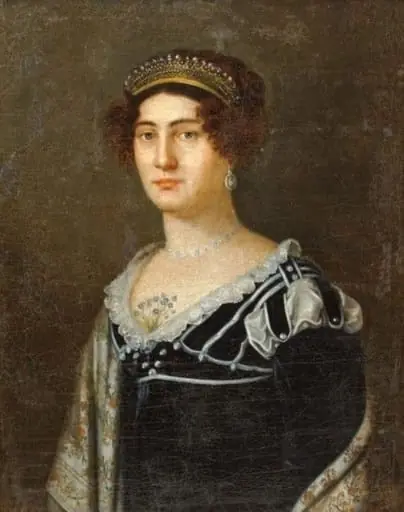
Safta Castrișoaia is an unspecified painting by the Byzantine icon painting artist Pavel Djurkovici. It dates from 1825 and is held in the collection of the National Museum of Art of Romania.
About this work
Overview
Pavel Djurkovici’s portrait, dated 1825, presents a seated woman dressed in a white gown with voluminous sleeves and a green sash. Her dark hair is gathered into an up‑do, accented by a gold ribbon, and she is adorned with a necklace, earrings, and a visible ring on the hand placed over her chest.
Subject & Meaning
The sitter’s poised stance and refined attire convey an image of social standing and personal dignity. The gesture of the right hand resting on the chest may suggest modesty or a subtle assertion of identity, while the jewelry emphasizes wealth and status within the cultural context of early‑19th‑century Eastern Europe.
Technique & Style
Djurkovici employs a balanced composition, using muted background tones to foreground the luminous white dress. Careful modeling of light on the fabric and skin creates a three‑dimensional effect, while the crisp rendering of the gold ribbon and jewelry reflects the detailed brushwork typical of Romantic portraiture, emphasizing individual character and emotional presence.
History & Provenance
Created in 1825, the work is identified by the title Safta Castrișoaia, likely referring to the woman portrayed. The painting has remained within collections documenting Romanian portraiture of the period, serving as a visual record of fashion and personal representation in the early nineteenth century.
Artist & collection
Artist
Pavel Djurkovici painted two portraits in the 1820s, both hanging in our app: one of Caragea Vodă from 1824 and another titled Safta Castrișoaia from 1825.

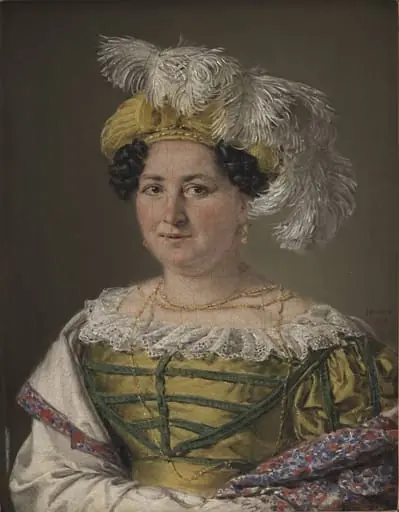 Portrait of Mrs. Pauline Hagen
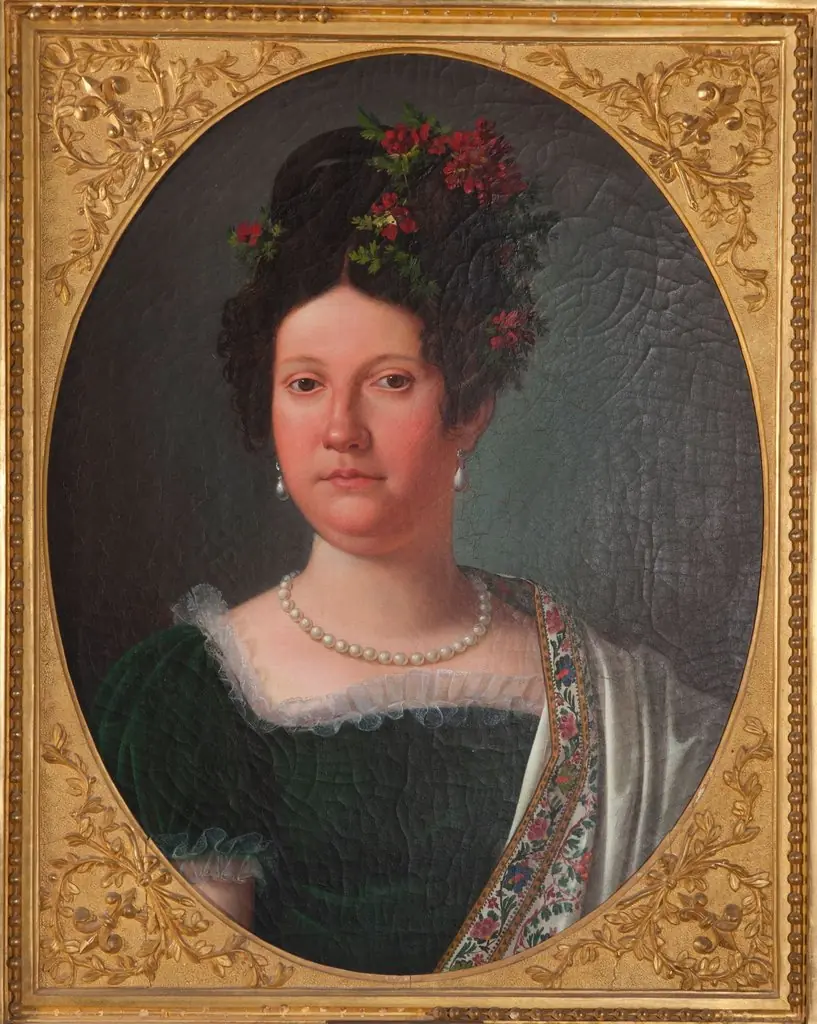 Portrait of María Isabella of Spain (1789-1848), Gueen of the Two Sicilies
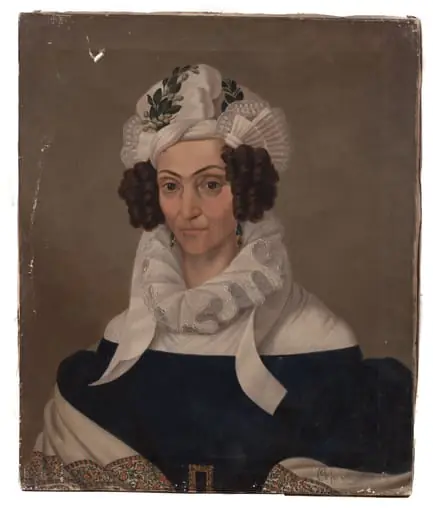 Logofeteasa Safta Cantacuzino (copie după Stawski)
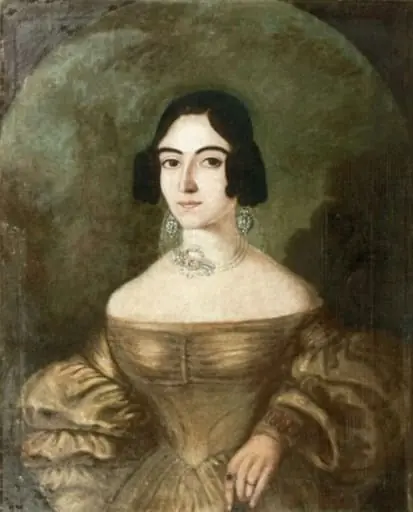 Portret de femeie
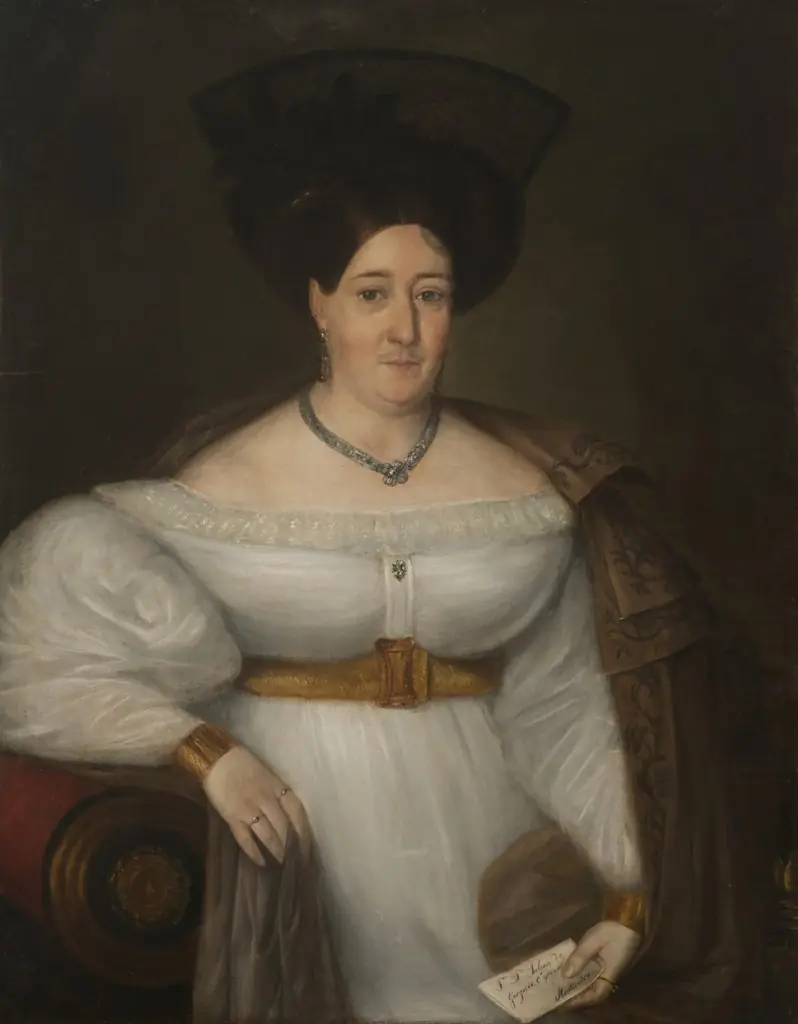 Candelaria Somellera de Espinosa
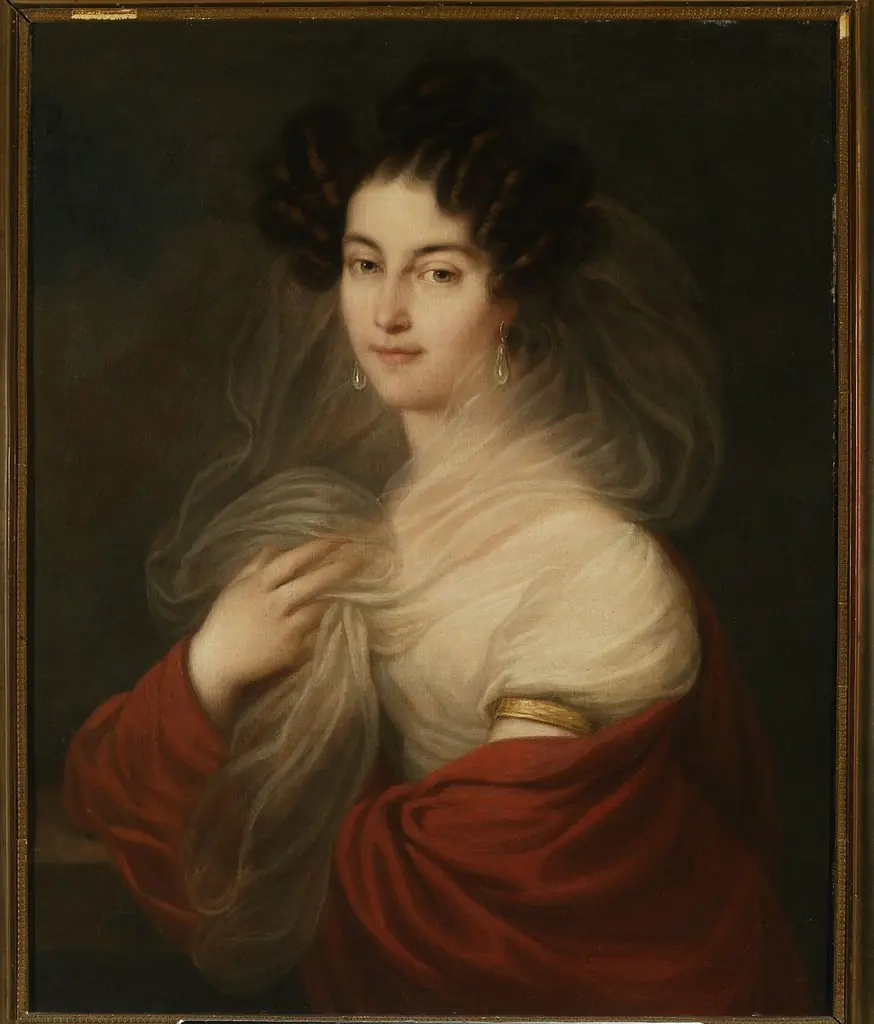 Portrait of Celina Radziwiłł née Sulistrowska (1805–1836)
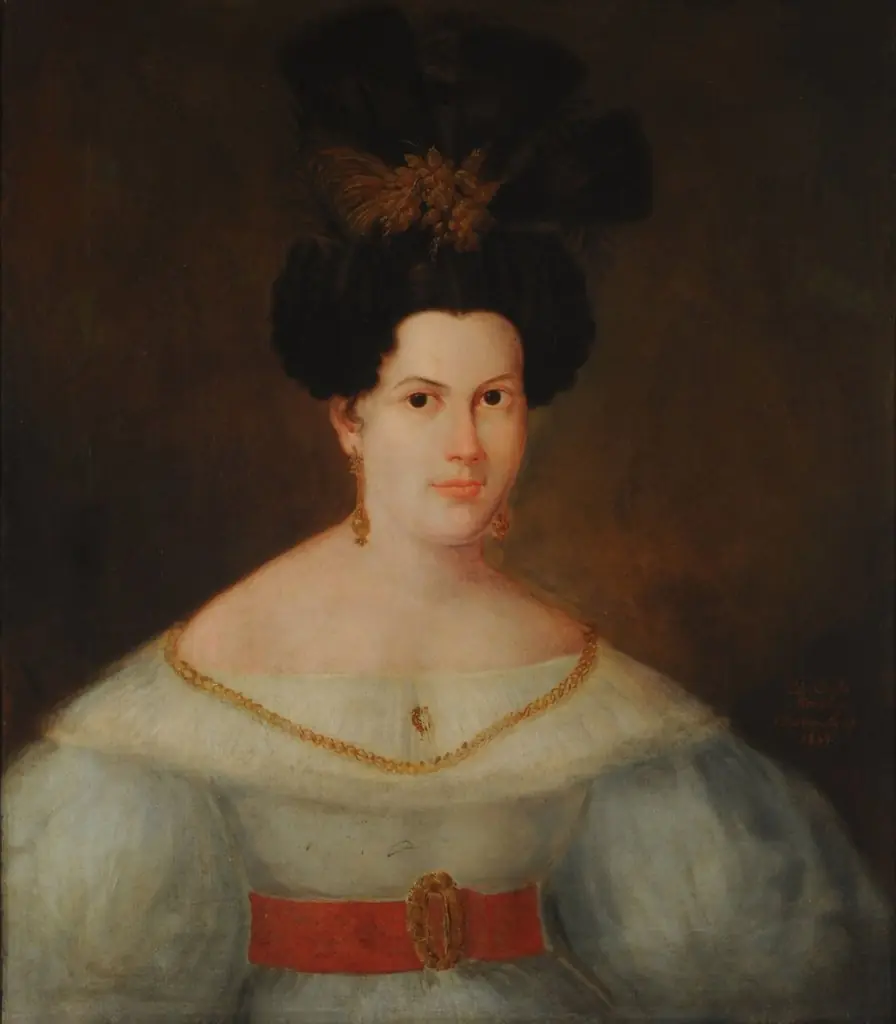 Portrait of Doña Macedonia Escardo
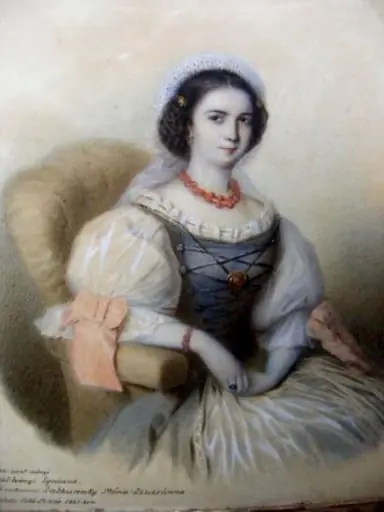 Szentiványi Ignácné
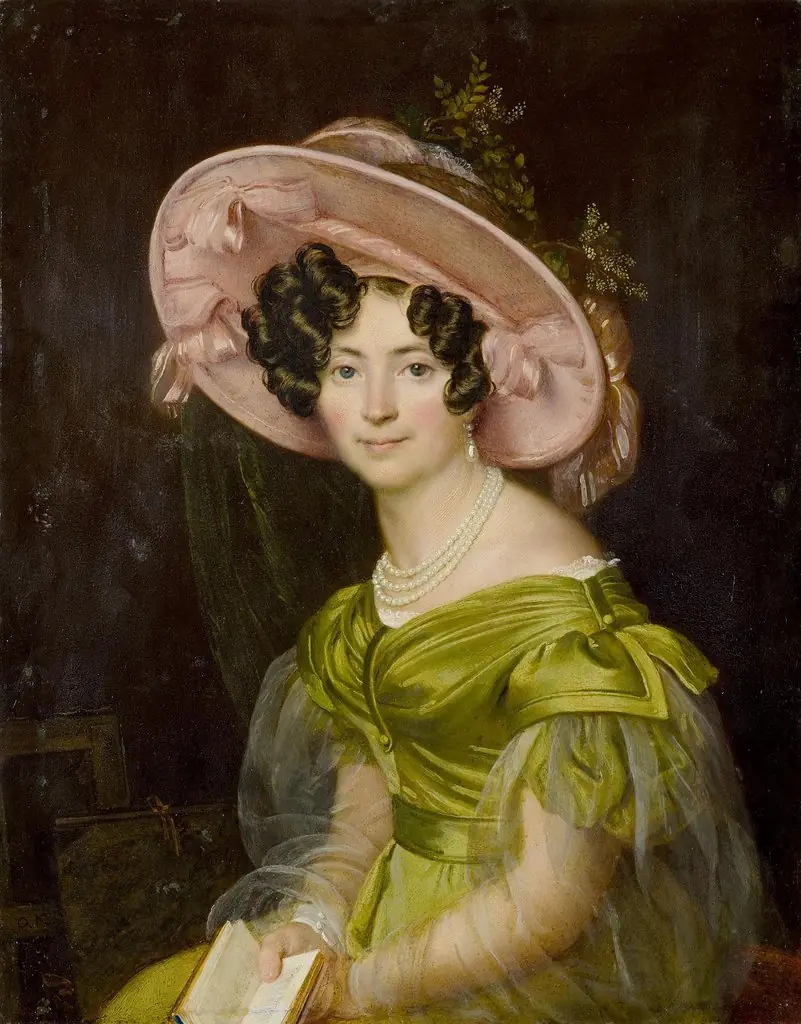 Portrait of Zinaida Volkonskaya
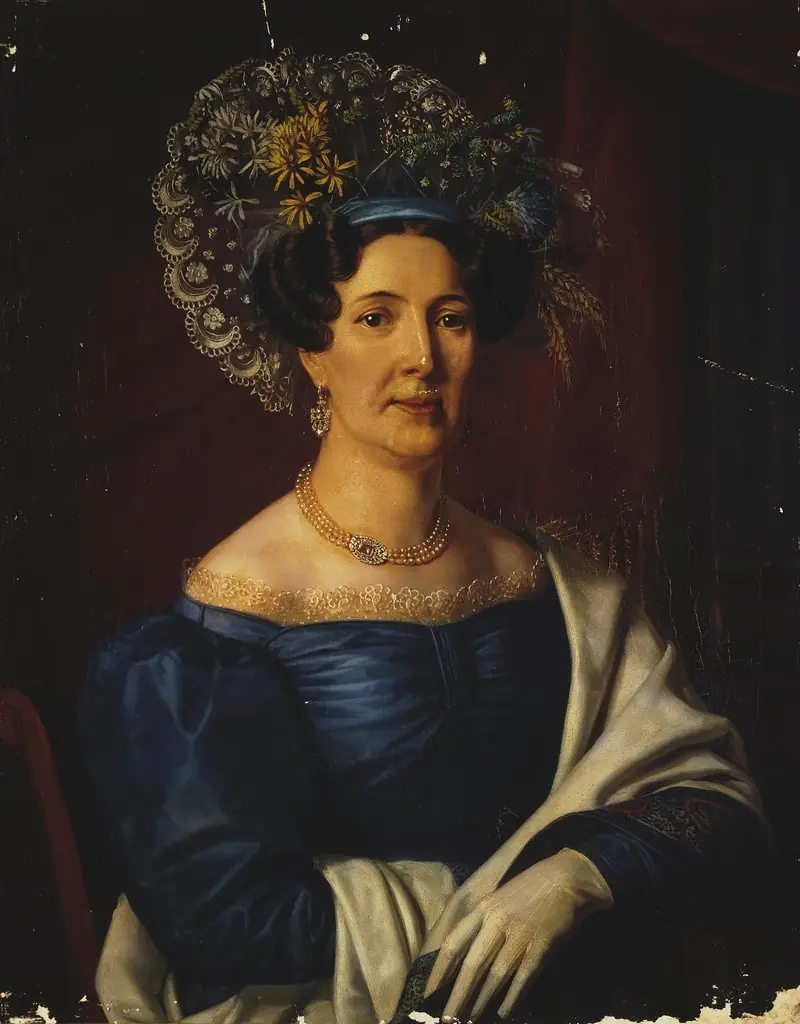 Portrait of Anna Babkina
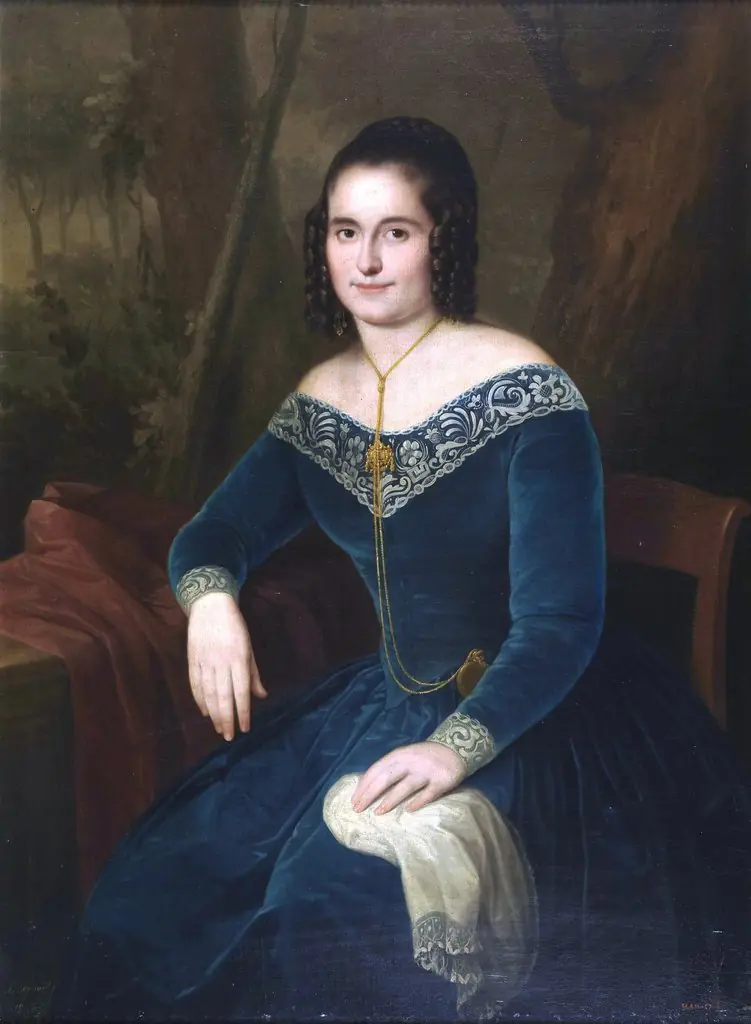 Amparo Romero
 Safta Costachi Talpan