Artwork
King Charles I (II?) of England
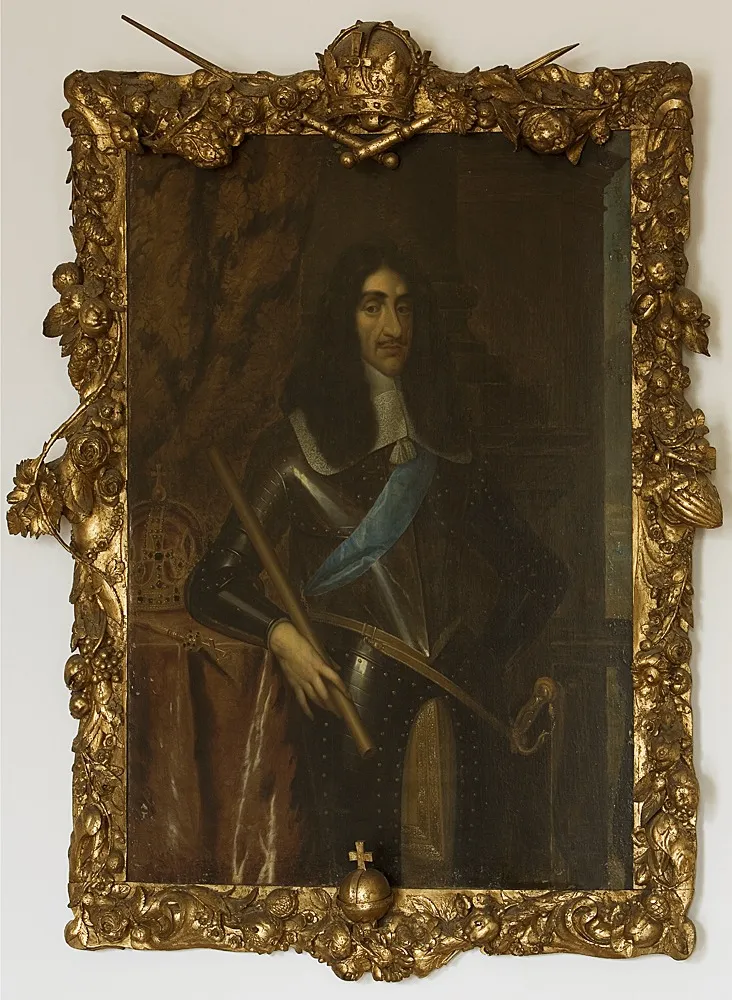
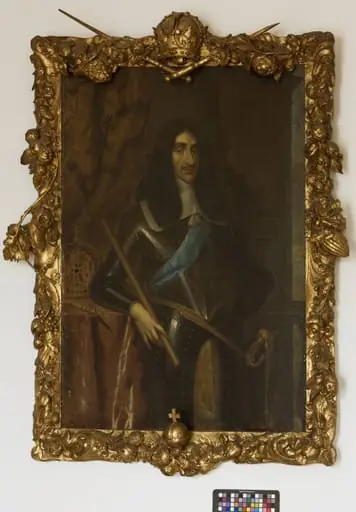
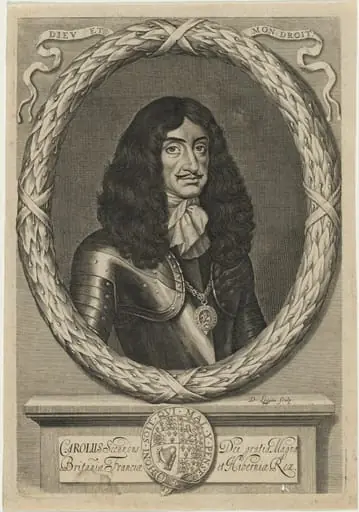
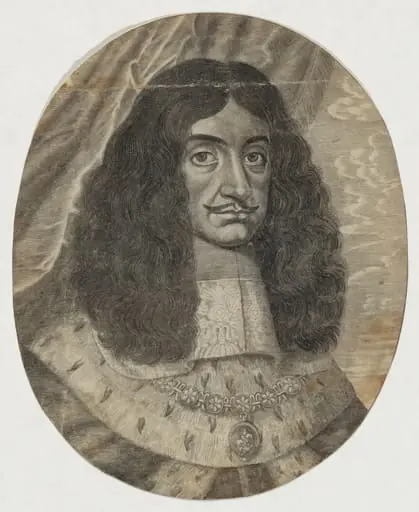
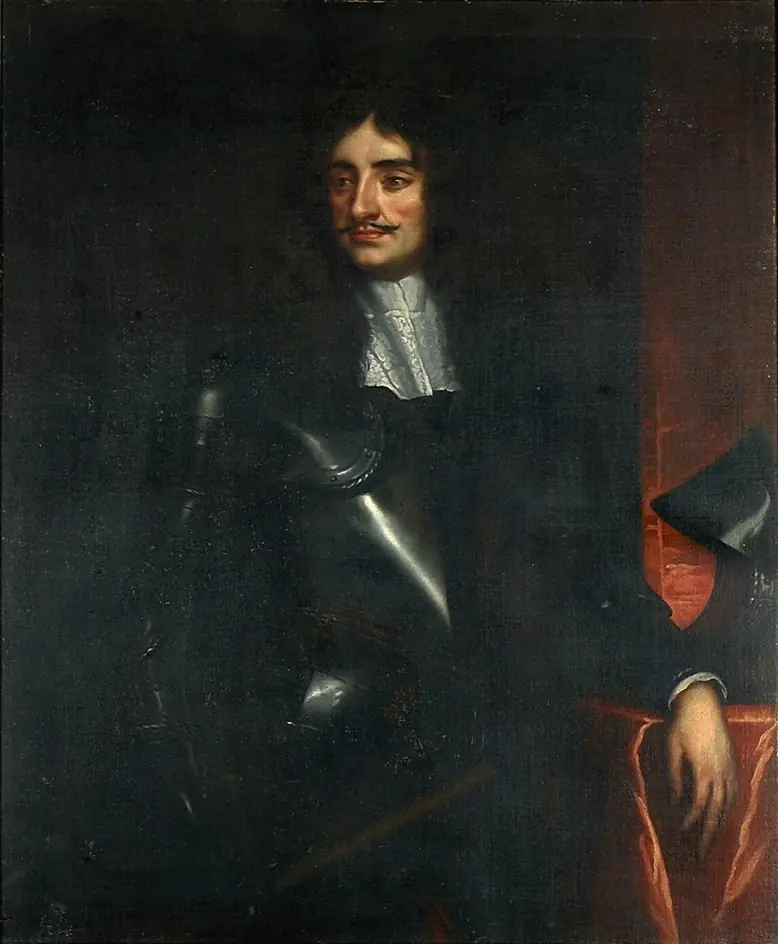
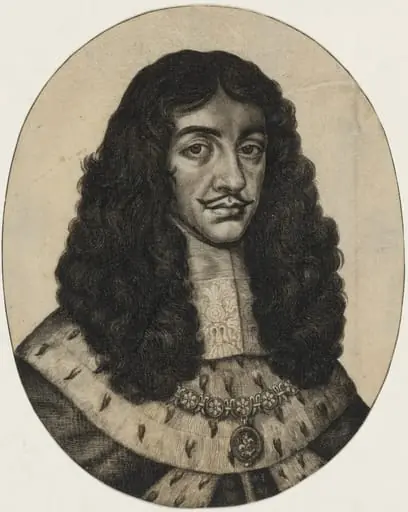
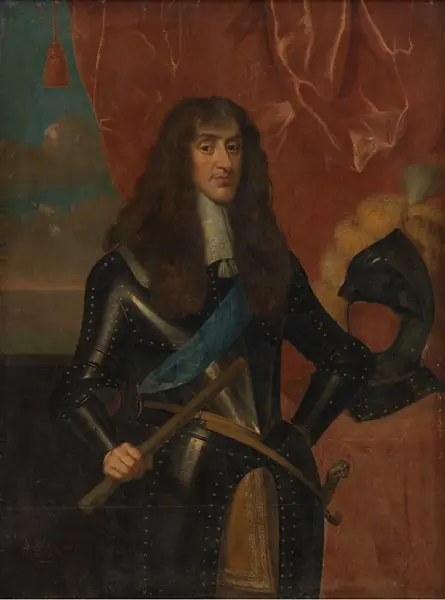
King Charles I (II?) of England is an oil painting by the Dutch Golden Age artist Simon Luttichuys. It dates from 1661 and is held in the collection of the Statens Museum for Kunst.
About this work
Overview
Simon Luttichuys painted this oil portrait in 1661, depicting a gentleman in elaborate seventeenth‑century attire. The canvas is framed by an ornate gilded surround with leaf and scroll motifs. The work resides in the collection of Denmark’s Statens Museum for Kunst, where it is displayed among the museum’s European paintings.
Subject & Meaning
The sitter is shown standing in a dimly lit interior, dressed in a blue coat trimmed with gold buttons, a white cravat, and a black hat adorned with a feather. He holds a cane in his right hand while his left rests on a small table, a pose that conveys both authority and composure typical of aristocratic portraiture of the period.
Technique & Style
Luttichuys employs a stark chiaroscuro, rendering the background almost black to make the figure emerge with dramatic contrast. Subtle modeling of light across the fabric and flesh creates a three‑dimensional effect, while the fine brushwork on the gold buttons and feather demonstrates the artist’s skill in rendering texture.
History & Provenance
Created shortly after the English Restoration, the painting entered the Statens Museum for Kunst’s holdings in the twentieth century, though the exact path of acquisition is not detailed in the record. Its presence in a Danish national collection reflects the broader European interest in Dutch portraiture of the era.
Context
The work belongs to a tradition of Dutch painters who catered to the English market, producing portraits of royalty and nobility for patrons abroad. Luttichuys, a Flemish‑born artist active in Amsterdam, often painted members of the expatriate English community, situating this piece within the cross‑cultural exchanges of the mid‑1600s.
Artist & collection

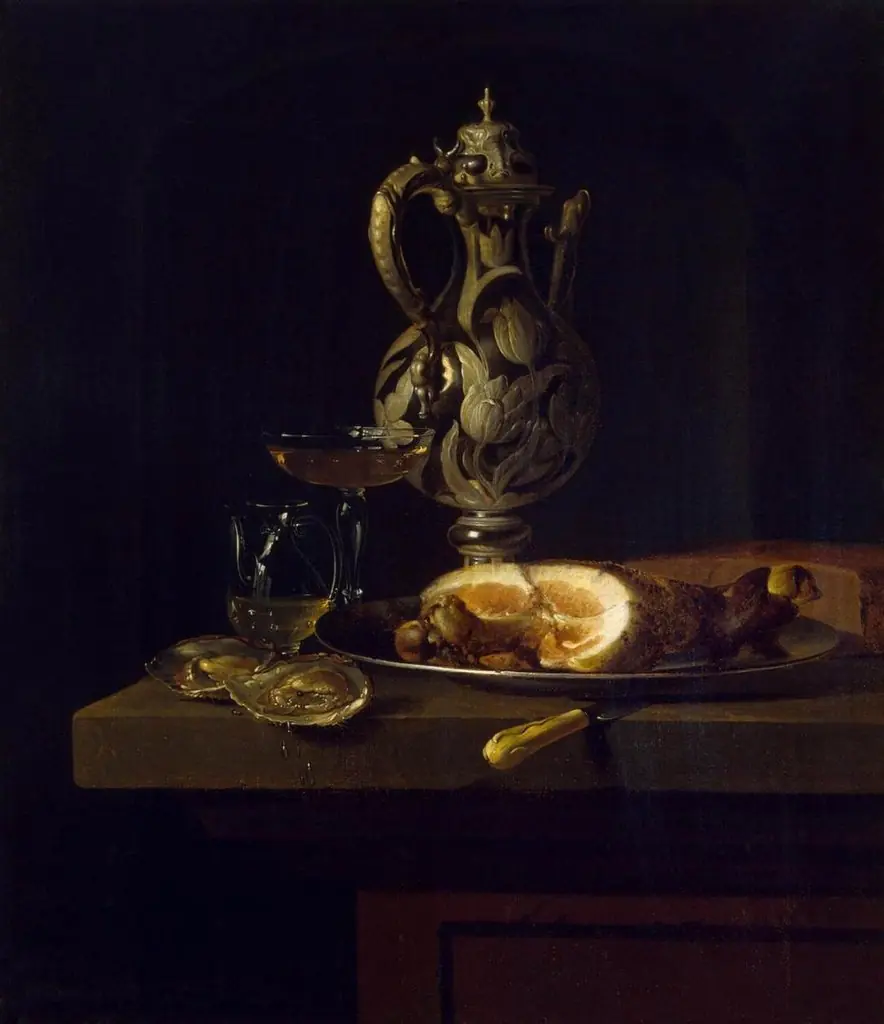 Breakfast with Ham
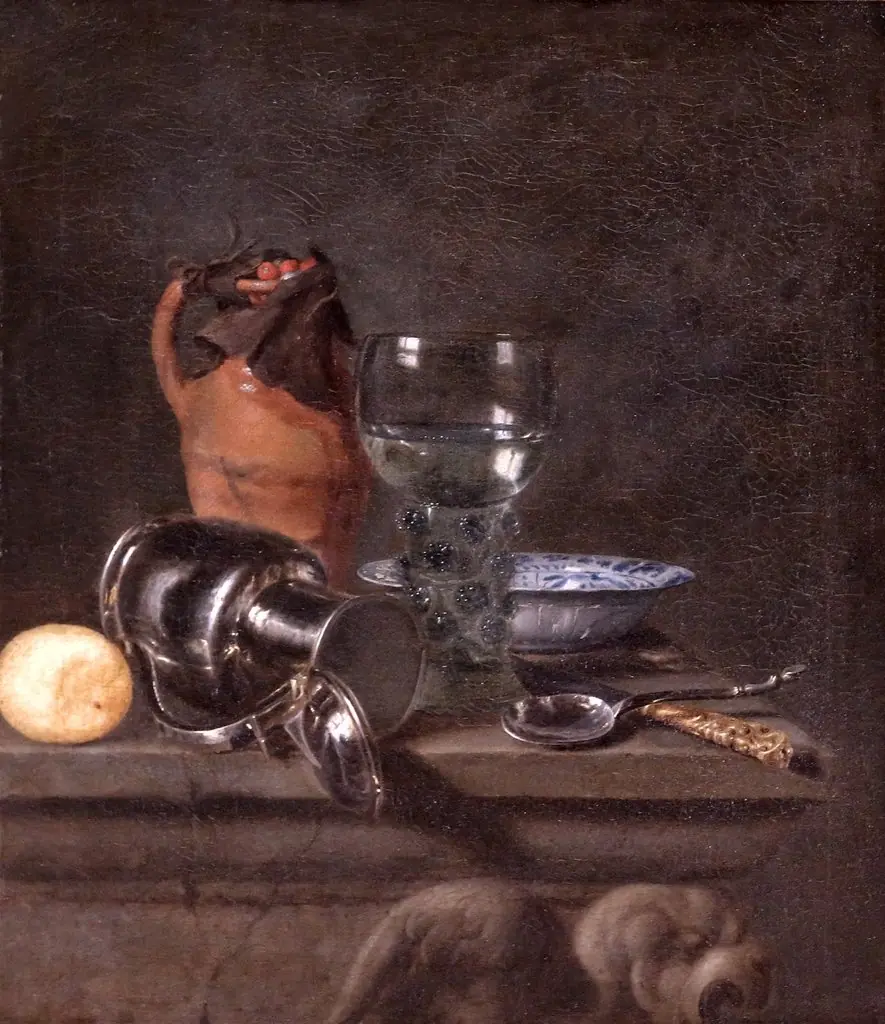 Still life with fallen pewter jug and roemer
 Portrait of James Stuart, Duke of York (1633-1701), later King James II of England
 Still Life with Fruit, Plates and Dishes on a Turkey Carpet
 Portrait of Prince Henry of England
 Still-ife with lobster
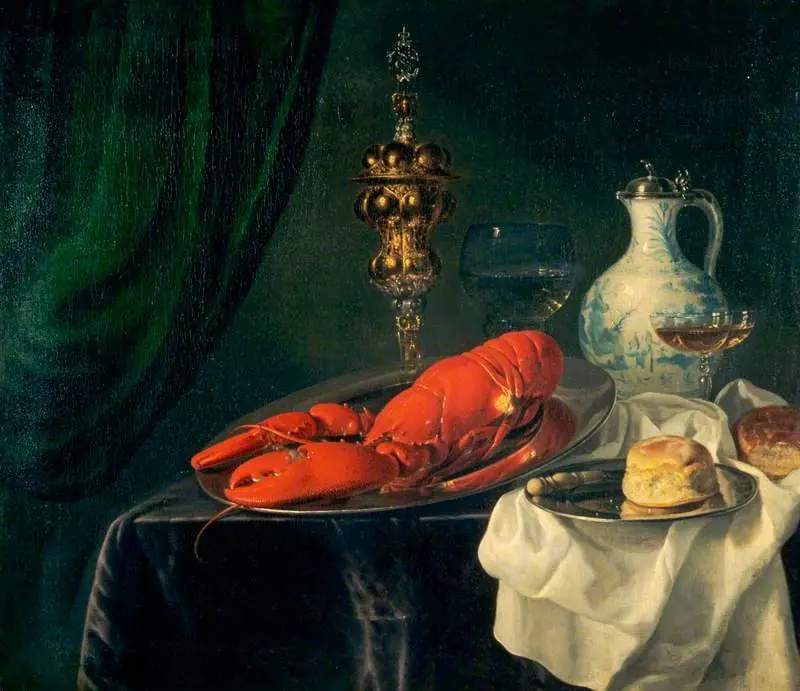 Still-life
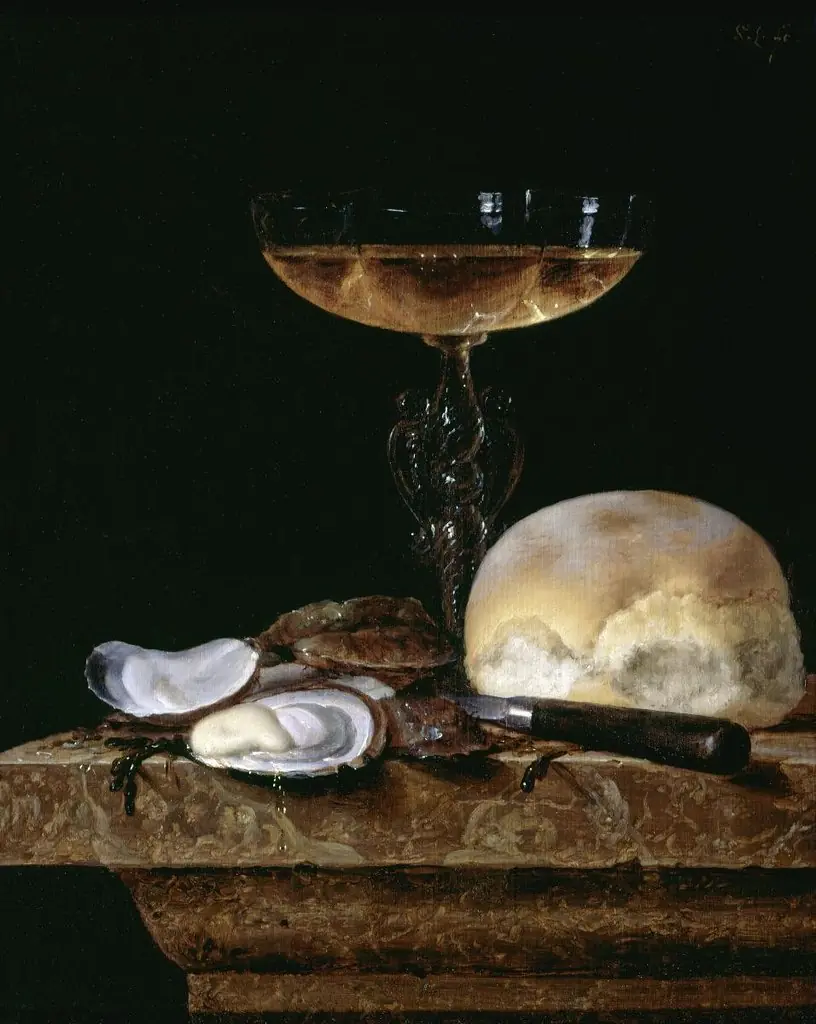 Schalenglas, Austern und Brötchen