Artwork
Untitled
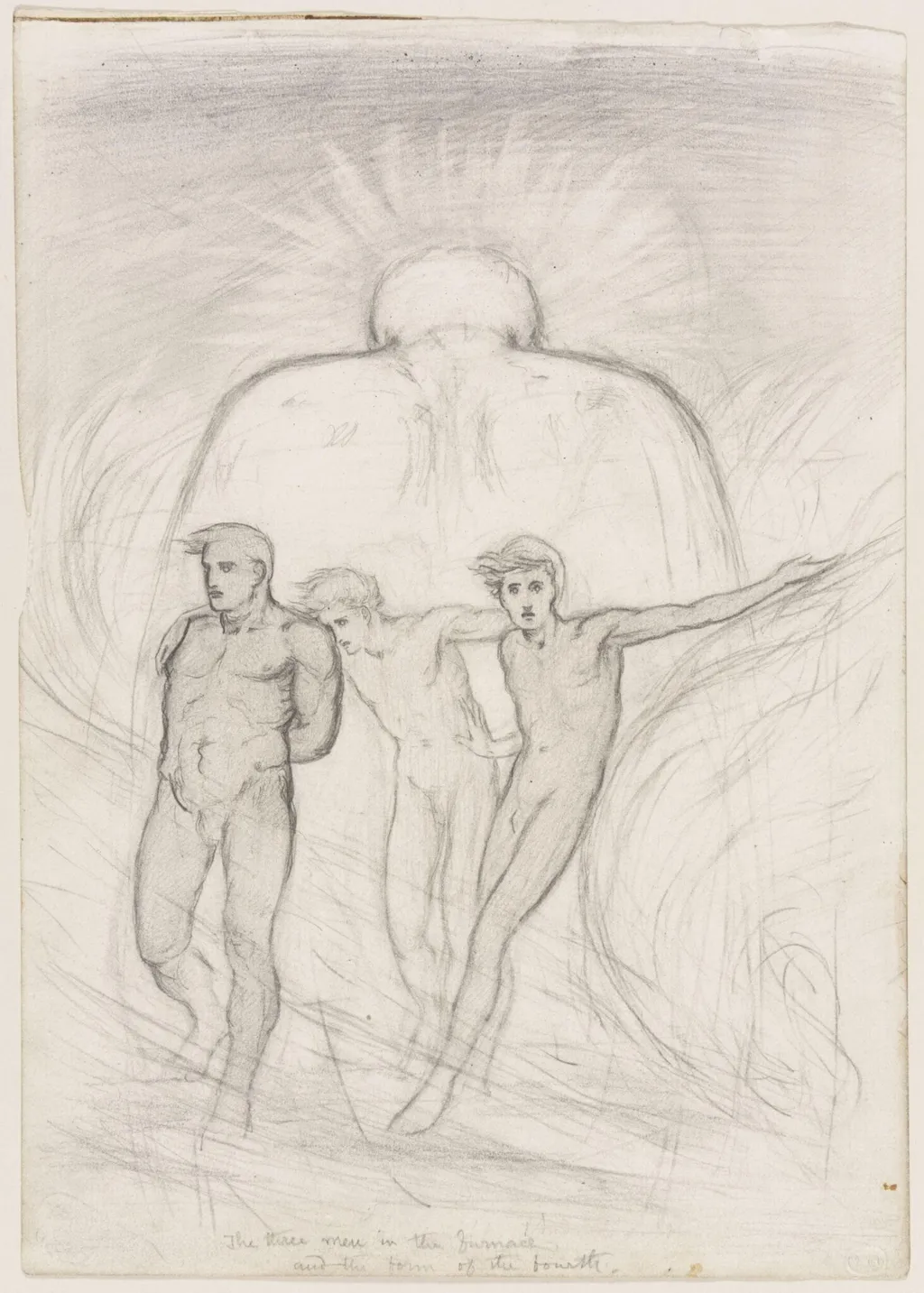
Untitled is a drawing by the Impressionist artist Charles Sims. It dates from 1873 and is held in the collection of the Victoria and Albert Museum.
About this work
Overview
This untitled drawing depicts three nude male figures engaged in labor near a furnace, with a faint fourth figure suggested in the background.
This untitled drawing depicts three nude male figures engaged in labor near a furnace, with a faint fourth figure suggested in the background. The composition is rendered in loose, rapid pencil strokes, emphasizing gesture over detail. The figures are viewed from behind, their postures conveying physical exertion. On the reverse, faint sketches of feline forms appear, hinting at the artist’s spontaneous explorations beyond the primary subject.
Subject & Meaning
The scene alludes to the biblical story of Shadrach, Meshach, and Abednego in the fiery furnace, though the figures are abstracted and stripped of narrative detail. The title references the furnace and its form, anchoring the image in religious symbolism, yet the lack of conventional iconography—no flames, no divine presence—shifts focus to the human condition under duress. The faint fourth figure may imply divine observation or an absent witness.
Technique & Style
Executed in quick, unfinished pencil lines, the drawing prioritizes movement and weight over precision. The bodies are rendered with minimal contour, leaving areas of the paper exposed to suggest form and shadow. The strokes are energetic and provisional, revealing the artist’s process. The contrast between the dense, active foreground and the ghostly fourth figure enhances the sense of ambiguity and impermanence.
History & Provenance
The drawing is attributed to the British artist Sims, though its exact date and origin remain undocumented. It was likely created during a period of personal or experimental work, given the informal nature and the presence of unrelated sketches on the reverse. No early exhibition history or collector records are known, suggesting it was retained by the artist or passed through private hands before entering institutional collection.
Context
Sims worked during a time when artists increasingly turned to the human form as a vehicle for emotional and spiritual inquiry, often bypassing academic conventions. This drawing reflects a broader trend in early 20th-century British art toward expressive sketching and the valorization of the preliminary gesture. Its biblical reference, though muted, aligns with a wider cultural interest in mythic themes reinterpreted through modernist sensibilities.
Legacy
The drawing stands as an example of intimate, unpolished work that reveals an artist’s private engagement with classical narratives. Its roughness and ambiguity invite interpretation rather than dictate meaning, distinguishing it from more formal religious art. While not widely exhibited, it contributes to understanding Sims’s broader practice—where spontaneity and suggestion held greater value than finished composition.
Artist & collection
Artist
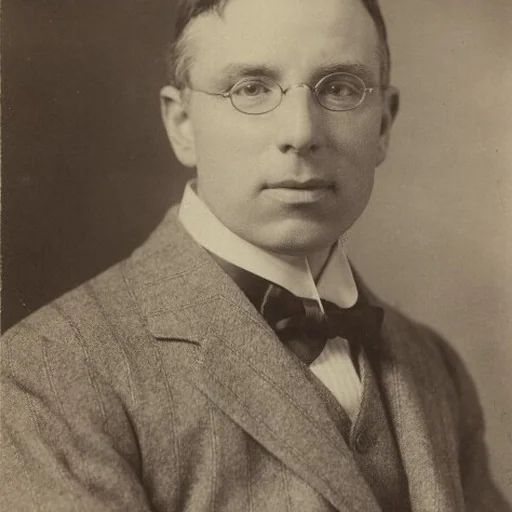
Charles Henry Sims (28 January 1873, Islington–13 April 1928, St. Boswells) was a British figurative painter known for his portraits and landscapes. He initially became renowned as a leading Edwardian painter, but…

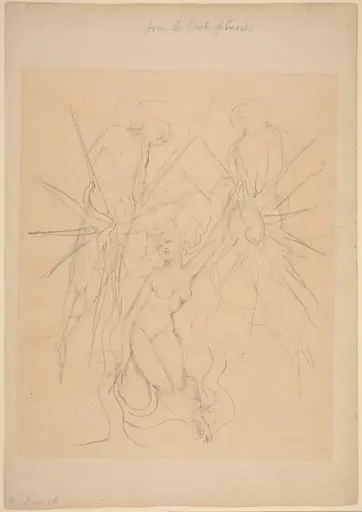 The Descent of the Angels to One of the Daughters of Men
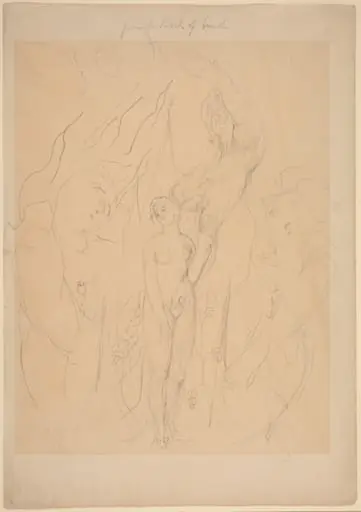 An Angel Teaching a Daughter of Men the Secrets of Sin
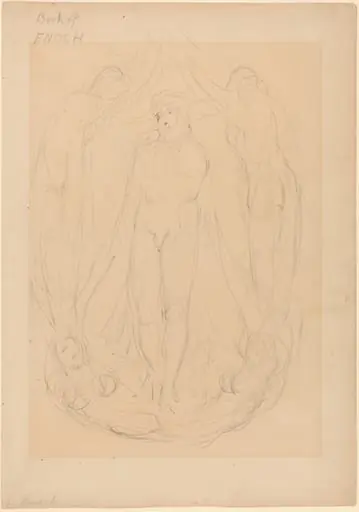 The Vision of the Lord of Spirits
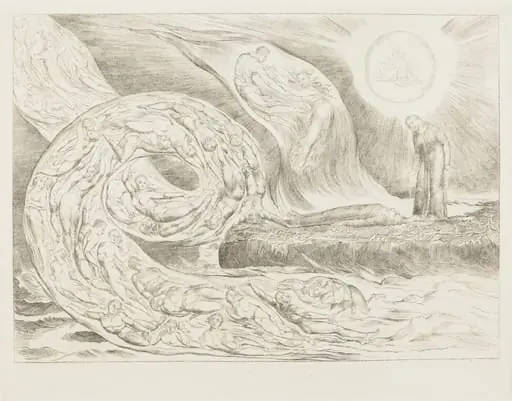 The Circle of the Lustful: Paolo and Francesca
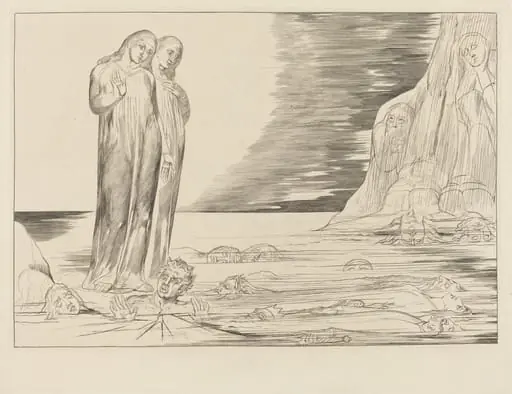 The Circle of the Traitors; Dante's Foot Striking Bocca degli Abbate
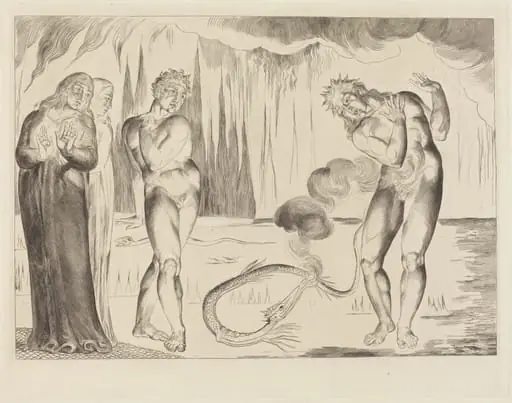 The Circle of the Thieves; Buoso Donati Attacked by the Serpent
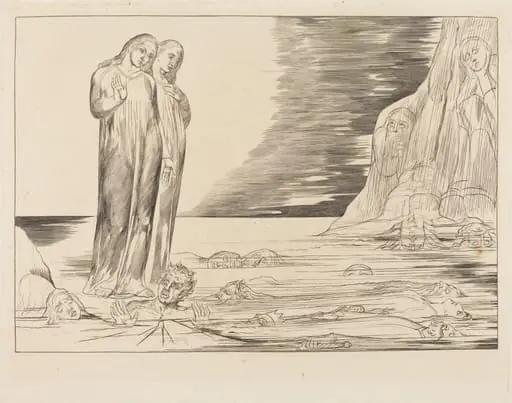 The Circle of the Traitors; Dante's Foot Striking Bocca degli Abbate
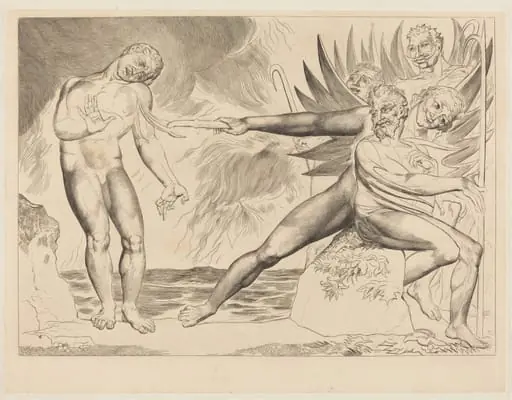 The Circle of the Corrupt Officials; the Devils Tormenting Ciampolo
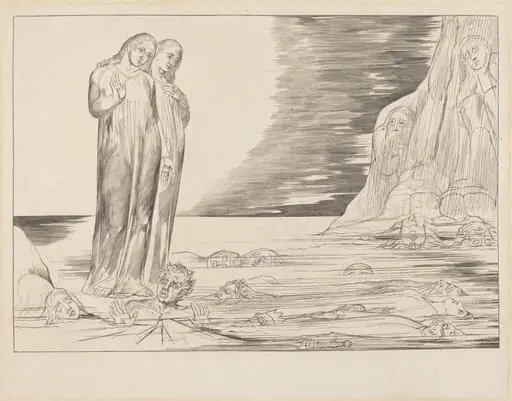 The Circle of the Traitors; Dante's Foot Striking Bocca degli Abbate
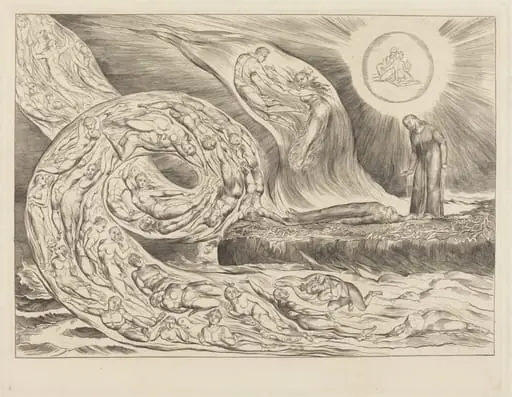 The Circle of the Lustful: Paolo and Francesca
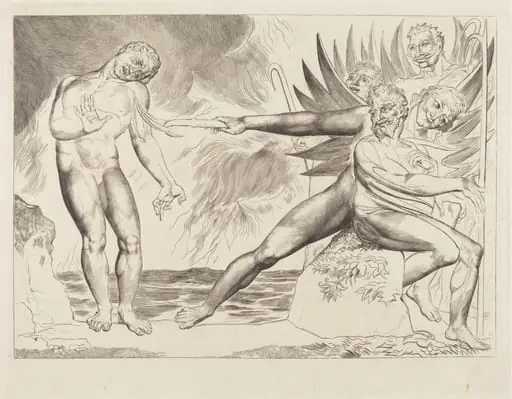 The Circle of the Corrupt Officials; the Devils Tormenting Ciampolo
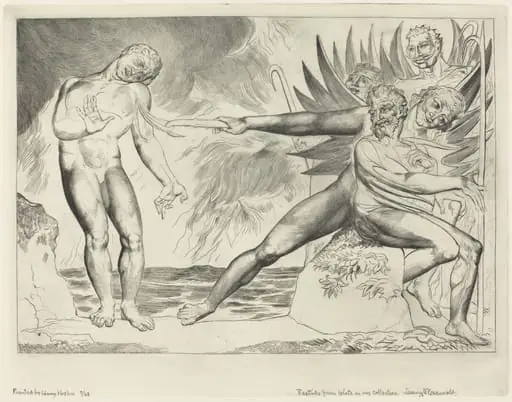 The Circle of the Corrupt Officials; The Devils Tormenting Ciampolo