Artwork
Study of a dead rail
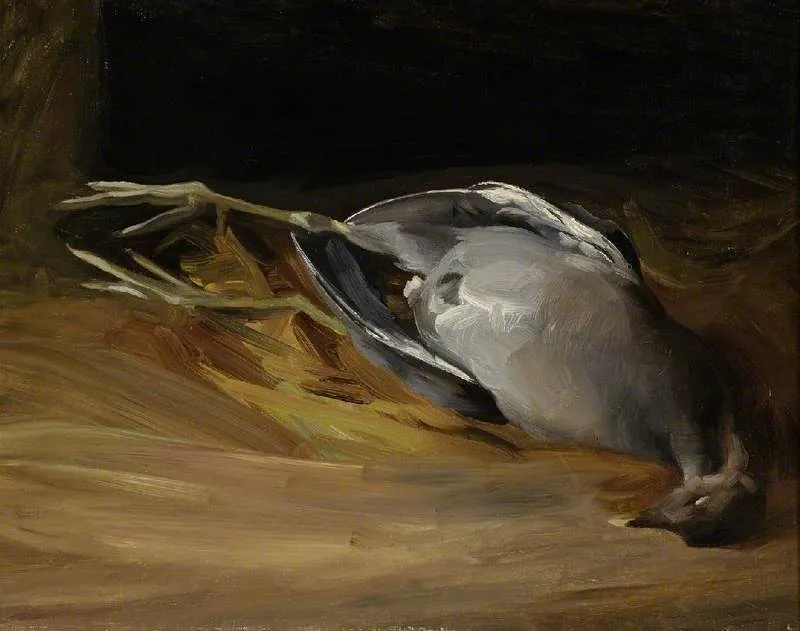
Study of a dead rail is an unspecified painting by Charles Sims. It dates from 1910 and is held in the collection of the Fitzwilliam Museum.
About this work
Overview
The painting is held in the Fitzwilliam Museum’s collection, where it stands as an atypical example of his later output.
Painted around 1910 by British artist Charles Sims, this work is a quiet, focused study of a deceased rail bird. Though Sims was initially known for conventional portraits and landscapes of the Edwardian era, this piece signals a shift toward more introspective and unconventional subjects. The painting is held in the Fitzwilliam Museum’s collection, where it stands as an atypical example of his later output.
Subject & Meaning
The subject is a single dead rail, its body sprawled on its side with legs extended, head bowed toward the earth. There is no narrative context—no landscape, no human presence—only the bird and its stillness. The absence of symbolism or drama invites contemplation of mortality, isolation, and the fragility of life, rendered without sentimentality or grandeur.
Technique & Style
Sims employs chiaroscuro to model the bird’s form, using stark contrasts between light and shadow to emphasize the texture of its feathers. The pale grey and white plumage emerges from a deep, unbroken background, enhancing the sense of isolation. Delicate brushwork captures the softness and layered structure of the feathers, suggesting tactile realism without overt detail.
History & Provenance
The painting entered the Fitzwilliam Museum’s collection in the 20th century, likely acquired after Sims’s death in 1928. Its provenance is not widely documented, but its presence in a major public collection suggests it was recognized early as a significant, if unusual, work within his oeuvre. No record indicates it was exhibited publicly during his lifetime.
Context
Created during a period when Sims was moving away from traditional portraiture, this study reflects broader artistic interests in psychological depth and naturalism. While European modernism was advancing, Sims turned inward, focusing on solitary, often somber subjects. The rail’s quiet presence aligns with late-Victorian and Edwardian sensibilities that valued observation over spectacle.
Legacy
Though not among Sims’s most widely known works, this painting is frequently cited as an example of his evolving artistic voice. It reveals a sensitivity to quiet, overlooked moments in nature, distinguishing his later work from his earlier, more conventional commissions. Scholars note its quiet power as a precursor to 20th-century still-life introspection.
Artist & collection
Artist
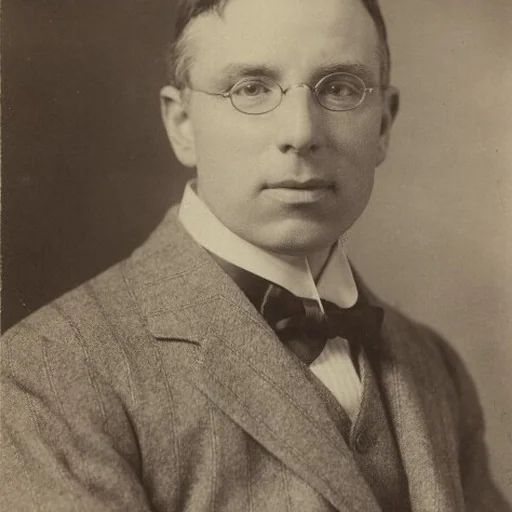
Charles Henry Sims (28 January 1873, Islington–13 April 1928, St. Boswells) was a British figurative painter known for his portraits and landscapes. He initially became renowned as a leading Edwardian painter, but…

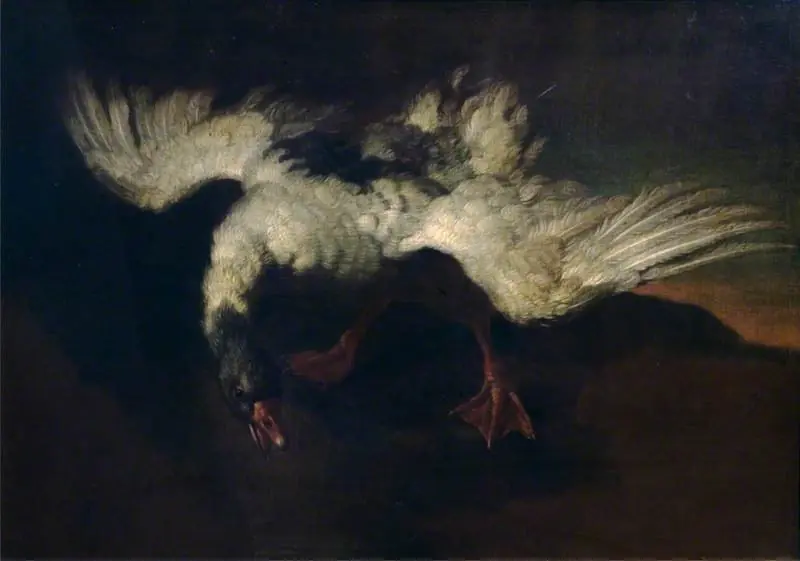 Goose with Outspread Wings
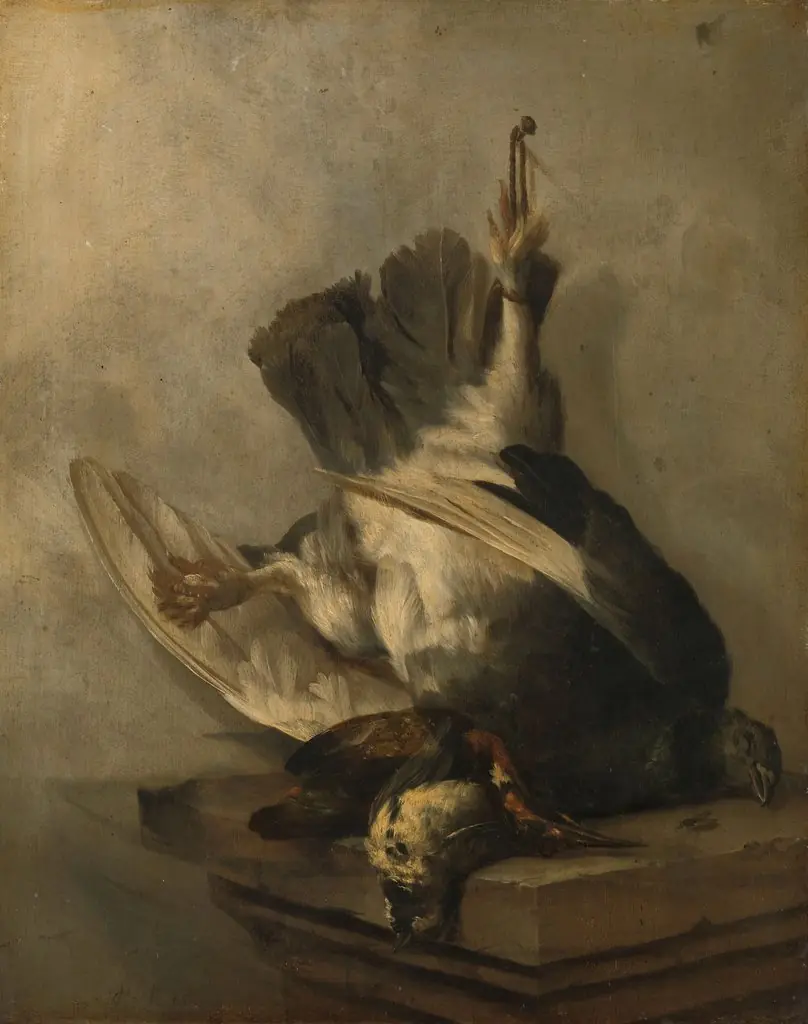 Still life with woodpecker and snipes
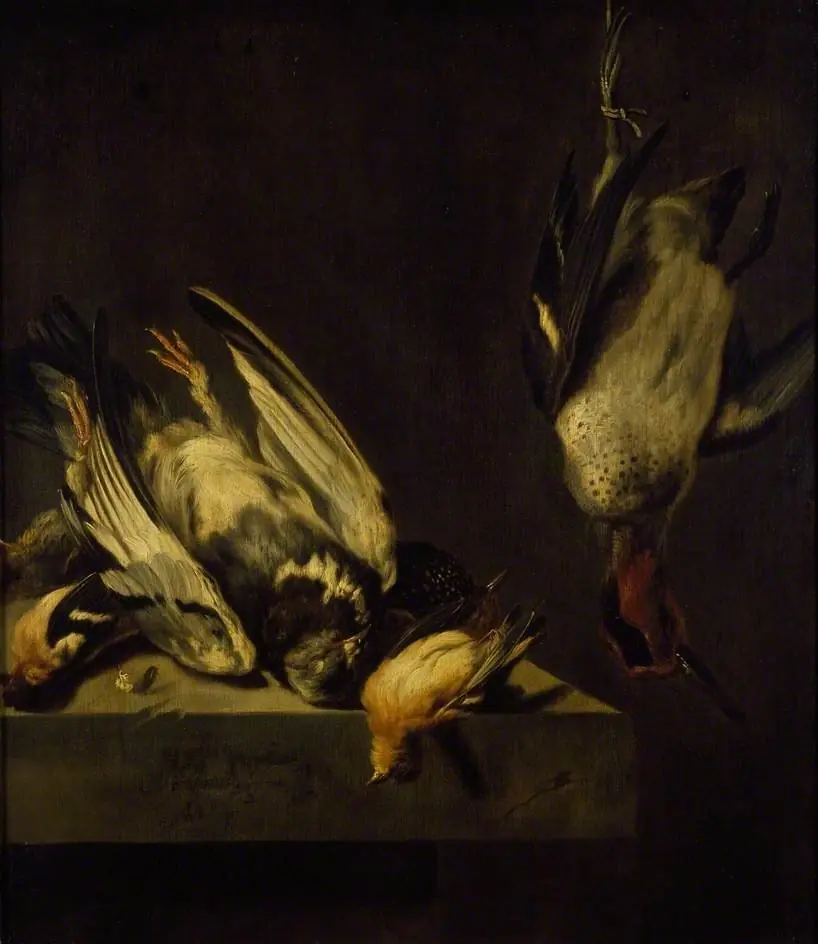 Still Life of Game on a stone Sill
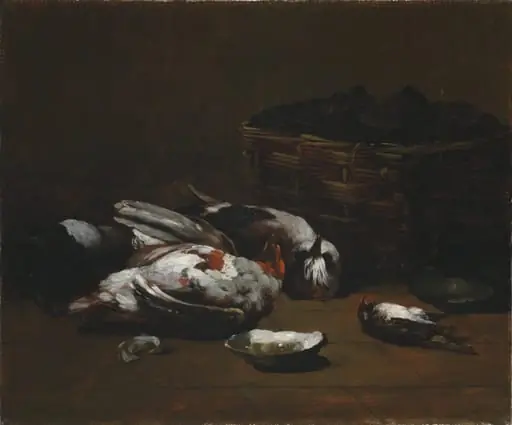 Still Life with Dead Birds and a Basket of Oysters
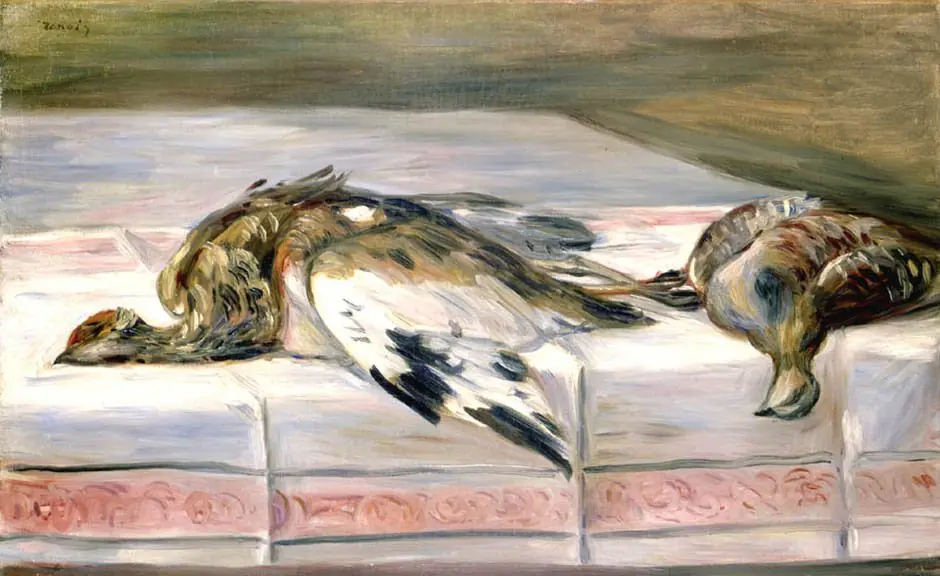 Pheasant and Fowl
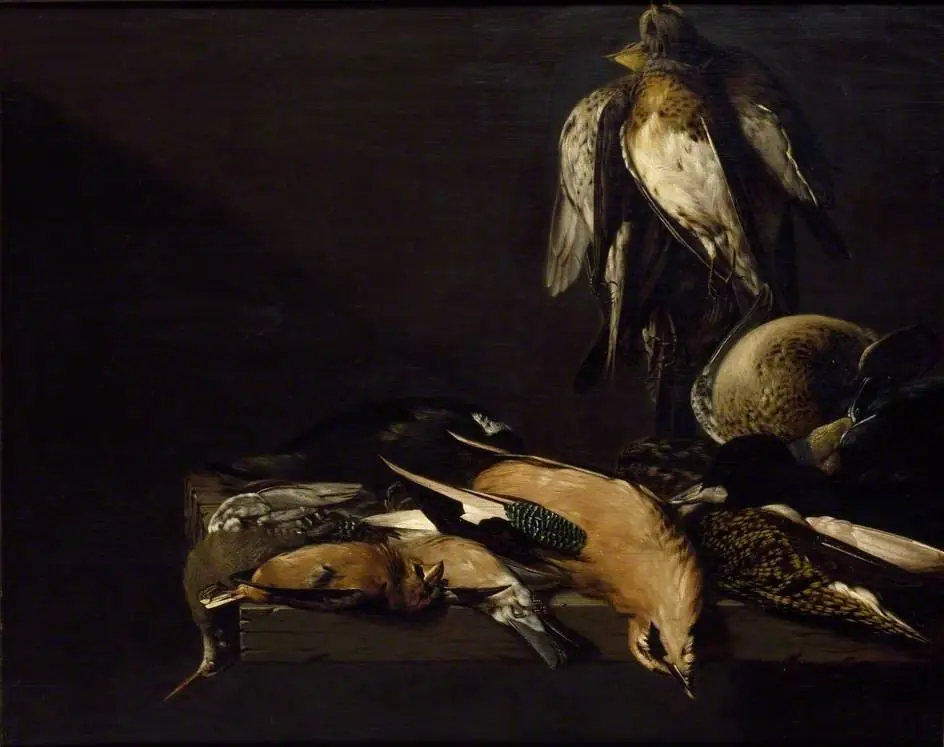 Still Life of Game with four Plovers
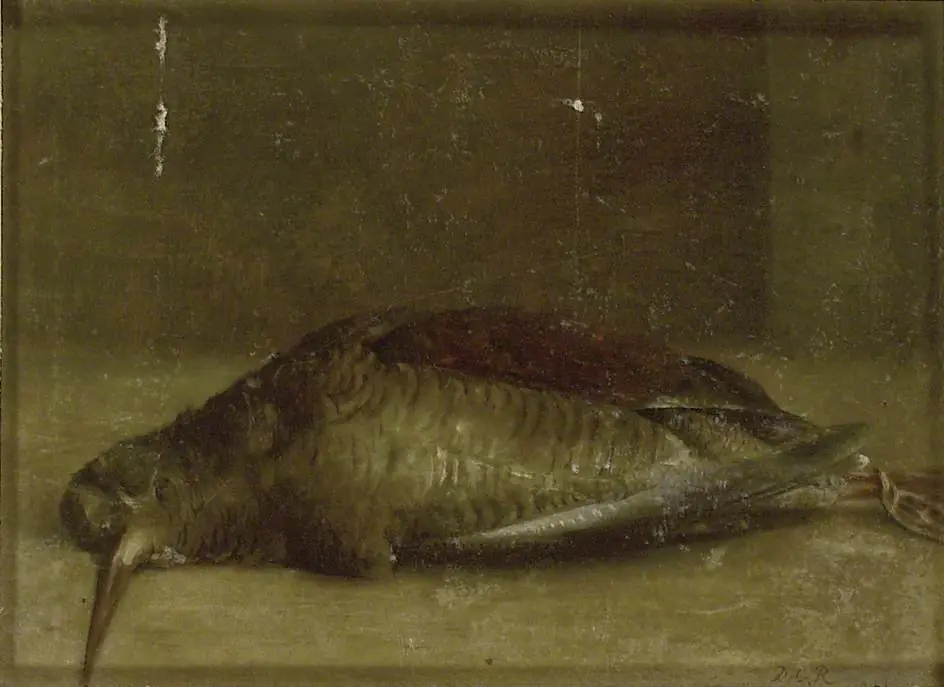 Woodcock from Nature
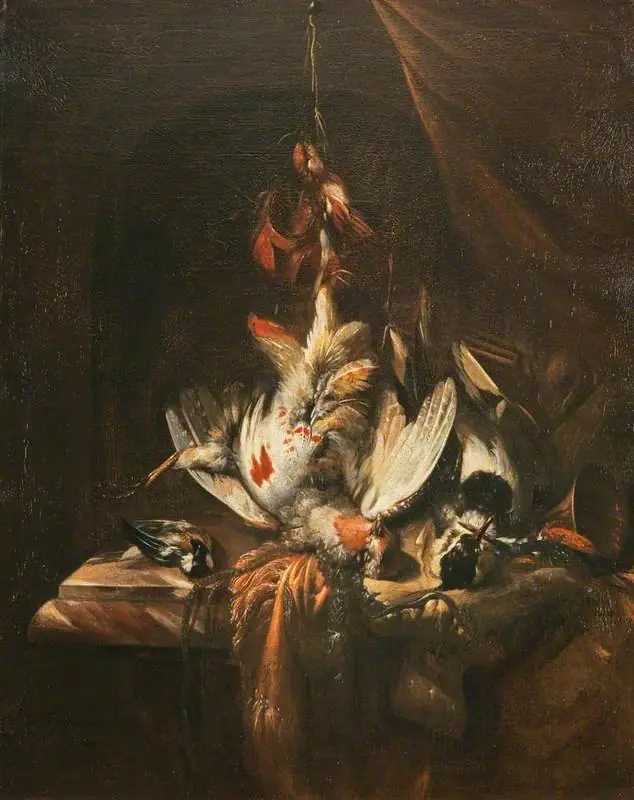 Still-life: Dead Game
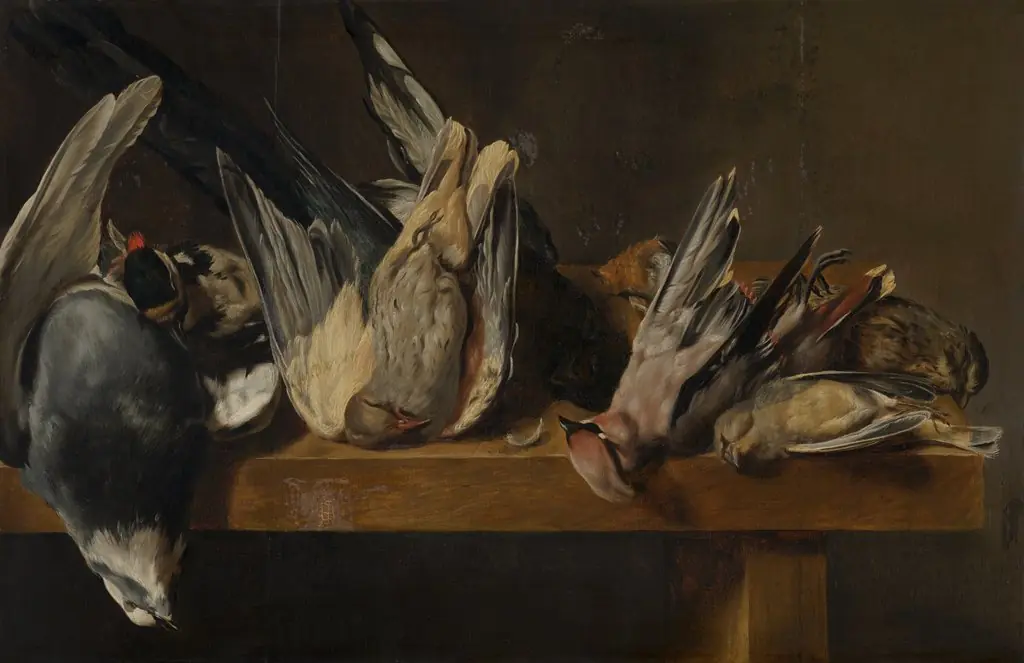 Dead Birds
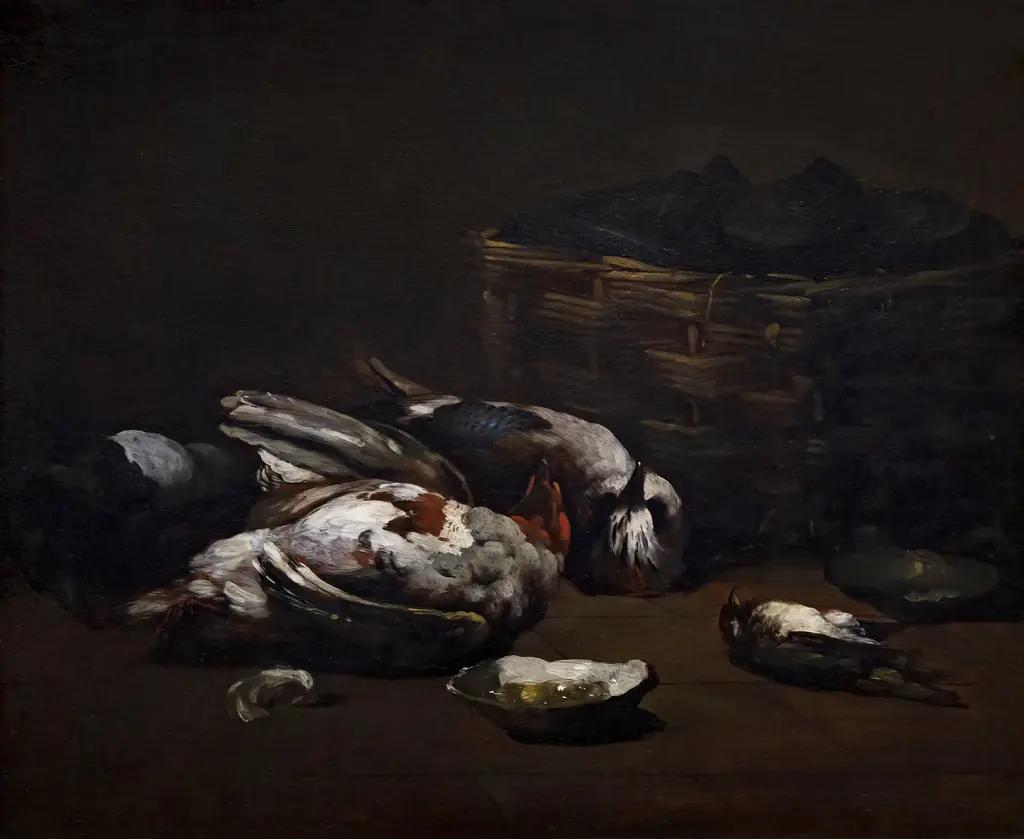 Still Life with Dead Birds and a Basket of Oysters
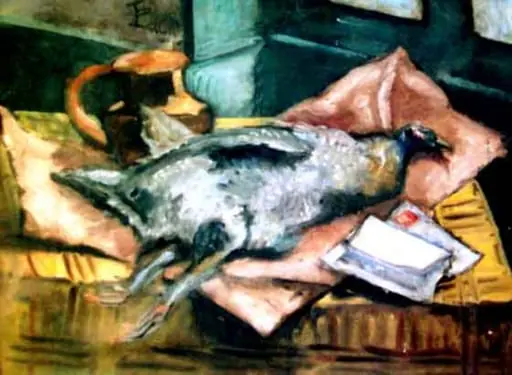 Fazanul
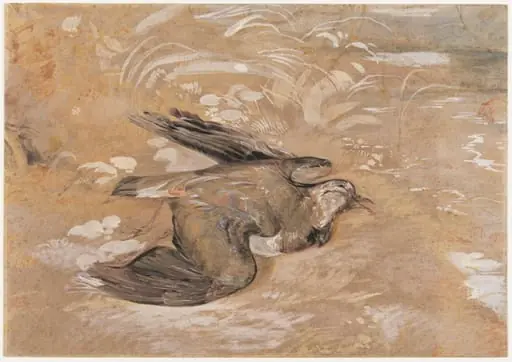 Study of a dead lapwing