Artwork
The Festival
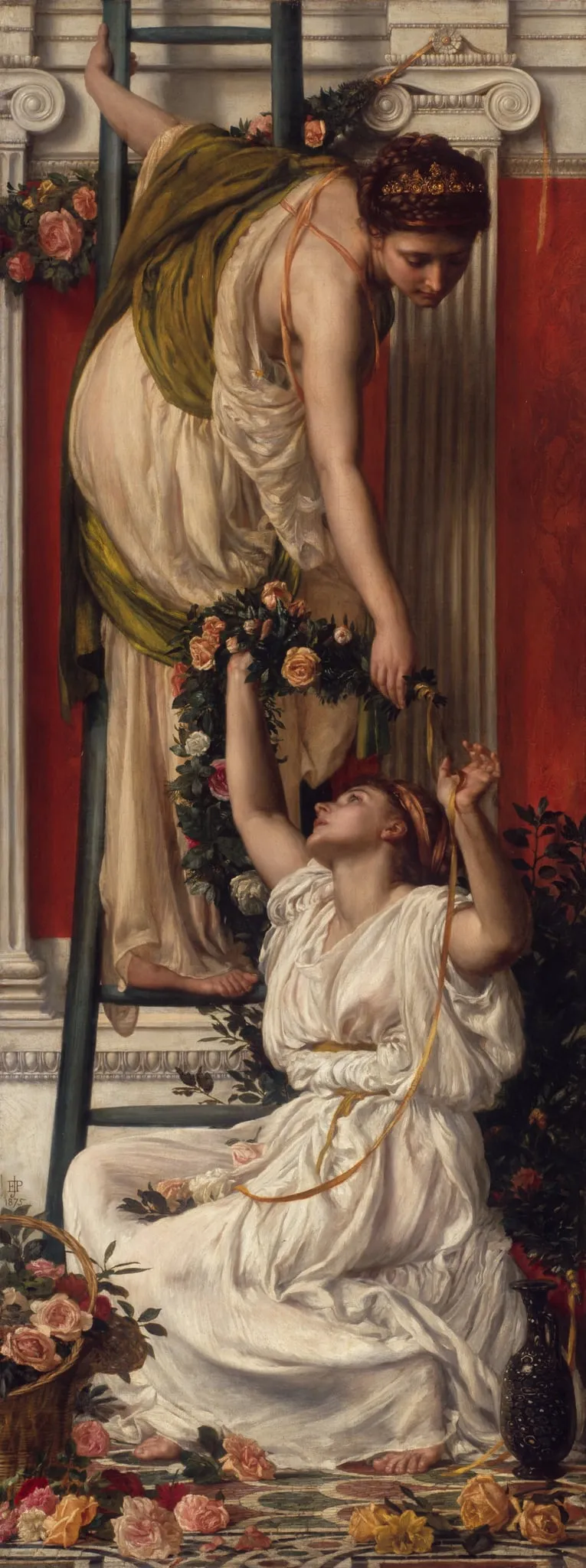
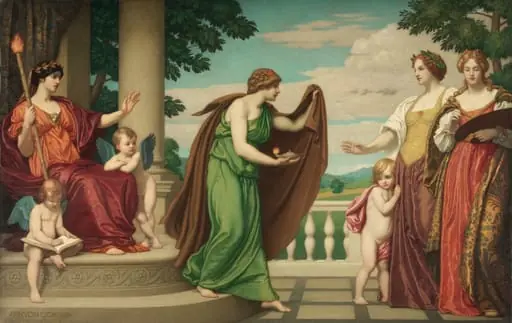
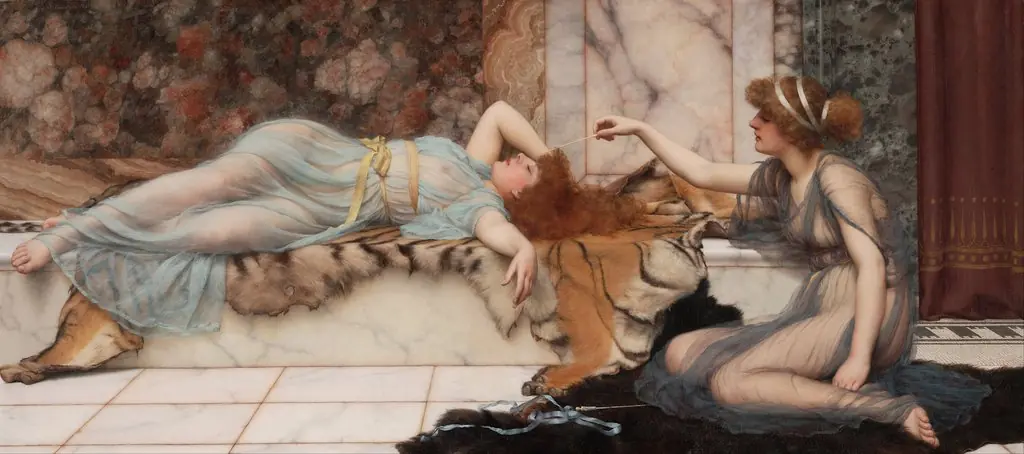
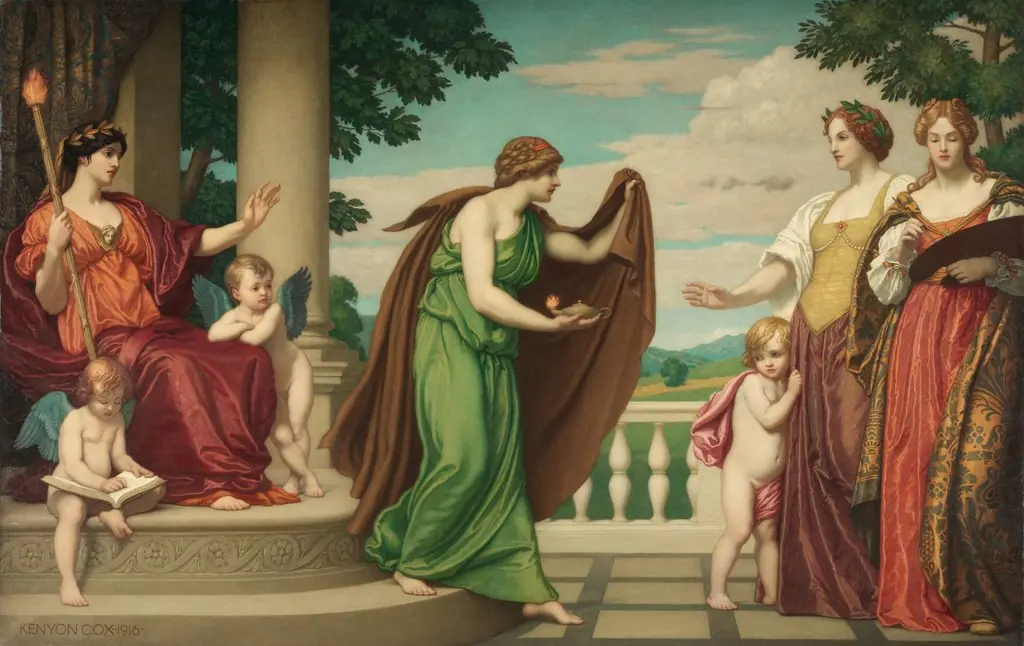
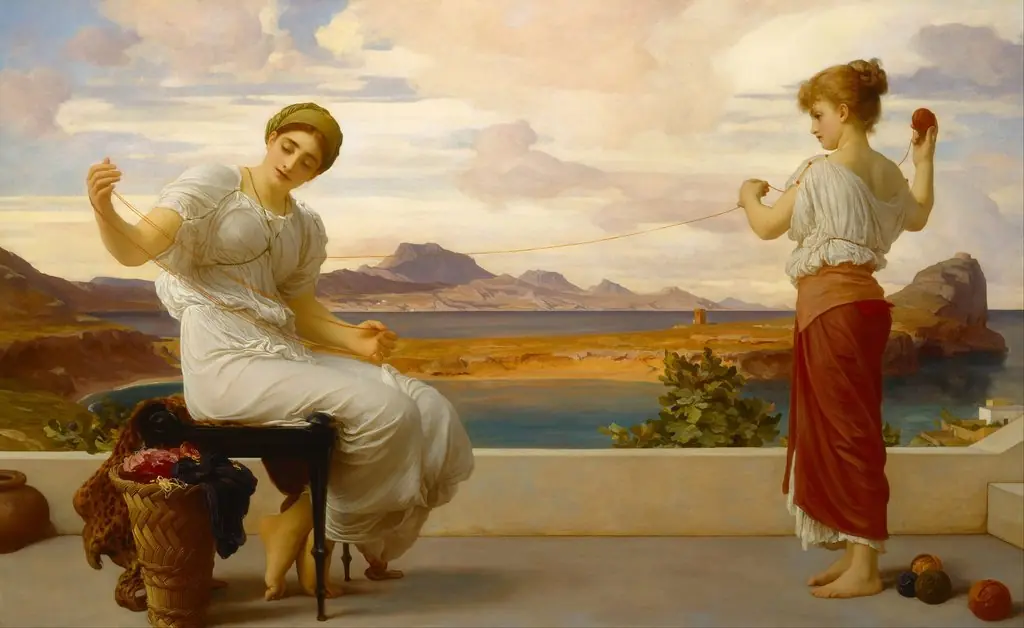
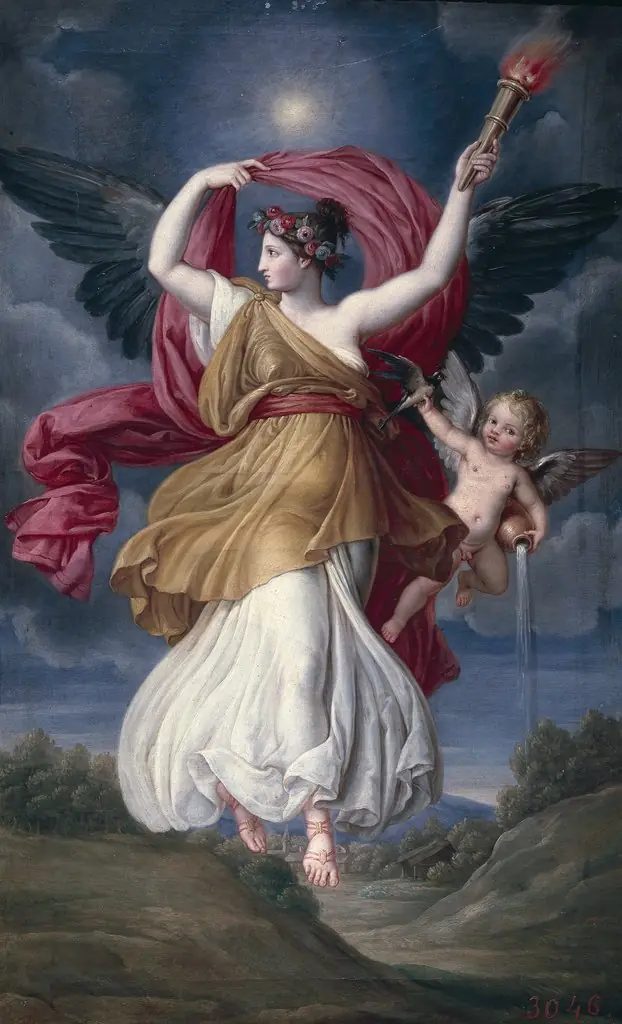
The Festival is an oil painting by the Impressionist artist Sir John Edward Poynter. It dates from 1875 and is held in the collection of the Art Institute of Chicago.
About this work
The artist used warm colors to depict the festival, which is interesting because it gives a sense of energy and movement.
The painting shows people gathered in a crowded scene.
It's an oil on canvas work from 1875.
The artist used warm colors to depict the festival, which is interesting because it gives a sense of energy and movement.
The festival scene is full of people, which makes it feel lively.
The way the artist composed the scene, with people in the foreground and background, adds to the sense of activity.
You can learn more about this style by looking into the technique of glazing.
Overview
Painted in 1875, The Festival is an oil on canvas work by Sir John Edward Poynter, depicting a bustling public celebration. The painting resides in the collection of the Art Institute of Chicago. Its composition captures a dense assembly of figures engaged in various activities, conveying the rhythm and density of communal festivity. The medium and scale reflect the academic tradition of the period, emphasizing narrative clarity and social observation.
Subject & Meaning
The scene portrays a lively civic festival, likely inspired by European seasonal gatherings. Figures are shown in motion—dancing, conversing, and observing—suggesting a moment of collective joy and social cohesion. There is no single focal event; instead, the painting emphasizes the texture of everyday celebration, valuing the ordinary interactions of a diverse crowd over dramatic spectacle.
Technique & Style
Poynter employed warm, layered pigments to evoke the glow of daylight and the warmth of human interaction. The use of glazing techniques enhanced the luminosity of fabrics and skin tones, contributing to a sense of atmospheric depth. Figures are arranged in overlapping planes, with those in the foreground rendered in greater detail, guiding the viewer’s eye through the crowded composition with natural flow.
History & Provenance
Completed in 1875, the painting was likely exhibited in London before entering the Art Institute of Chicago’s collection. Its acquisition reflects the institution’s early interest in British academic art. While little is documented about its immediate reception, its presence in a major American museum underscores its recognition as a representative example of late 19th-century genre painting.
Context
In the 1870s, British artists increasingly turned to scenes of public life as a means of exploring social harmony and urban identity. Poynter’s work aligns with this trend, echoing the influence of Dutch genre painting and French realist traditions. The Festival reflects a broader cultural interest in documenting communal rituals amid rapid industrialization and changing urban landscapes.
Legacy
The Festival remains a notable example of academic genre painting from the British tradition. Though not widely reproduced, it contributes to scholarly understanding of how 19th-century artists rendered collective experience with nuance and restraint. Its preservation in a major public collection ensures continued access for study and reflection on the visual culture of celebration.
Artist & collection