Artwork
The Holy Family with Saint Elizabeth and Saint John the Baptist
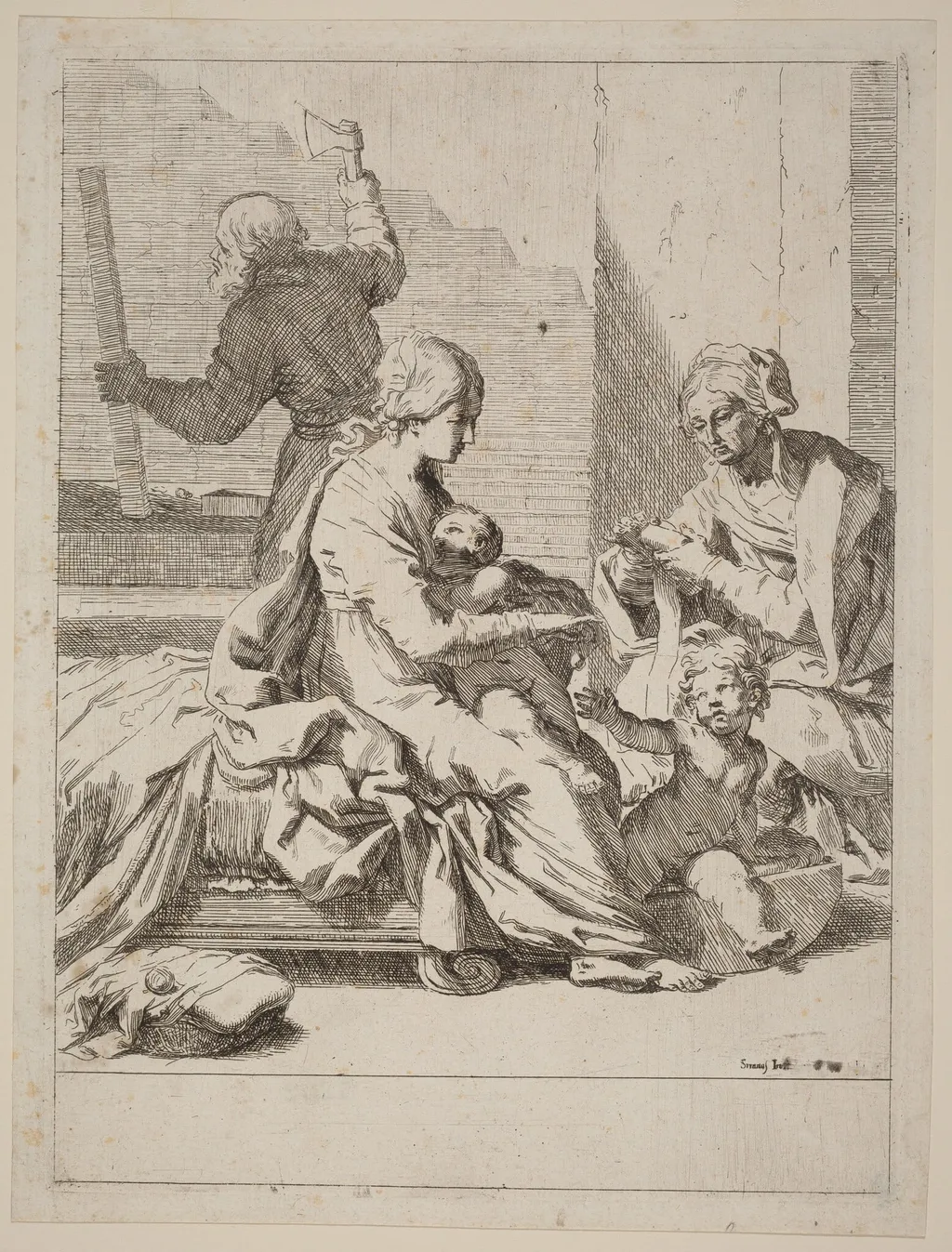
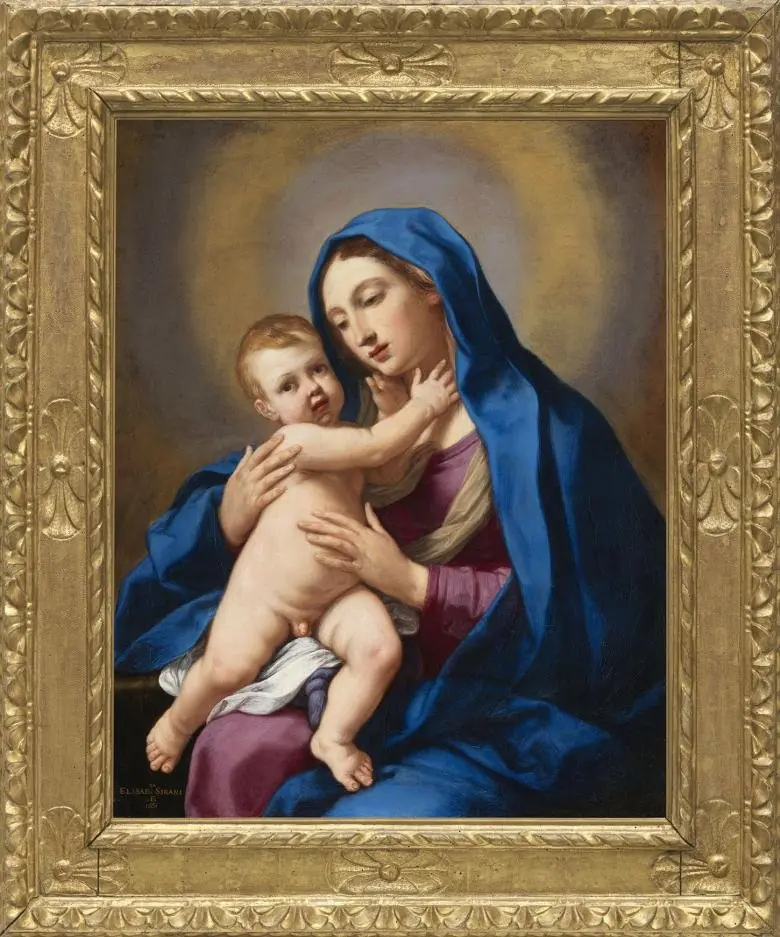
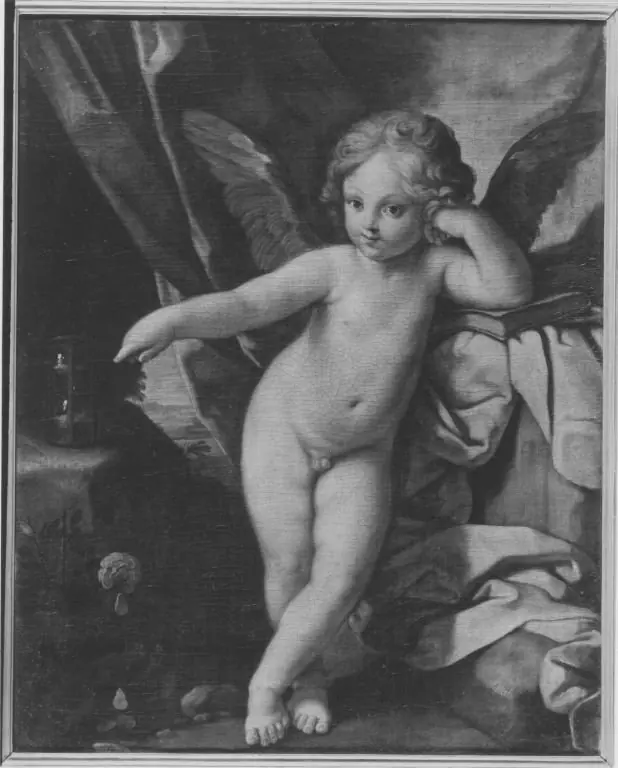
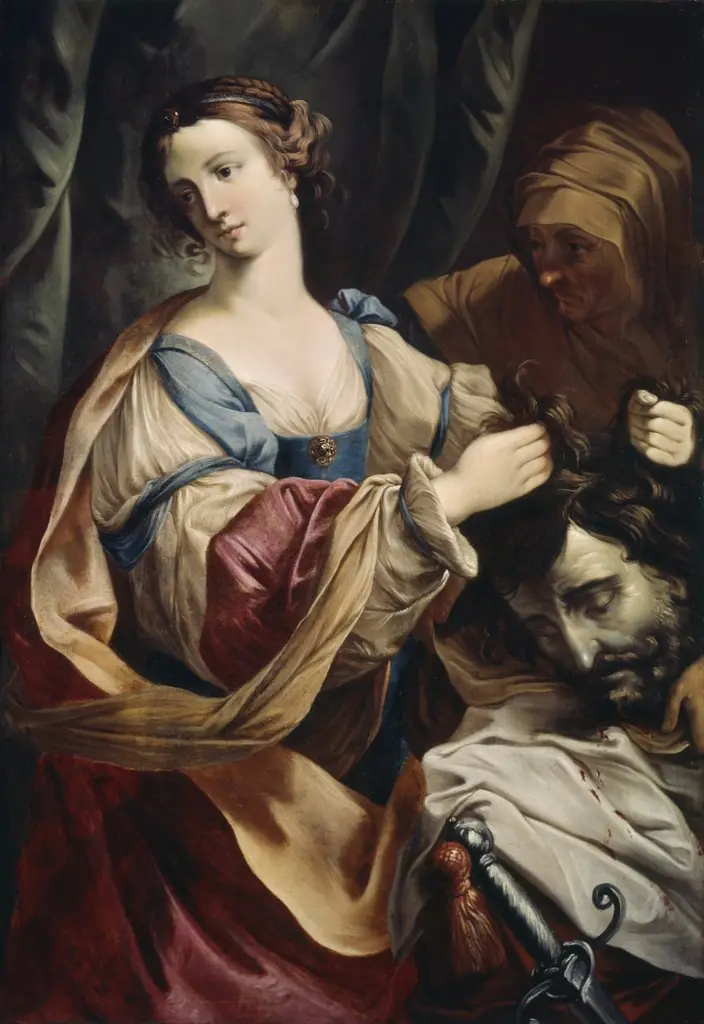
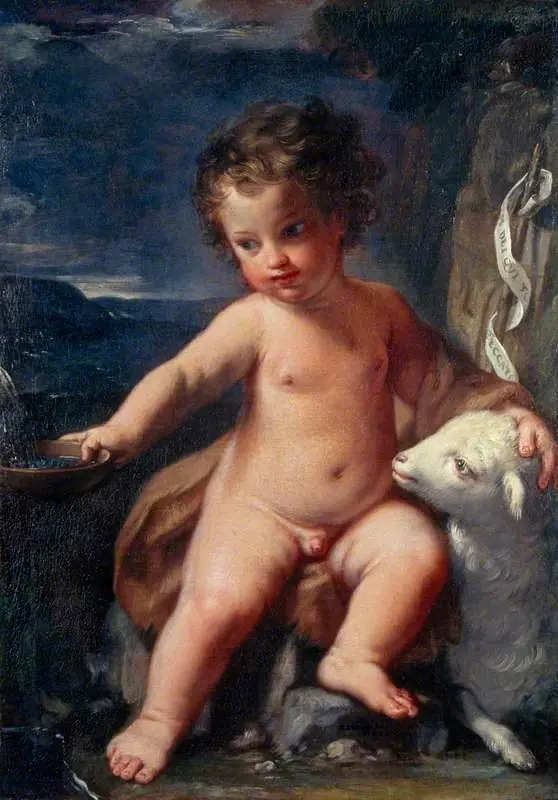
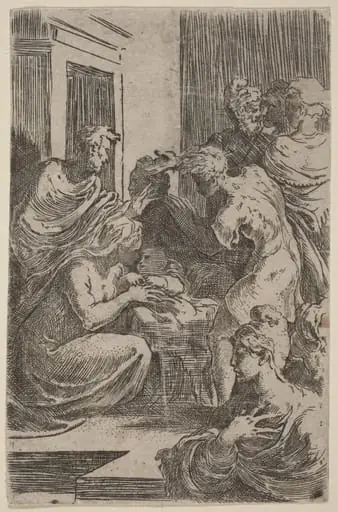
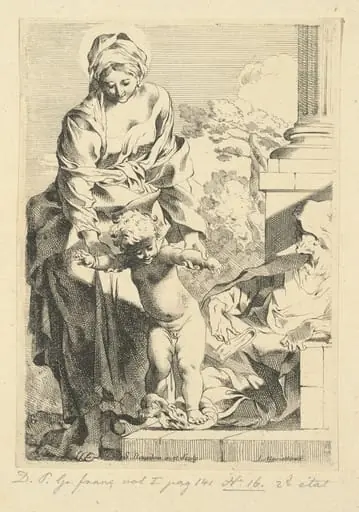
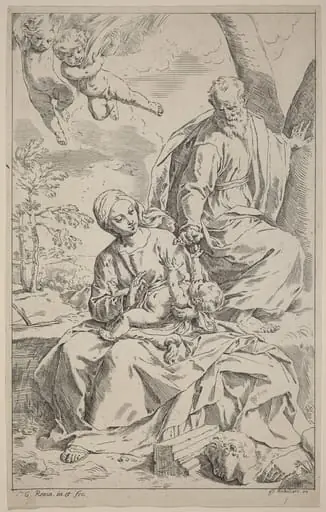
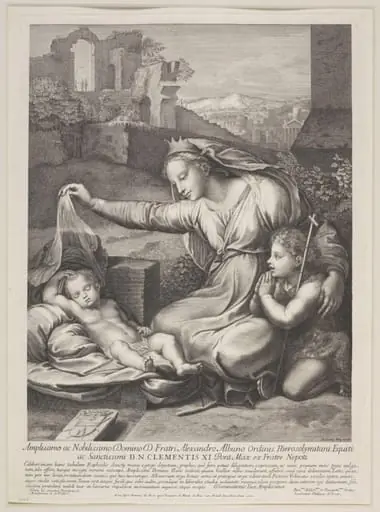
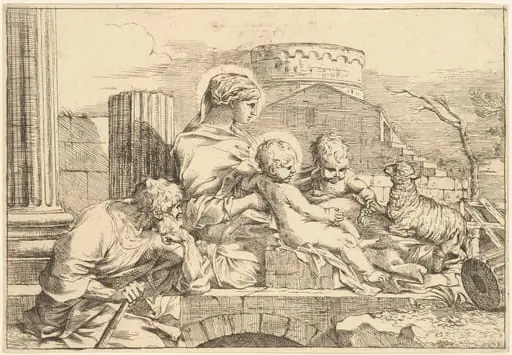
The Holy Family with Saint Elizabeth and Saint John the Baptist is an ink print by the Baroque artist Elisabetta Sirani. It dates from 1655 and is held in the collection of the National Gallery of Art.
About this work
Overview
As one of the few female artists of her time to gain professional recognition in Bologna, Sirani produced both large-scale paintings and intimate prints.
Created around 1655 by Elisabetta Sirani, this etching on laid paper presents a devotional scene of the Holy Family alongside Saint Elizabeth and the young John the Baptist. As one of the few female artists of her time to gain professional recognition in Bologna, Sirani produced both large-scale paintings and intimate prints. This work exemplifies her skill in printmaking, translating the emotional warmth of religious subjects into a finely detailed monochrome format.
Subject & Meaning
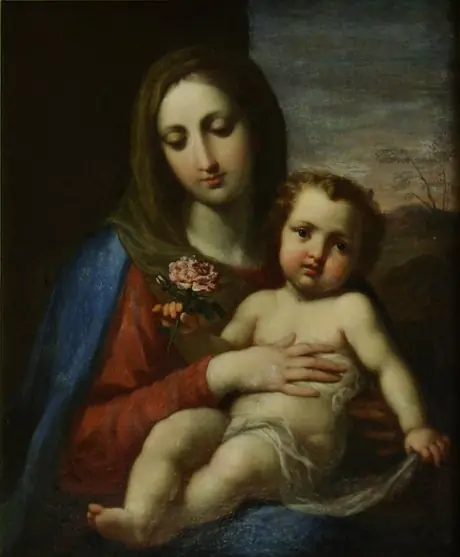
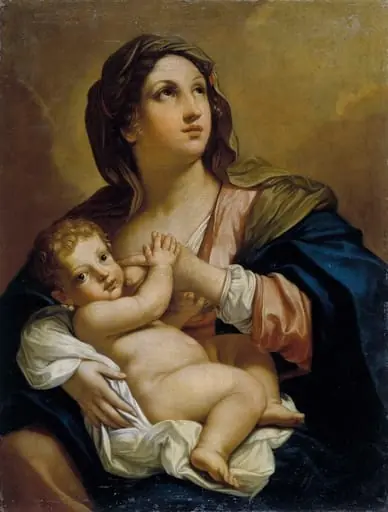
The composition centers on familial tenderness within a sacred context: the Virgin Mary holds the infant Jesus, while Saint Elizabeth, seated, cradles the young John the Baptist. The children reach toward one another, suggesting a prefigured spiritual bond. The scene avoids grandeur in favor of quiet intimacy, aligning with Counter-Reformation ideals that emphasized personal devotion and the humanity of sacred figures.
Technique & Style
Sirani employed etching to achieve subtle tonal gradations and fluid line work. Delicate hatching defines the folds of fabric and the soft contours of faces, while the background is minimized with a simple curtain and column to direct focus. The figures are rendered with naturalistic drapery and gentle expressions, conveying movement and emotional resonance without theatricality. The medium allowed for both precision and expressive spontaneity.
History & Provenance
The print was made during Sirani’s active years in Bologna, a center of artistic innovation and religious patronage. Though few of her prints survive in large numbers, this work reflects her role in producing devotional imagery for private collectors. Its survival in institutional collections suggests early appreciation for her technical mastery and the accessibility of her religious subjects in printed form.
Context
In mid-17th-century Bologna, women artists were rare in public commissions, yet Sirani operated a successful studio and trained numerous pupils. Her etchings, like this one, catered to a growing market for domestic religious art. The subject matter—familiar from painting traditions—was adapted for intimate viewing, reflecting broader trends in Counter-Reformation piety that favored personal connection over public spectacle.
Legacy
Sirani’s etching contributed to the legitimization of women as skilled printmakers in a male-dominated field. Her ability to convey emotional depth through line and tone influenced later generations of artists, particularly in Bologna. Though overshadowed in later centuries, her prints remain significant as both artistic achievements and historical markers of female professional agency in early modern Italy.
Artist & collection

Artist
Elisabetta Sirani (8 January 1638 – 28 August 1665) was an Italian Baroque painter and printmaker who died in unexplained circumstances at the age of 27.