Artwork
Virgin and Child
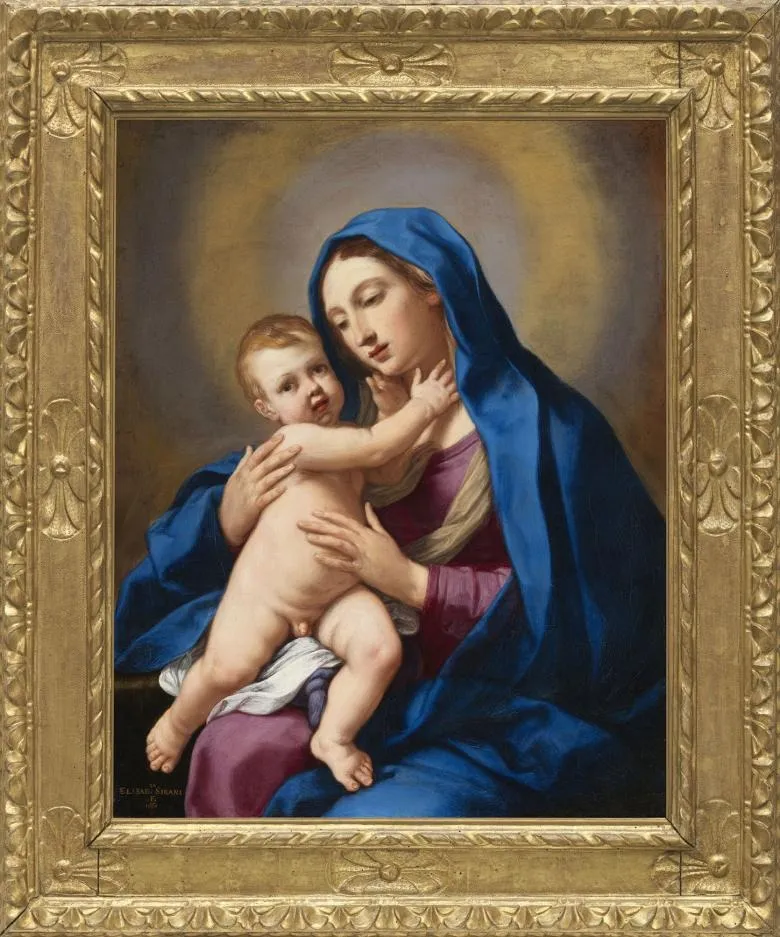
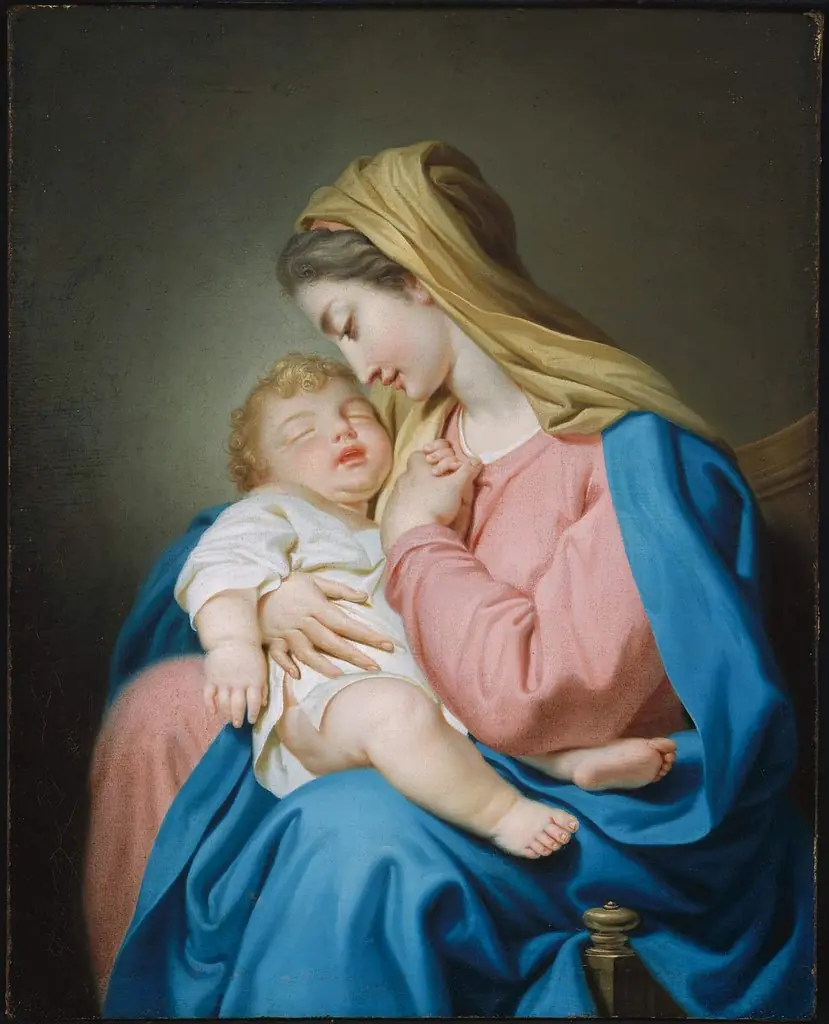
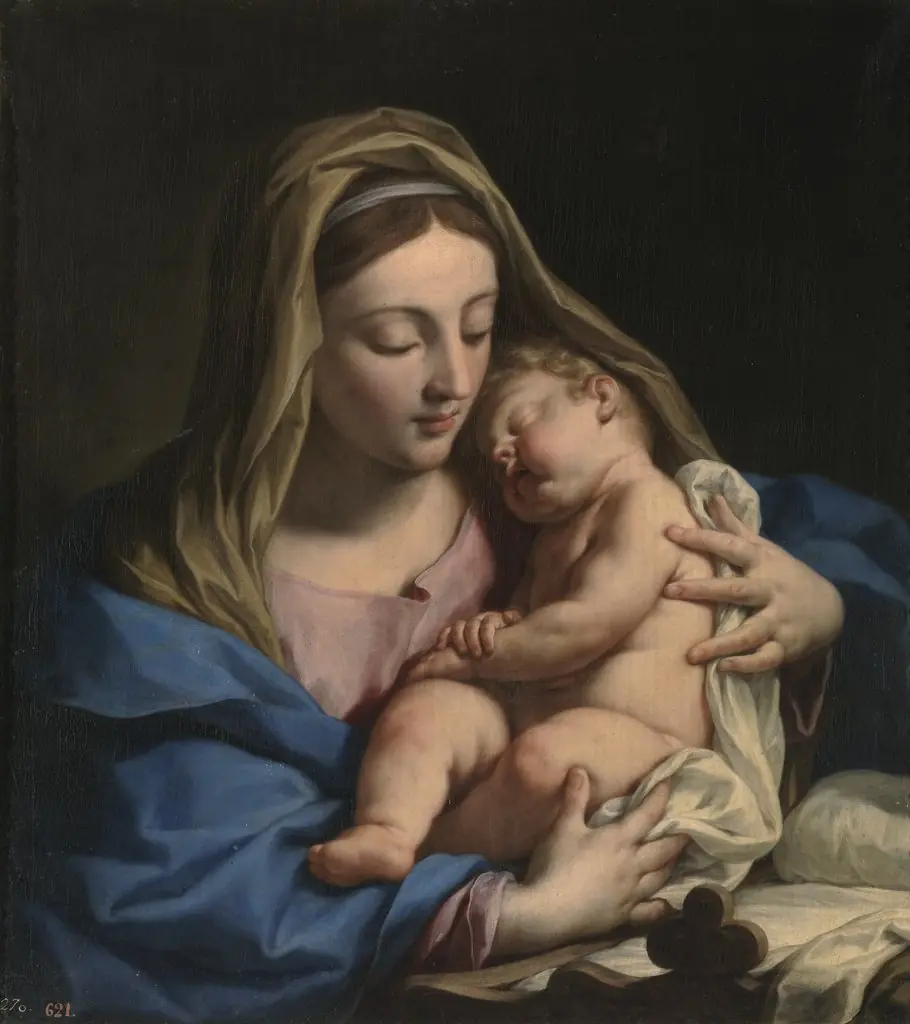
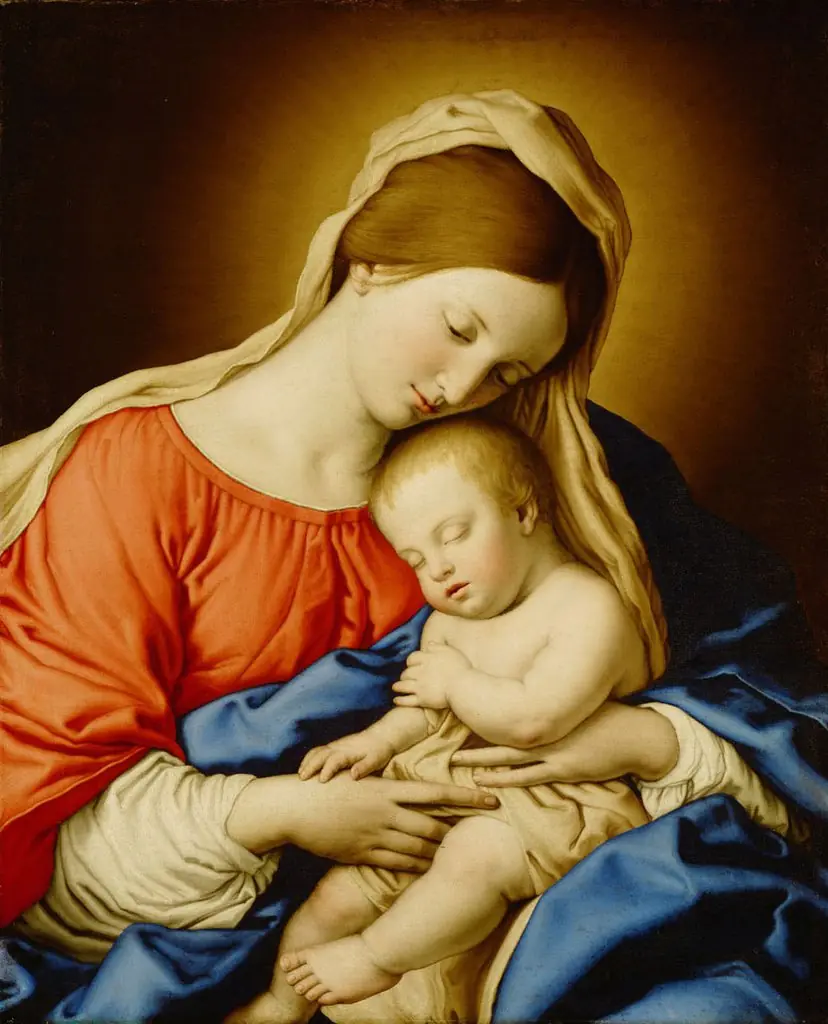
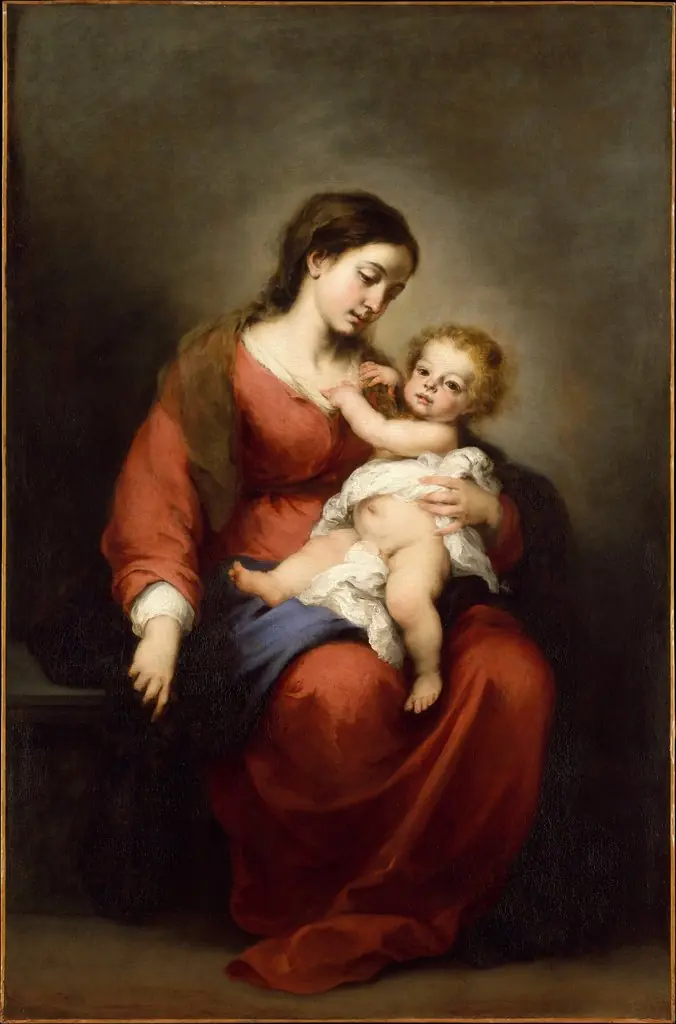
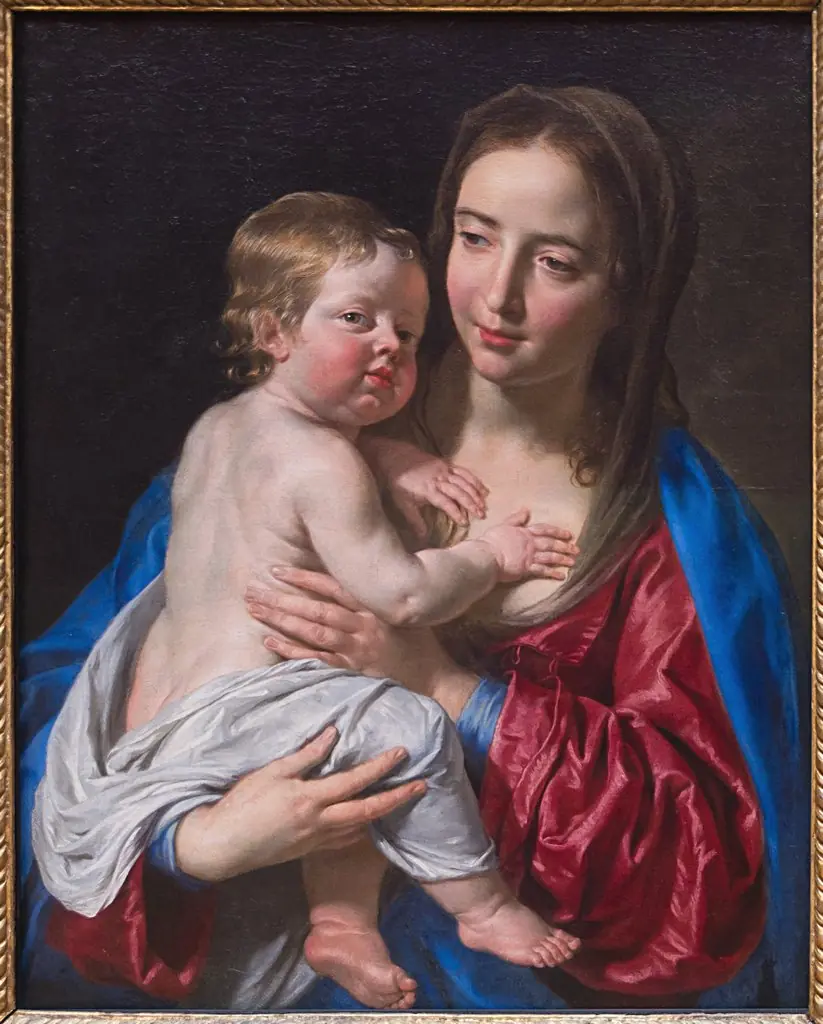
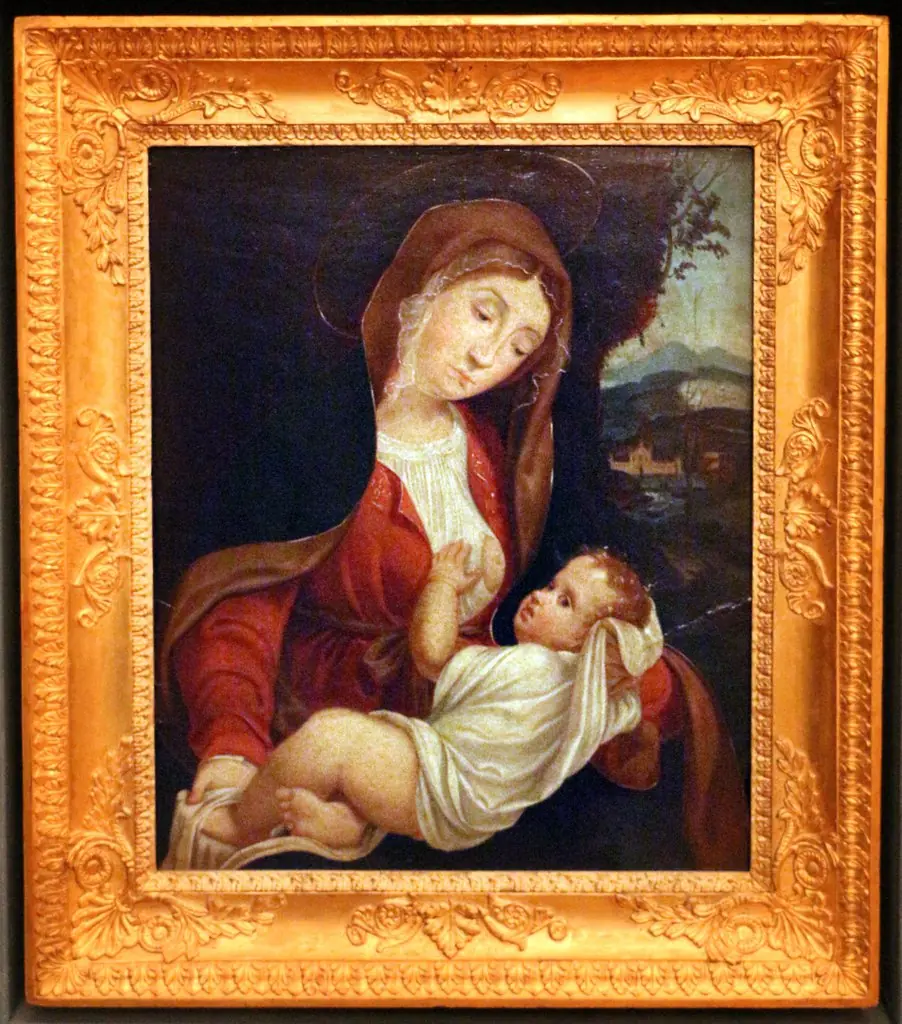
Virgin and Child is an oil painting by the Early Baroque Italian artist Elisabetta Sirani. It dates from 1660 and is held in the collection of the National Gallery of Ireland.
About this work
Overview
It is now part of the National Gallery of Ireland’s collection, representing one of her few surviving intimate religious compositions.
Elisabetta Sirani completed this oil painting in 1660, shortly before her death at age twenty-seven. A leading figure among early modern women artists in Bologna, she produced devotional works for both church and private patrons. The painting portrays the Virgin Mary with the infant Jesus, rendered in the stylistic language of early Baroque Italy. It is now part of the National Gallery of Ireland’s collection, representing one of her few surviving intimate religious compositions.
Subject & Meaning
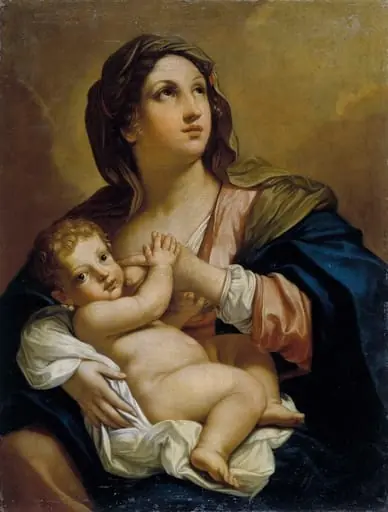
The Virgin Mary cradles the Christ Child with quiet tenderness, her gaze lowered in contemplation while the child looks directly outward, establishing a visual connection with the viewer. The composition emphasizes maternal care and divine presence, common themes in Counter-Reformation devotional art. The child’s direct gaze invites personal reflection, reinforcing the intimate relationship between the sacred figures and the faithful observer.
Technique & Style
Sirani employed soft modeling and controlled chiaroscuro to define the forms of the figures against a dim, textured background. Warm tones in the Virgin’s pink robe and the child’s skin contrast with the cool blue of her veil, enhancing spatial depth. The halo of light behind her head is rendered subtly, avoiding overt symbolism in favor of naturalistic luminosity. The white cloth wrapping the child adds a tactile contrast to the smoothness of flesh and fabric.
History & Provenance
Painted in Bologna in 1660, the work likely originated as a private devotional piece, given its scale and intimate tone. Sirani’s studio produced numerous such images for domestic altars, and this painting may have been commissioned by a local patron. It entered the National Gallery of Ireland’s collection in the 20th century, having passed through private hands in Europe prior to its acquisition.
Context
Sirani worked within a Bolognese artistic tradition shaped by the Carracci and Guido Reni, adapting their naturalism for female patrons and domestic spirituality. As a woman navigating a male-dominated field, she gained recognition through prolific output and technical precision. Her religious paintings, though often modest in size, reflected the period’s emphasis on emotional accessibility in sacred imagery.
Legacy
Though Sirani’s career was cut short, her influence endured through her students and the precedent she set for women in professional art. *Virgin and Child* exemplifies her ability to convey spiritual warmth without theatricality. The painting remains a quiet testament to her skill in rendering sacred intimacy, contributing to broader recognition of women’s roles in Baroque religious art.
Artist & collection
Artist
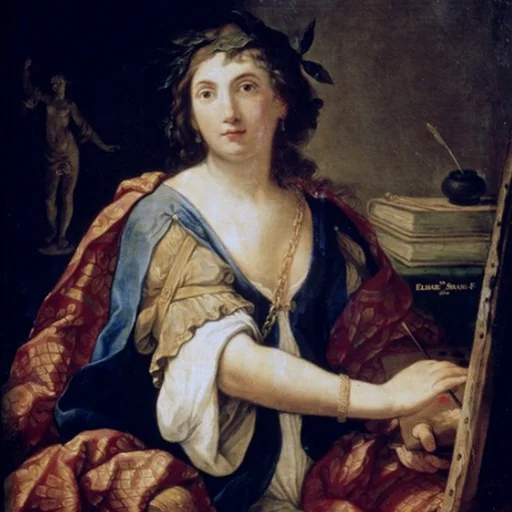
Elisabetta Sirani (8 January 1638 – 28 August 1665) was an Italian Baroque painter and printmaker who died in unexplained circumstances at the age of 27.

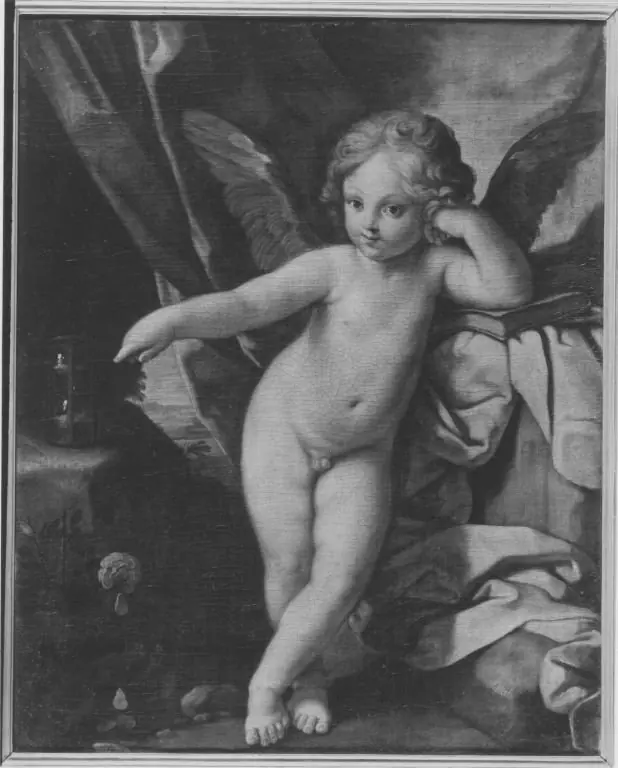 Genius of Transience
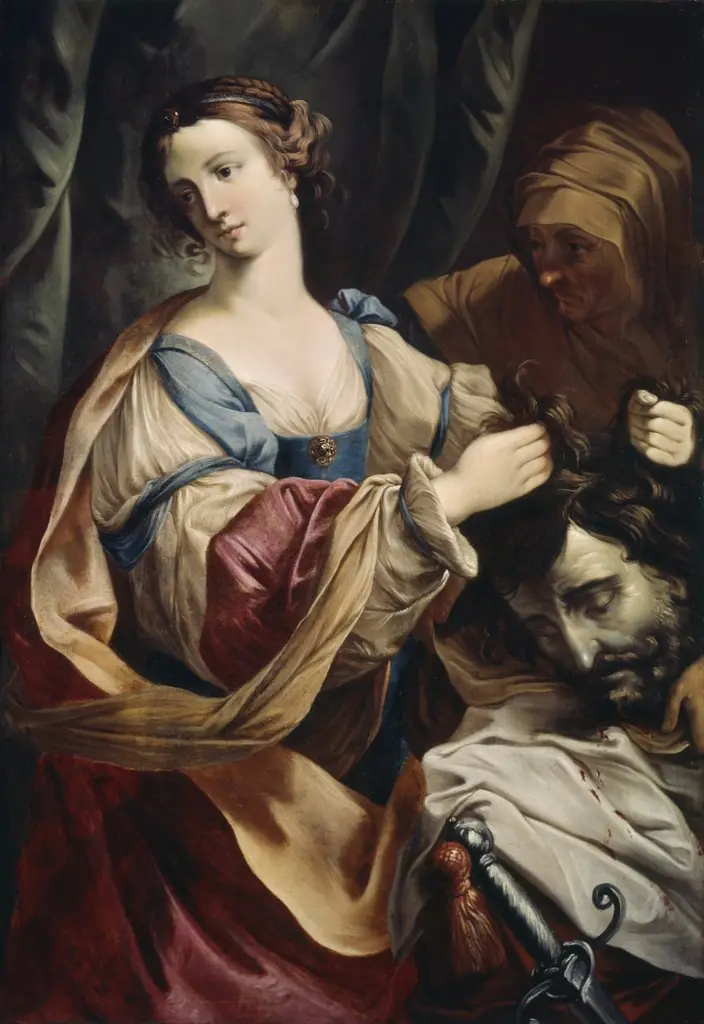 Judith with the Head of Holofernes
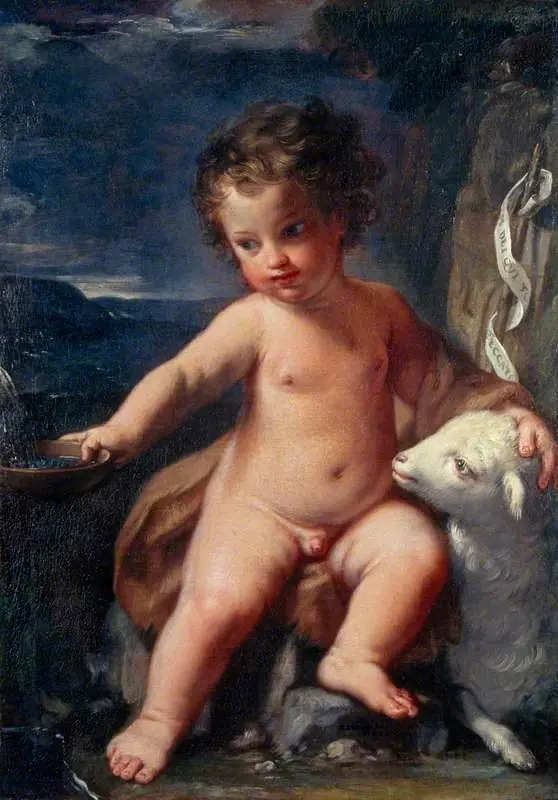 The Infant Saint John the Baptist in the Wilderness
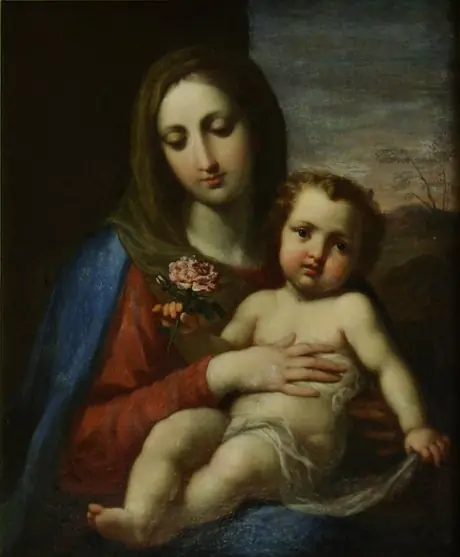 Saint mary with Jesus
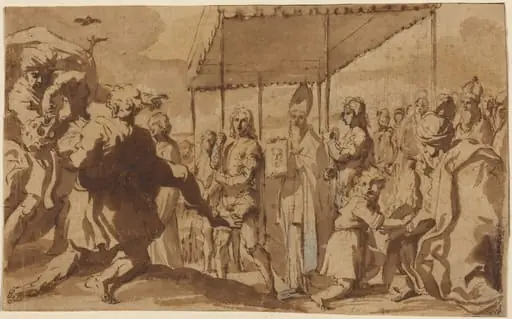 The Healing of the Possessed Boy in a Procession of the Volto Santo
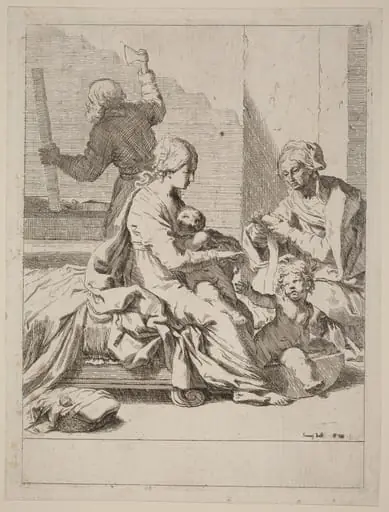 The Holy Family with Saint Elizabeth and Saint John the Baptist
 Turbaanipäinen nainen
 Neitsyt Maria ja Jeesus-lapsi