Artwork
Untitled (recto); Untitled (verso)
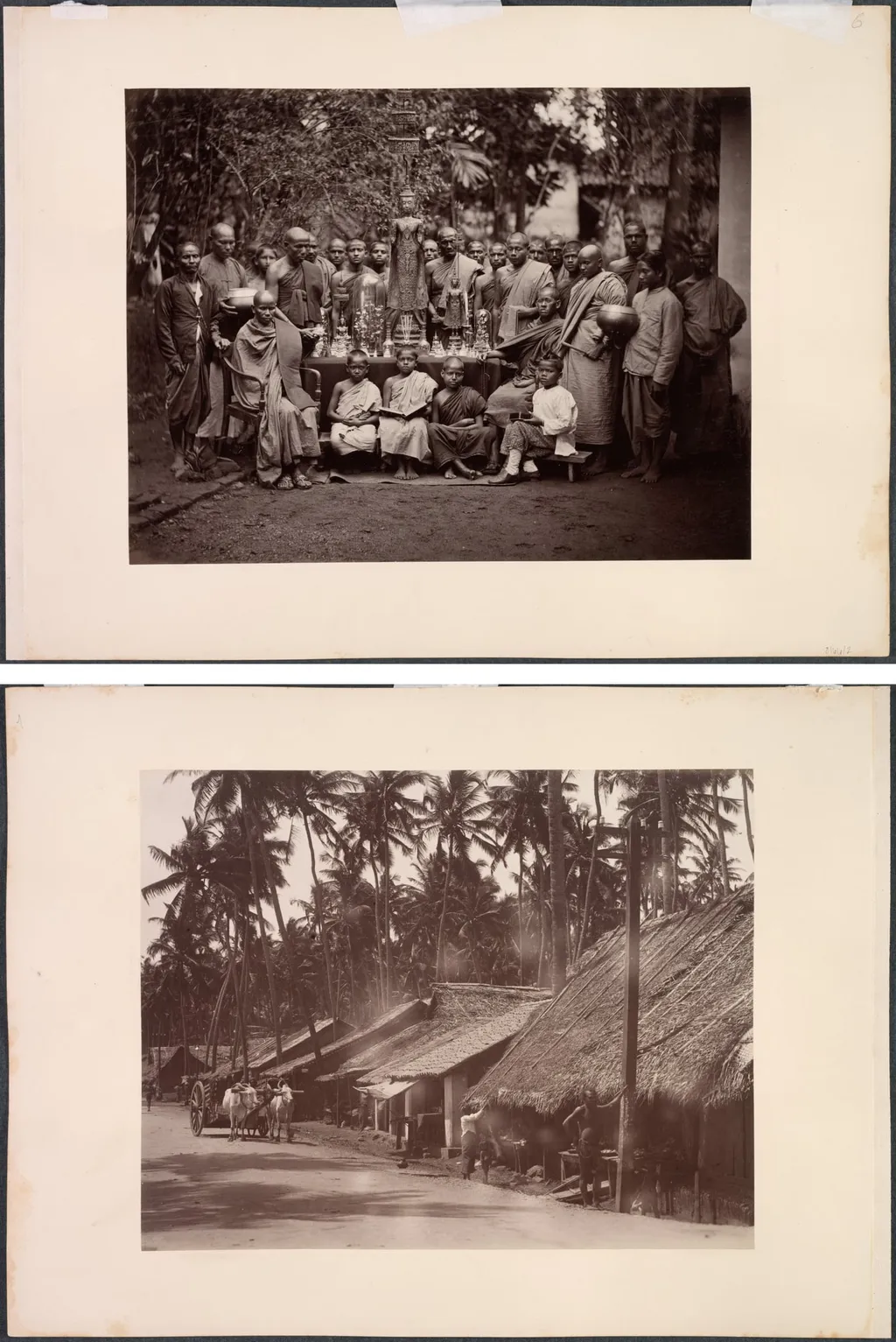
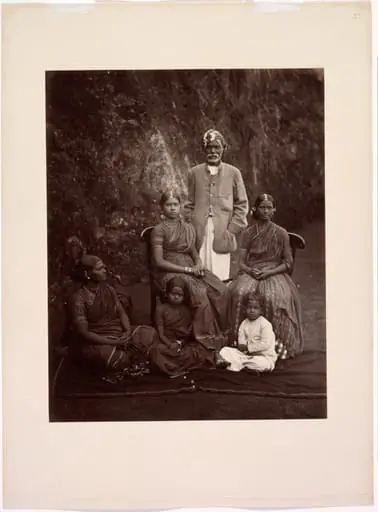
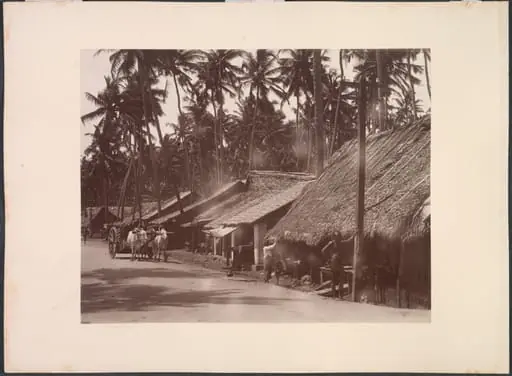
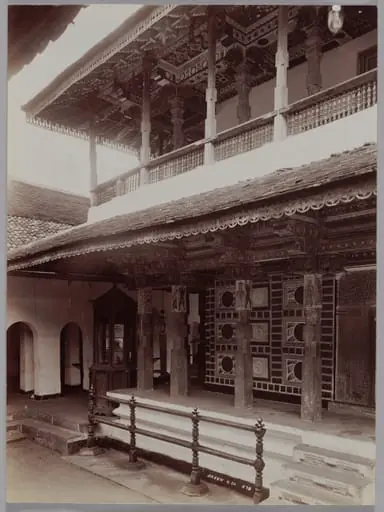
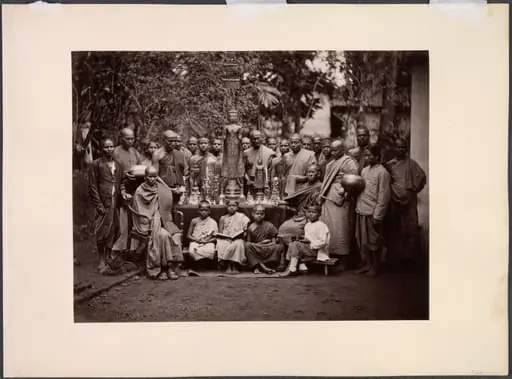
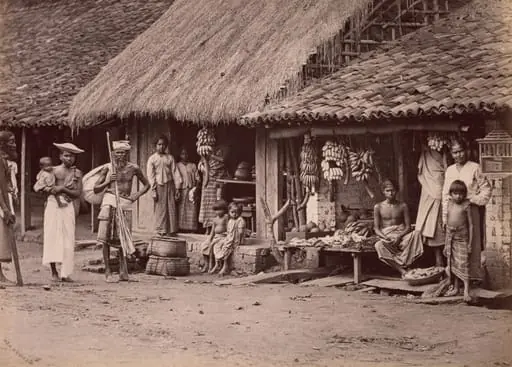
Untitled (recto); Untitled (verso) is a photography by the Impressionist artist Skeen & Co.. It dates from 1884 and is held in the collection of the Cleveland Museum of Art.
About this work
Overview
This dual-sided photograph, labeled Untitled on both recto and verso, originates from British photographic studios active in Ceylon during the colonial period.
This dual-sided photograph, labeled Untitled on both recto and verso, originates from British photographic studios active in Ceylon during the colonial period. It presents two men in Western attire, posed formally against a studio backdrop. Though the subjects appear to be European residents, the image was produced as part of a broader ethnographic project aimed at documenting local populations, not capturing personal identities.
Subject & Meaning
The two men depicted are likely British colonial officials or merchants residing in Ceylon. Their presence in the photograph serves not as a portrait of individuals but as a contextual anchor for ethnographic representation. The image was intended to frame local customs and labor through a colonial lens, positioning the sitters as representatives of authority overseeing the cultures being documented.
Technique & Style
The photograph employs the formal conventions of 19th-century studio portraiture: even lighting, neutral background, and direct gaze. The subjects’ stiff posture and tailored clothing reflect European norms, contrasting with the ethnographic intent of the series. The technical precision suggests professional studio production, typical of firms catering to colonial administrative and tourist markets.
History & Provenance
Produced by one of several British photographic firms operating in Ceylon, the image was part of a commercial and scientific effort to catalog local populations. It circulated among colonial officials, tourists, and European collectors as a visual artifact of imperial knowledge. Its survival in The Cleveland Museum of Art’s collection reflects its later acquisition as a historical document rather than a personal keepsake.
Context
During the colonial era, photographs of South and Southeast Asian communities were often staged outdoors due to technical limitations indoors, such as insufficient light in temple interiors. This image, though set in a studio, aligns with that practice by using Western dress to imply cultural hierarchy. The subjects’ identity was secondary to their role in reinforcing colonial narratives of order and observation.
Legacy
The photograph endures as evidence of how colonial visual culture constructed identity through representation. It reveals the disconnect between the subjects’ lived realities and the roles assigned to them by the camera. Today, it is studied not for its subjects’ individuality, but for what it discloses about power, perception, and the construction of cultural difference in imperial visual archives.
Artist & collection