Artwork
Lääkärin muotokuva
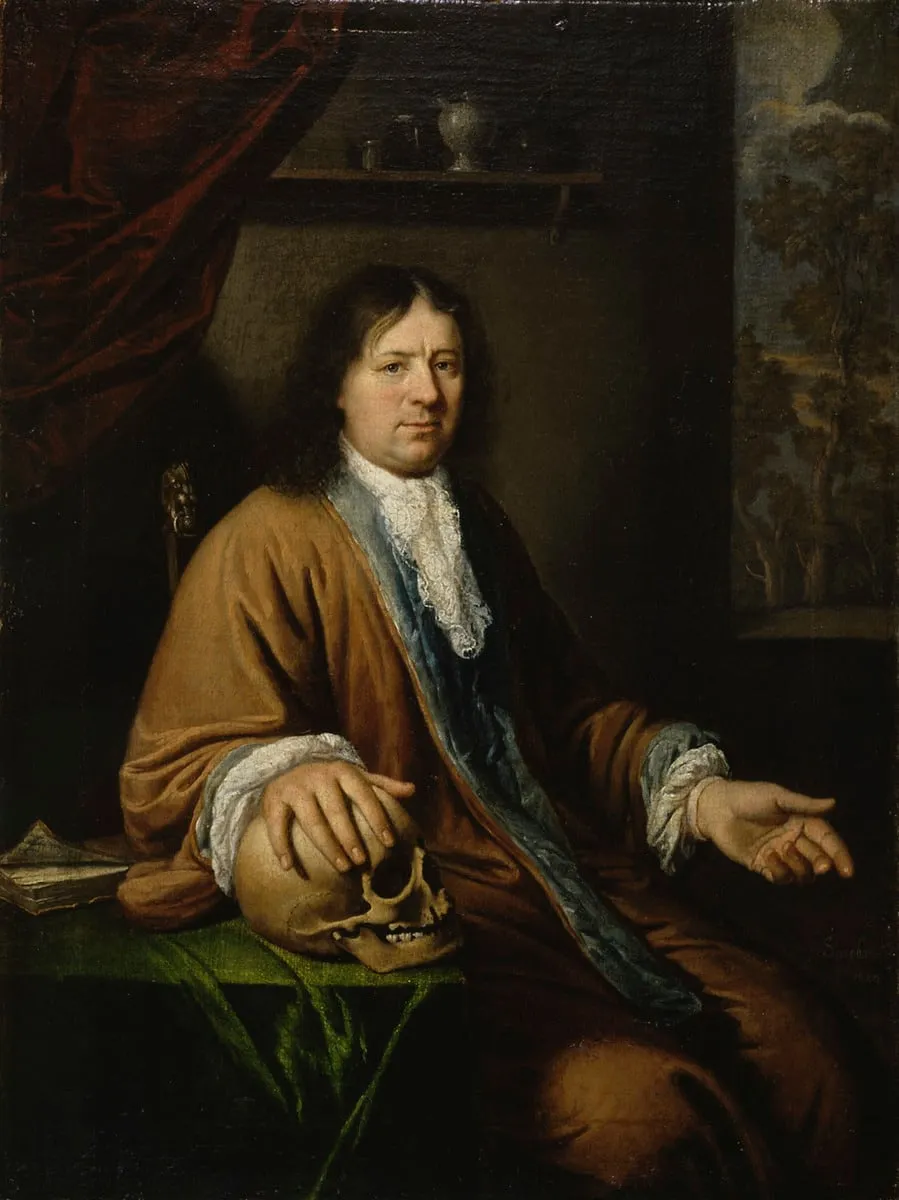
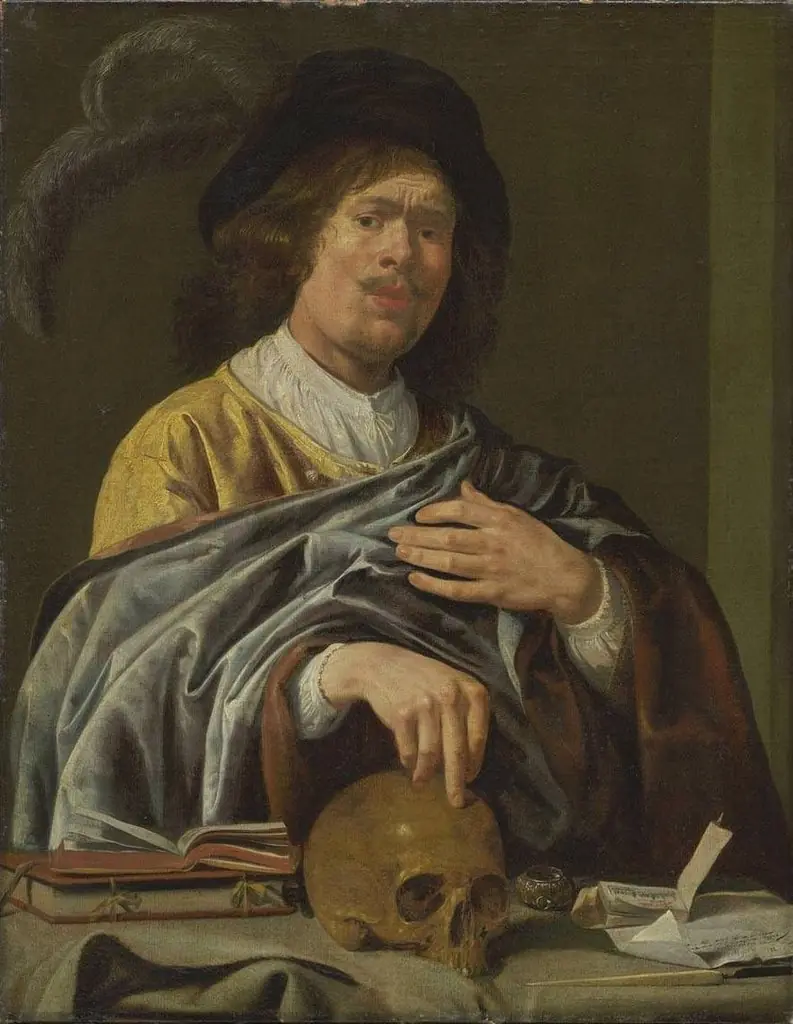
Lääkärin muotokuva is an unspecified painting by Abraham de Snaphaen. It is held in the collection of the Finnish National Gallery. This portrait depicts a seated male figure rendered in oil on canvas.
About this work
Overview
This portrait depicts a seated male figure rendered in oil on canvas.
This portrait depicts a seated male figure rendered in oil on canvas. The subject’s sober expression and formal attire—comprising a brown robe, blue vest, and white lace shirt—suggest an individual of scholarly or professional standing. A human skull placed prominently on the table reinforces themes of mortality and intellectual inquiry, while the subdued lighting and dark background enhance the composition’s gravity.
Subject & Meaning
The painting presents a figure likely associated with medicine or academia, identifiable by his attire and the symbolic inclusion of a skull. Such imagery, common in European portraiture of the period, often alluded to the transience of life and the contemplation of death. The extended right hand may signify discourse or instruction, while the left hand’s placement on the skull underscores a meditation on human frailty.
Technique & Style
The artist employs chiaroscuro to model the figure’s form, using stark contrasts between illuminated areas and deep shadows to create volumetric depth. Brushwork appears controlled, with meticulous attention to fabric textures and lace details. The dark, neutral background directs focus toward the subject, while the red curtain introduces a subtle chromatic accent, balancing the composition’s tonal severity.
History & Provenance
Details regarding the painting’s commission, early ownership, and attribution remain undocumented. Its stylistic characteristics align with European portrait conventions of the 17th or early 18th century, though specific provenance records are absent. The work’s preservation suggests it was valued sufficiently to survive, though its trajectory through collections prior to modern documentation is unclear.
Context
Portraits featuring skulls or memento mori motifs were prevalent in European art during periods marked by high mortality rates, such as the Renaissance and Baroque eras. Such works often served as reminders of life’s brevity, particularly among educated or affluent classes. The inclusion of scholarly or medical figures in these compositions reflected contemporary intersections between intellectual pursuit and existential reflection.
Artist & collection
Artist
Abraham de Snaphaen was a Dutch painter who loved painting people exactly as they were, no flattery added.

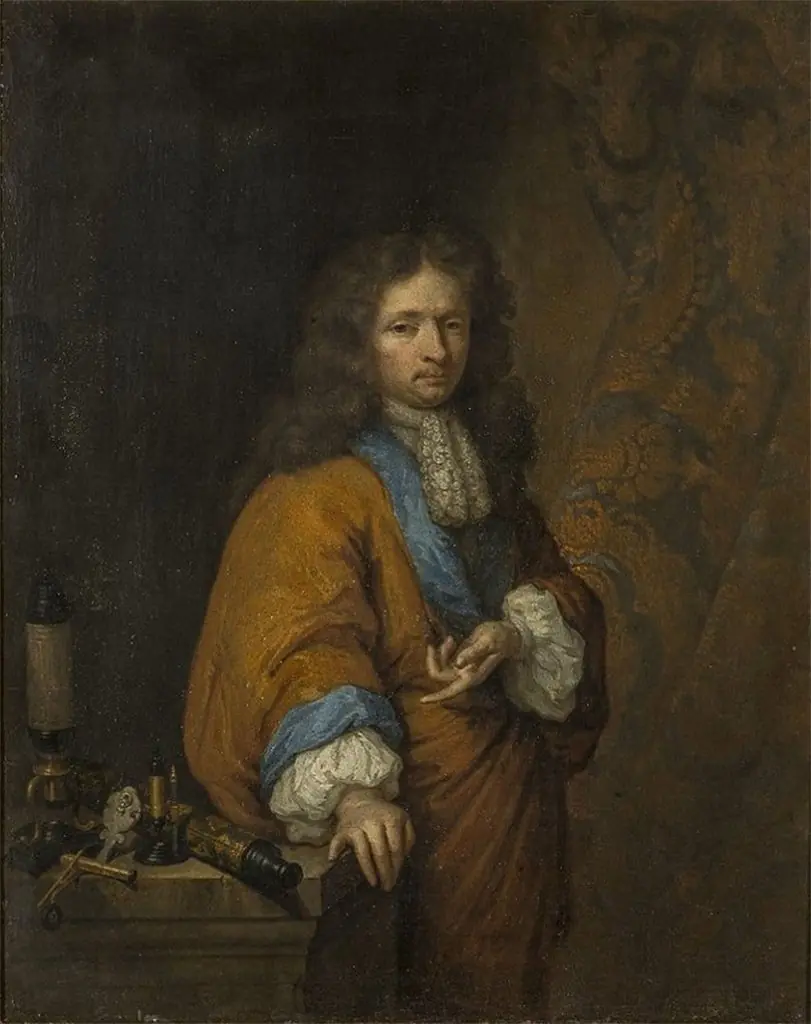 Portrait of a Scholar
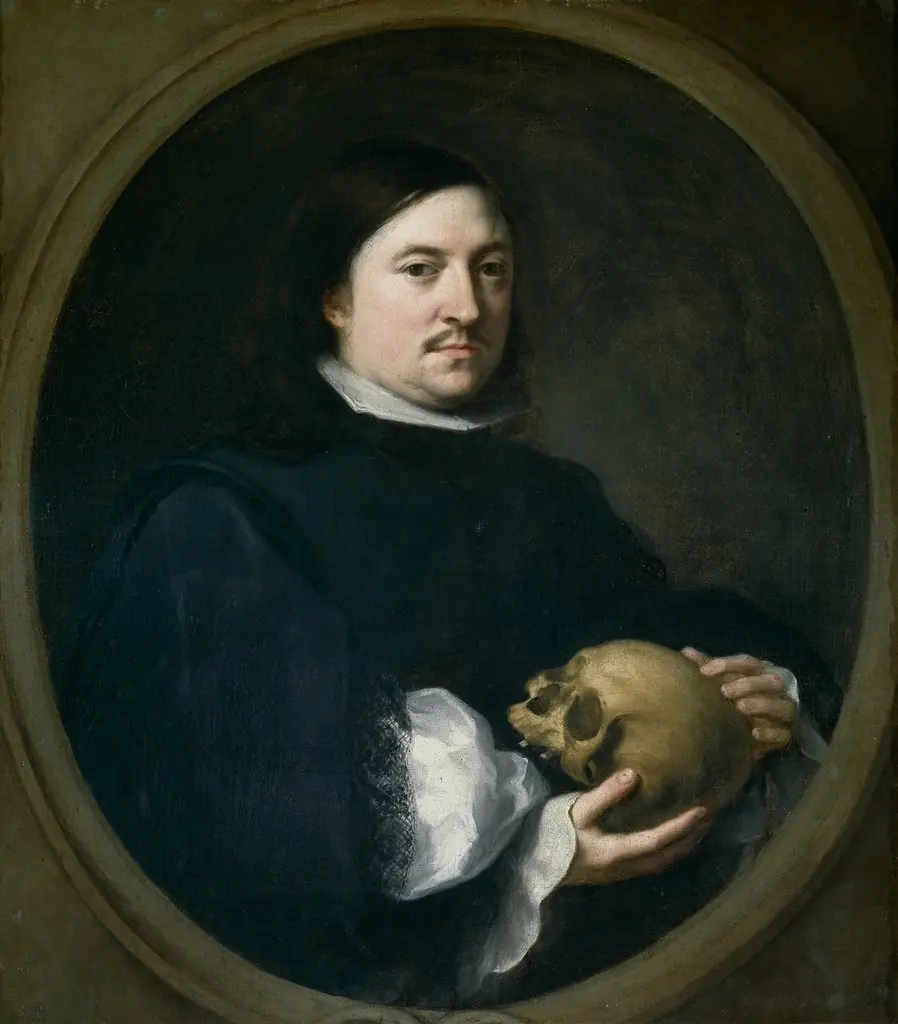 Nicolás Omazur
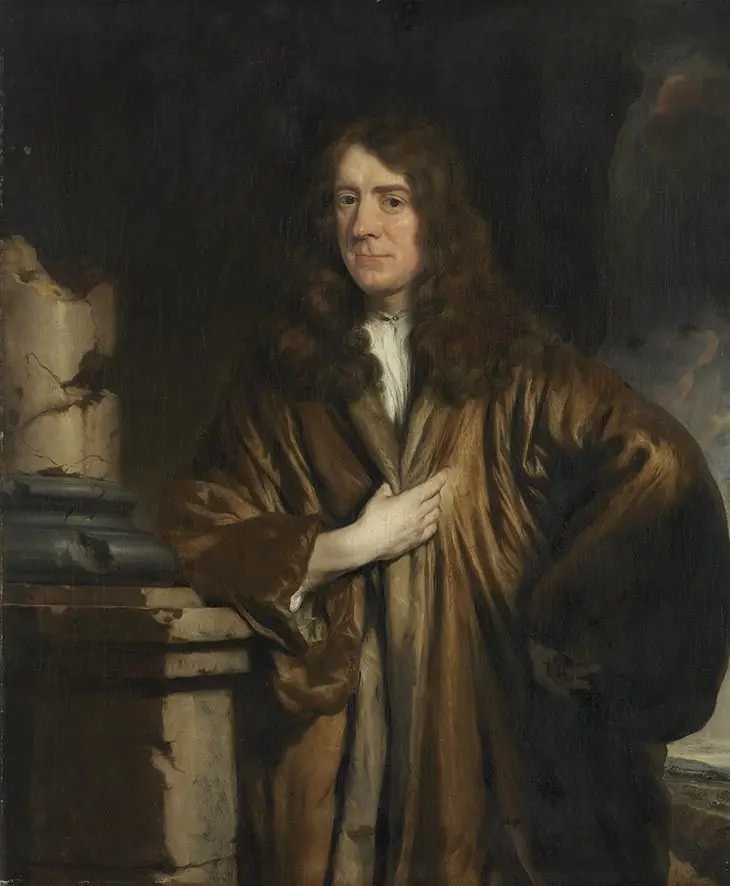 Portrait of a 42-year-old man
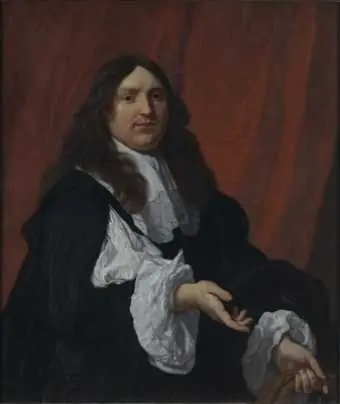 Portrait of a Man, 1664
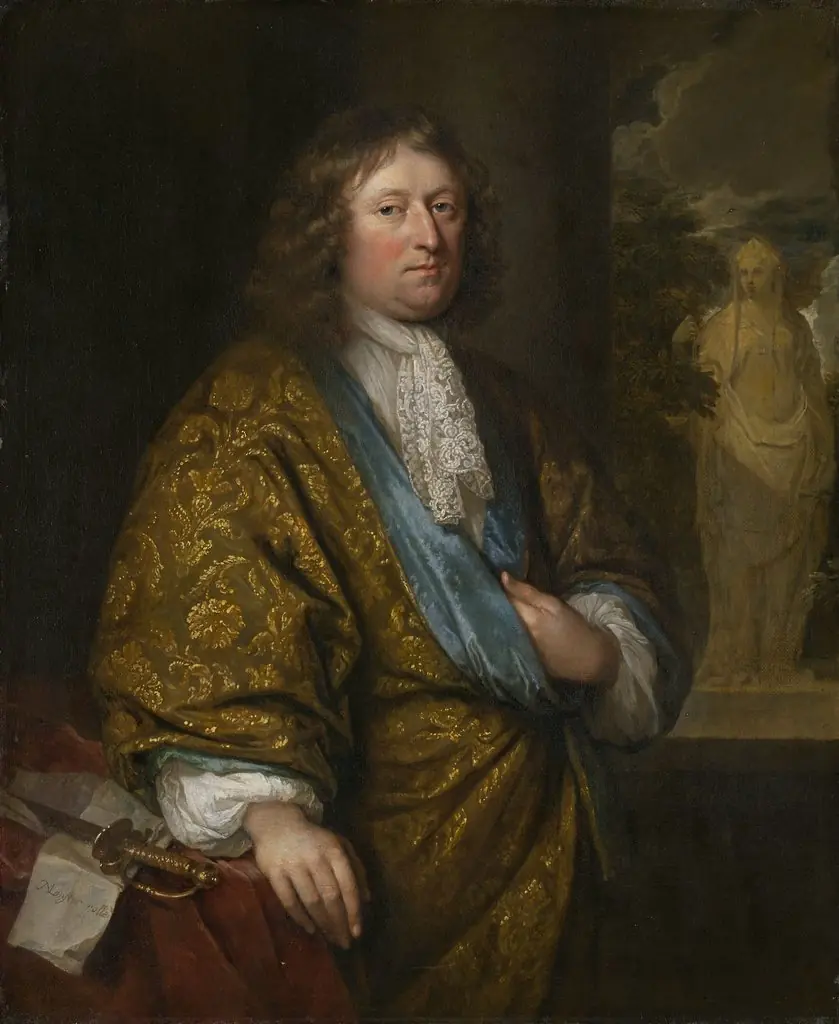 Portrait of a Gentleman
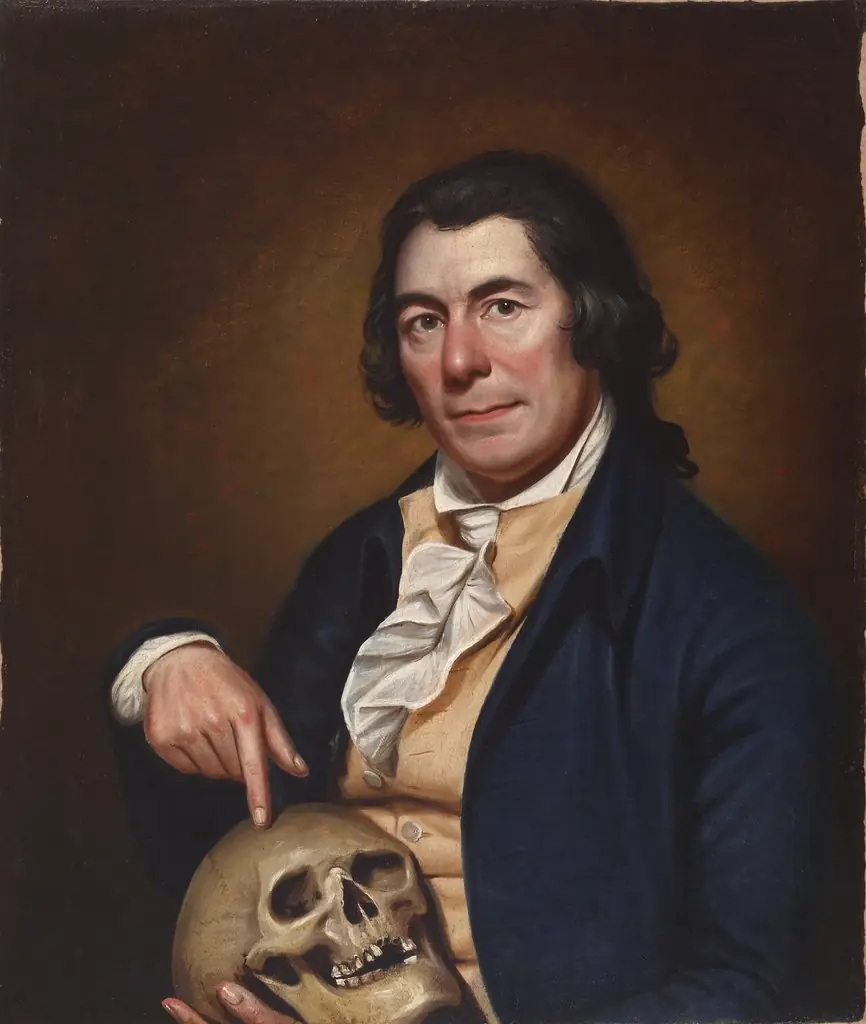 Portrait of Dr. Meer
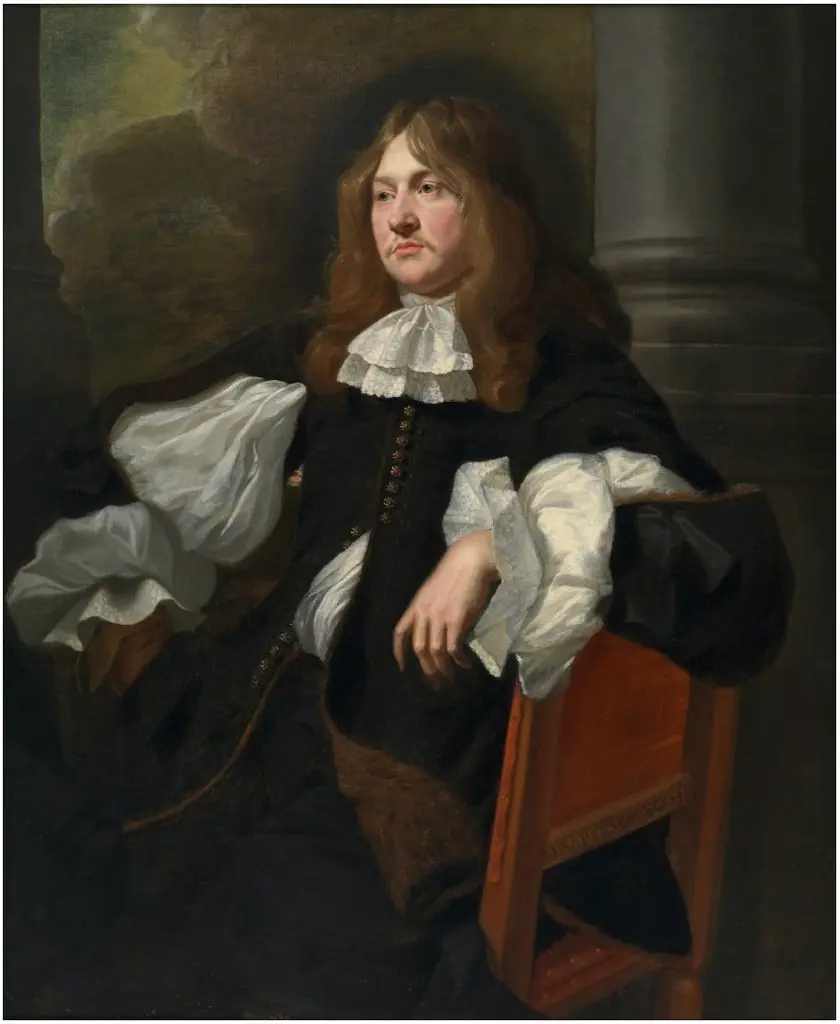 Portrait of Edward Hyde
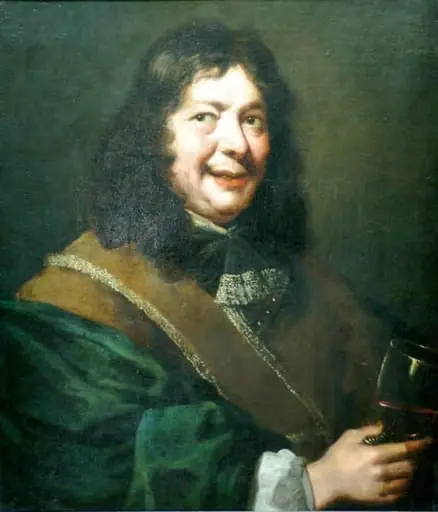 Bărbat cu pocal - Borgraful din Utrecht
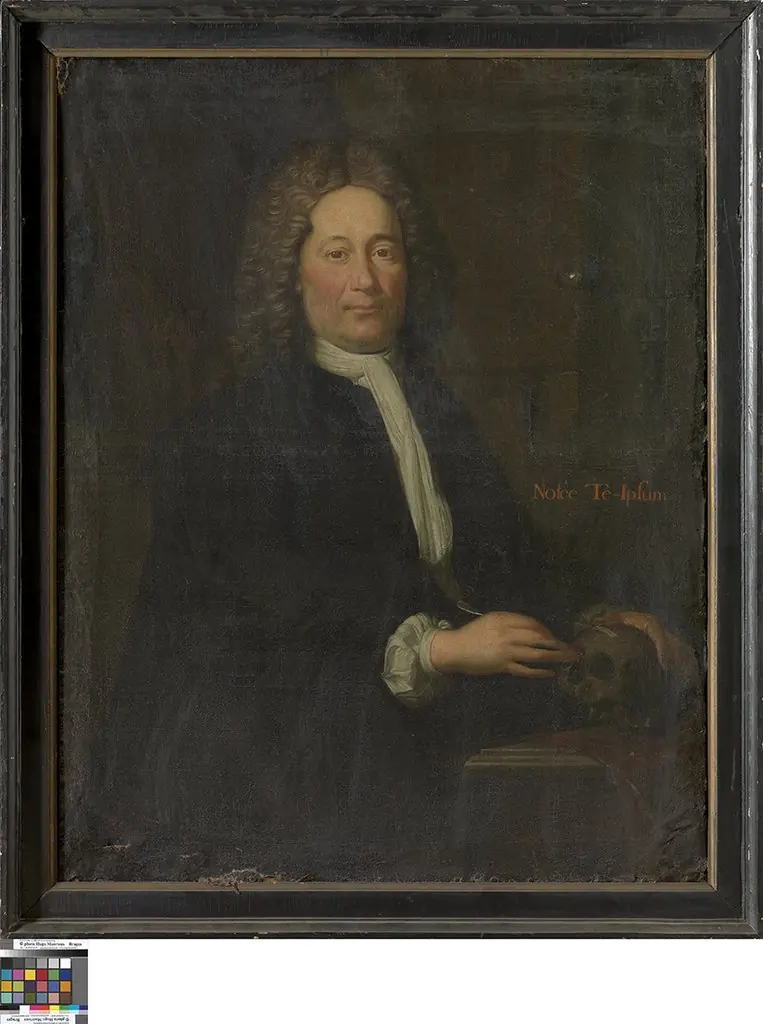 Portret van Jacques Lanbiot
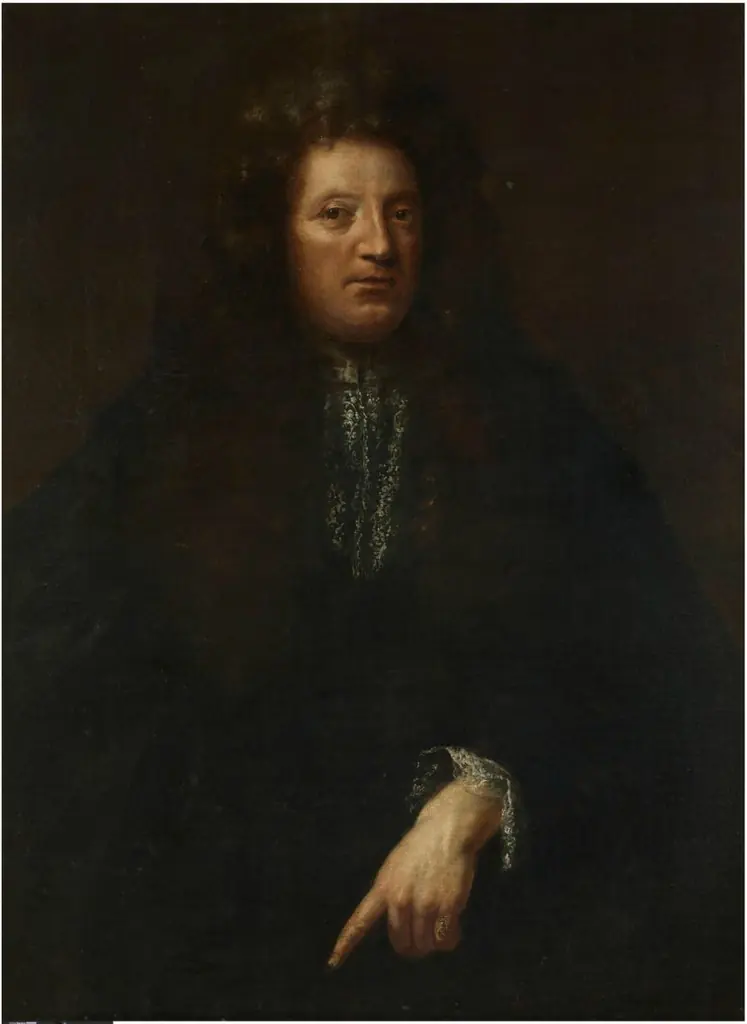 Jan Karel Nicolaas van Hove, Dean of the Guild of Saint Luke
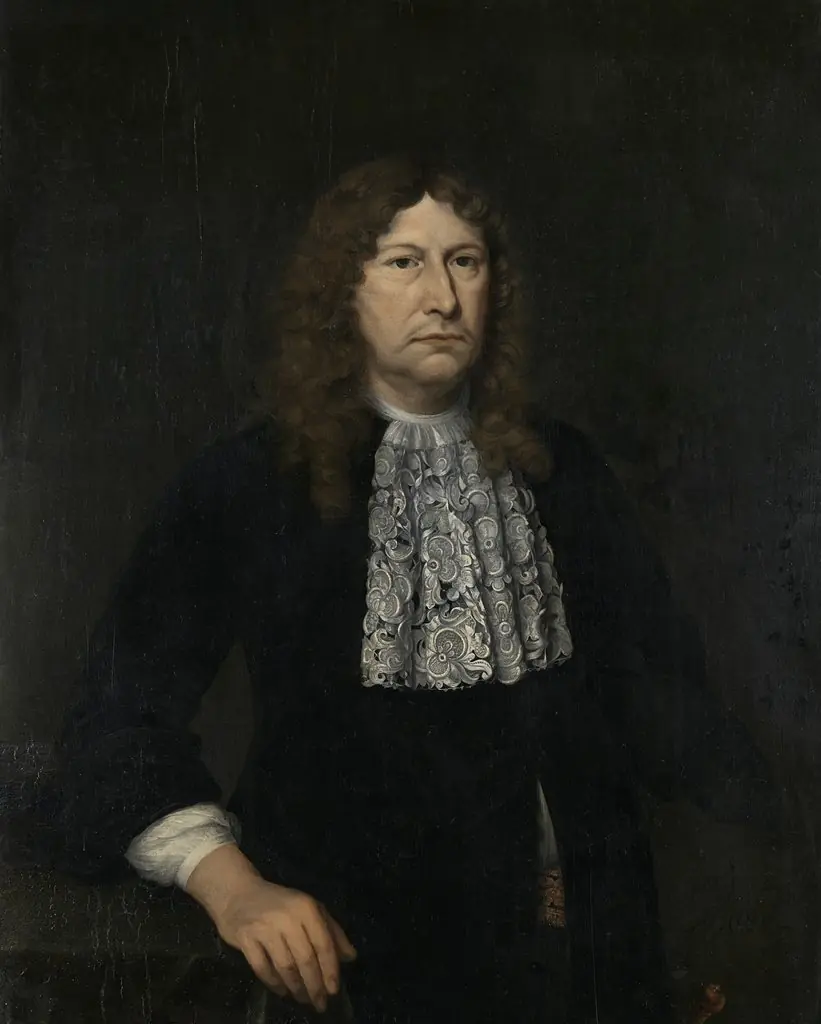 Portrait of Johannes Camphuys (1634-95). Gouverneur-generaal (1684-91)
 Self-portrait with a Skull