Artwork
Cariera de piatră
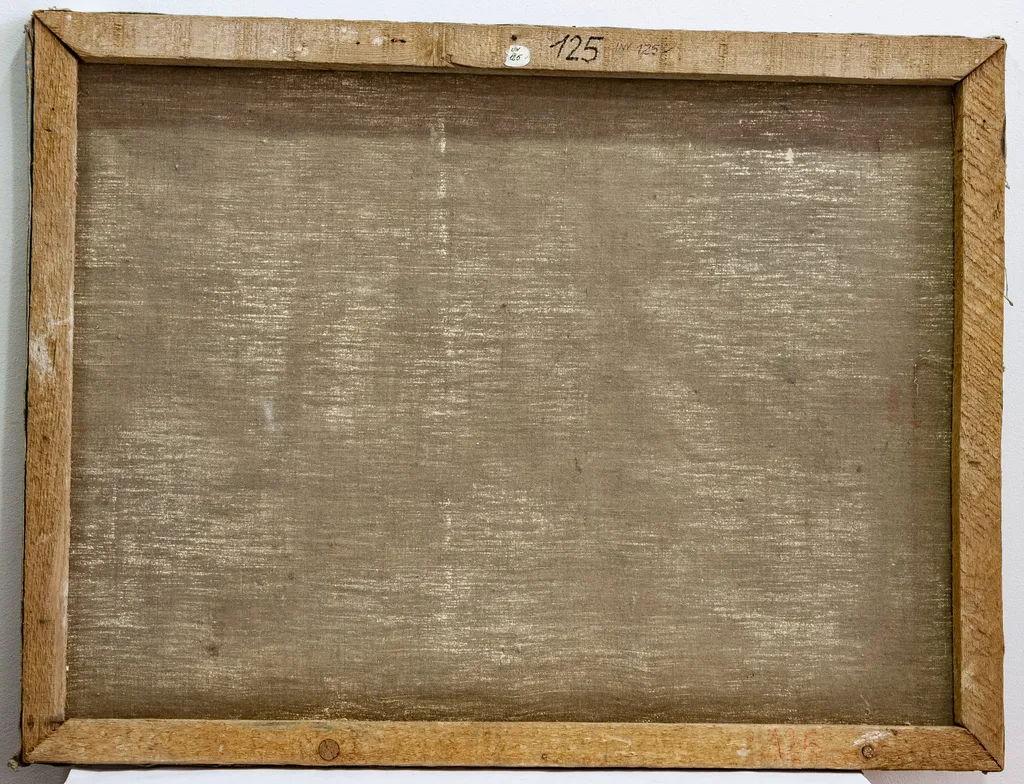
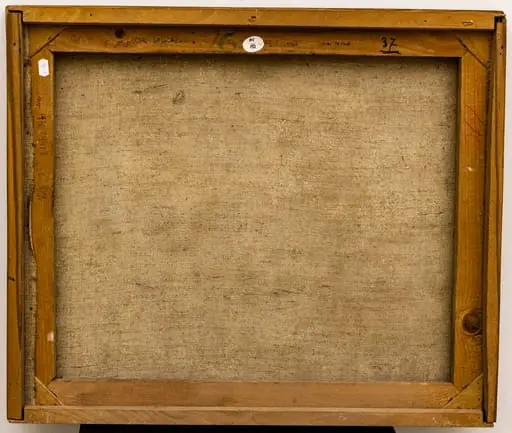
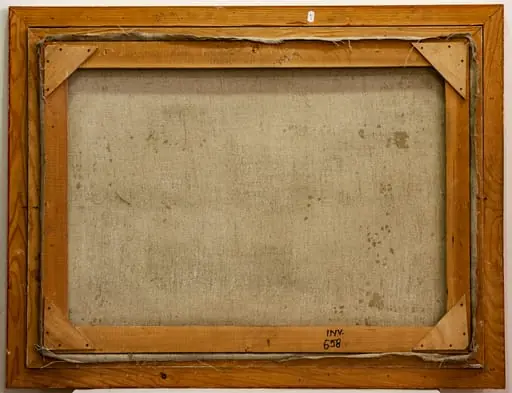
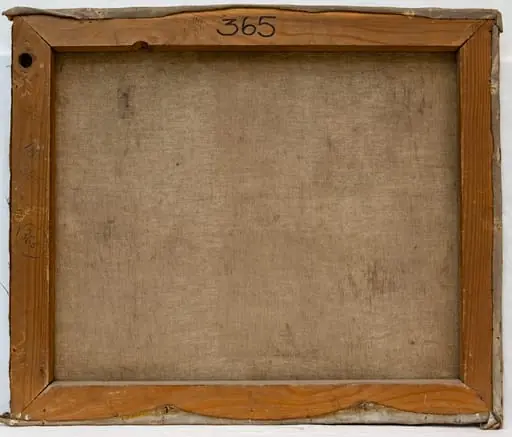
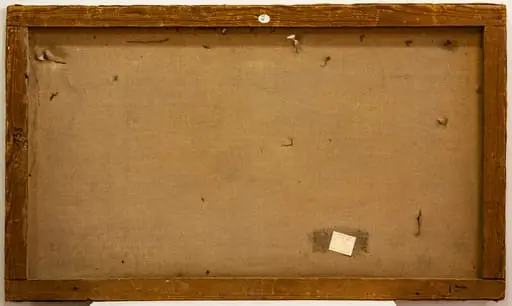
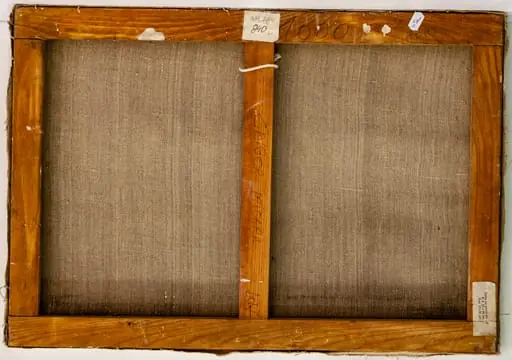
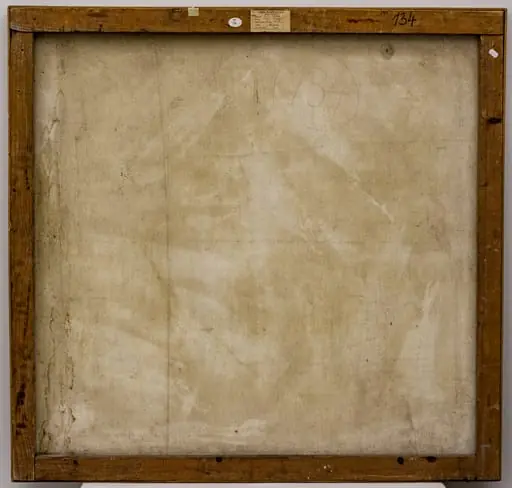
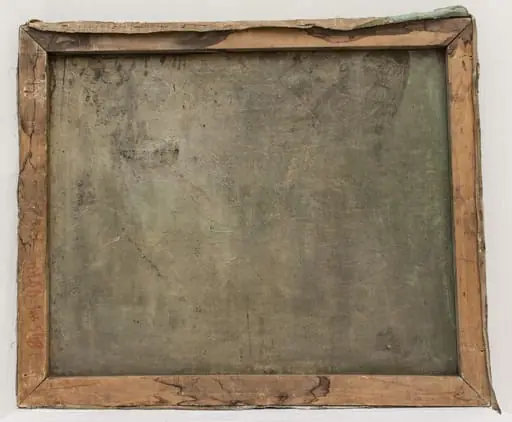
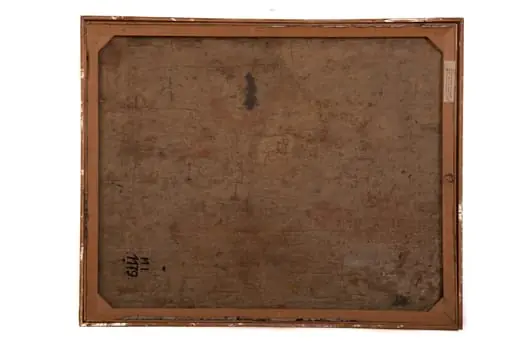
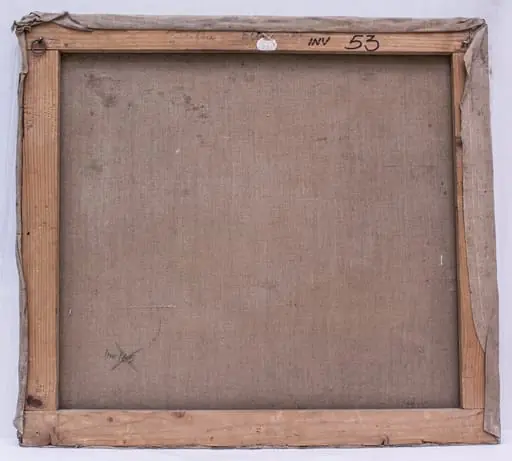
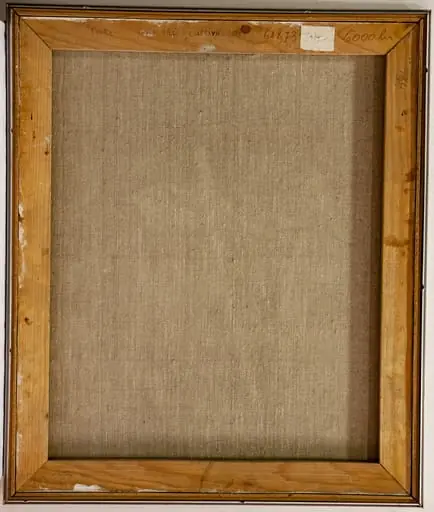
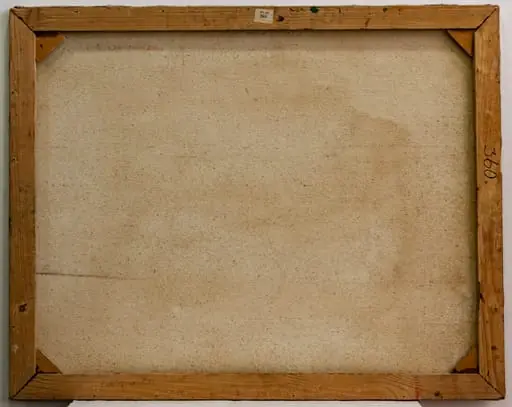
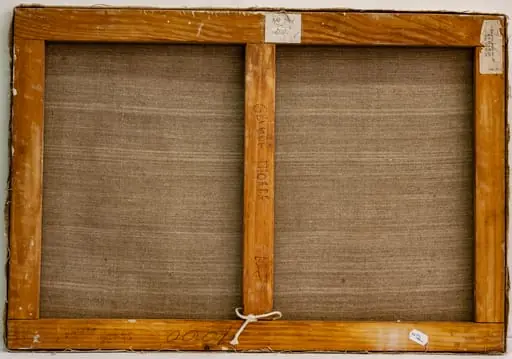
Cariera de piatră is a print by Someșanu V. It is held in the collection of the Gavrila Simion Eco-Museum Research Institute Tulcea. An empty wooden frame holds a faded canvas, its surface bearing the ghostly traces of prior paint.
About this work
Overview
An empty wooden frame holds a faded canvas, its surface bearing the ghostly traces of prior paint. The frame, aged and scuffed, suggests decades of handling and exposure. The title, *Cariera de piatră*—Romanian for 'stone quarry'—implies the original subject, though no image remains. The canvas retains subtle texture, hinting at brushwork now largely lost to time.
Subject & Meaning
The title points to a once-depicted quarry, likely a landscape or industrial scene common in early 20th-century Romanian art. The absence of imagery transforms the work into a silent testament to loss—whether through deliberate erasure, decay, or neglect. What was once a representation of labor and geology now exists as an absence, inviting reflection on impermanence.
Technique & Style
Faint brushstrokes on the canvas suggest an earlier layering of pigment, possibly oil or tempera, applied with a restrained hand. The dull brown tone indicates prolonged exposure to light and air, with no protective varnish evident. The frame’s simple, unadorned design aligns with early modernist or regional tastes, prioritizing function over ornamentation.
History & Provenance
The work’s origins are undocumented, but its condition implies it was once displayed, not stored. No record confirms the artist’s identity, though the title and style may link it to Romanian painters active between the 1920s and 1950s. Its survival as a frame with a blank canvas raises questions about its journey—whether abandoned, obscured, or intentionally emptied.
Context
In interwar Romania, landscape and industrial scenes were common subjects among regional artists seeking to document national identity. Quarries, as sites of labor and material extraction, held symbolic weight. This work may have been part of that tradition, later stripped of its image, perhaps due to political shifts, personal loss, or changing aesthetic values.
Legacy
The piece endures not as a painting, but as an artifact of erasure. It stands as a quiet counterpoint to the expectation of permanence in art. Its emptiness invites viewers to consider what is lost when images vanish—whether through time, ideology, or neglect—making its silence more resonant than any image could be.
Artist & collection
Artist
This printmaker captured industrial life in late-19th-century Romania with a gritty, documentary eye.
Museum
Gavrila Simion Eco-Museum Research Institute Tulcea
Continue through works from the same source collection.