Artwork
Cap de fetiță (copie după Greuze)
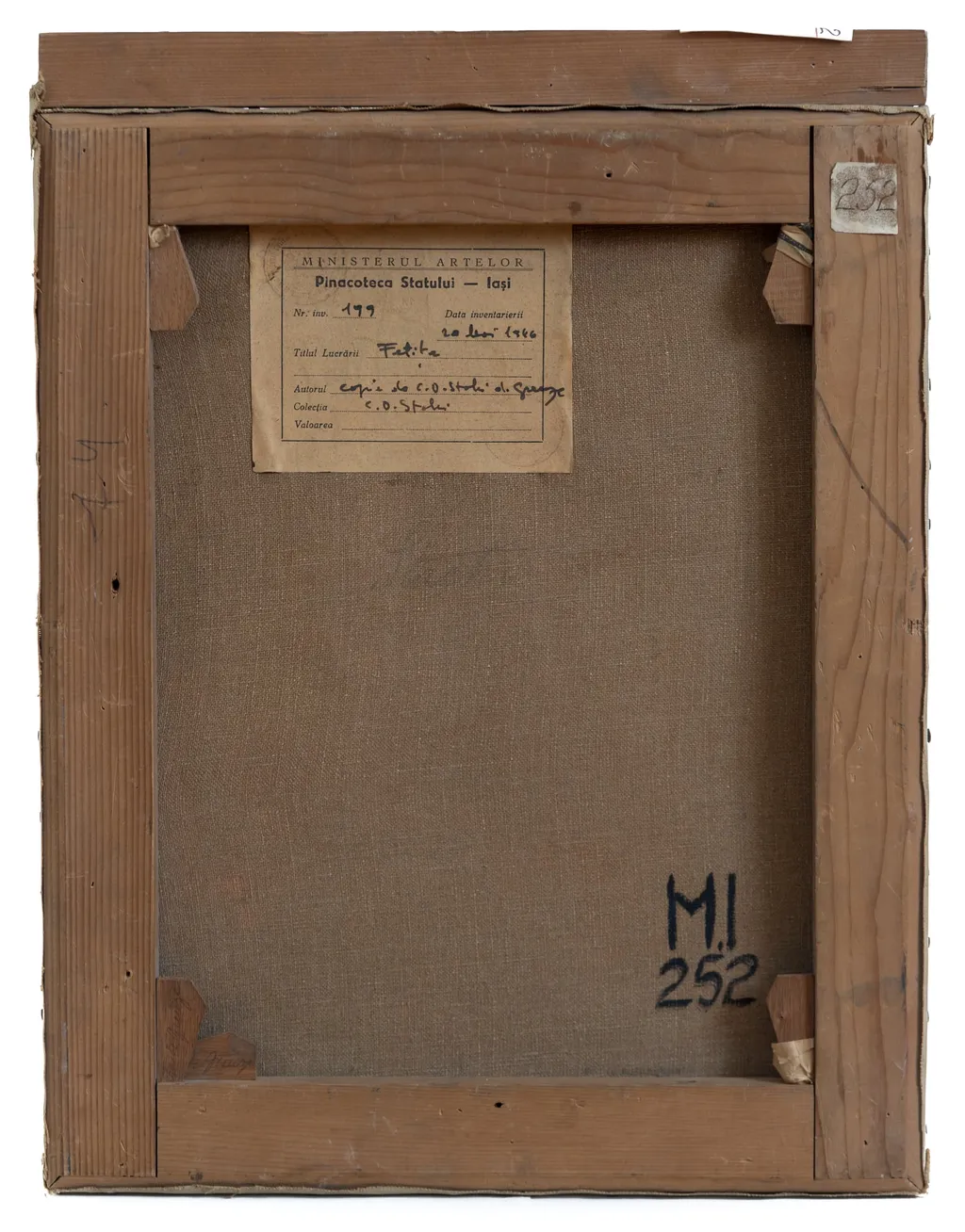
Cap de fetiță (copie după Greuze) is an unspecified painting by Stahi D. Constantin. It dates from 1884 and is held in the collection of the Moldova National Museum Complex. Created in 1884 by Stahi D.
About this work
Overview
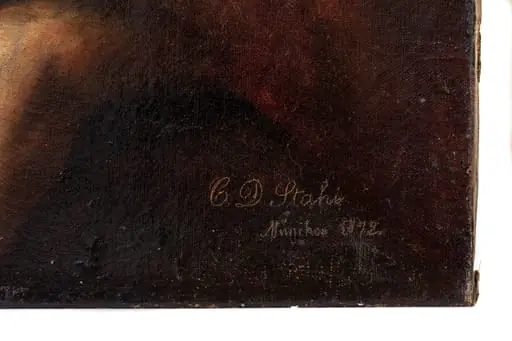
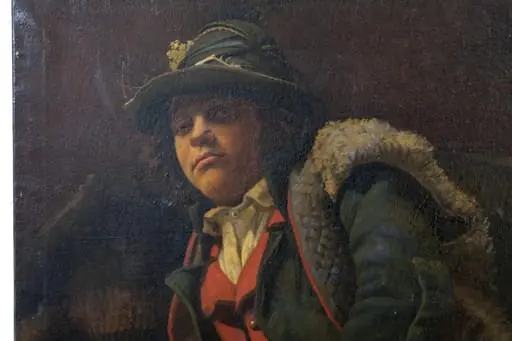
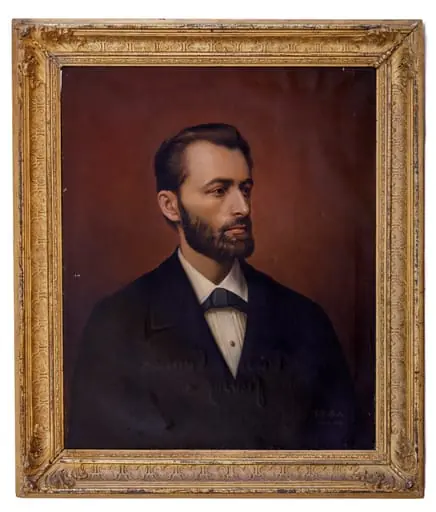
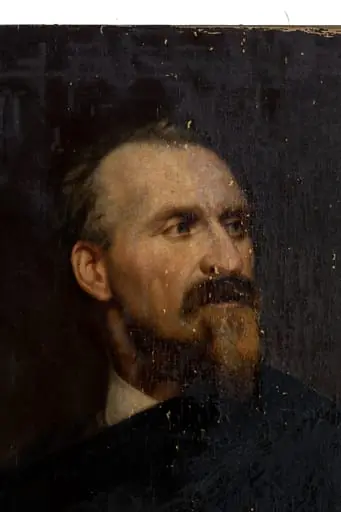
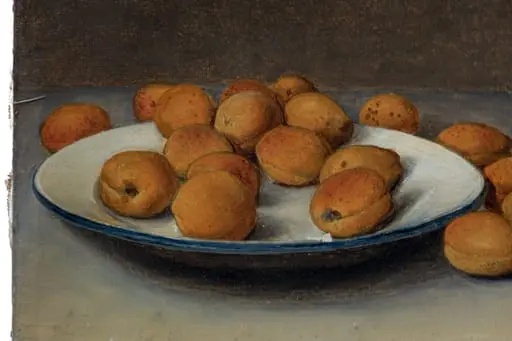
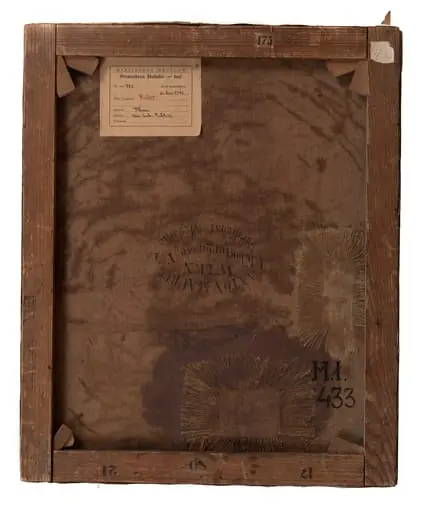
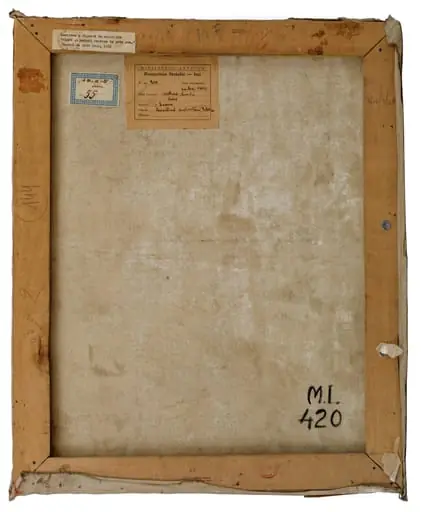
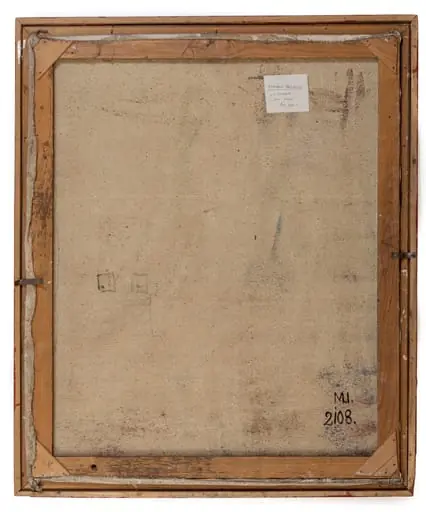
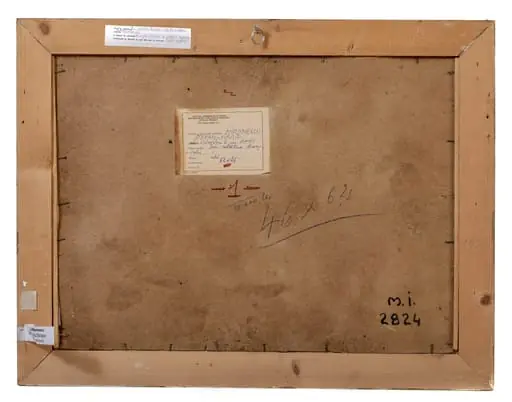
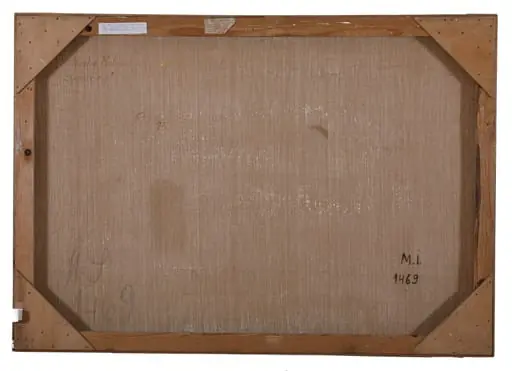
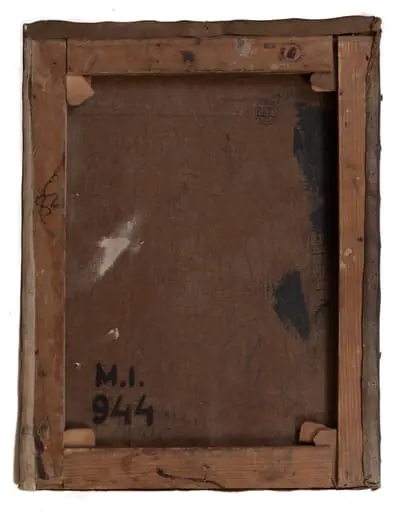
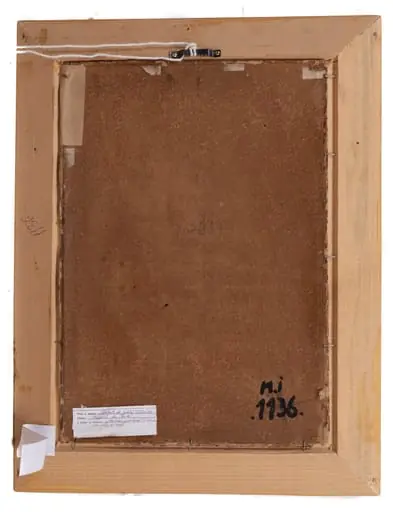
Created in 1884 by Stahi D. Constantin, this portrait of a girl’s head is a reproduction after the style of Jean-Baptiste Greuze. The work exists as a painted image on canvas, now faded and housed in a weathered wooden frame. The physical condition suggests prolonged exposure and handling, with visible signs of age in both the support and its mounting.
Subject & Meaning
The subject is a young girl, rendered in the sentimental tradition associated with Greuze’s portraiture. The focus on a solitary head, devoid of context or narrative, emphasizes quiet introspection. The Romanian title, 'Cap de fetiță,' reflects a local reception of this European genre, adapting its emotional tone to regional aesthetic sensibilities without altering its core intent.
Technique & Style
The painting employs soft modeling and muted tones to emulate Greuze’s delicate brushwork and chiaroscuro. The surface shows signs of fading, obscuring finer details, yet the underlying composition retains the gentle contours and subdued lighting characteristic of 18th-century French academic portraiture. The execution suggests a student or follower working from a printed or painted source.
History & Provenance
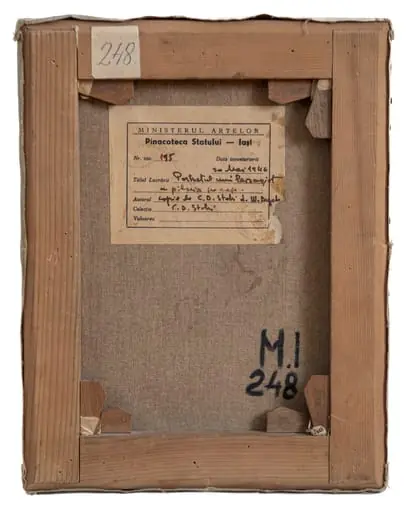
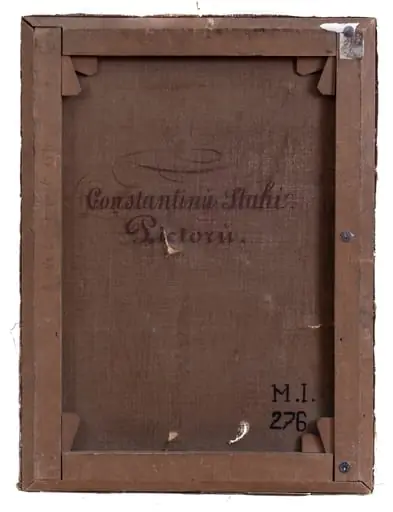
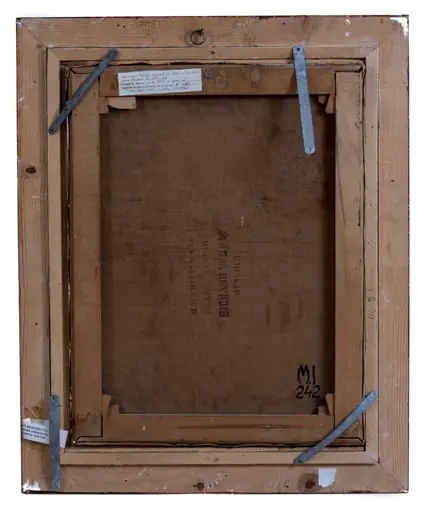
The work bears a handwritten label on its reverse, written in a language other than Romanian, hinting at a complex ownership history. The frame’s deterioration and the tape securing the label indicate informal preservation practices. Its survival as a copy, rather than an original, suggests it may have served an educational or domestic purpose in late 19th-century Romania.
Context
In late 19th-century Romania, reproductions of Western European artworks were common in private collections and art schools. Constantin’s copy reflects a broader cultural engagement with French academic traditions. Such works were often used to train young artists or to decorate homes with familiar, morally resonant imagery drawn from established masters.
Legacy
As a modest, unattributed copy, the work does not hold a prominent place in art historical narratives. Yet it offers insight into the transmission of artistic ideals across borders and social classes. Its survival, despite its fragile state, underscores the quiet persistence of reproductive practices in shaping local artistic consciousness beyond major institutions.
Artist & collection
Artist
Stahi D. Constantin printed quiet portraits and gentle scenes in 19th-century Romanian ink and paint. Look for his family studies like Preotul Dimitrie Stahi (Tatăl artistului) and tender figures such as June (șovăind)…