Artwork
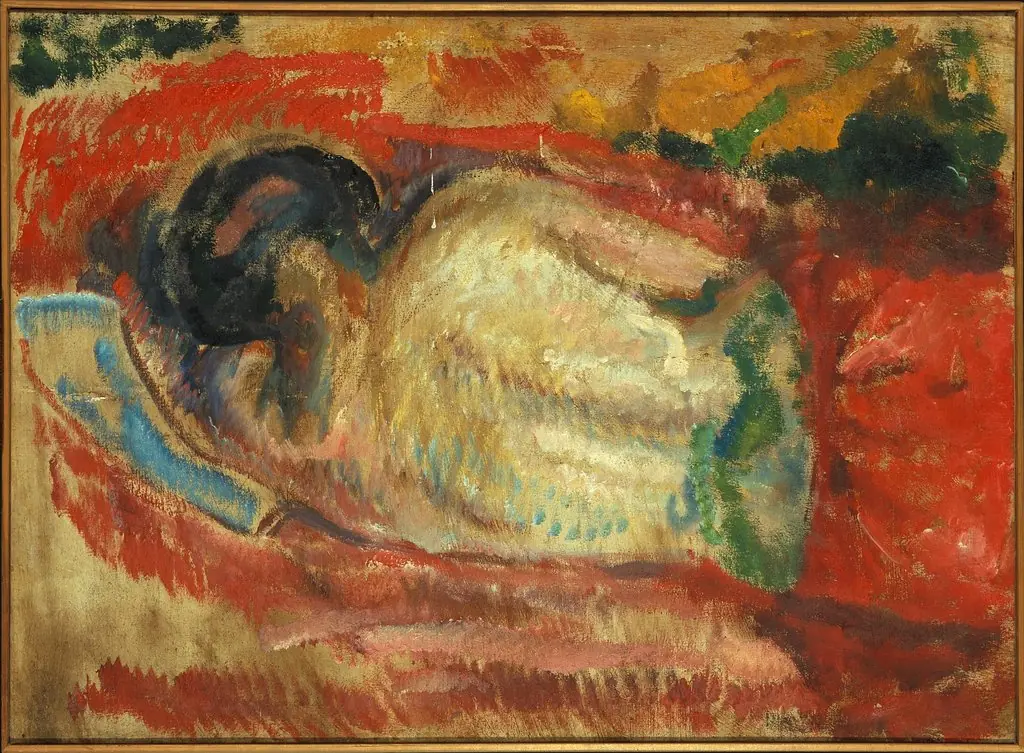
Composition (Study of Nudes)
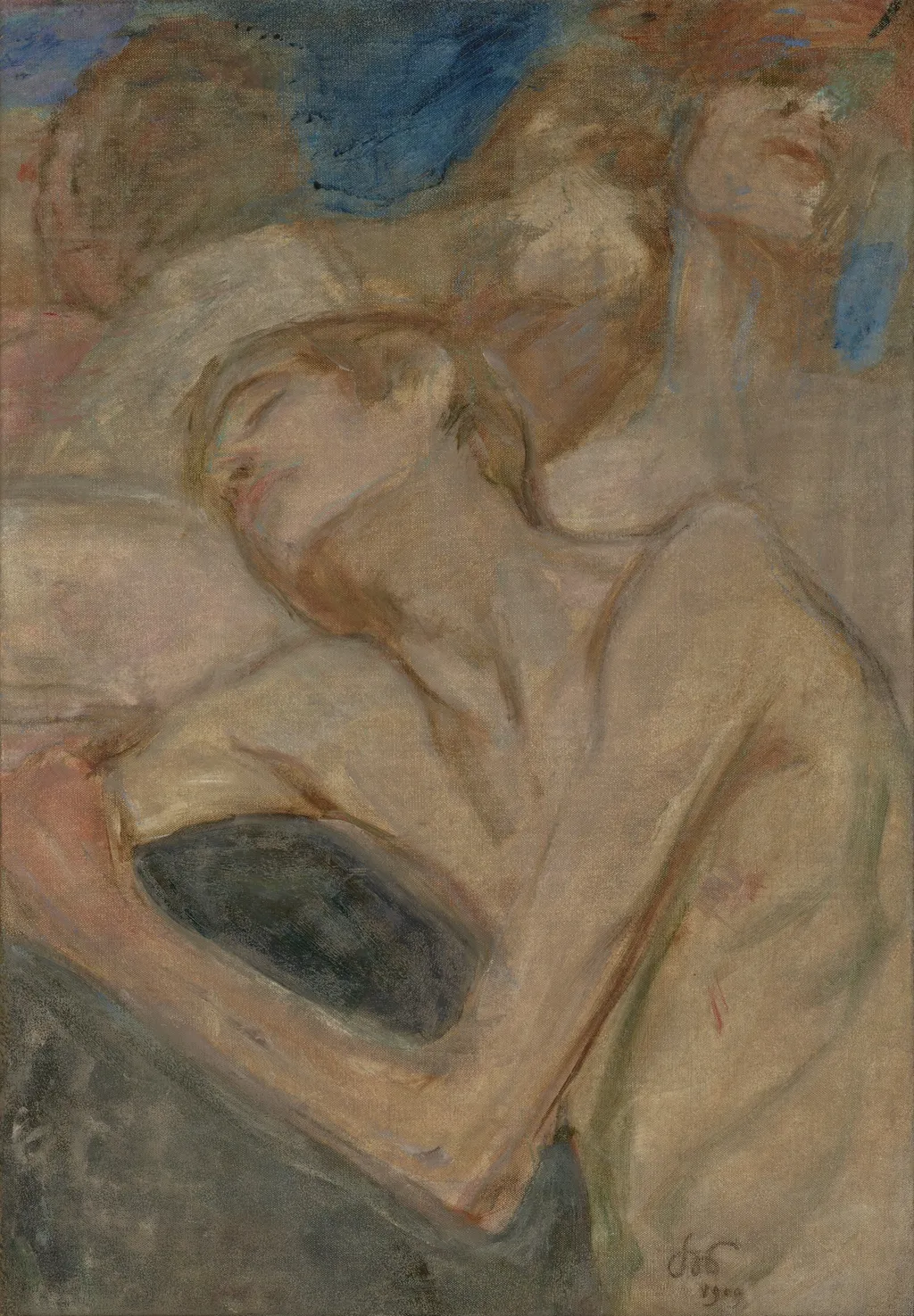
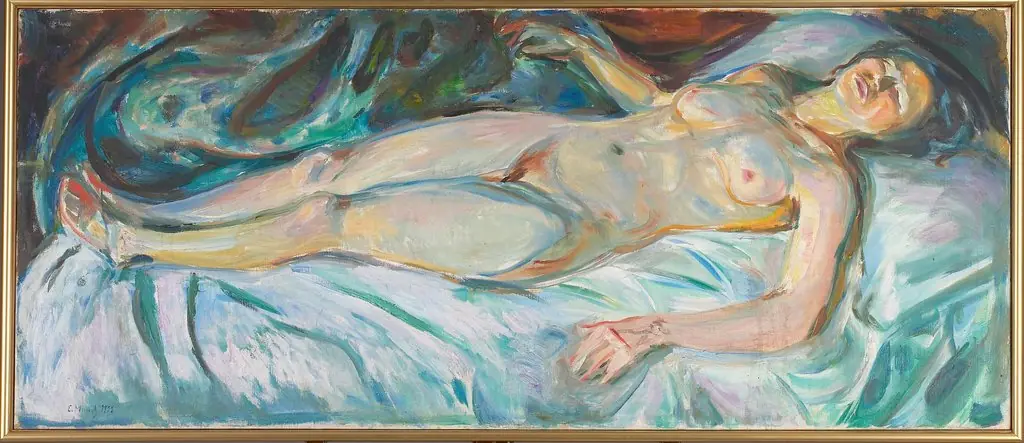
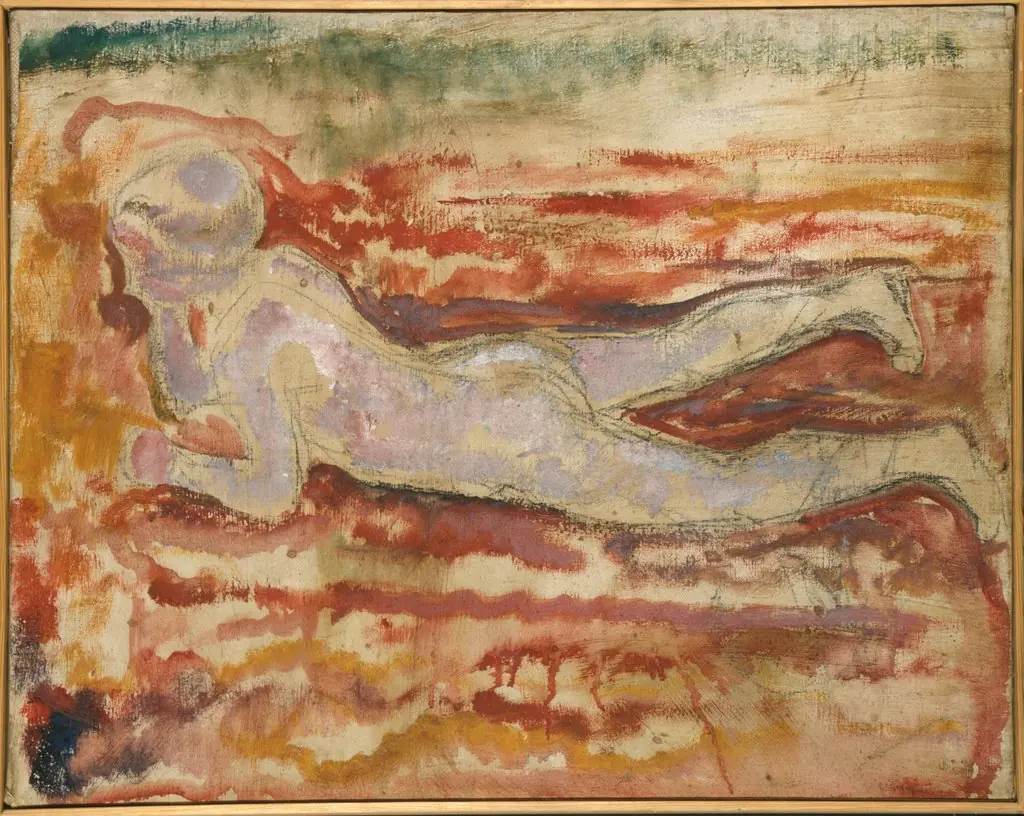
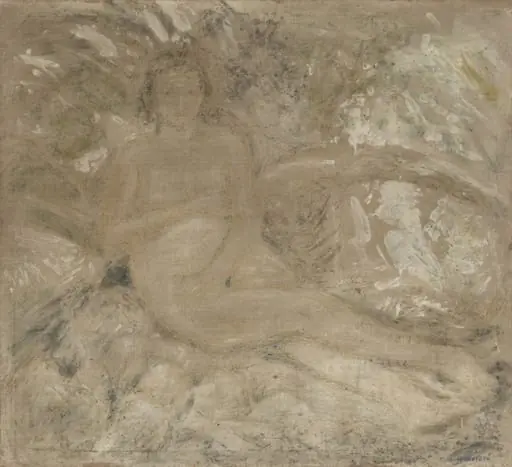
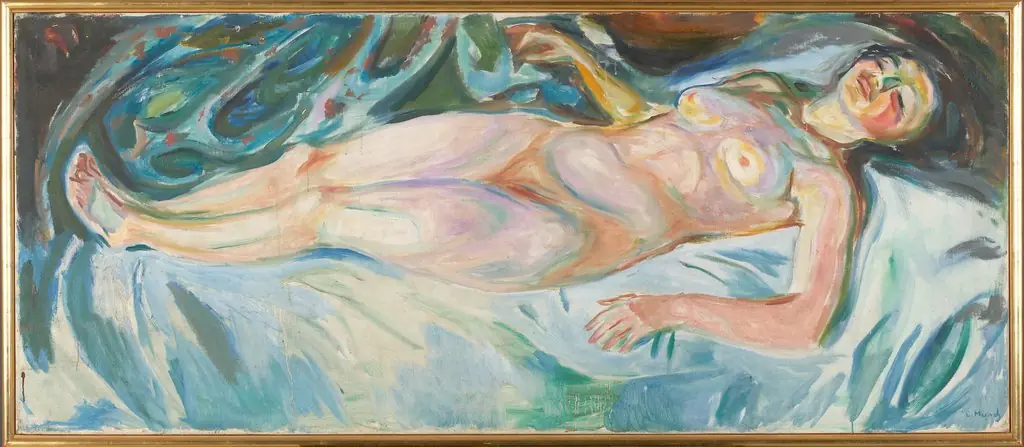
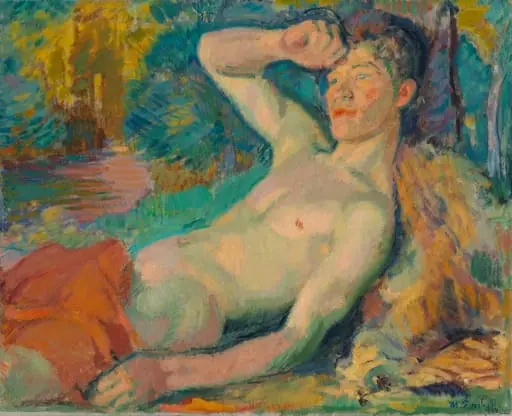
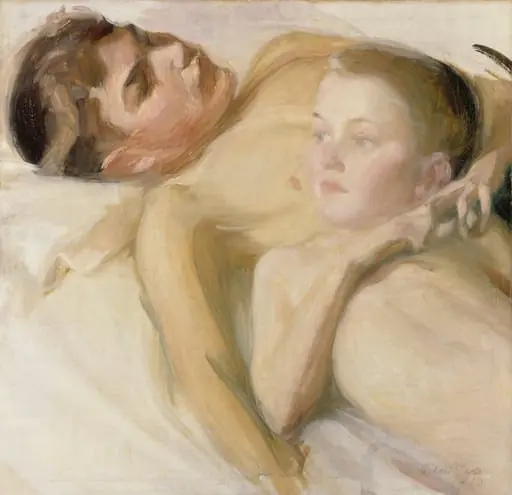
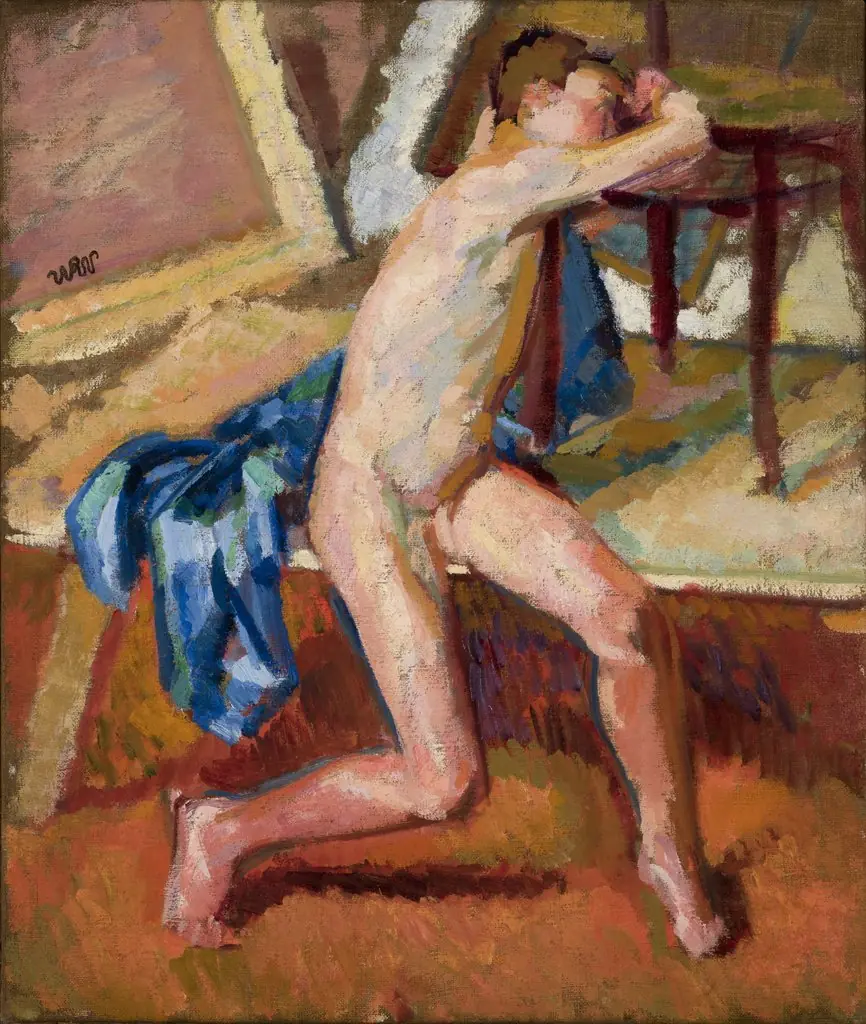
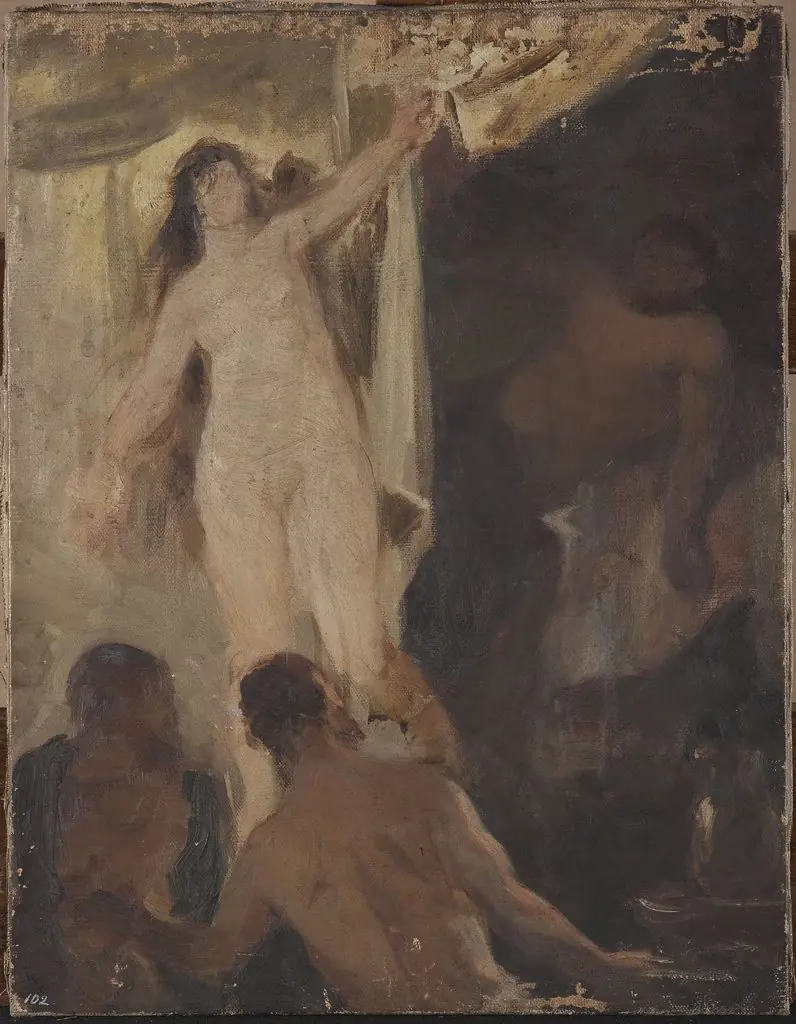
Composition (Study of Nudes) is an oil painting by the Post-Impressionist artist Stanisław Wyspiański. It dates from 1900 and is held in the collection of the National Museum in Kraków.
About this work
Overview
It belongs to a period of intense experimentation in his work, when he moved beyond traditional representation toward expressive abstraction.
Created in 1900, *Composition (Study of Nudes)* is an oil painting by Polish artist Stanisław Wyspiański. It belongs to a period of intense experimentation in his work, when he moved beyond traditional representation toward expressive abstraction. The piece is part of the National Museum in Kraków’s collection and reflects his broader engagement with the human form as a vehicle for emotional and symbolic inquiry.
Subject & Meaning
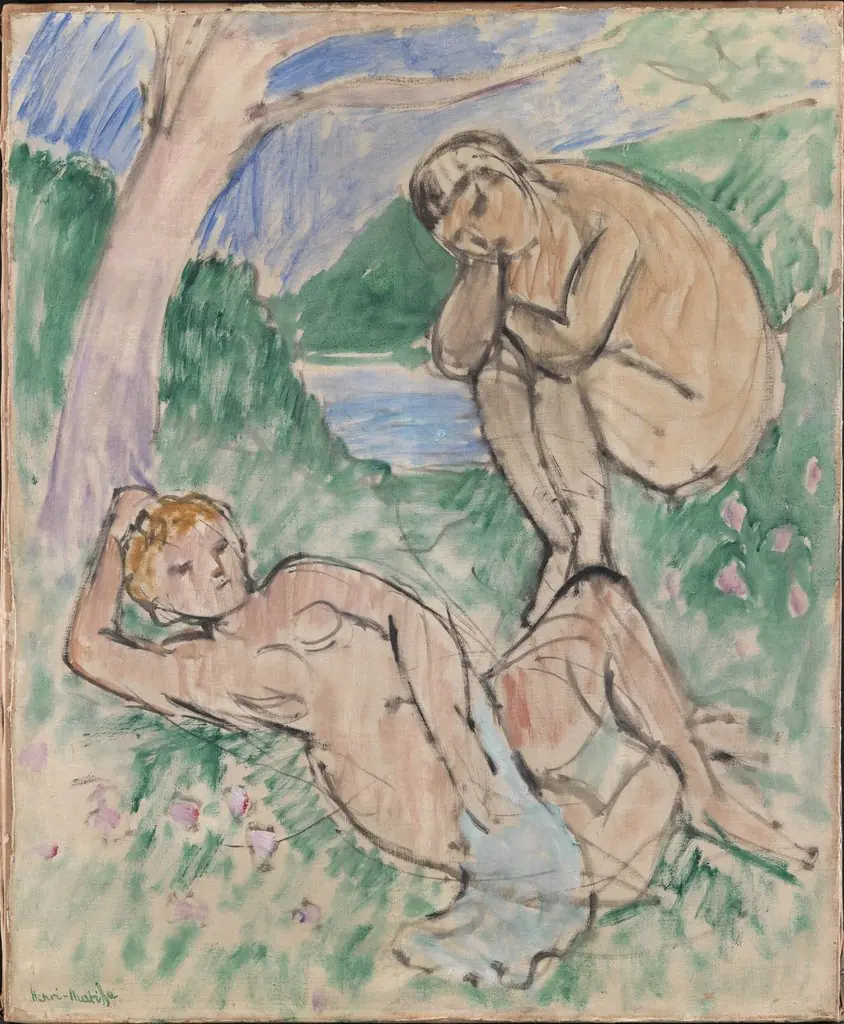
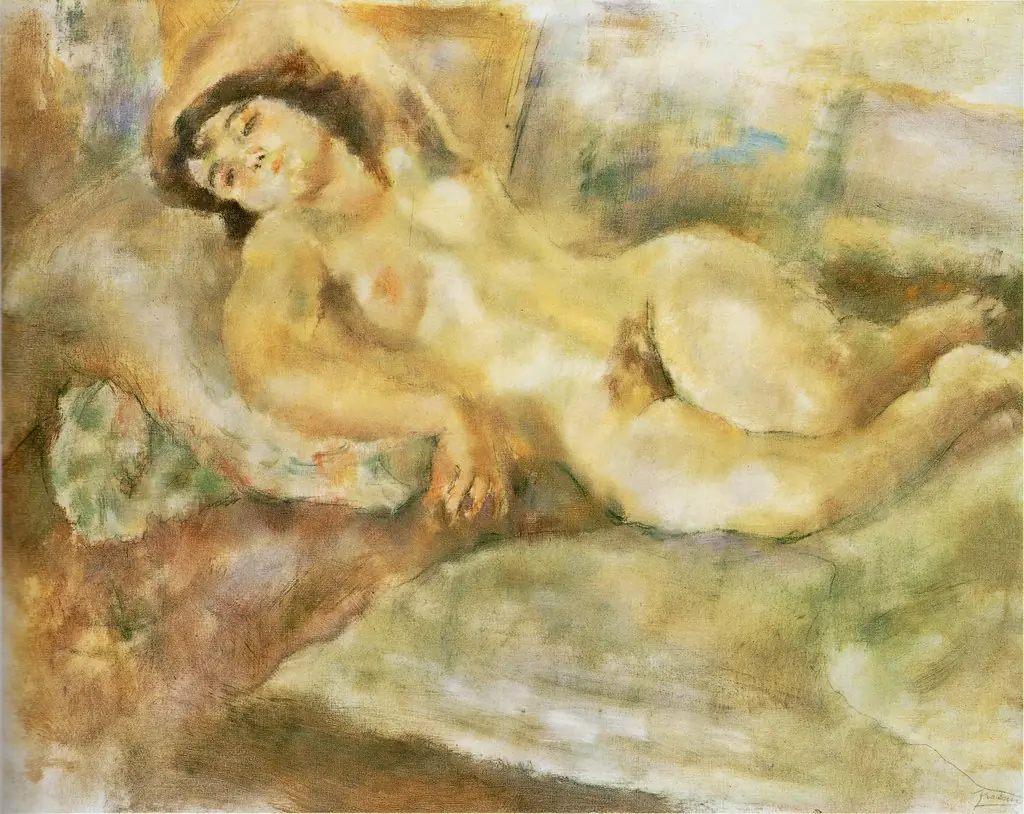
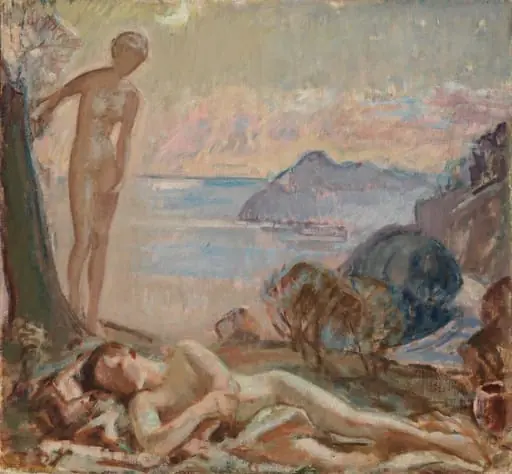
The painting depicts a group of nude figures reclining in an indistinct space, their forms intertwined and ambiguous. Rather than portraying a narrative scene, Wyspiański focuses on the physical and psychological proximity of the bodies. The lack of clear individuality suggests a meditation on unity, vulnerability, or collective rest, aligning with themes of introspection common in Young Poland’s symbolic aesthetics.
Technique & Style
Wyspiański employs loose, gestural brushwork and a restrained palette of earth tones—ochres, umbers, and muted grays—to dissolve anatomical precision. Forms merge and blur, resisting clear definition. This approach departs from naturalism, embracing a flattened, almost sculptural abstraction that prioritizes emotional resonance over literal depiction, characteristic of his Post-Impressionist leanings.
History & Provenance
The painting was produced during Wyspiański’s most active creative phase, shortly before his death in 1907. It remained in his personal circle before entering the National Museum in Kraków’s holdings, where it has been preserved as part of Poland’s national artistic heritage. Its provenance reflects its significance within the context of early 20th-century Polish modernism.
Context
Emerging from the Young Poland movement, Wyspiański fused Symbolist ideals with Polish Romantic traditions and folk motifs. In *Composition (Study of Nudes)*, the absence of mythological or literary reference marks a shift toward internal, psychological exploration. The work resonates with broader European trends in expressive figuration, while retaining a distinctly Polish sensibility rooted in spiritual and national introspection.
Legacy
Though less known than his theatrical designs or stained glass, this painting exemplifies Wyspiański’s willingness to challenge conventional representation. Its ambiguity and emotional intensity influenced later Polish modernists who sought to express inner states through fragmented form. The work remains a quiet but pivotal example of his transition from narrative to abstracted human expression.
Own this work as a print
Artist & collection
Artist
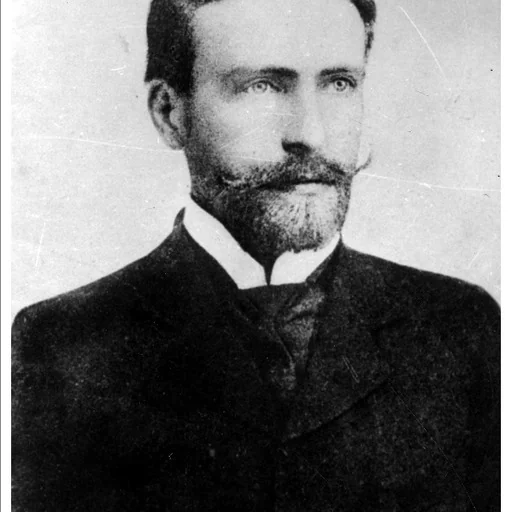
Stanisław Mateusz Ignacy Wyspiański (pronounced ; 15 January 1869 – 28 November 1907) was a Polish playwright, painter, poet, and interior and furniture designer.

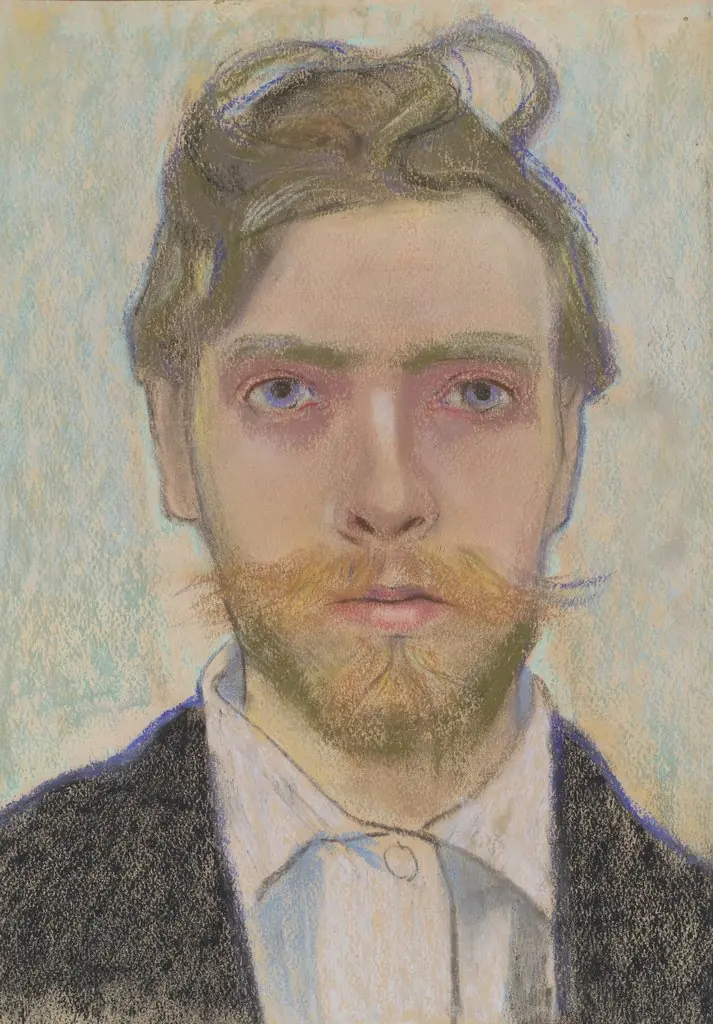 Self-Portrait
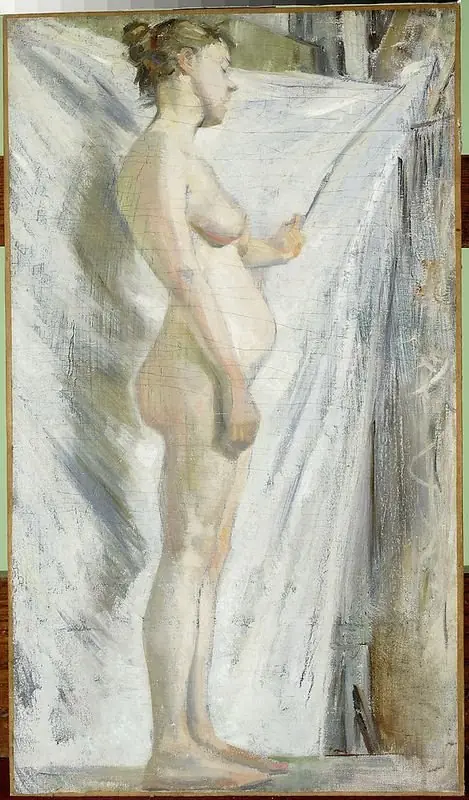 Female nude
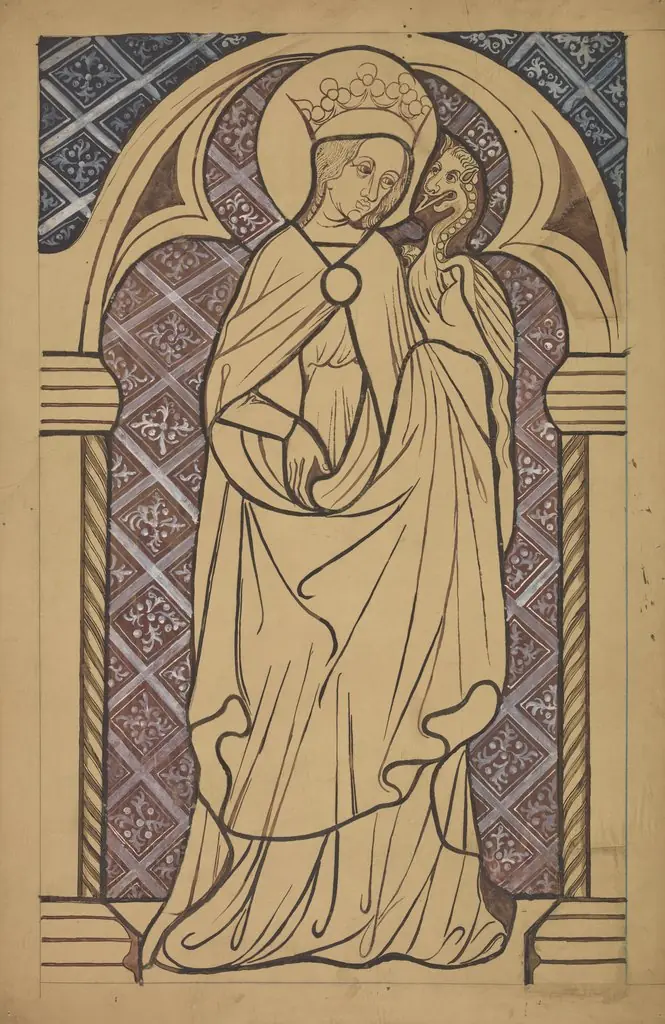 Saint Margaret. Artistic reconstruction of a stained-glass panel from the Dominican church in Kraków
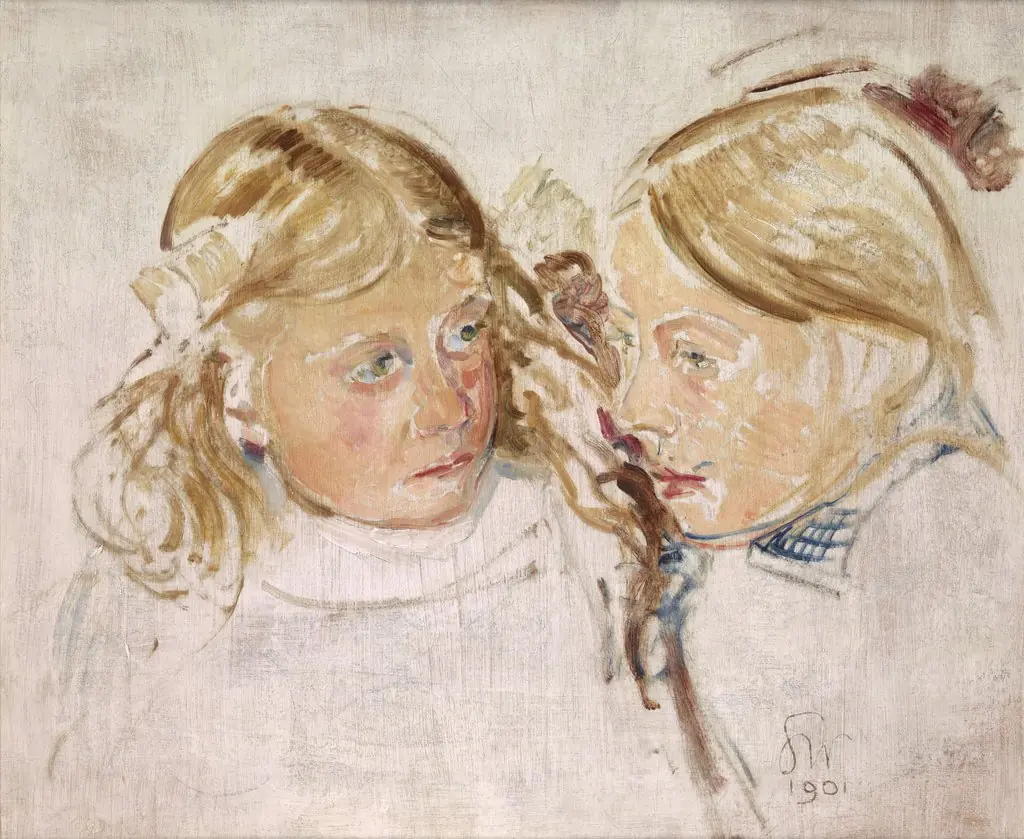 Double Portrait
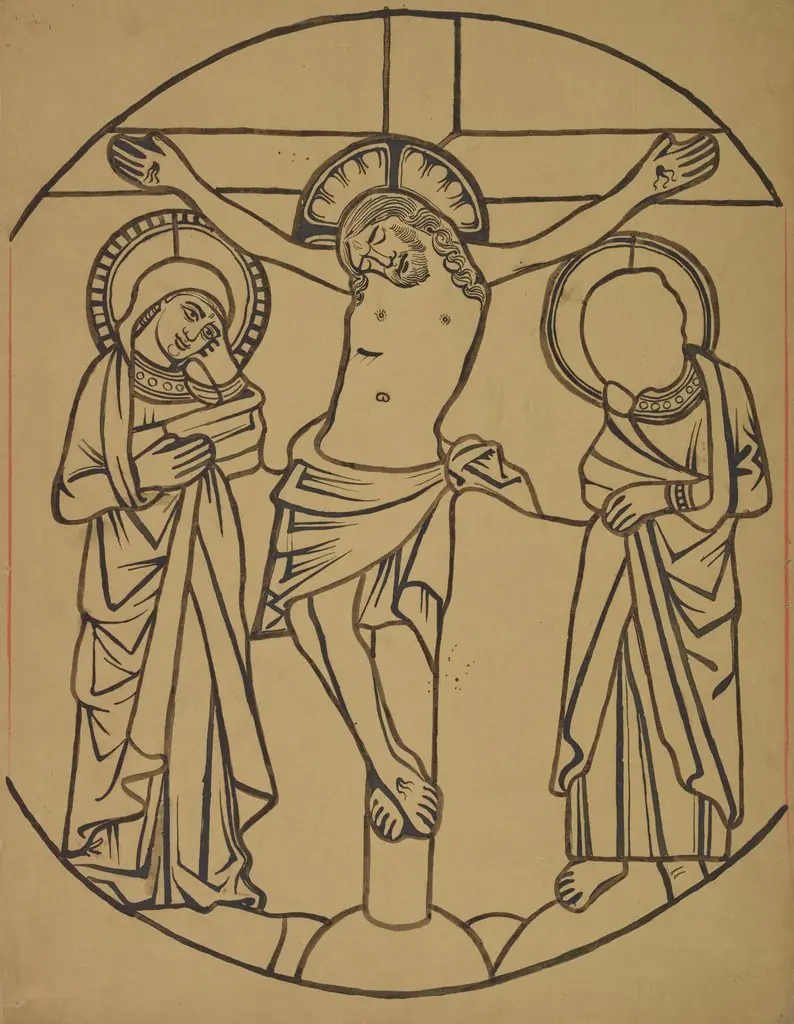 Crucifixion. Artistic reconstruction of a stained-glass panel from the Dominican church in Kraków
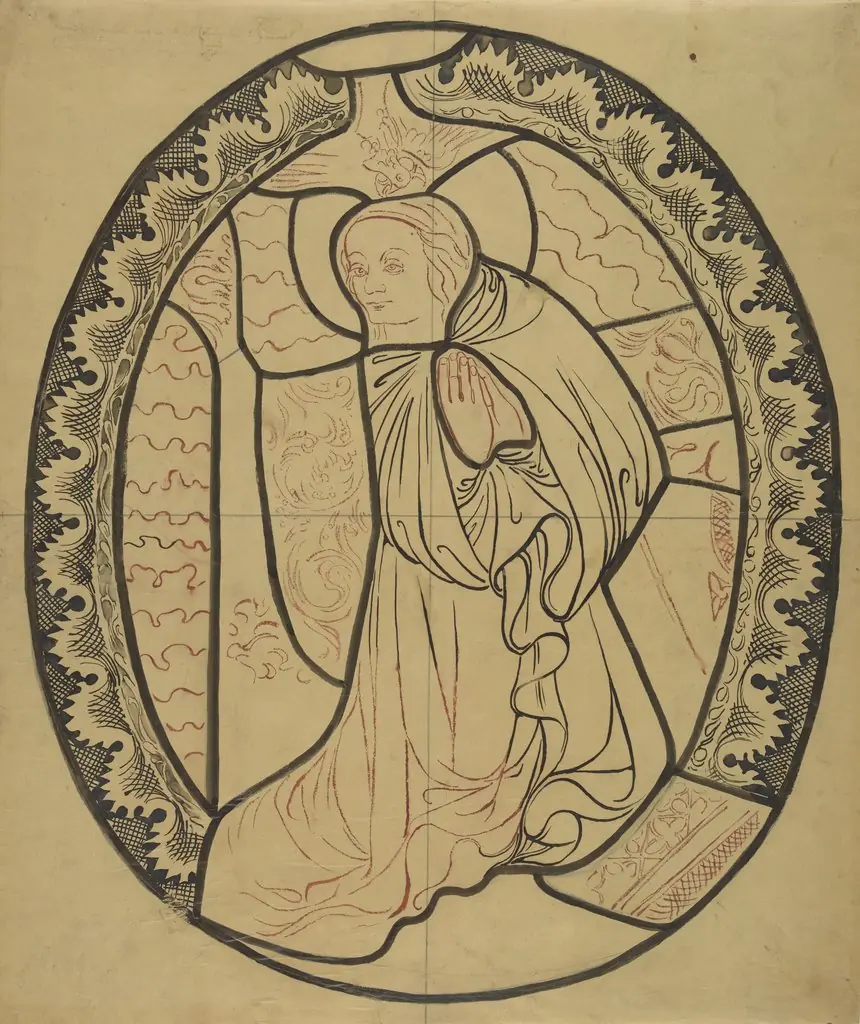 The Blessed Virgin Mary from the scene "Annunciation" (right part). Artistic reconstruction of a stained-glass panel from the Dominican church in Kraków
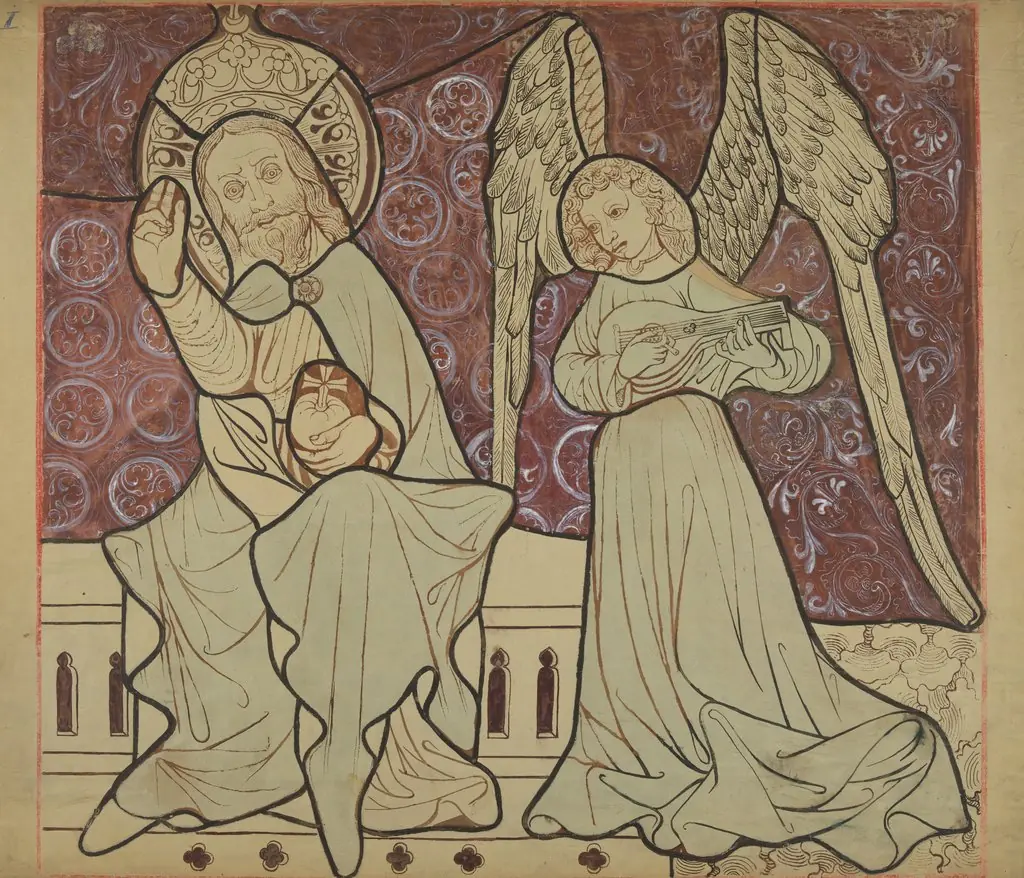 Enthroned Christ with an angel from the scene "Coronation of the Blessed Virgin Mary" (right part). Artistic reconstruction of a stained-glass panel from the Dominican church in Kraków
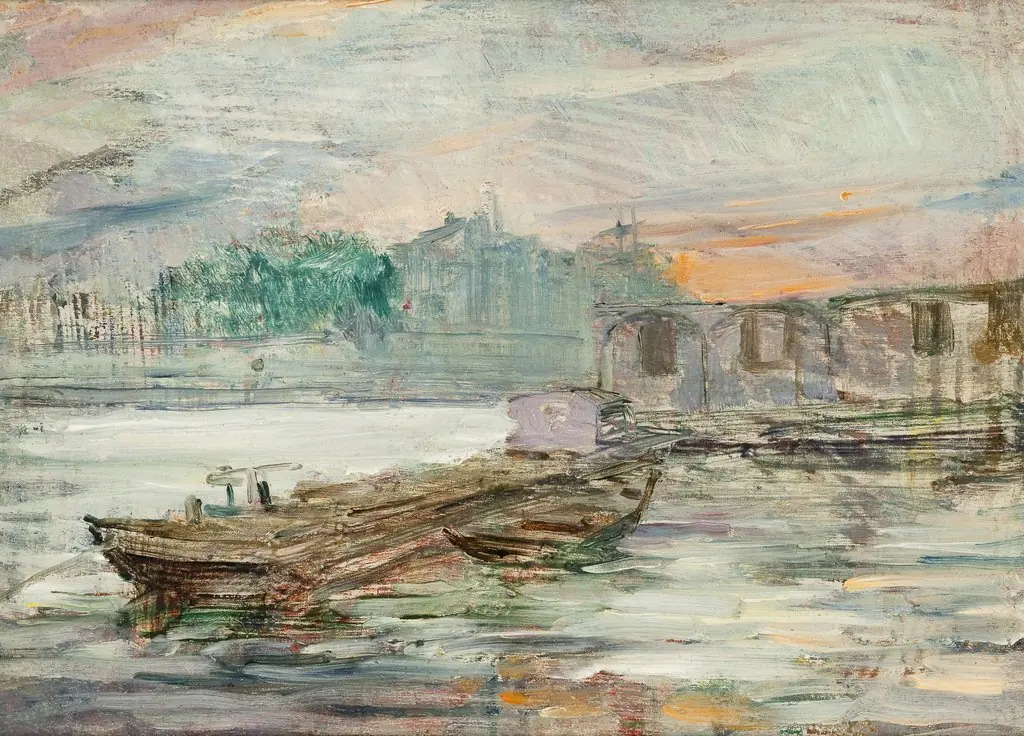 Barges on the Seine