Artwork
Enthroned Mary with an angel from the scene "Coronation of the Blessed Virgin Mary" (left part). Artistic reconstruction of a stained-glass panel from the Dominican church in Kraków
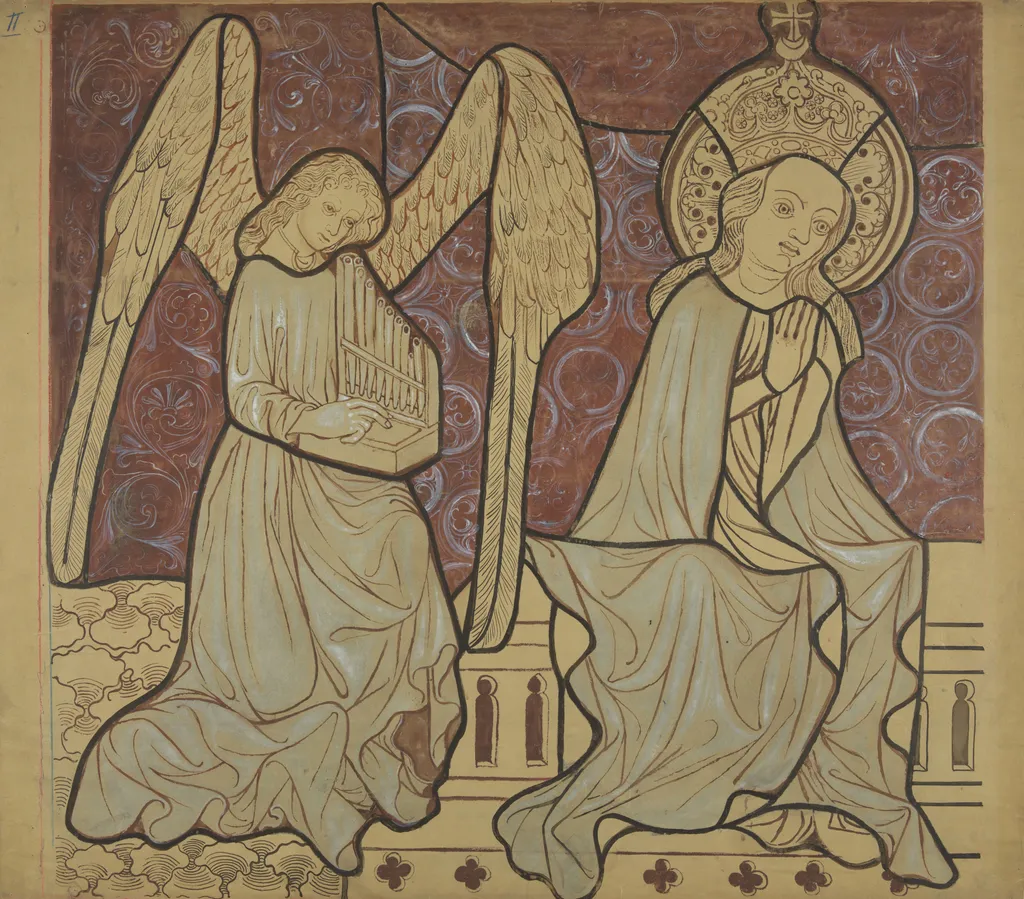
Enthroned Mary with an angel from the scene "Coronation of the Blessed Virgin Mary" (left part). Artistic reconstruction of a stained-glass panel from the Dominican church in Kraków is a gouache painting by Stanisław Wyspiański. It dates from 1898 and is held in the collection of the National Museum in Kraków.
About this work
Overview
Though originally part of a larger narrative depicting the Coronation of the Virgin, this fragment focuses on the moment of divine investiture.
Stanisław Wyspiański created this ink drawing in 1898 as a reconstruction of a lost stained-glass panel from the Dominican church in Kraków. Though originally part of a larger narrative depicting the Coronation of the Virgin, this fragment focuses on the moment of divine investiture. Wyspiański, known for his multidisciplinary practice, used ink to capture the spiritual gravity of the scene, aligning with the introspective tone of the Young Poland movement.
Subject & Meaning
The composition centers on the Virgin Mary seated on a throne, crowned and in quiet prayer, while an angel kneels beside her, holding a musical instrument. The angel’s outstretched wings and Mary’s clasped hands suggest reverence and celestial harmony. The scene evokes the theological moment of Mary’s ascension to heavenly queenship, rendered not as grand spectacle but as intimate, contemplative devotion—emphasizing spiritual stillness over theatricality.
Technique & Style
Rendered entirely in ink, the drawing employs fine linework and nuanced shading to define form and depth without color. The background’s dense tone isolates the figures, heightening their symbolic presence. Wyspiański’s precise handling of the medium conveys texture in fabric and feather, while the restrained palette and lack of ornament reflect a modernist impulse toward emotional clarity over ornamental excess.
History & Provenance
The original stained-glass panel was part of a series commissioned for the Dominican church in Kraków, likely destroyed or damaged in the 19th century. Wyspiański’s ink drawing serves as a documented reconstruction, made during his study of medieval Polish ecclesiastical art. It was produced not as a commercial work but as part of his scholarly engagement with national heritage during a time when Poland’s cultural identity was suppressed under foreign rule.
Context
Created during Poland’s partitions, the drawing reflects Wyspiański’s effort to revive spiritual and artistic traditions tied to Polish identity. The Young Poland movement sought to reconcile modern aesthetics with historical motifs, and this work exemplifies that synthesis—using medieval iconography to express contemporary national consciousness through quiet, symbolic forms rather than overt political statements.
Legacy
Wyspiański’s ink reconstruction remains a key example of how early 20th-century Polish artists reinterpreted religious art to serve cultural renewal. Though the original glass is lost, his drawing preserves its visual language and emotional tone, influencing later generations in their approach to sacred imagery. It stands as a bridge between medieval devotion and modernist sensibility in Polish visual culture.
Own this work as a print
Artist & collection
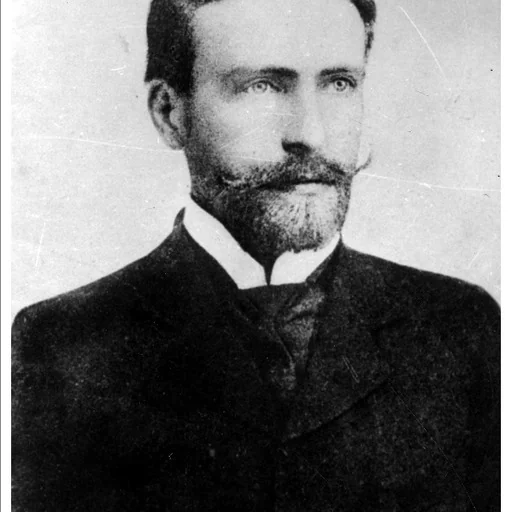
Artist
Stanisław Mateusz Ignacy Wyspiański (pronounced ; 15 January 1869 – 28 November 1907) was a Polish playwright, painter, poet, and interior and furniture designer.

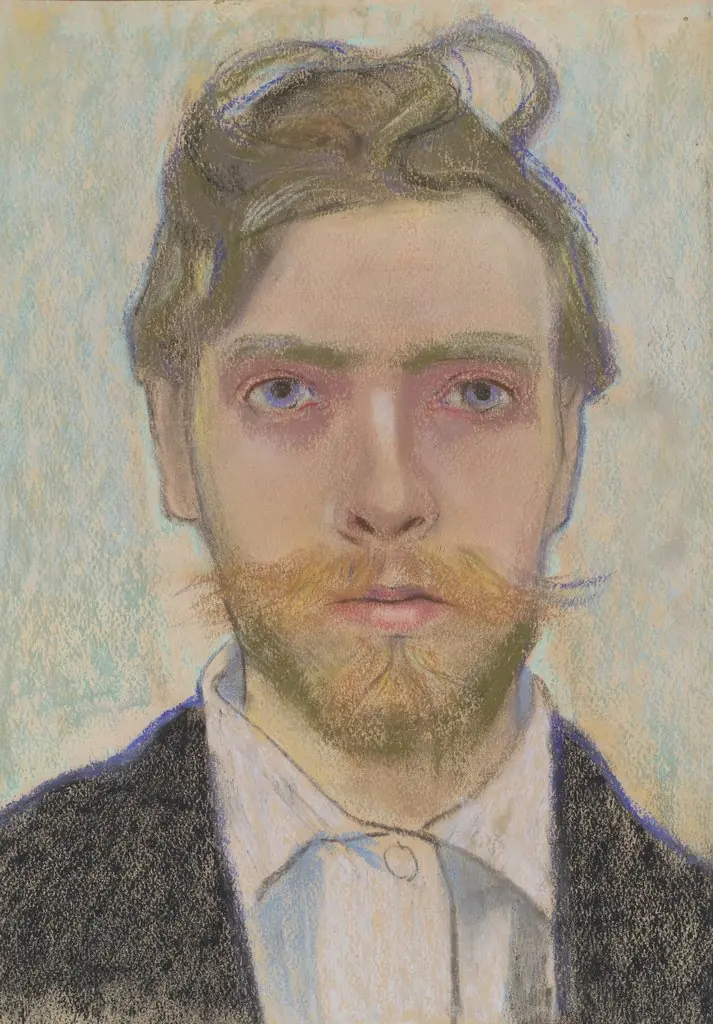 Self-Portrait
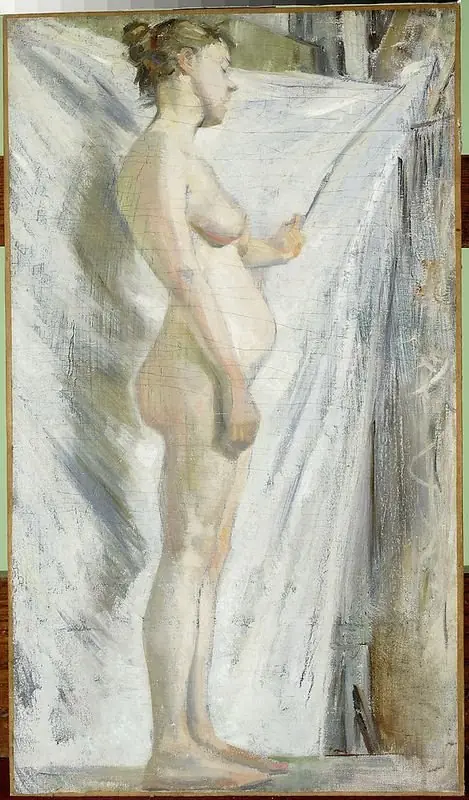 Female nude
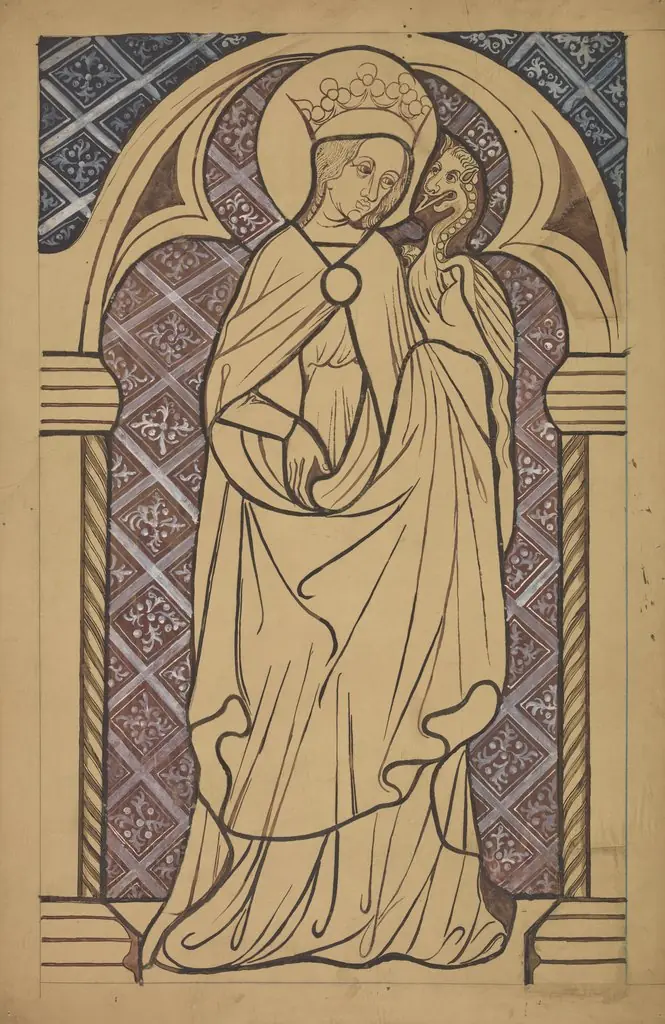 Saint Margaret. Artistic reconstruction of a stained-glass panel from the Dominican church in Kraków
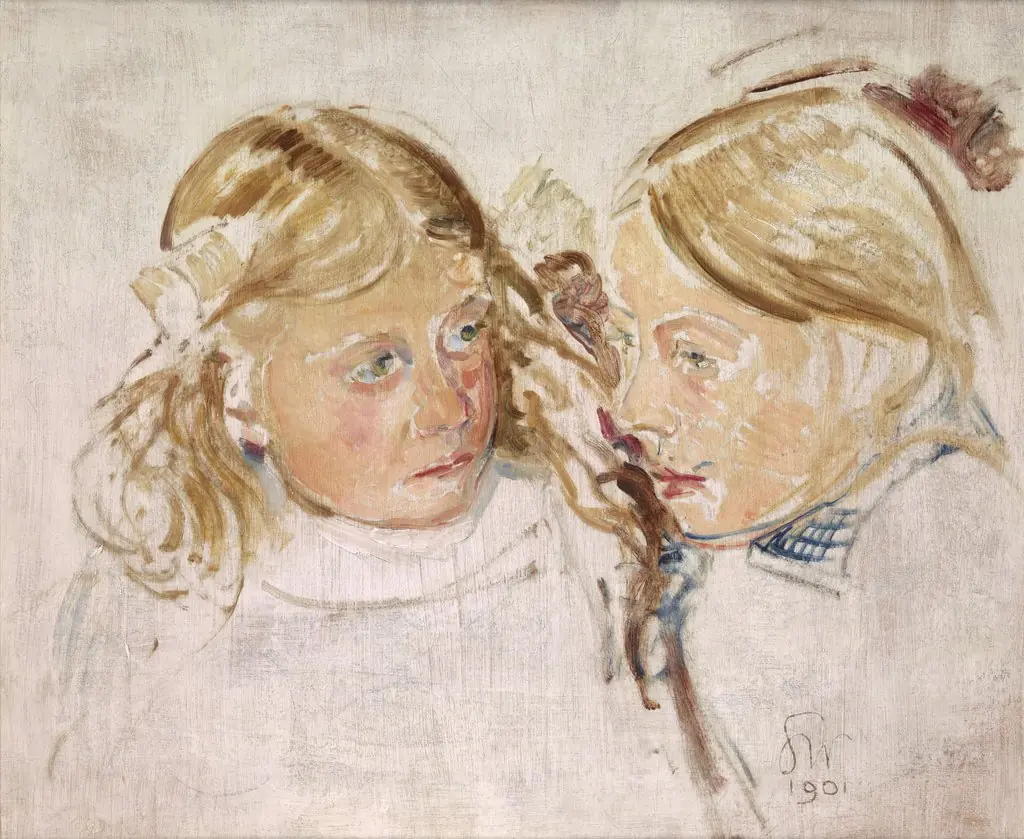 Double Portrait
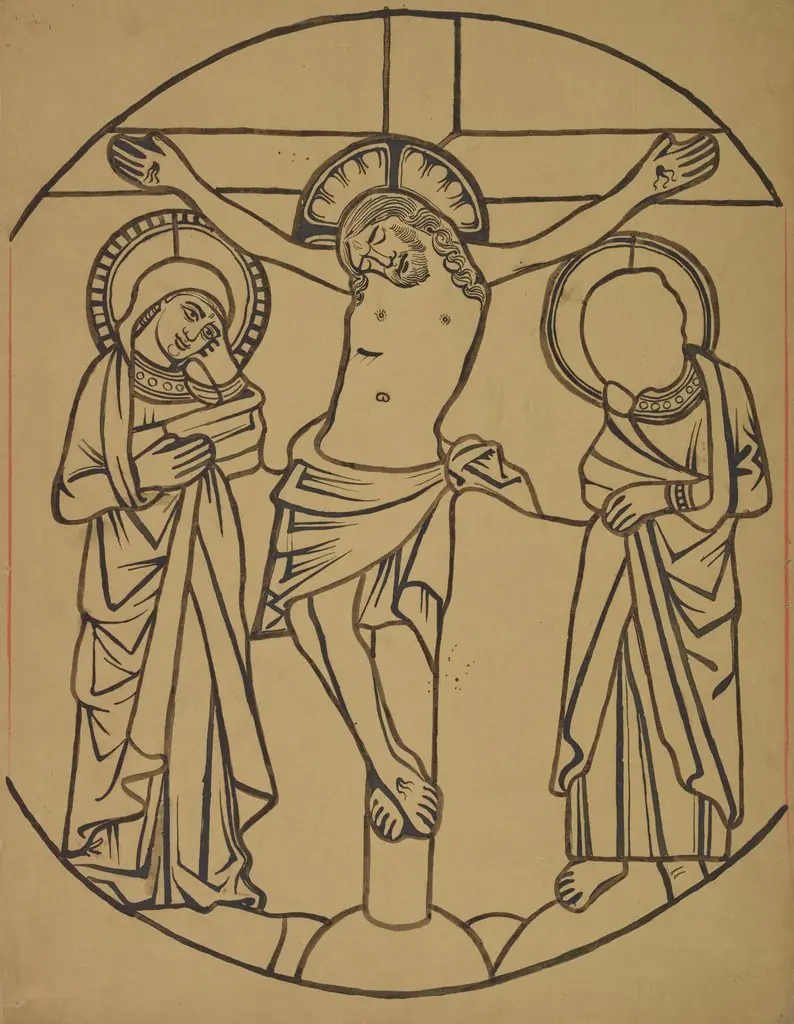 Crucifixion. Artistic reconstruction of a stained-glass panel from the Dominican church in Kraków
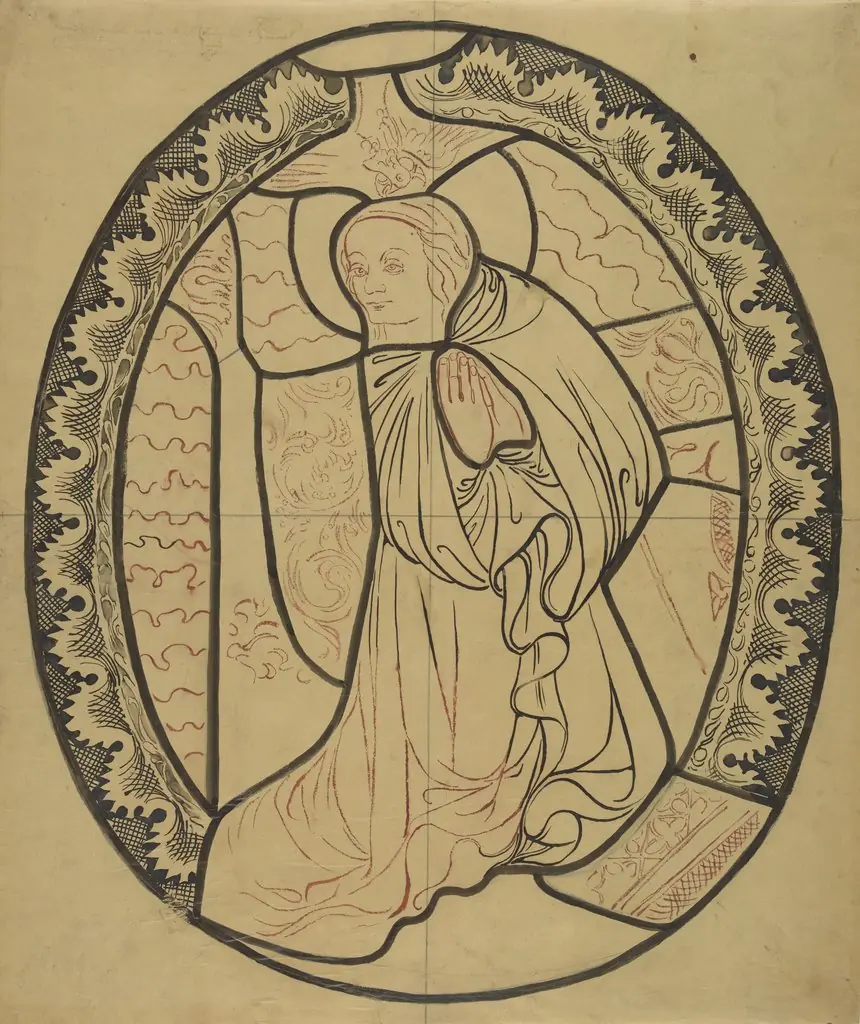 The Blessed Virgin Mary from the scene "Annunciation" (right part). Artistic reconstruction of a stained-glass panel from the Dominican church in Kraków
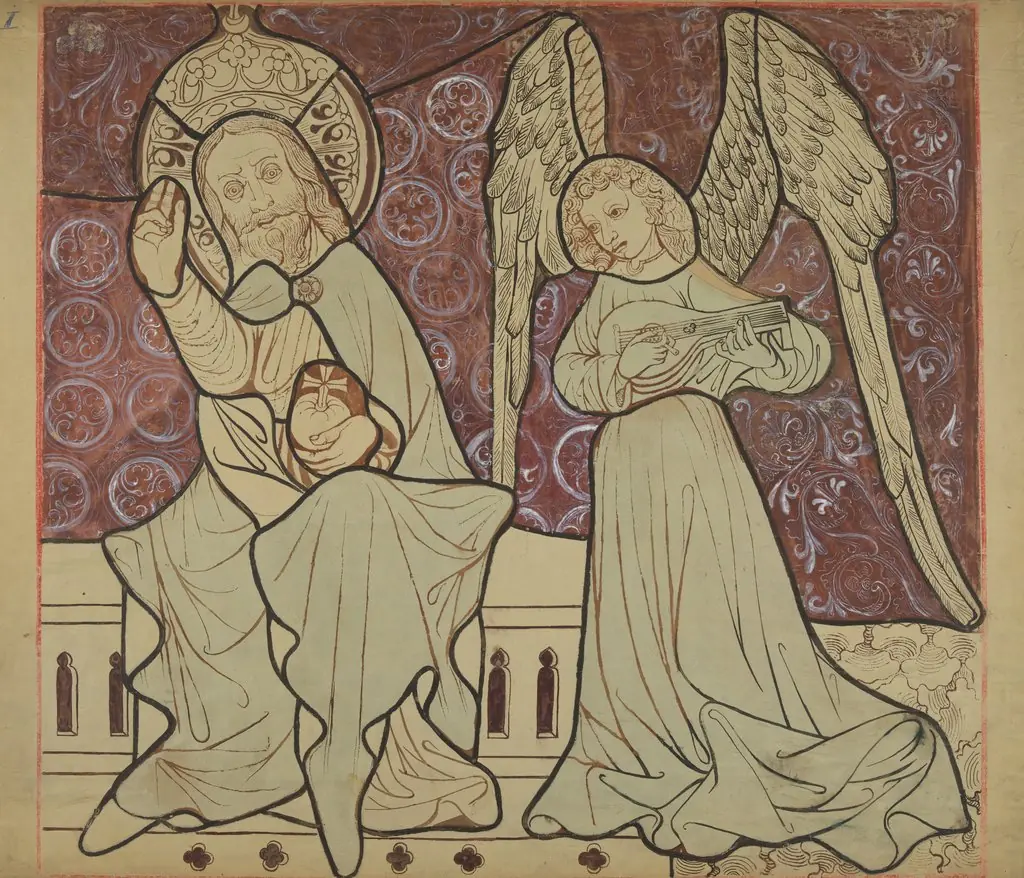 Enthroned Christ with an angel from the scene "Coronation of the Blessed Virgin Mary" (right part). Artistic reconstruction of a stained-glass panel from the Dominican church in Kraków
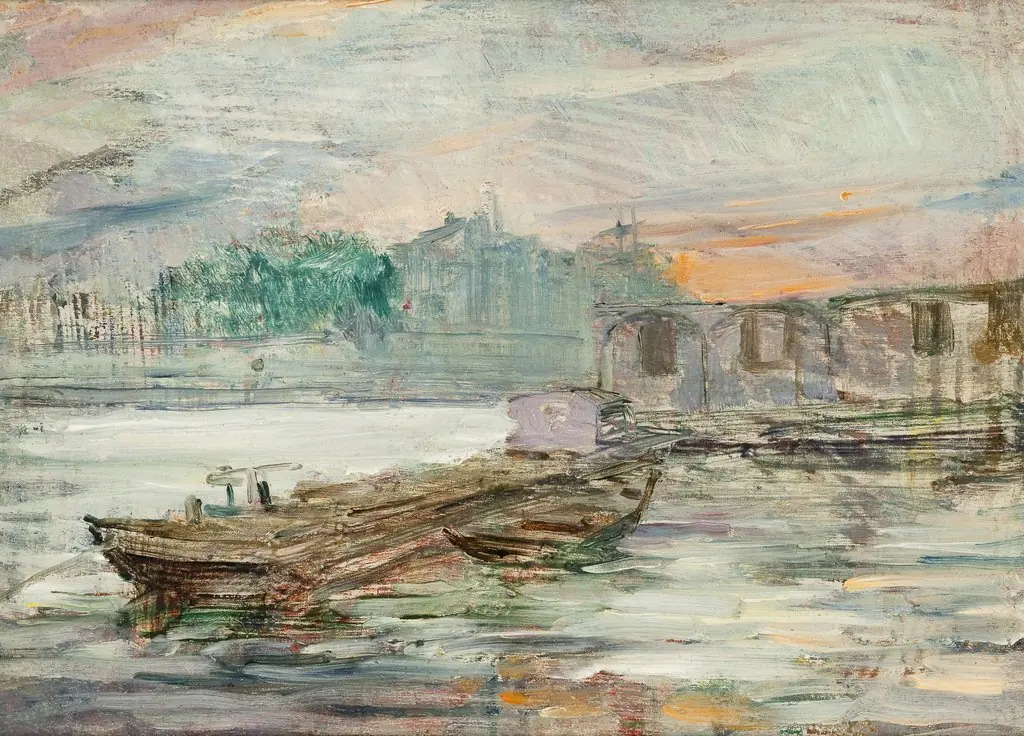 Barges on the Seine
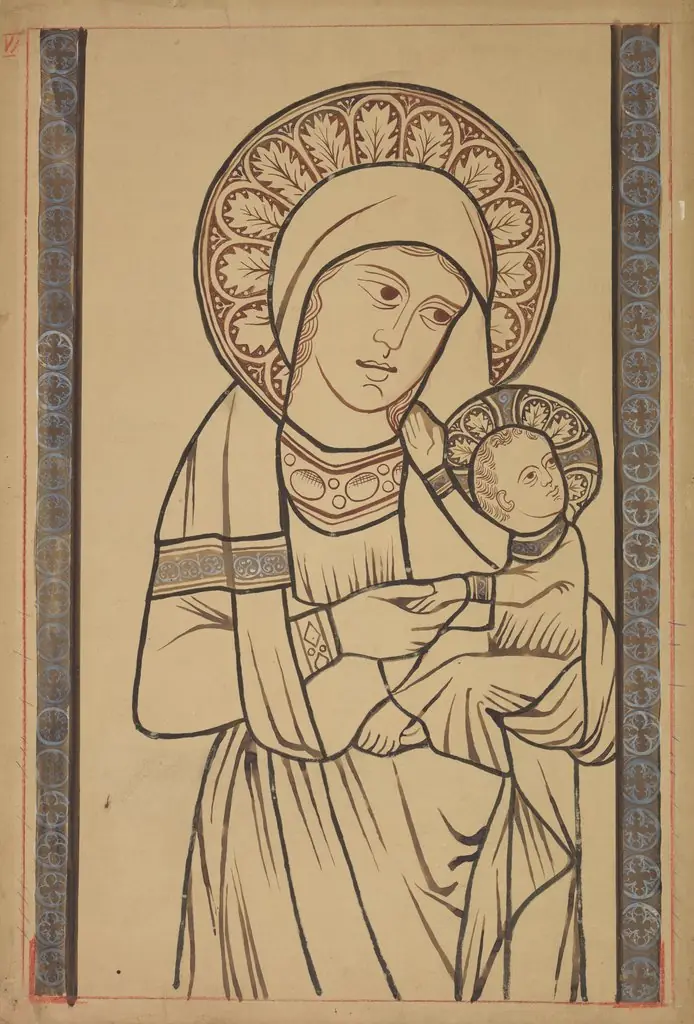 The Blessed Virgin Mary with Child. Artistic reconstruction of a stained-glass panel from the Dominican church in Kraków
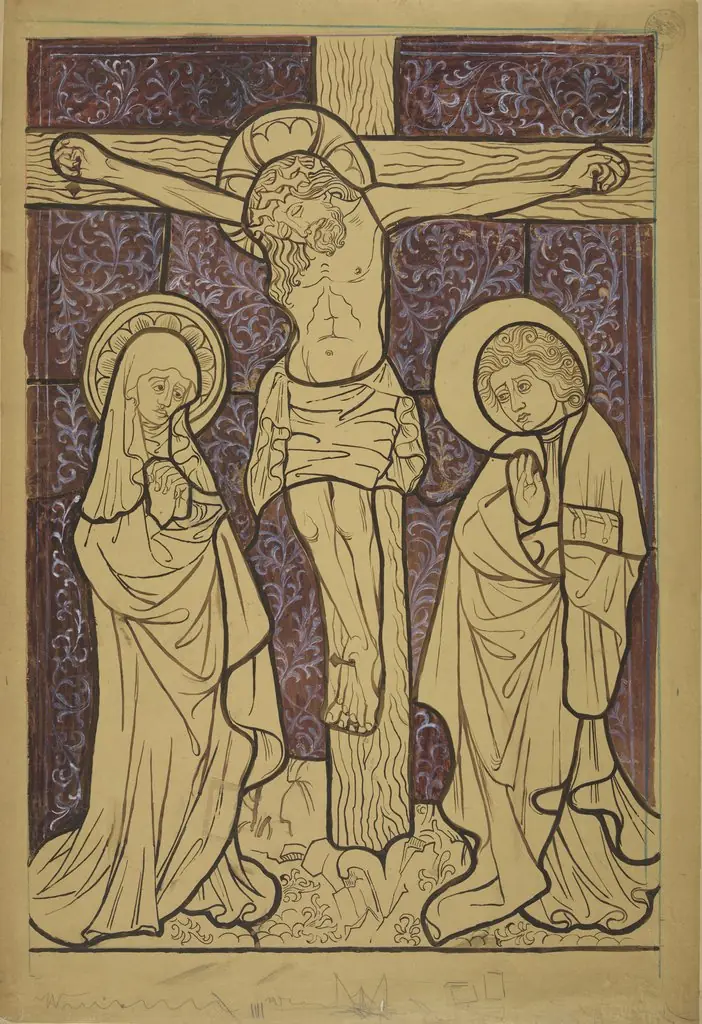 Crucifixion. Artistic reconstruction of a stained-glass panel from the Dominican church in Kraków
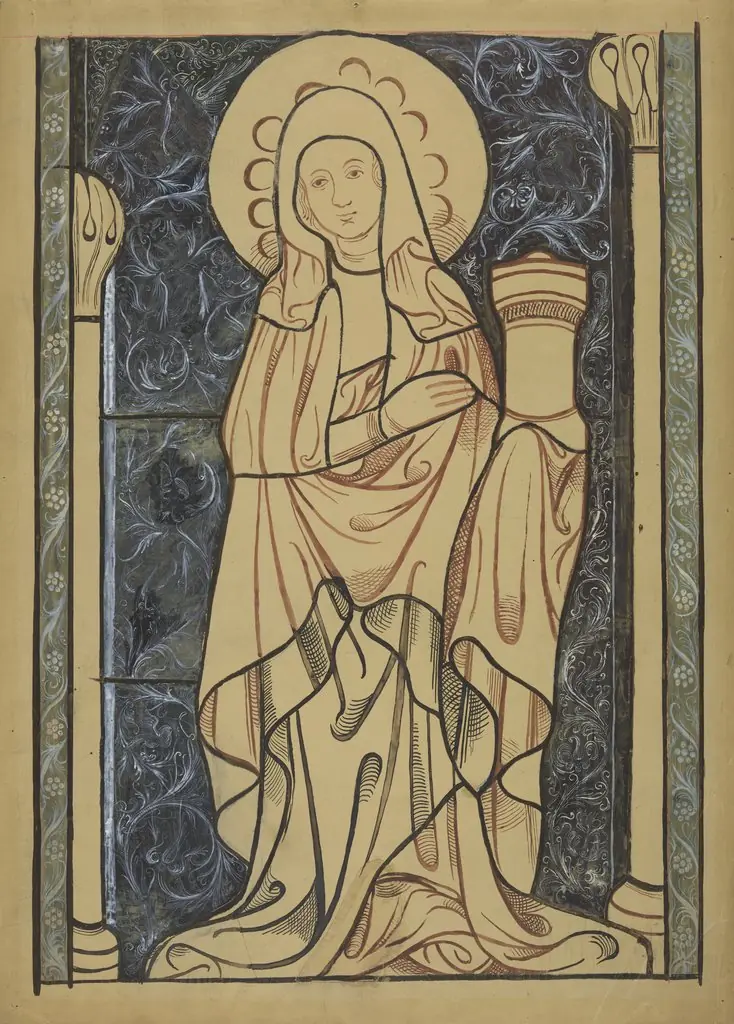 Saint Mary Magdalene. Artistic reconstruction of a stained-glass panel from the Dominican church in Kraków
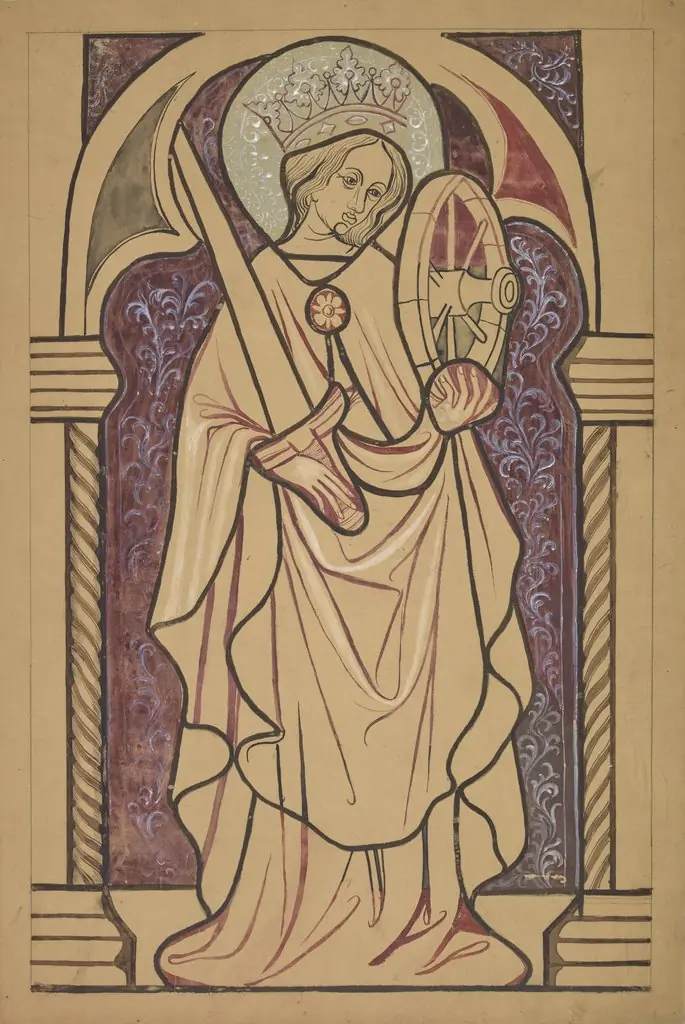 Saint Catherine of Alexandria. Artistic reconstruction of a stained-glass panel from the Dominican church in Kraków
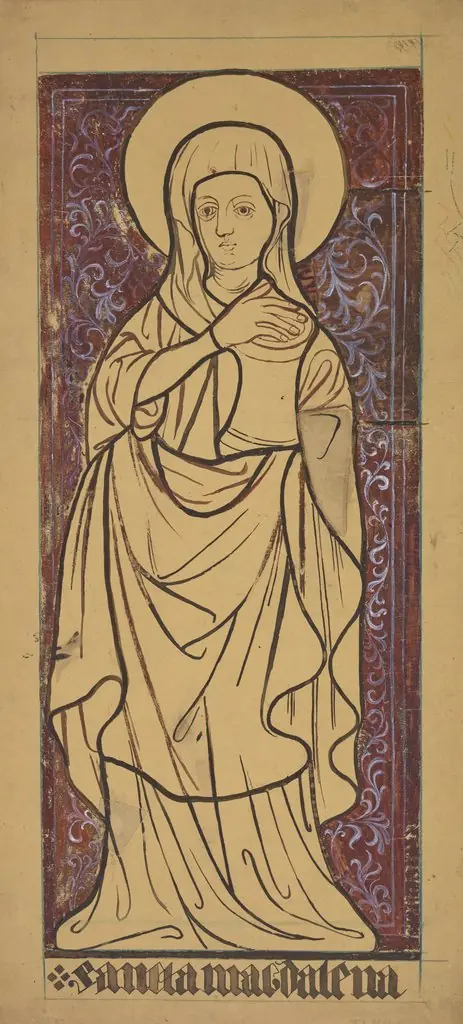 Saint Mary Magdalene. Artistic reconstruction of a stained-glass panel from the Dominican church in Kraków
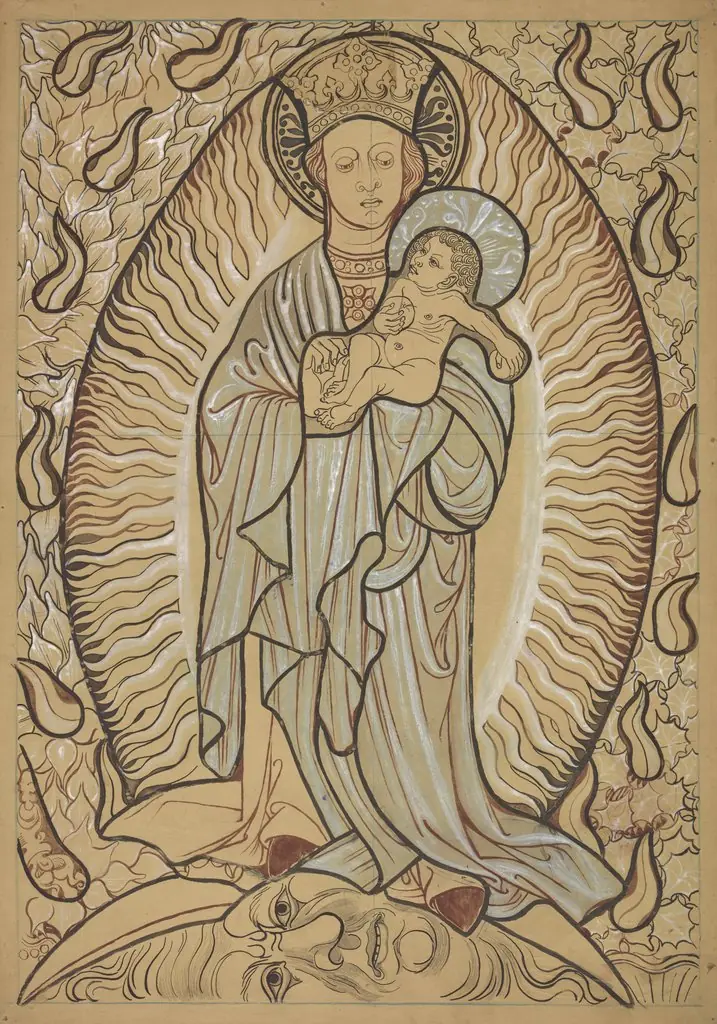 Madonna and Child. Artistic reconstruction of a stained-glass panel from the Dominican church in Kraków