Artwork
The Estacade Bridge
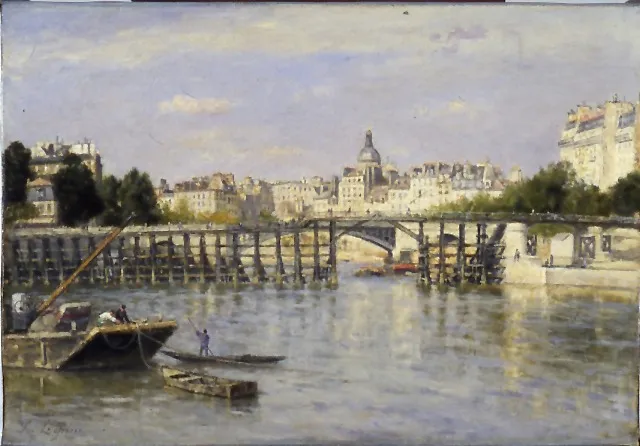
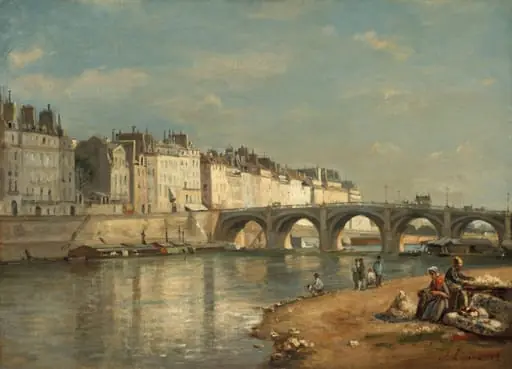
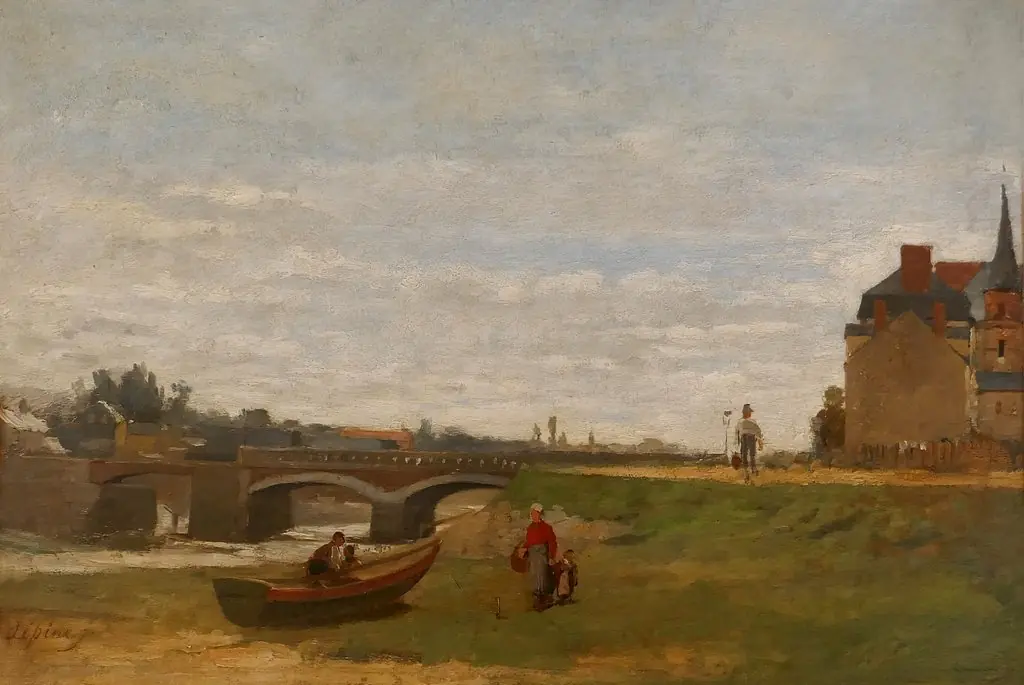
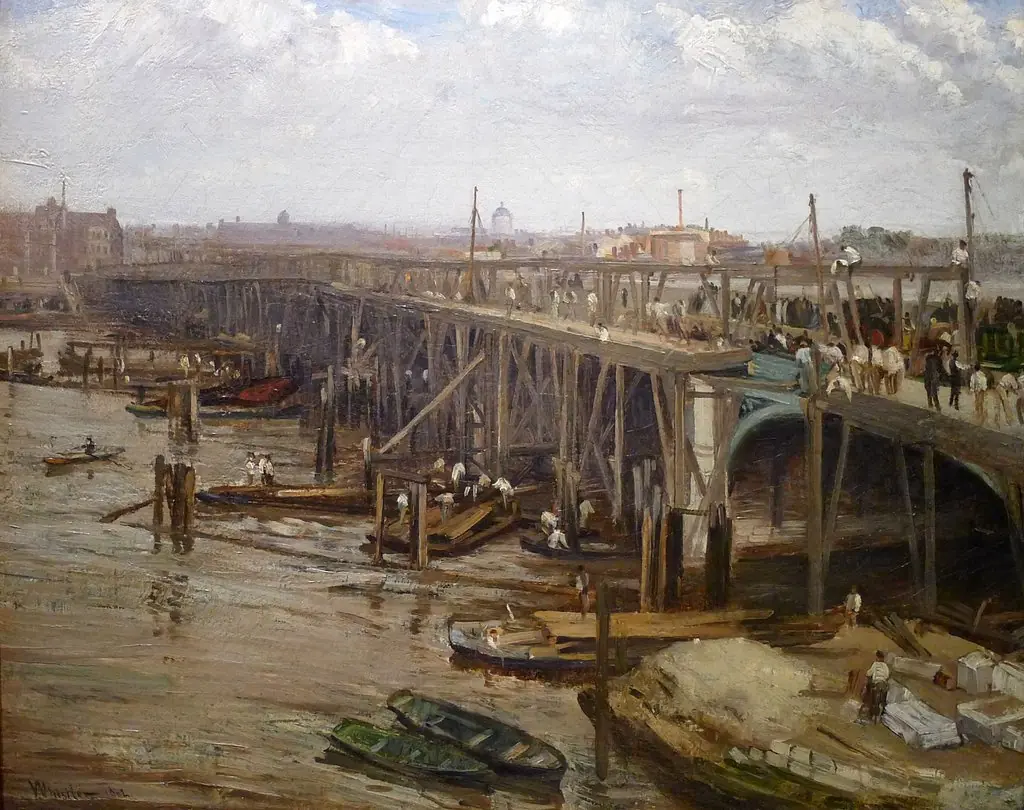
The Estacade Bridge is an oil painting by the Impressionist artist Stanislas Lépine. It dates from 1890 and is held in the collection of the Walters Art Museum.
About this work
Overview
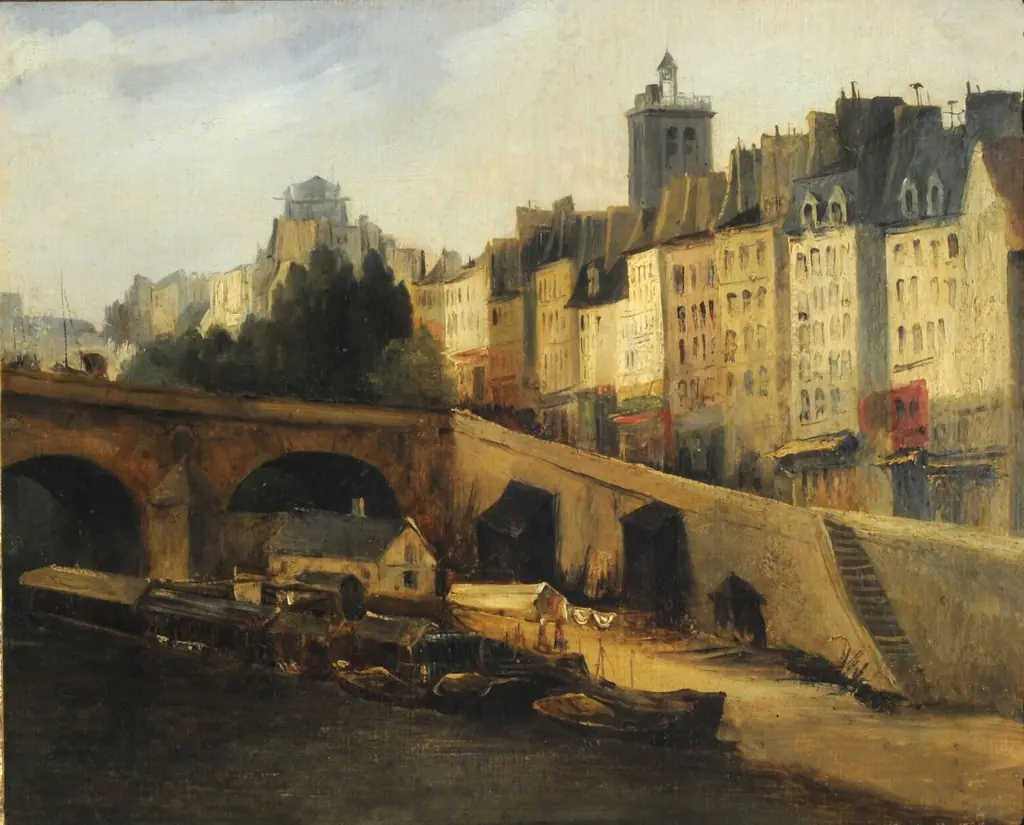
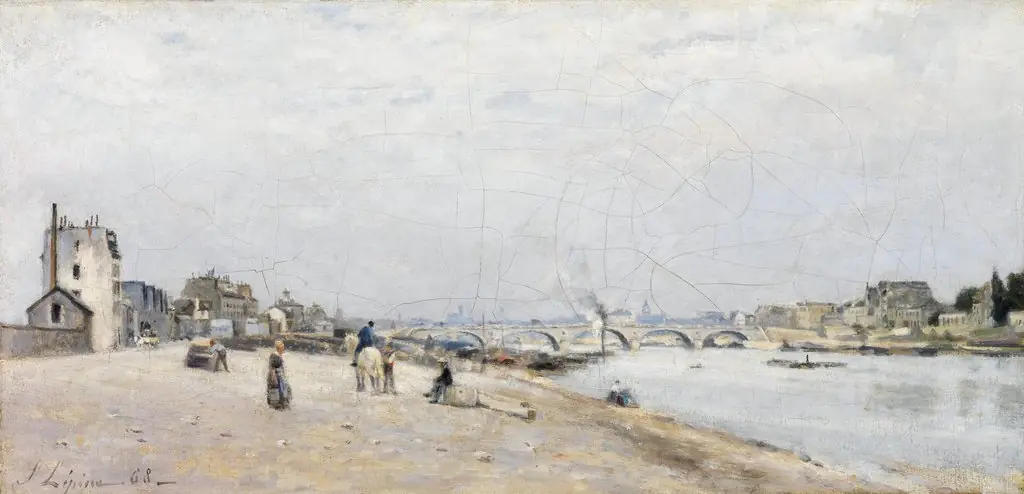
Stanislas Lépine’s oil painting The Estacade Bridge, executed in 1890, depicts a tranquil river landscape dominated by an arched bridge that stretches across the water. The composition balances the architectural structure with a modest shoreline where a handful of boats are tied and a few figures attend to everyday tasks. The work is part of the Walters Art Museum’s collection.
Subject & Meaning
The scene presents a quiet moment of river life, emphasizing the interaction between human activity and the natural environment. The moored vessels and the figures on the bank suggest routine commerce or leisure, while the bridge serves as a focal point that connects both sides of the river, symbolising passage and continuity within a peaceful setting.
Technique & Style
Lépine employs a palette that captures the subtle variations of light on the water’s surface, using warm and cool tones to convey atmospheric depth. Confident, expressive brushwork renders the rippling water and the textured sky, while the handling of shadow and illumination hints at chiaroscuro principles, lending the composition a sense of movement despite its calm subject.
History & Provenance
Created in the late nineteenth century, The Estacade Bridge entered the Walters Art Museum’s holdings through acquisition in the early twentieth century, though specific details of its prior ownership remain sparse. Its presence in the museum’s European painting collection reflects the institution’s focus on works that illustrate French landscape traditions of the period.
Artist & collection
Artist
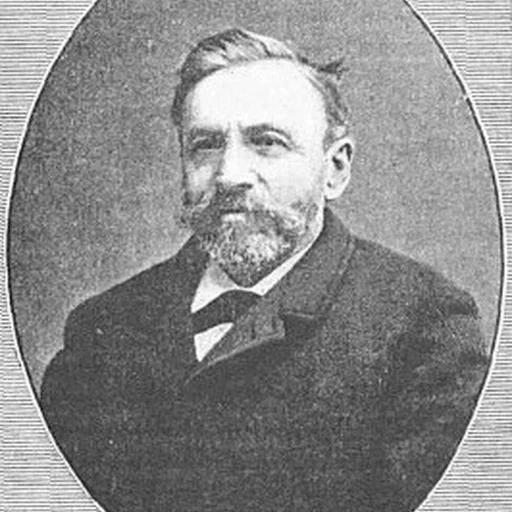
Stanislas Victor Edouard Lépine (October 3, 1835 – September 28, 1892) was a French painter who specialized in landscapes, especially views of the Seine.