Artwork
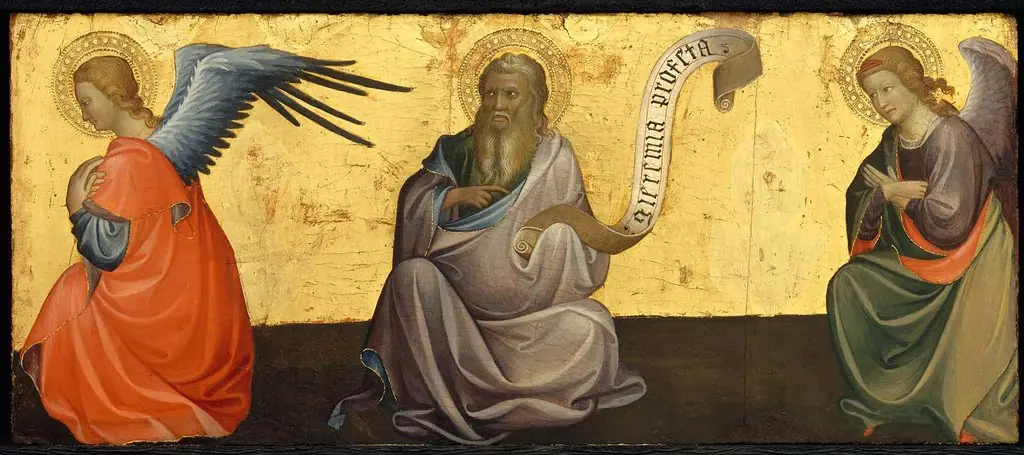
Isaiah with Two Angels
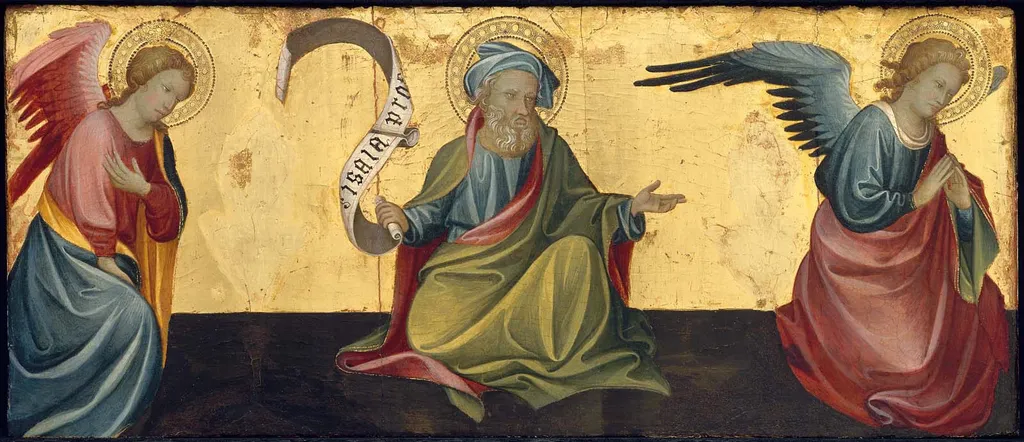
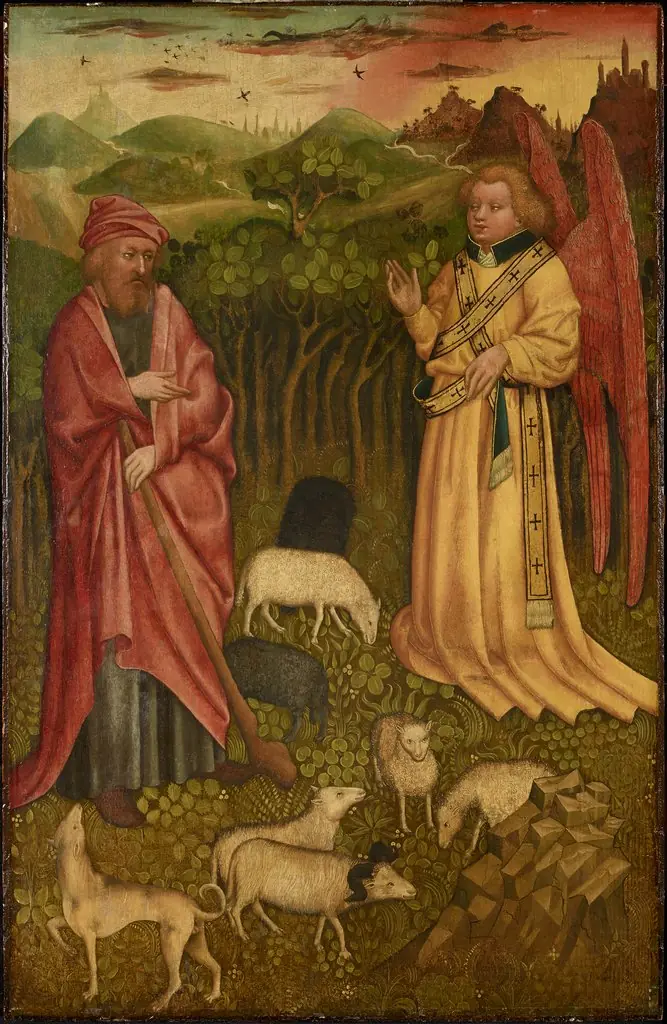
Isaiah with Two Angels is an unspecified painting by the Early Renaissance artist Gherardo Starnina. It dates from 1410 and is held in the collection of the Museum of Fine Arts Boston.
About this work
Overview
Starnina, trained in the late Gothic tradition under Antonio Veneziano and Agnolo Gaddi, produced this panel during a transitional phase in Italian painting.
Painted in 1410 by the Florentine artist Gherardo Starnina, this work depicts the prophet Isaiah flanked by two angels. Starnina, trained in the late Gothic tradition under Antonio Veneziano and Agnolo Gaddi, produced this panel during a transitional phase in Italian painting. His move to Spain in the late 14th century influenced his stylistic development, blending Italian devotional forms with Iberian decorative sensibilities evident in the composition’s rich color and linear detail.
Subject & Meaning
The painting portrays Isaiah, a major Old Testament prophet, seated centrally with a scroll inscribed with prophetic text. Two angels flank him, their posture suggesting reverence or delivery of divine message. The scene reflects medieval and early Renaissance devotional practices, emphasizing the prophet’s role as a conduit of sacred revelation. The angels’ presence underscores the celestial authority of Isaiah’s words, reinforcing their theological weight within Christian liturgical context.
Technique & Style
Starnina employs tempera on panel with careful attention to textile detail and gold leaf halos, characteristic of late Gothic panel painting. The figures are arranged in a static, hieratic composition, yet the drapery shows subtle modeling and rhythmic folds. Color is used symbolically—green for hope, red for divine passion—while the angels’ robes contrast in hue to define spatial balance. The scroll’s script, though not legible, is rendered with precision to signify sacred content.
History & Provenance
Created in Florence in 1410, the painting likely originated as part of a private devotional collection or chapel altarpiece. Starnina’s documented work in Spain under Juan I of Castile suggests possible Iberian patronage, though this panel remained in Italy. Its survival through centuries reflects its enduring value to collectors, though its early ownership records are sparse, and its current location traces to 20th-century institutional acquisition.
Context
In early 15th-century Florence, religious imagery dominated artistic production, with prophets and saints serving as intermediaries between the divine and the faithful. Starnina’s work aligns with contemporaries like Lorenzo Monaco, who favored elongated forms and luminous color. Yet his exposure to Spanish court art introduced a more ornamental approach, distinguishing his style from purely Florentine trends and illustrating cross-regional artistic exchange during the early Renaissance.
Legacy
Though not widely known today, Starnina’s work represents a bridge between late Gothic conventions and emerging Renaissance naturalism. His integration of Iberian decorative elements into Italian devotional themes offers insight into the mobility of artists and the fluidity of stylistic influence. This painting, among his few surviving panels, contributes to understanding the regional diversity within early Renaissance religious art beyond major centers like Florence and Siena.
Artist & collection
Artist
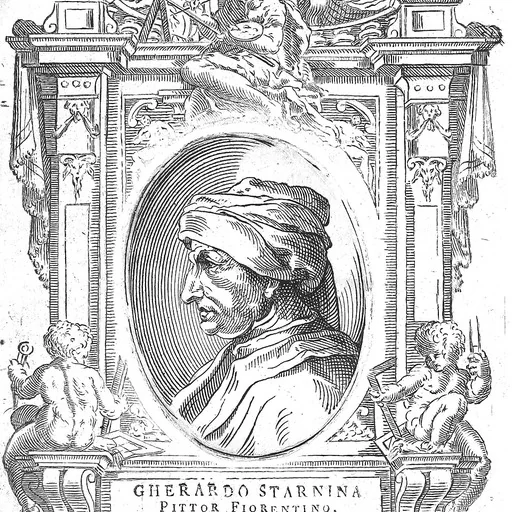
Gherardo Starnina (c. 1360–1413) was an Italian painter from Florence in the Quattrocento era. According to the biographer Giorgio Vasari, Starnina initially trained with Antonio Veneziano, then with Agnolo Gaddi. He is…

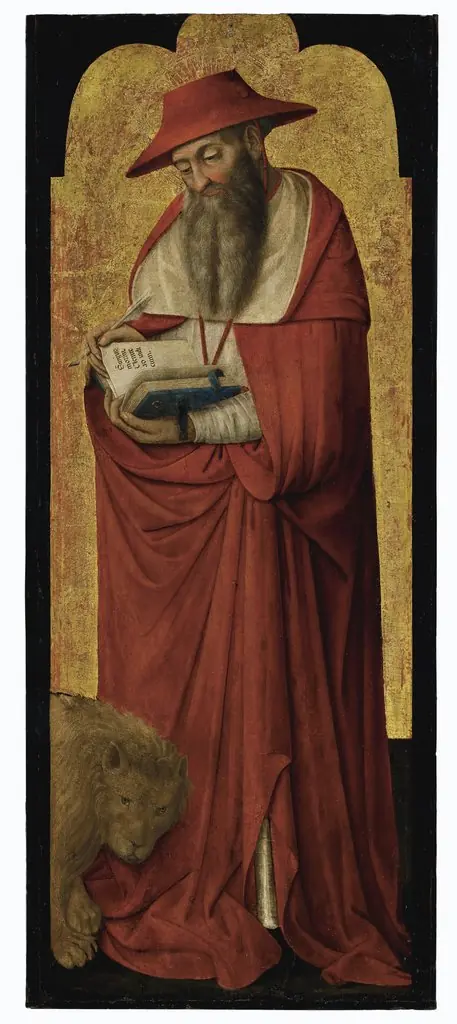 Saint Jerome, part of an altarpiece
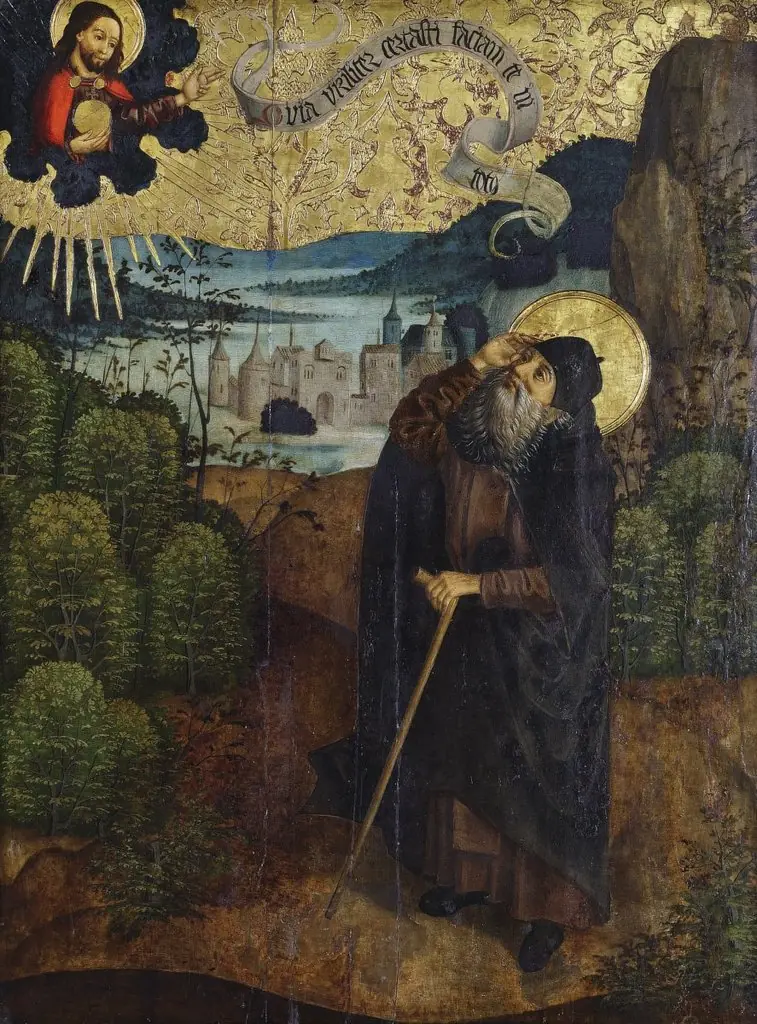 Vision of St. Anthony the Hermit, detail of an altar wing from the Church of Saint Anthony in Szepesbéla (today Spišská Belá, Slovakia)
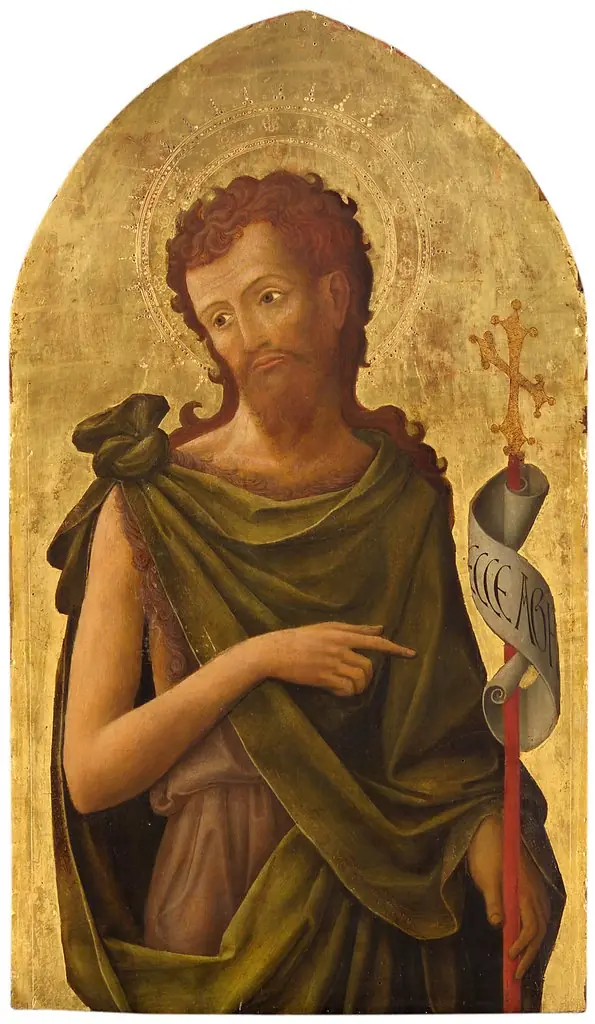 John the Baptist
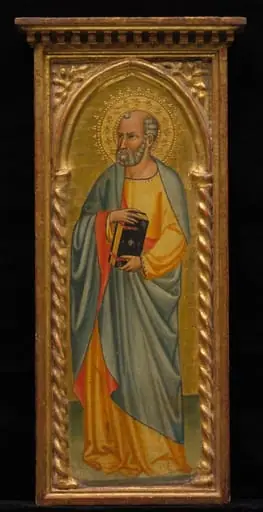 Standing Saint
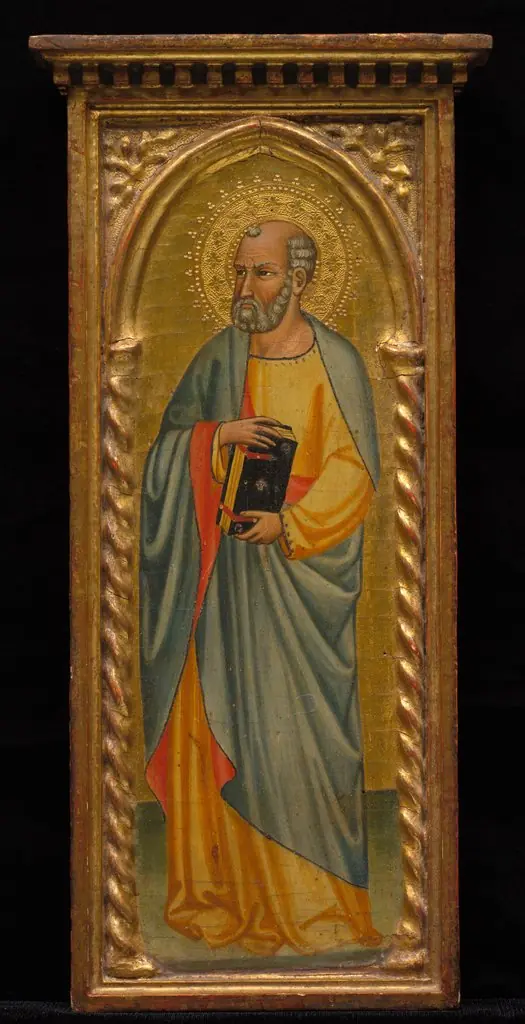 Standing Saint
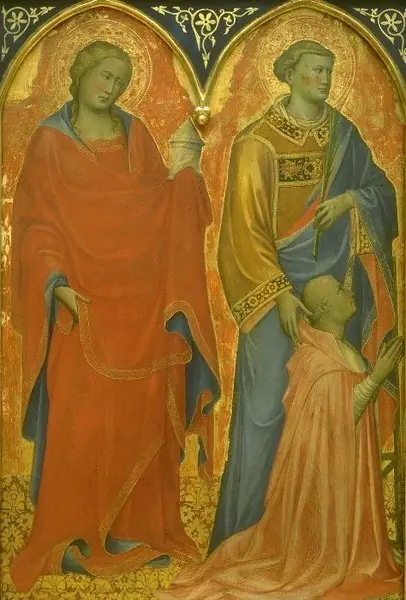
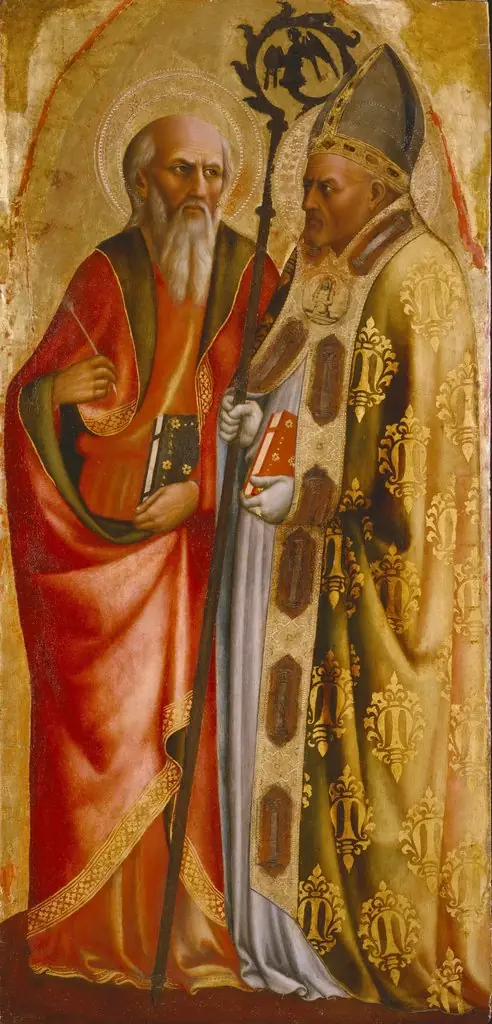 Saints John the Evangelist(?) and Martin of Tours
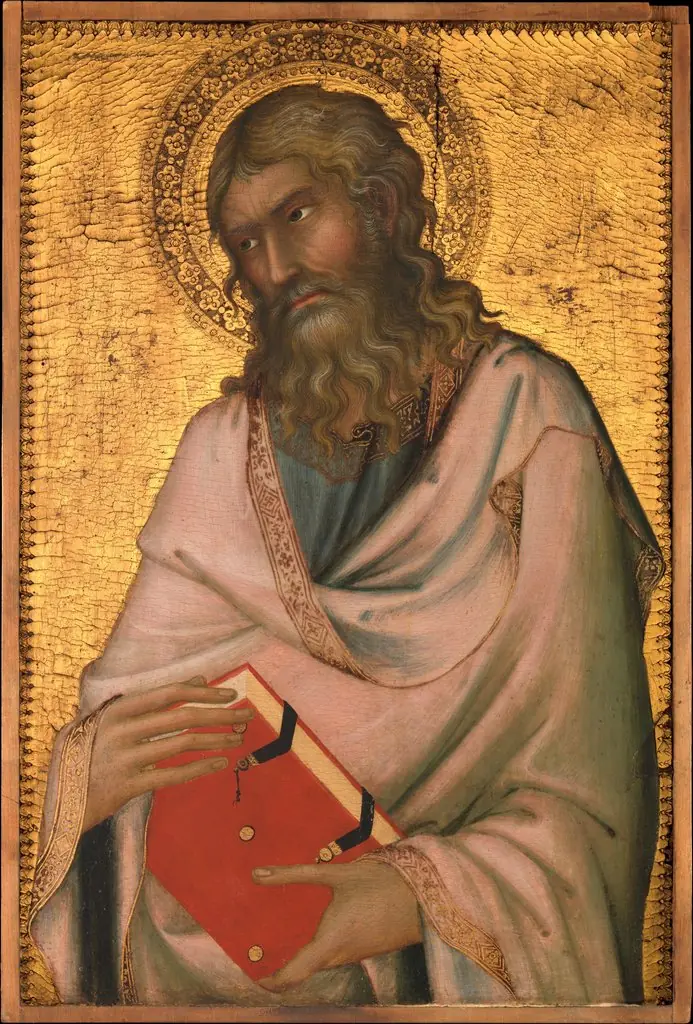 Saint Andrew
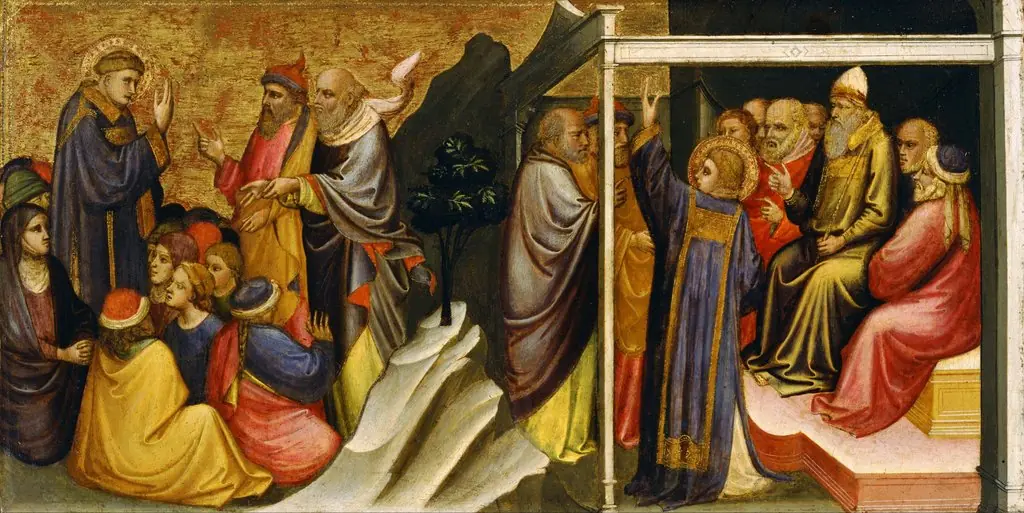 Predella Panel Representing the Legend of St. Stephen: St. Stephen Preaching
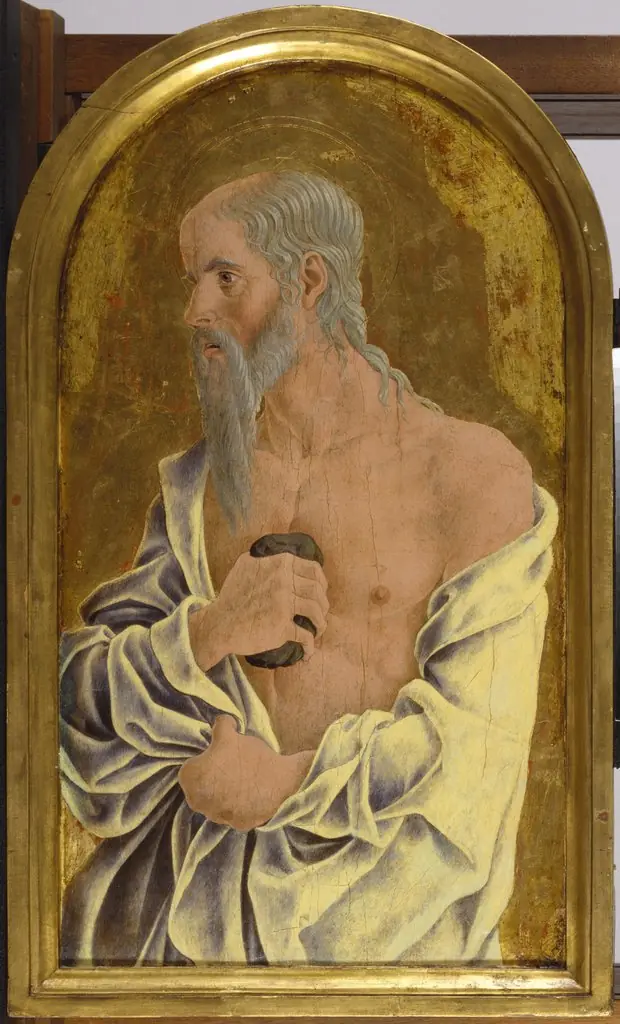 Saint Jerome in Penitence
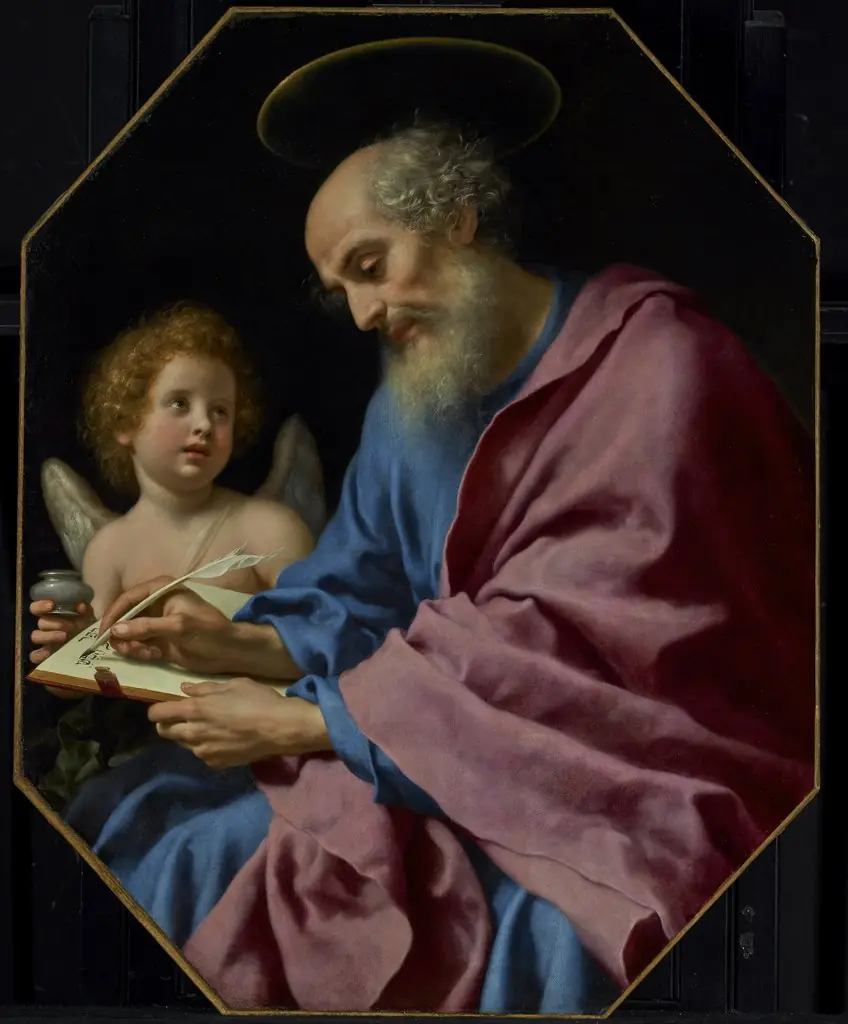 St. Matthew Writing His Gospel
 Botschaft des Engels an Joachim