Artwork
Several heads in the Persian style: Portrait, Sultana Wearing a Pearl Necklace and a Turban (Plusieurs têtes coiffées à la persienne)
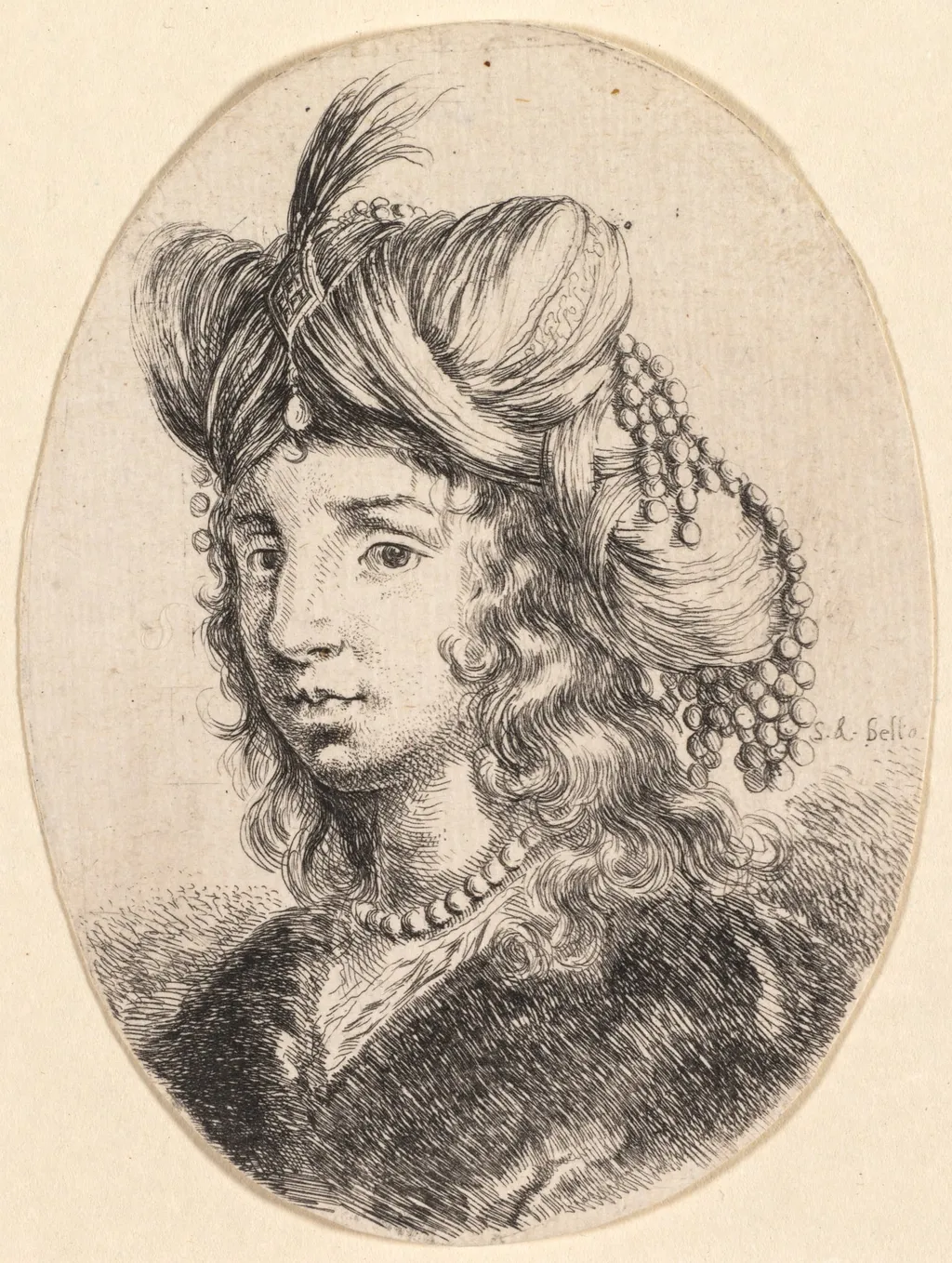
Several heads in the Persian style: Portrait, Sultana Wearing a Pearl Necklace and a Turban (Plusieurs têtes coiffées à la persienne) is a print by the Baroque artist Stefano Della Bella. It dates from 1650 and is held in the collection of the Cleveland Museum of Art.
About this work
Overview
Stefano della Bella, an Italian printmaker from Florence, created this etching in 1650 as part of a series exploring imagined Eastern figures.
Stefano della Bella, an Italian printmaker from Florence, created this etching in 1650 as part of a series exploring imagined Eastern figures. Though trained in classical traditions, he turned to graphic media to experiment with exoticized portraiture. The work is not a painted portrait but a finely detailed print, reflecting his mastery of etching and his interest in cross-cultural imagery during the Baroque era.
Subject & Meaning
The figure is a stylized representation of a Persian noblewoman, identified by her turban, pearl necklace, and loose hair. Rather than a documented individual, she embodies European fantasies of the East—elegant, mysterious, and ornate. The inclusion of a feather in the turban and the emphasis on jewelry suggest an idealized, theatrical vision of Persian courtly life, common in 17th-century visual culture.
Technique & Style
Della Bella used fine, expressive etching lines to render texture: scratchy strokes define the turban’s folds, the necklace’s beads, and the softness of unbound hair. Shading is achieved through uneven hatching, giving volume to the face and garments without heavy modeling. The sketch-like quality reflects his draughtsmanship, prioritizing immediacy and detail over polished finish, typical of his graphic work.
History & Provenance
Created during della Bella’s time in Paris, the print circulated among collectors and artists interested in exotic themes. It entered the Cleveland Museum of Art’s collection through documented acquisitions in the 20th century. Its survival in good condition reflects its value as an example of Baroque printmaking and the period’s fascination with orientalizing imagery.
Context
In mid-17th-century Europe, depictions of Persian and Ottoman figures were popular in prints and theater, fueled by diplomatic exchanges and travel literature. Della Bella’s work aligns with this trend, drawing from illustrated accounts rather than direct observation. Such images served more as decorative curiosities than ethnographic records, reflecting European imagination over cultural accuracy.
Legacy
This print exemplifies how Italian printmakers contributed to the dissemination of orientalist motifs across Europe. While not politically significant, it reveals the artistic appetite for stylized foreignness during the Baroque. Della Bella’s approach influenced later generations of printmakers who blended observation with invention in depicting non-European subjects.
Artist & collection
Artist
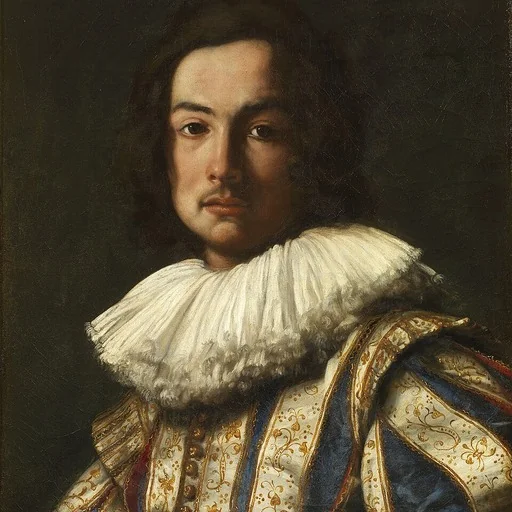
Stefano della Bella (18 May 1610 – 12 July 1664) was an Italian draughtsman and printmaker known for etchings of a great variety of subjects, including military and court scenes, landscapes, and lively genre scenes.

![The Flight into Egypt [verso], by Stefano Della Bella](https://artifactworldgallery.com/img/stefano-della-bella--the-flight-into-egypt-verso--3a100db72e6d25e3-w320.webp)
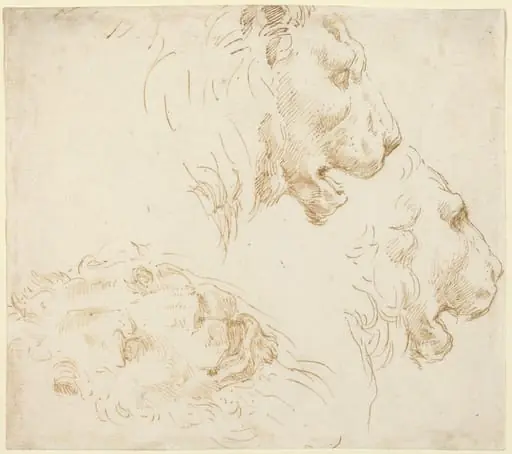
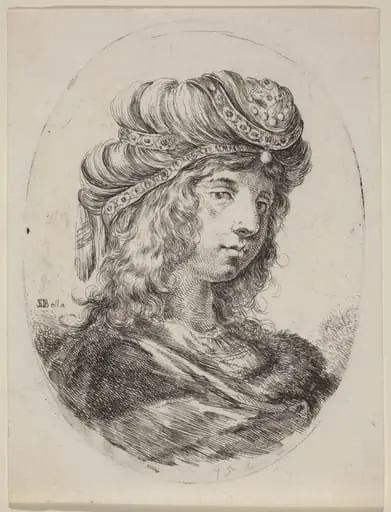 Sultaness in a Banded Turban, Turned to the Right
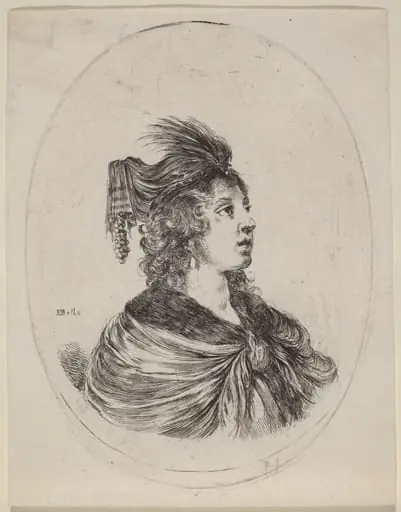 Woman in a Feathered Turban, Turned to the Right
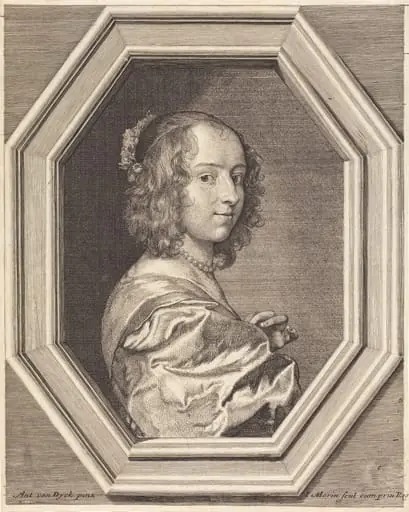 Marguerite Lemon
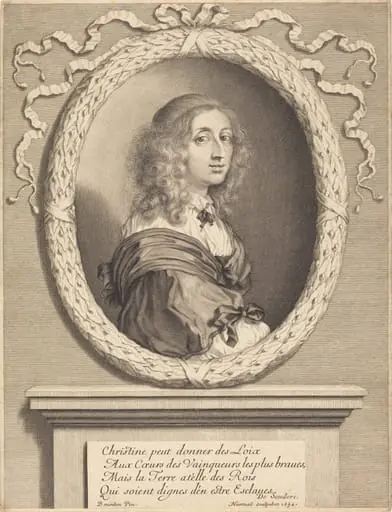 Christina, Queen of Sweden
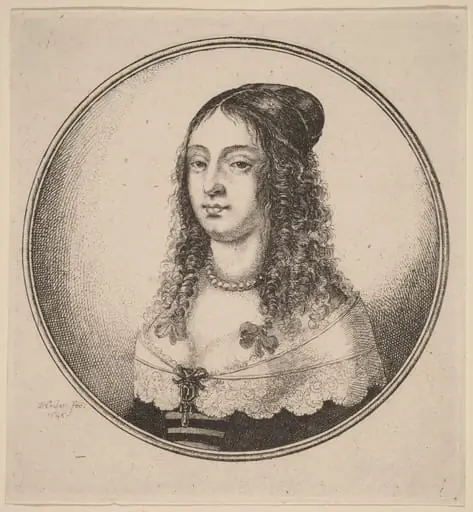 Lady with Ribbons on Curls
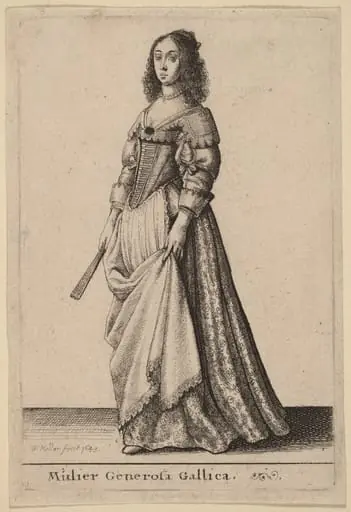 Mulier Generosa Gallica
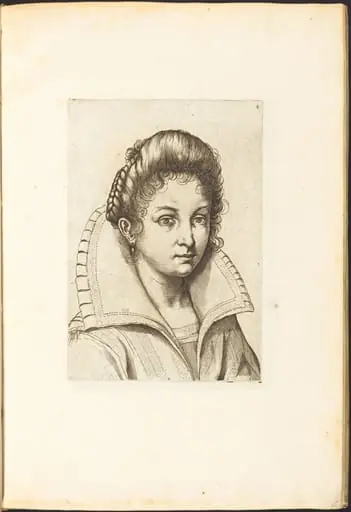 Print from Drawing Book
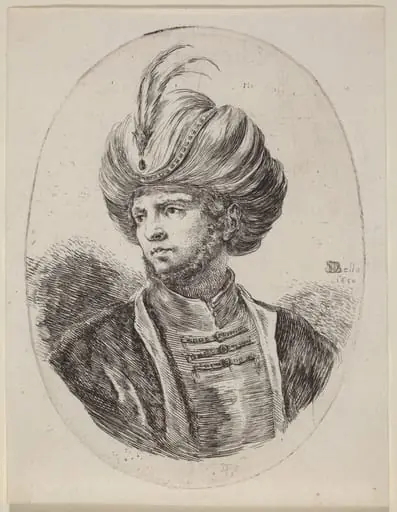 Young Moor with a Slight Beard and Feathered Turban, Turned to the Left
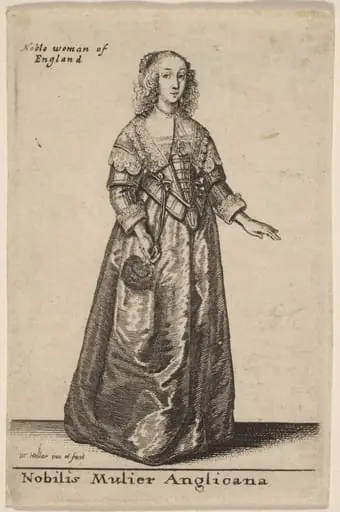 Nobilis Mulier Anglicana