Artwork
Christina, Queen of Sweden
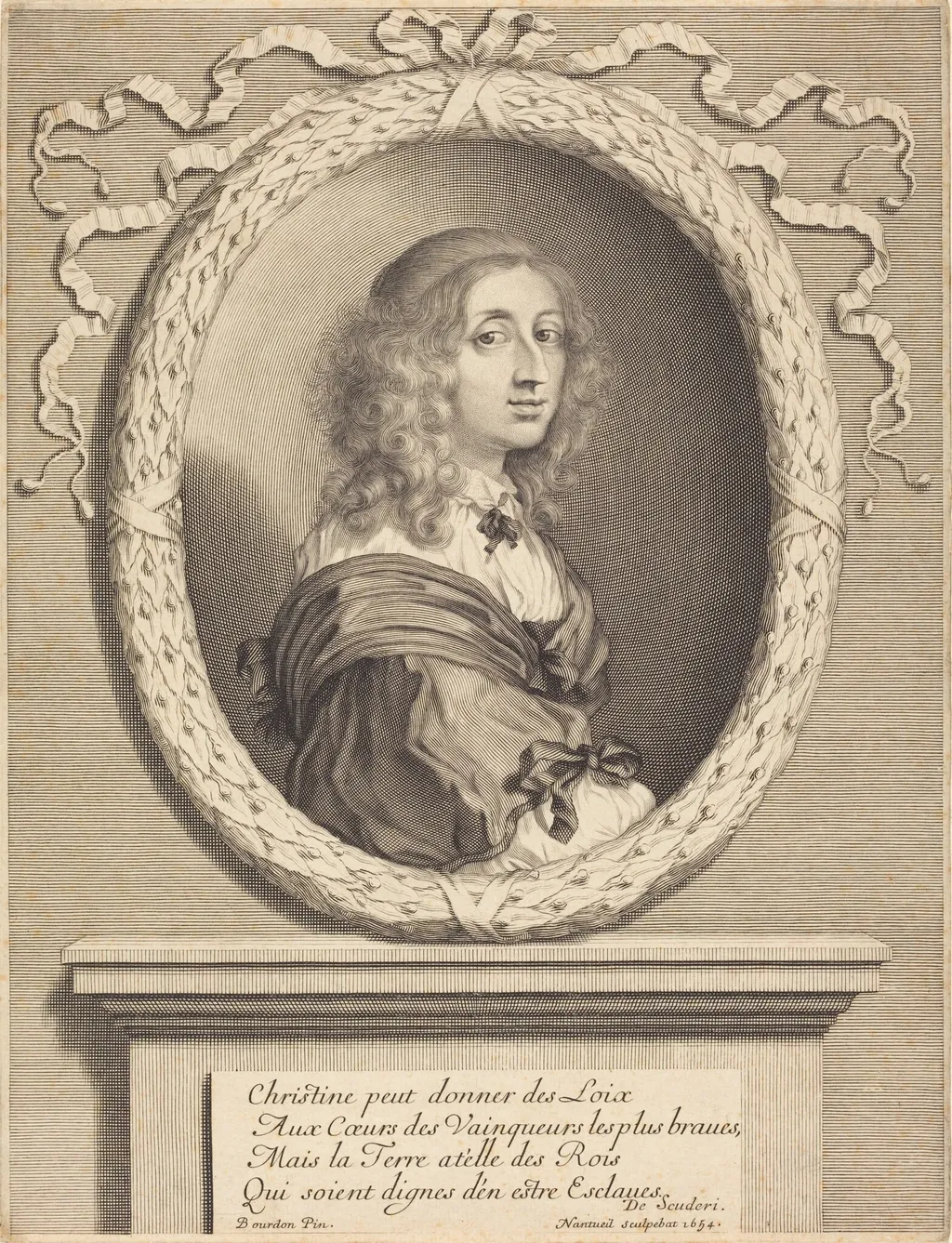
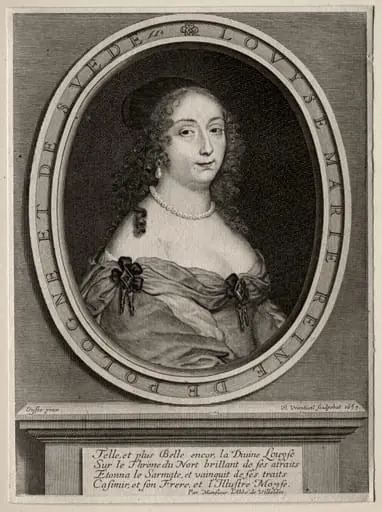
Christina, Queen of Sweden is an ink print by the Baroque artist Robert Nanteuil. It dates from 1654 and is held in the collection of the National Gallery of Art.
About this work
Overview
Nanteuil, renowned for his precision in portraiture and printmaking, was commissioned to capture influential figures of the era.
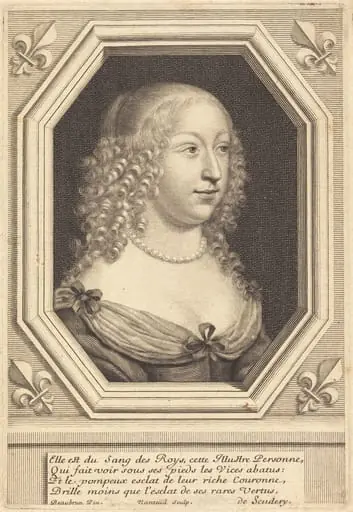
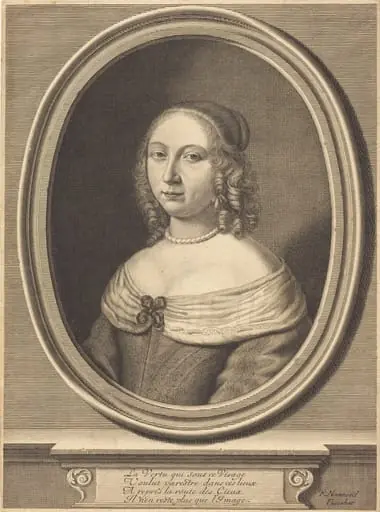
Created in 1654 by French artist Robert Nanteuil, this engraving portrays Christina of Sweden shortly after her abdication. Nanteuil, renowned for his precision in portraiture and printmaking, was commissioned to capture influential figures of the era. The work is a formal, monochrome representation, executed through the meticulous technique of metal engraving, which allowed for fine detail and wide distribution among European elites.
Subject & Meaning
Christina, former monarch of Sweden, is depicted not as a reigning sovereign but as a private individual in transition. Her abdication in 1654 marked a dramatic departure from royal duty, and the portrait reflects her new identity as a cultured traveler. The inclusion of a French poetic inscription on power and leadership subtly frames her choice as both noble and complex, inviting reflection on authority beyond the throne.
Technique & Style
Nanteuil employed fine-line engraving on copper to render Christina’s features with delicate clarity. The portrait is enclosed in an ornate oval frame with swirling motifs, typical of 17th-century print conventions. The text below, set in elegant serif lettering, is integrated as part of the composition rather than an afterthought. The contrast of light and shadow, achieved through controlled line density, emphasizes her poised expression and elaborate collar.
History & Provenance
The engraving was produced in Paris during Christina’s stay in France after her abdication. Nanteuil, as a court artist to Louis XIV, had access to high-profile subjects and often circulated portraits to reinforce political and cultural connections. This image likely served as a diplomatic gift or a collectible item among European intellectuals, documenting Christina’s shift from ruler to cultural figure.
Context
In mid-17th century Europe, portraiture in print was a key medium for shaping public perception. Christina’s abdication was unprecedented for a female monarch, drawing widespread attention. Nanteuil’s engraving aligns with a broader trend of using engraved portraits to immortalize political transitions, blending personal identity with the symbolic language of power and intellect.
Legacy
The engraving remains a significant record of Christina’s post-abdication persona and Nanteuil’s mastery of the medium. It contributed to the visual archive of early modern European royalty and influenced later portrait prints through its integration of text and image. Today, it is studied as an example of how print culture mediated the reputations of unconventional rulers.
Artist & collection
Artist
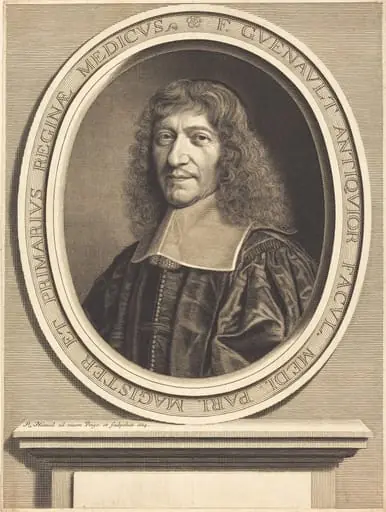
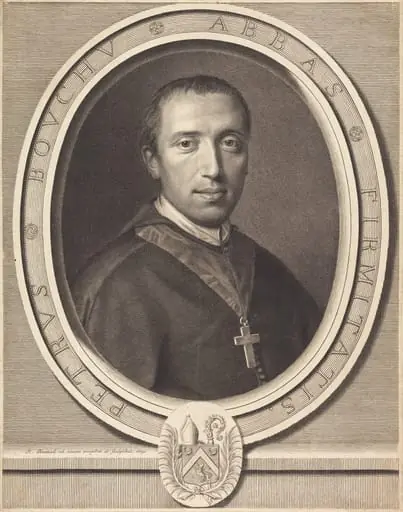
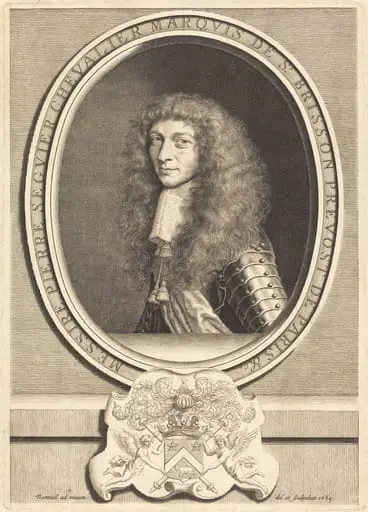
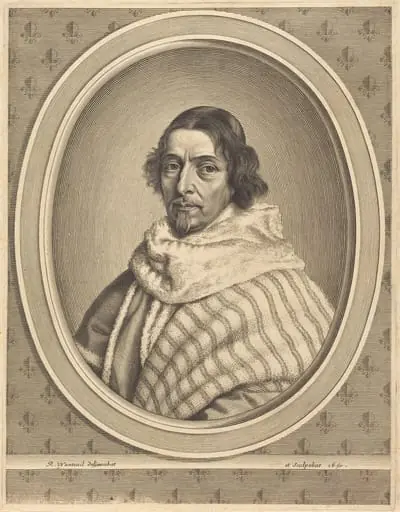
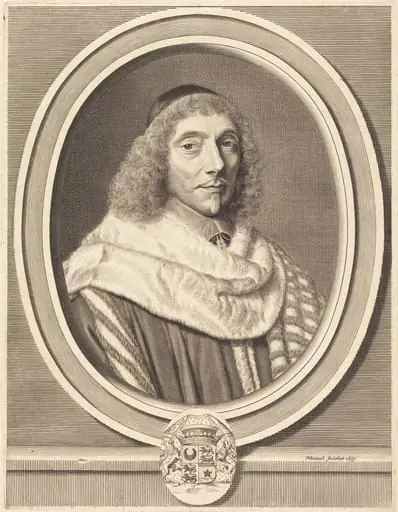
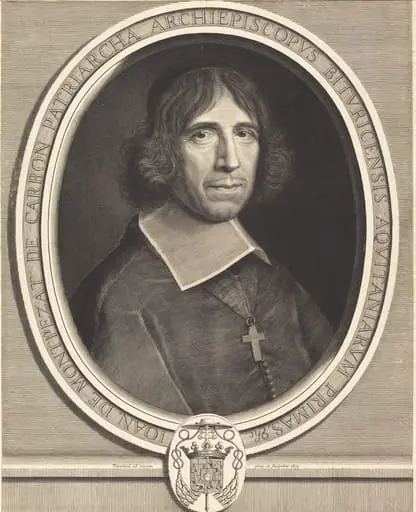
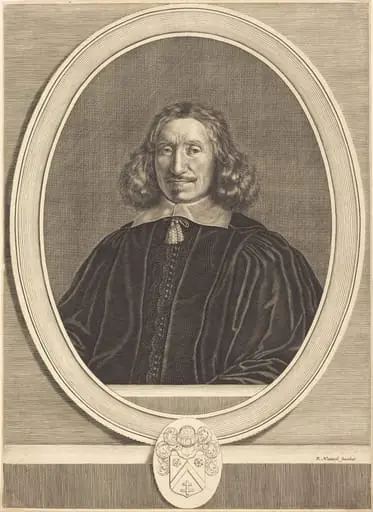
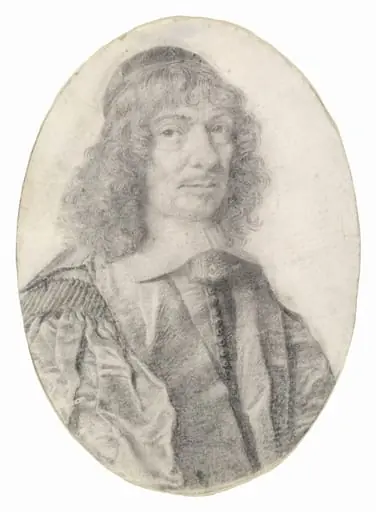
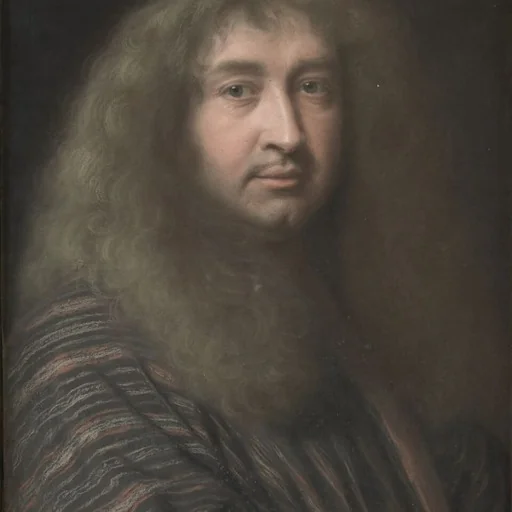
Robert Nanteuil (French pronunciation: ; 1623 – 9 December 1678) was a French portrait artist: engraver, draughtsman and pastellist to the court of Louis XIV.