Artwork
Lucas Cranach
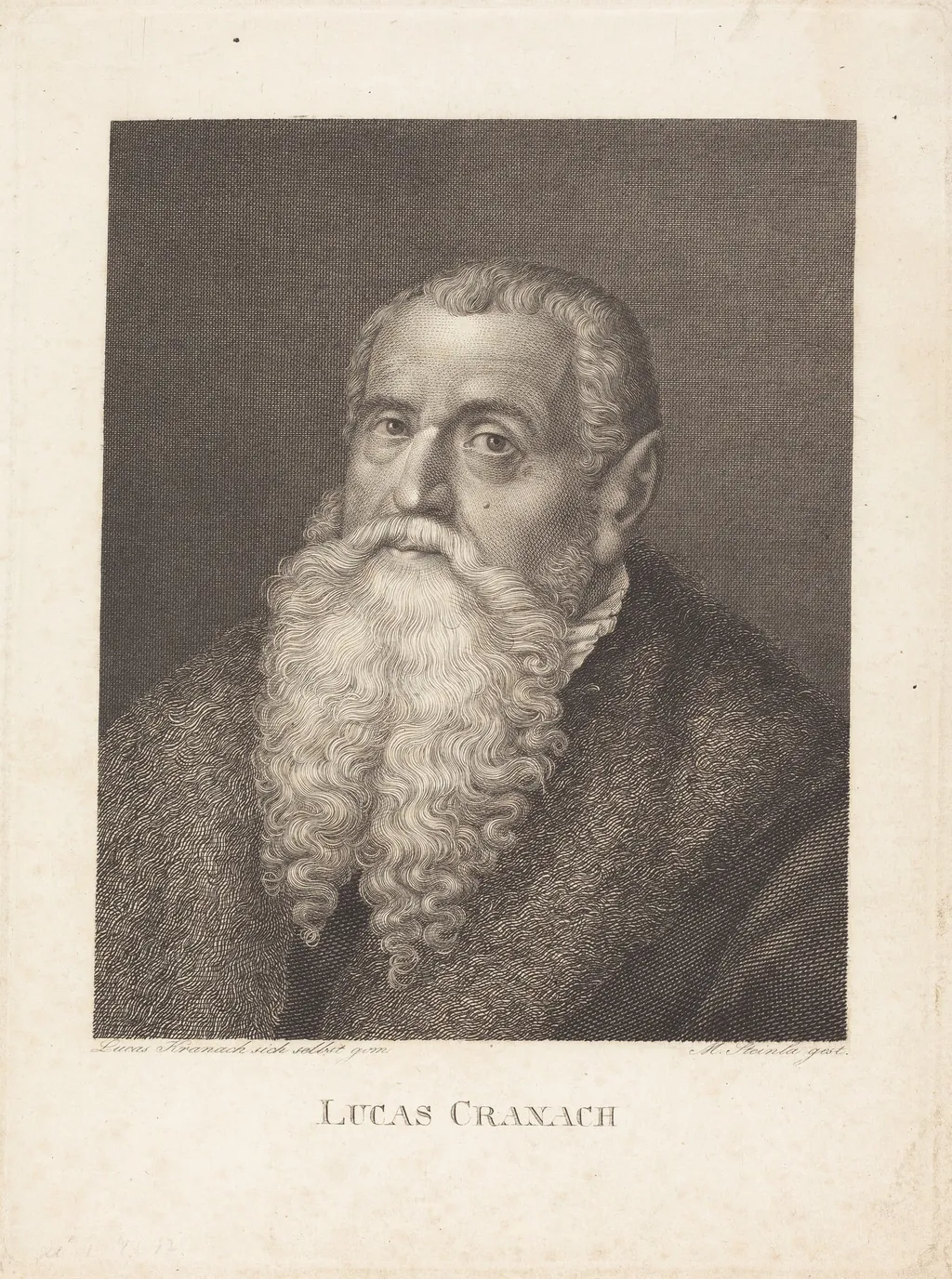
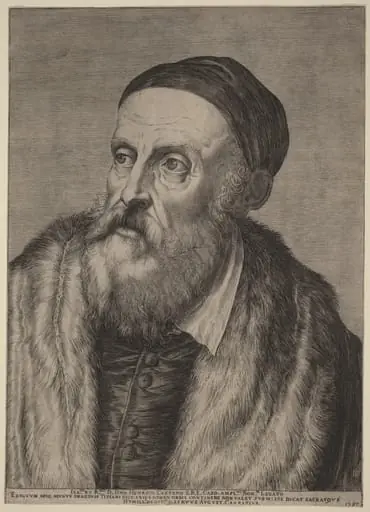
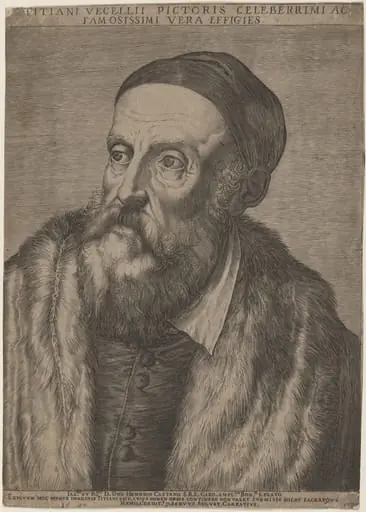
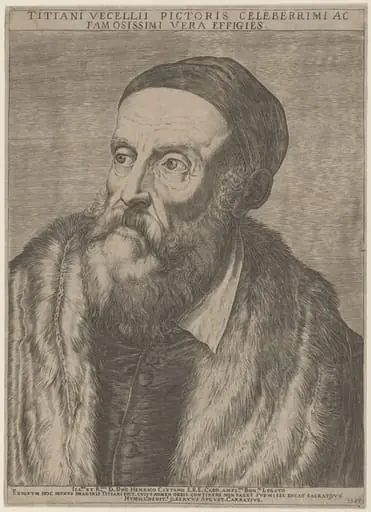
Lucas Cranach is an ink print by the Romanticist artist Moritz Steinla. It dates from 1824 and is held in the collection of the National Gallery of Art.
About this work
Overview
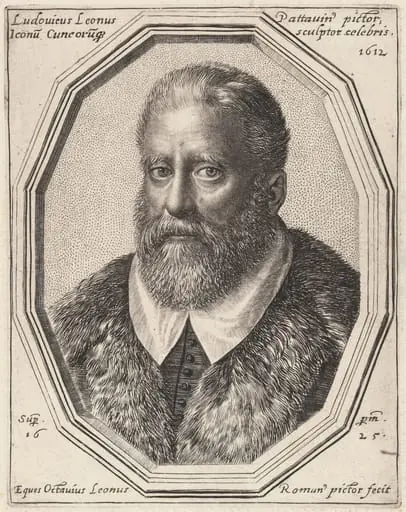
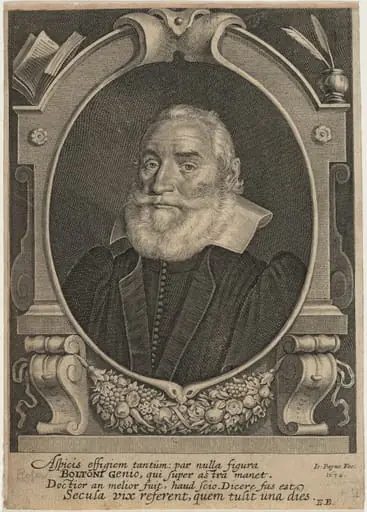
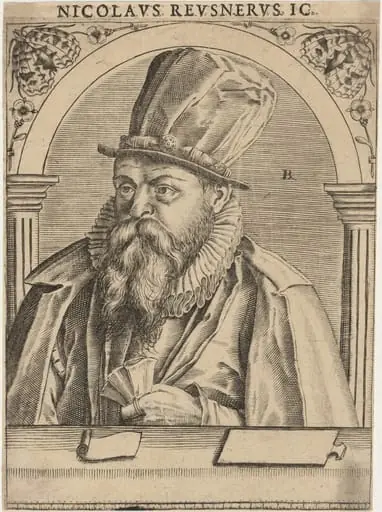
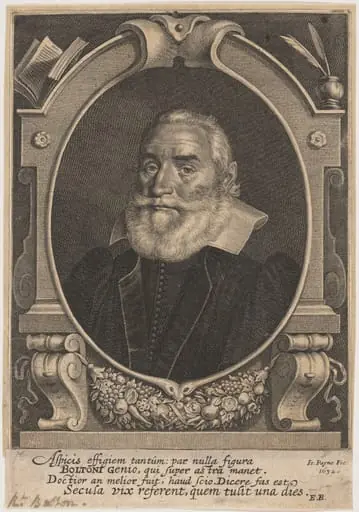
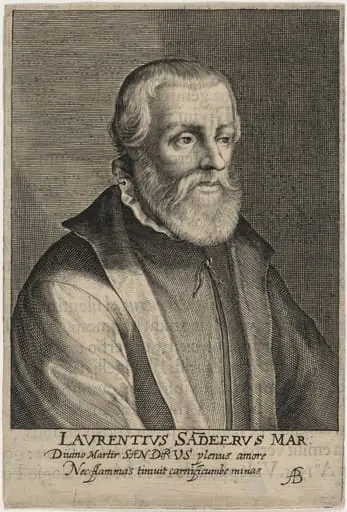
This 1824 engraving, titled “Lucas Cranach,” is a black‑and‑white print executed by Moritz Steinla. The work presents a close‑up portrait of an elderly male figure, rendered with meticulous line work that emphasizes the texture of his white beard and deeply furrowed skin. The plain background isolates the sitter, directing the viewer’s attention entirely to his expressive face.
Subject & Meaning
The portrait depicts an older man whose steady gaze and pronounced wrinkles convey a sense of experience and contemplation. While the identity of the sitter is not specified, the dignified bearing and careful rendering suggest an intention to honor the individual’s character, perhaps reflecting the reverence often afforded to learned or venerable figures in early‑19th‑century portraiture.
Technique & Style
The tight, precise incisions demonstrate the artist’s skill in controlling line density to model form within the constraints of a monochrome medium.
Steinla employed the engraving technique of cross‑hatching, layering intersecting lines to build tonal variation and depth. This method creates subtle gradations of shadow, especially around the beard and forehead, giving the image a three‑dimensional quality. The tight, precise incisions demonstrate the artist’s skill in controlling line density to model form within the constraints of a monochrome medium.
History & Provenance
Created in 1824, the print forms part of Moritz Steinla’s body of work, which includes a range of portrait engravings. Though specific ownership records are limited, the piece reflects the period’s interest in reproducing likenesses through print, allowing broader dissemination of portraiture beyond painted originals.
Artist & collection