Artwork
Ludovico Leoni
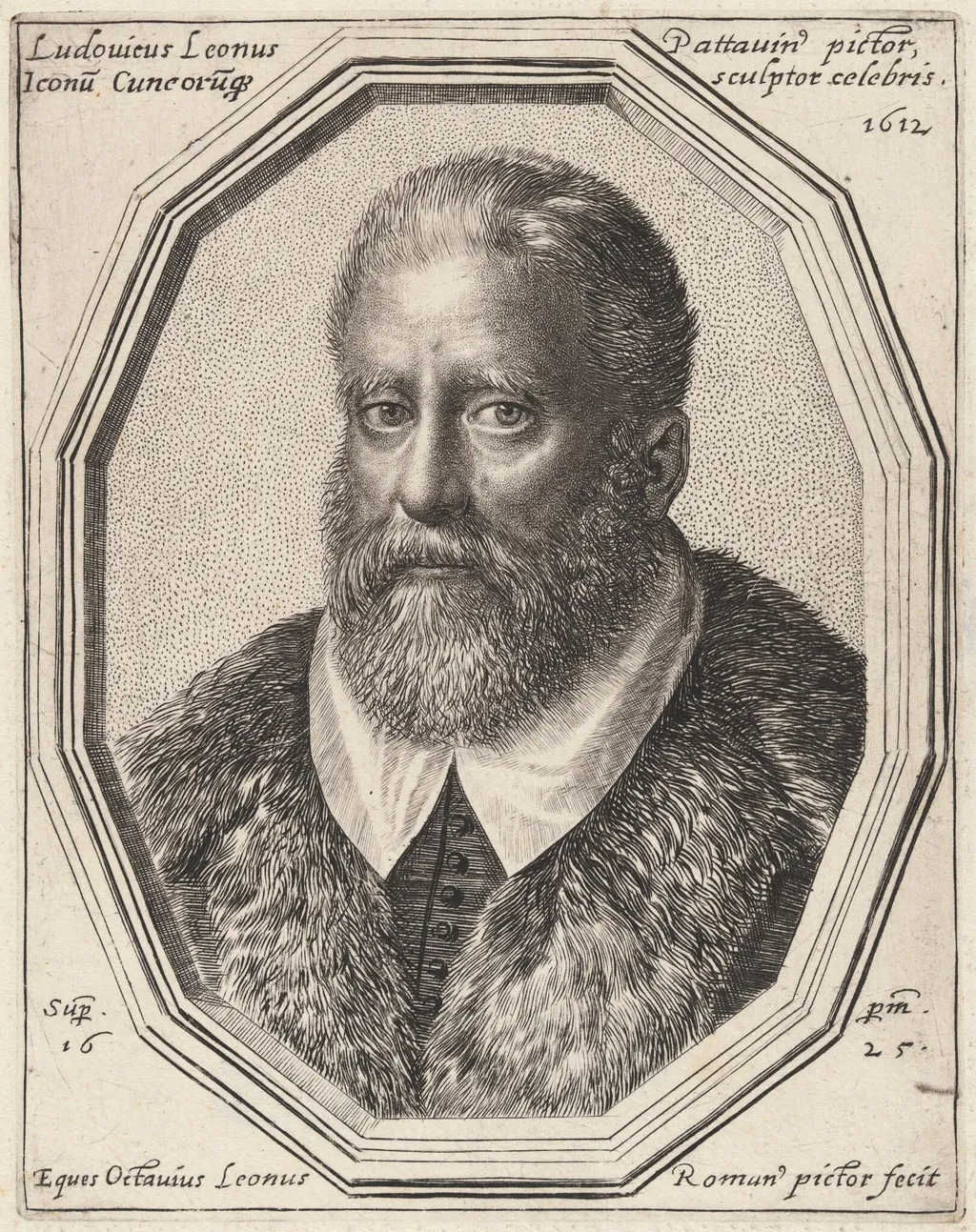
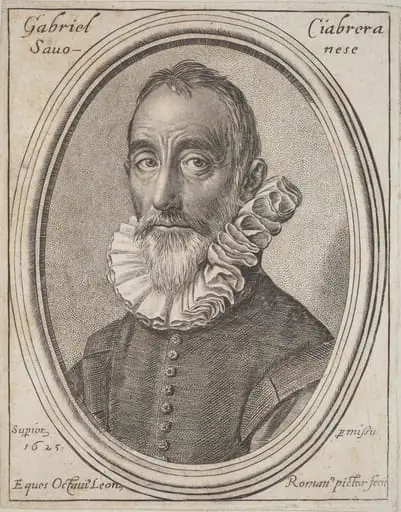
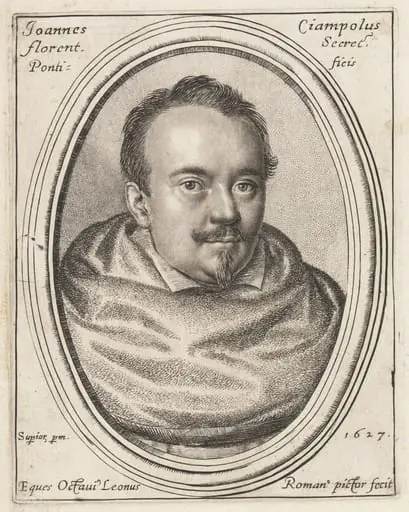
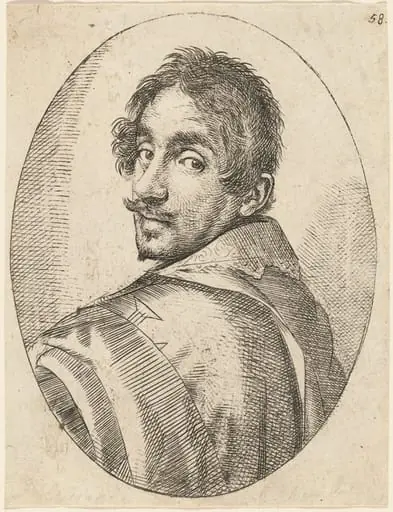
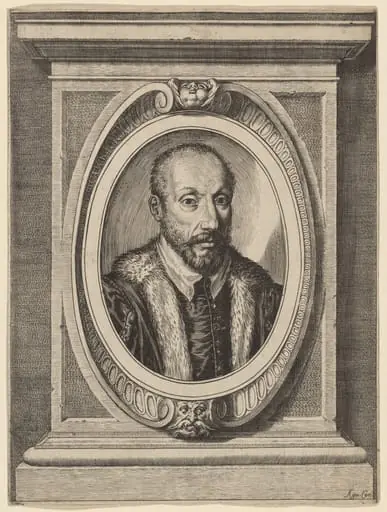
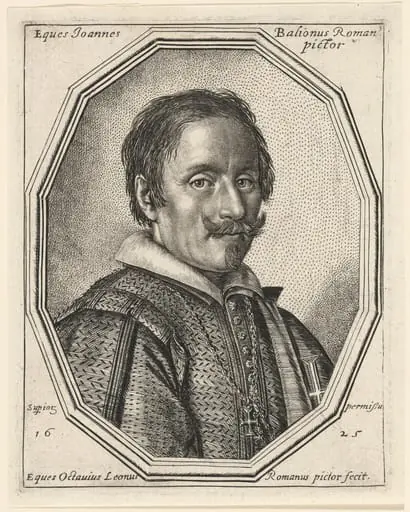
Ludovico Leoni is an ink print by the Baroque artist Ottavio Leoni. It dates from 1625 and is held in the collection of the National Gallery of Art.
About this work
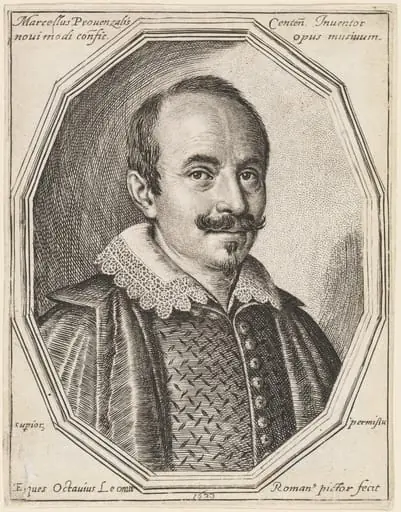
The name around the top reads "Ludovico Leoni," and the year 1612 is written in the corner.
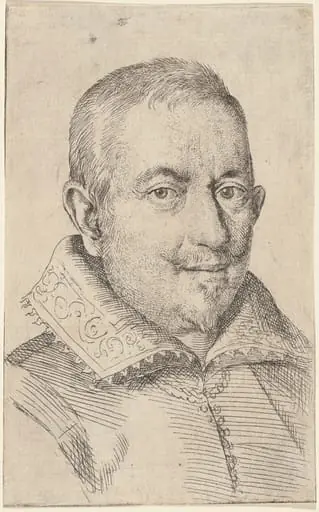
This is a black-and-white portrait of a man with a thick beard and mustache. His hair is curly and recedes at the top. He’s wearing a dark collar that stands out against his face. The lines in the print are tight and detailed, especially around his eyes and beard.
The name around the top reads "Ludovico Leoni," and the year 1612 is written in the corner. The artist’s name, Ottavio Leoni, is signed at the bottom. This is an old print, not a painting—it’s made using a method that carves lines into metal.
Want to know more? Check out etching to see how artists like this made prints.
Overview
Ottavio Leoni, an early‑Baroque painter and printmaker active in Rome, produced a portrait print of Ludovico Leoni in the early seventeenth century. Executed on laid paper, the work combines etching, engraving, and stipple techniques to render a finely detailed, monochrome image. The print is part of the National Gallery of Art’s collection in Washington, D.C.
Subject & Meaning
The image depicts a middle‑aged man with a full beard, moustache, and receding, curly hair. He wears a dark, high‑collared garment that frames his face, emphasizing the intensity of his gaze. The inscription of his name at the top identifies the sitter as Ludovico Leoni, suggesting a commemorative purpose typical of portraiture in the period.
Technique & Style
Leoni employed a hybrid process: an initial etching to lay out broad tonal areas, followed by precise engraving for line work, and stipple shading to model facial features. The resulting lines are tight and meticulous, especially around the eyes and beard, creating a textured surface that conveys depth despite the print’s monochrome palette.
History & Provenance
The print bears the date 1612 in the lower corner, though scholarly catalogues often cite 1625 as its year of execution, reflecting a possible later re‑edition. Signed by Ottavio Leoni at the bottom, the work entered the National Gallery of Art’s holdings through acquisition in the twentieth century, where it remains on view as an example of Roman printmaking.
Artist & collection
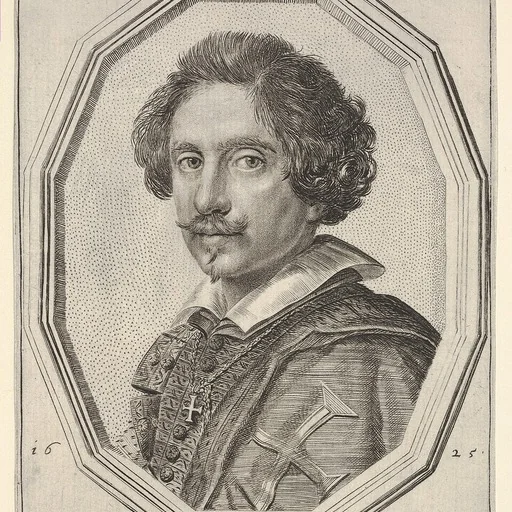
Artist
Ottavio Leoni (1578 – 4 September 1630) was an Italian painter and printmaker of the early-Baroque, active mainly in Rome.