Artwork
Natură statică
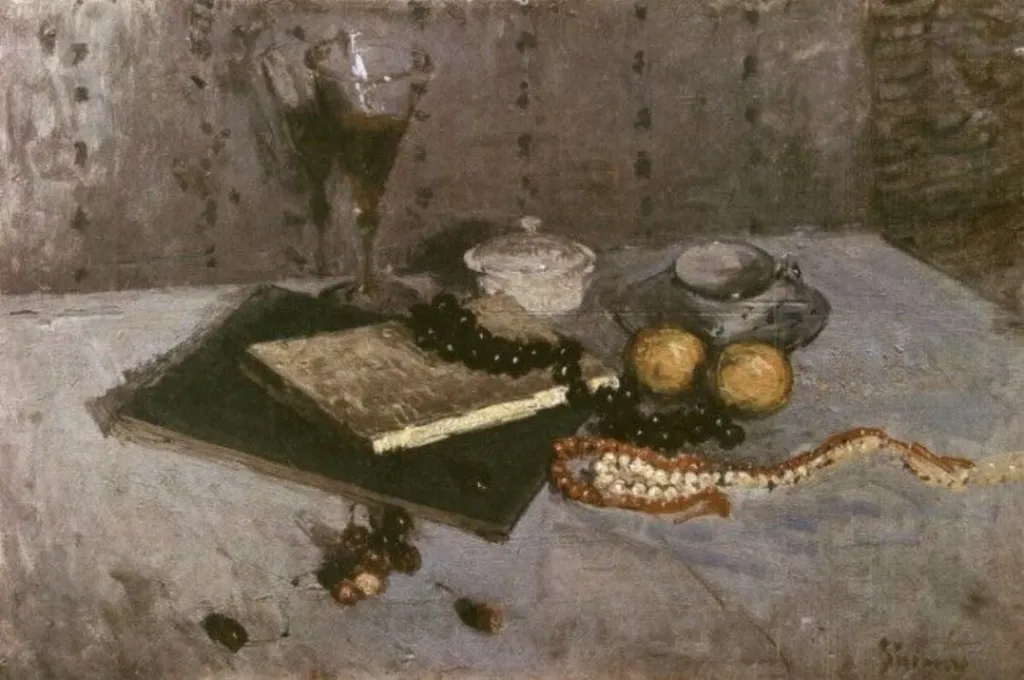
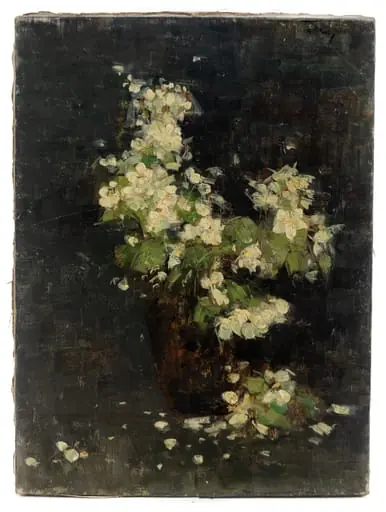
Natură statică is an unspecified painting by Eustațiu Stoenescu. It dates from 1930 and is held in the collection of the National Museum of Art of Romania.
About this work
Overview
Though best known for portraiture, this still life reflects his engagement with everyday subjects after years of training in Paris under Jean-Paul Laurens.
Eustațiu Stoenescu painted *Natură statică* circa 1930 during a mature phase of his career. Though best known for portraiture, this still life reflects his engagement with everyday subjects after years of training in Paris under Jean-Paul Laurens. The work emerged after his early recognition at the Salon officiel de Paris in 1905 and before his relocation to New York City, where he lived until his death in 1957.
Subject & Meaning
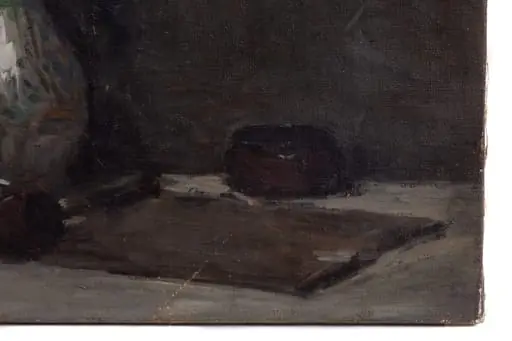
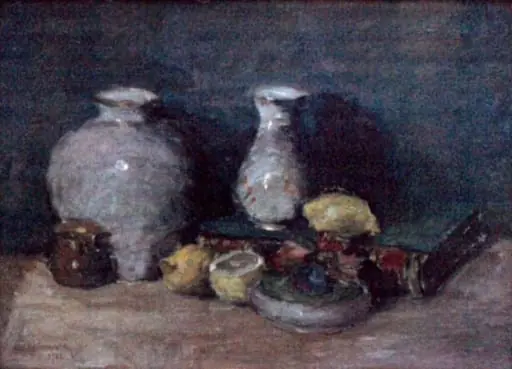
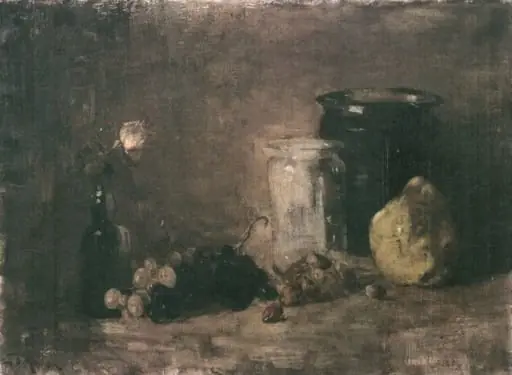
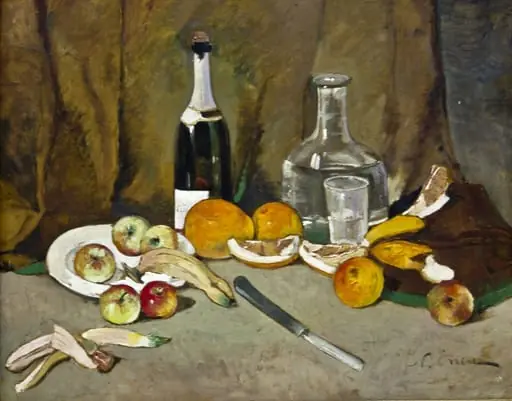
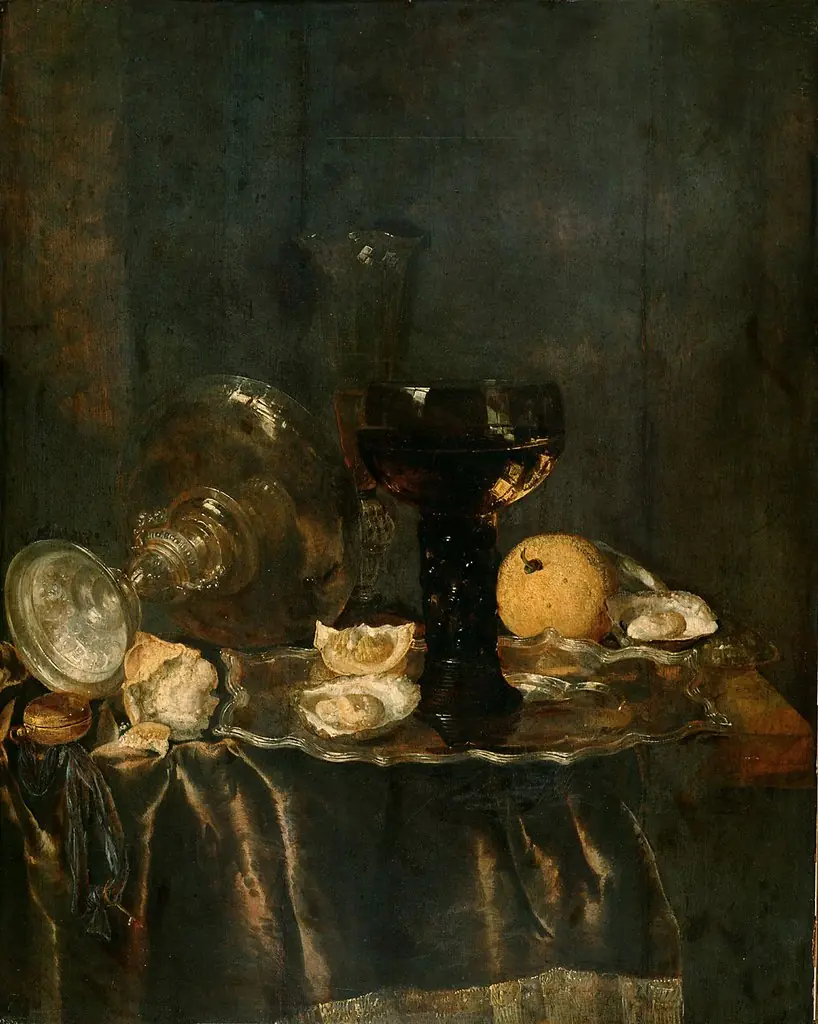
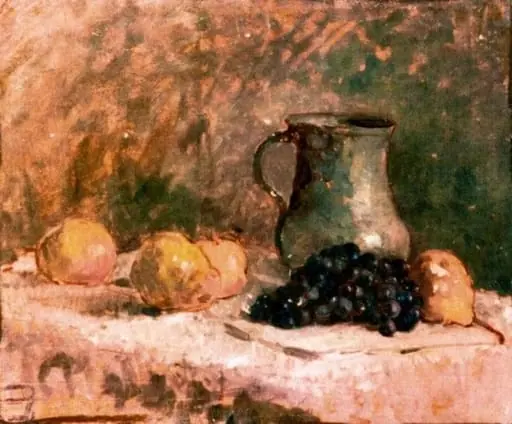
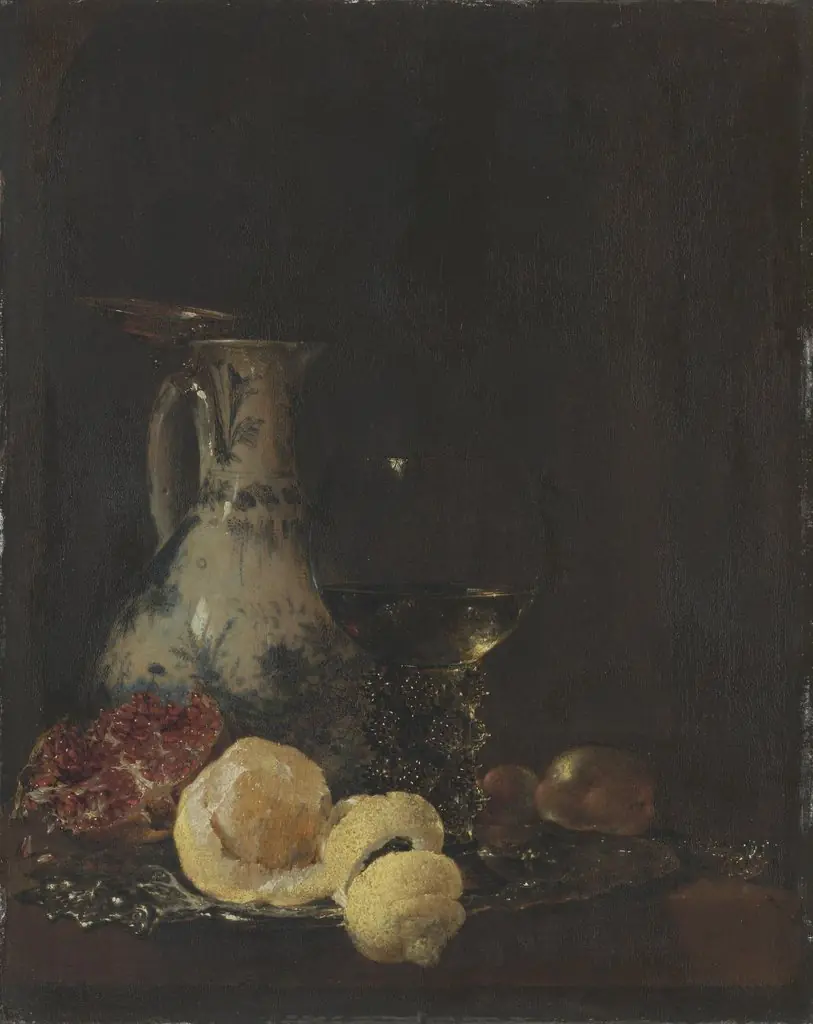
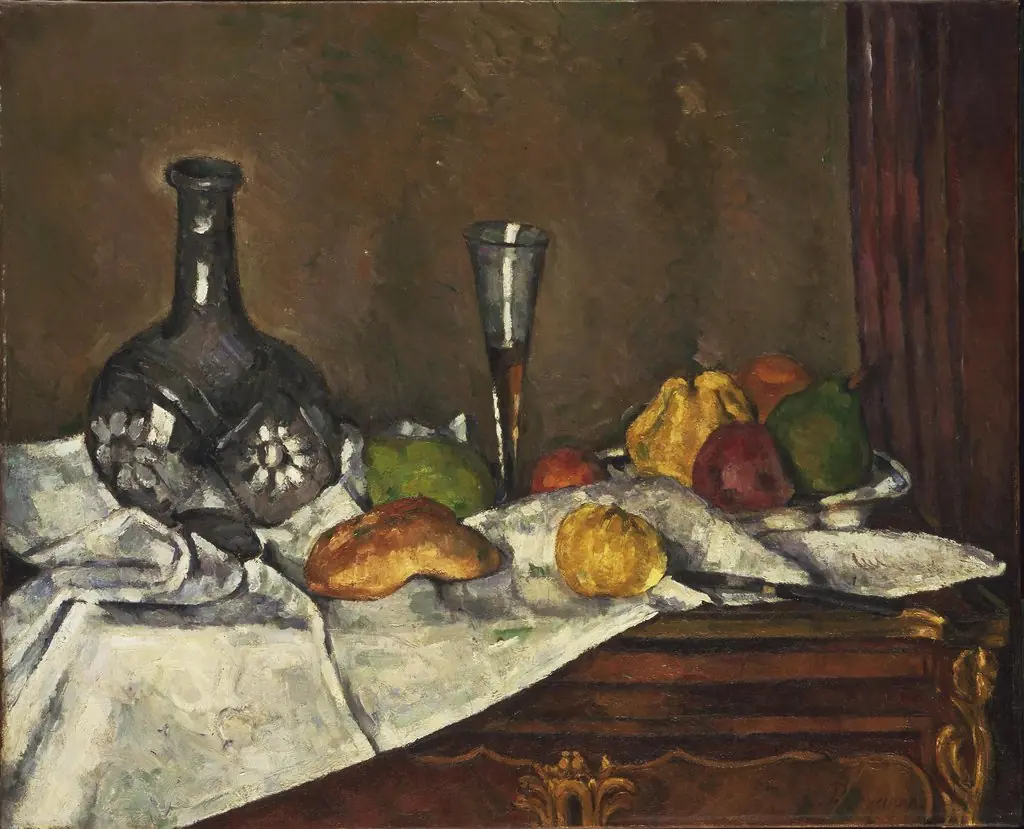
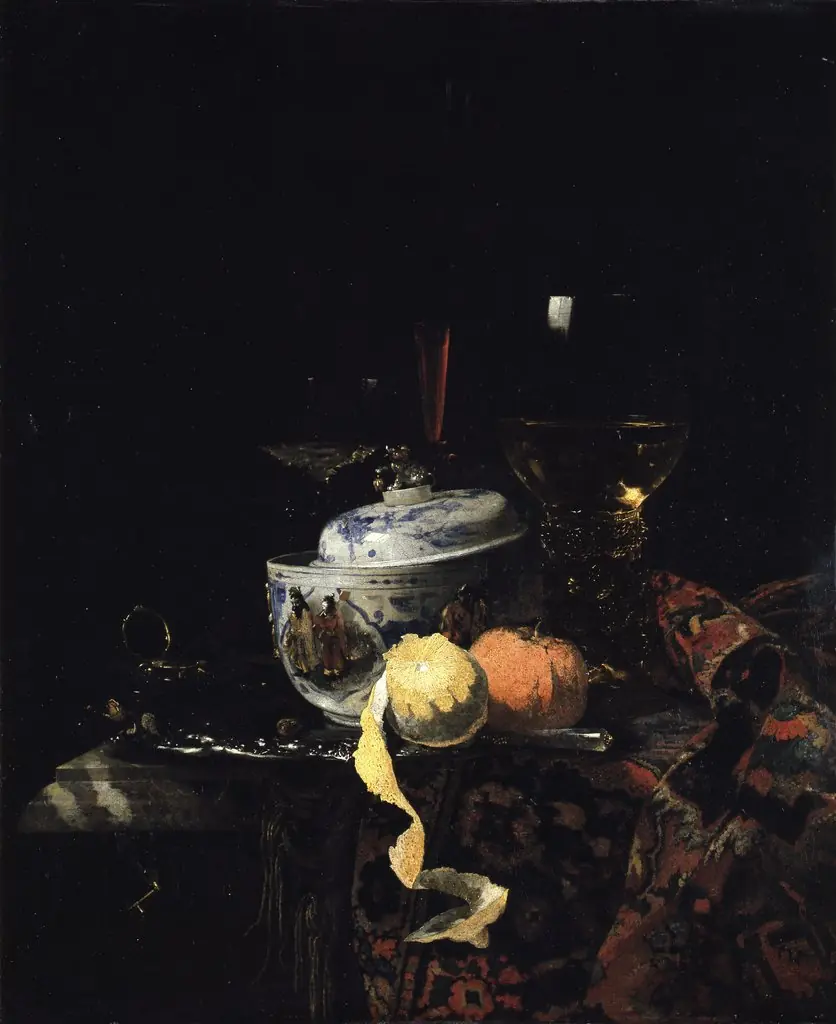
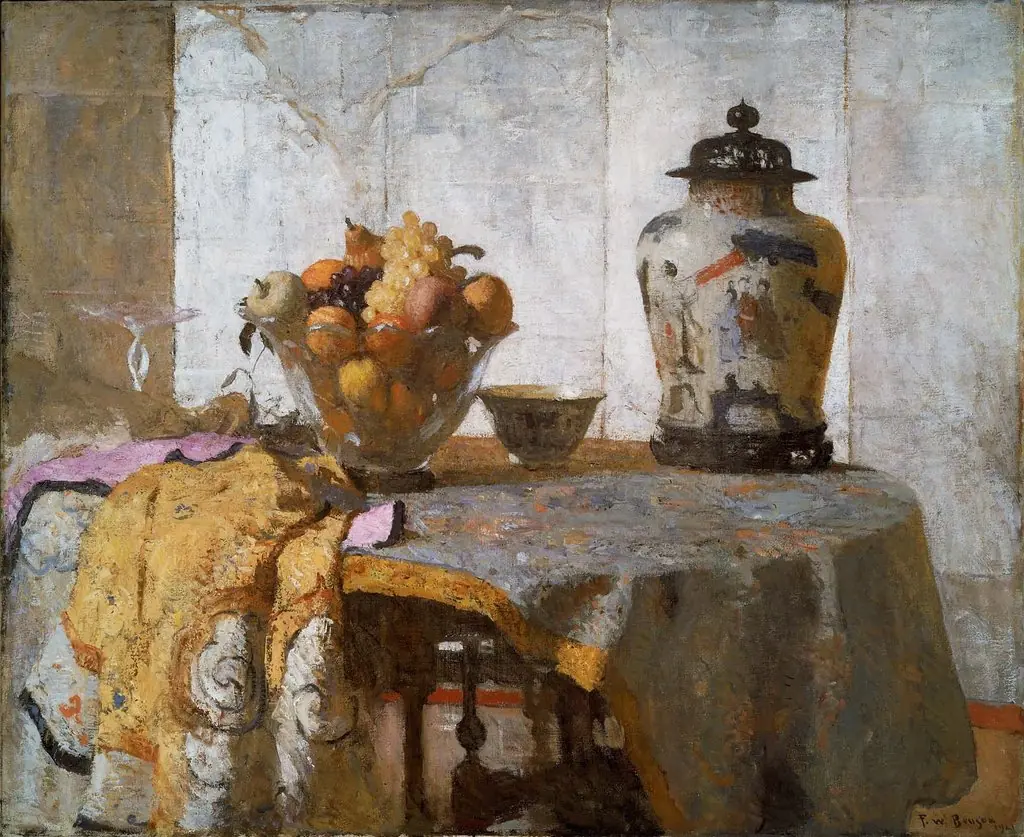
The composition presents modest domestic items: a half-empty wineglass, a covered dish, two whole lemons, a peeled wedge, a crusty loaf, and a metal tray, all arranged on a dark cloth. These objects suggest quiet solitude, perhaps a moment after a meal. The absence of human presence and the worn textures invite contemplation of transience and simplicity, common themes in interwar still life.
Technique & Style
Stoenescu employed thick, textured brushwork known as impasto, building the paint into tangible surfaces that catch light unevenly. The bread’s crust, the lemon rinds, and the stone wall behind are rendered with deliberate physicality, enhancing their material presence. This technique rejects smooth finish in favor of tactile immediacy, aligning with broader early 20th-century trends that valued expressive brushwork over idealized detail.
History & Provenance
Created around 1930, the painting belongs to Stoenescu’s European period, prior to his permanent move to New York. It reflects his continued engagement with French academic traditions while incorporating modernist sensibilities. No public record of its early ownership exists, but its style and subject align with works produced during his time in Romania and France before emigration.
Context
In the interwar years, still life offered artists a space to explore form and texture without narrative demands. Stoenescu’s choice of humble, unadorned objects resonated with a broader European trend toward realism and introspection after World War I. His training in Paris and exposure to Post-Impressionist methods informed his handling of light and surface, distinguishing his work from purely academic conventions.
Legacy
While Stoenescu’s portraits dominate scholarly attention, *Natură statică* illustrates his versatility and sensitivity to material presence. The painting stands as a quiet example of how Romanian artists absorbed international styles without abandoning local sensibilities. Its emphasis on texture and restraint contributes to a broader understanding of early 20th-century Eastern European modernism beyond major urban centers.
Artist & collection
Artist
Eustațiu Stoenescu (Craiova, 1884-New York City, 1957) was a Romanian painter principally known for his portraiture.