Artwork
Iulia Săulescu
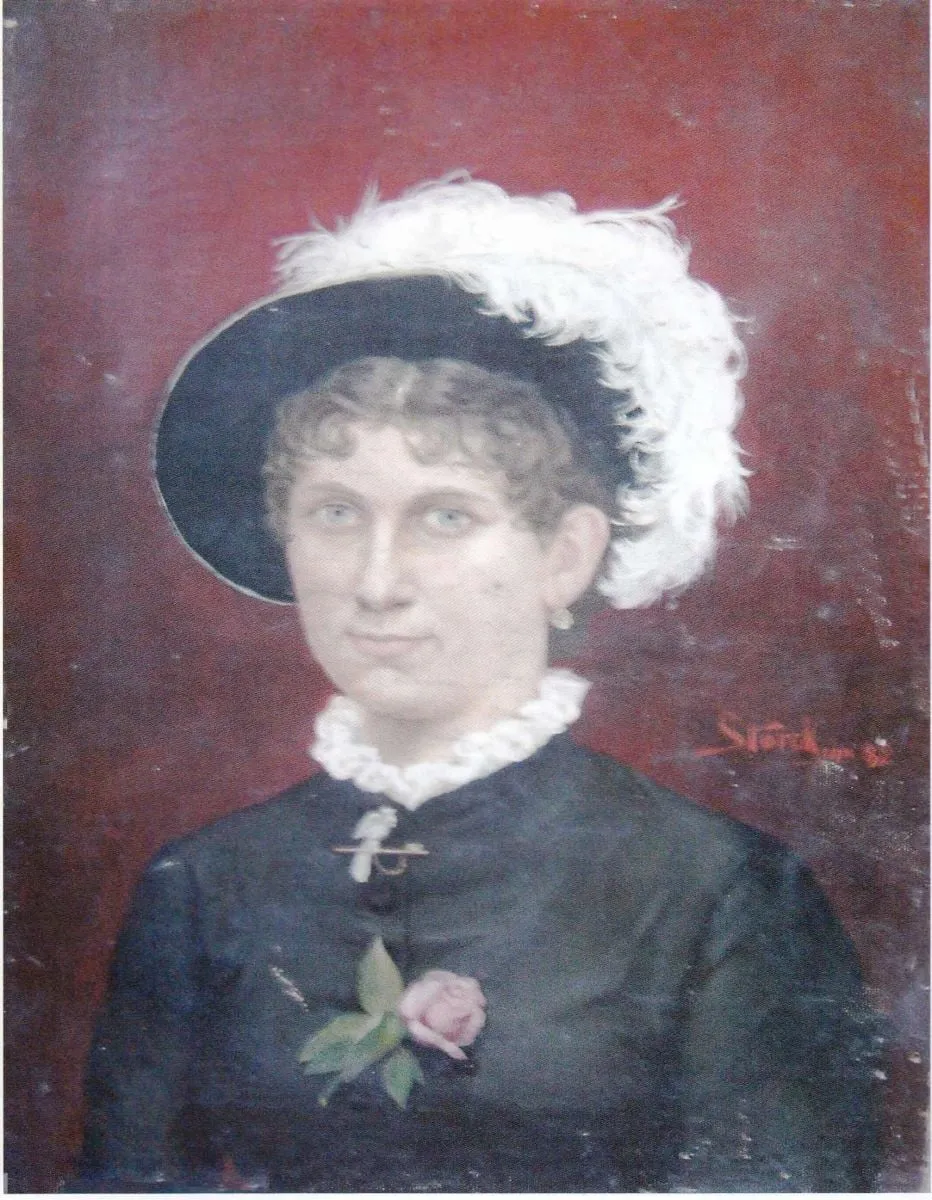
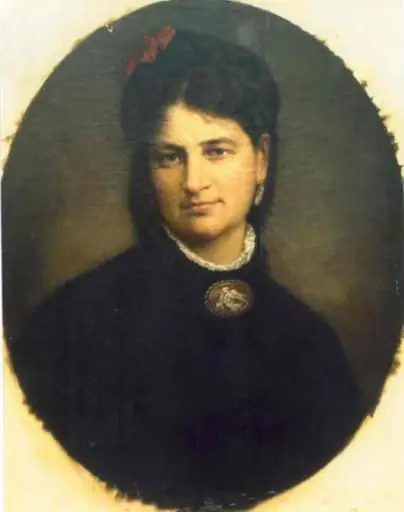
Iulia Săulescu is a print by the Impressionist artist Carol Storck. It dates from 1882 and is held in the collection of the Bucharest Municipality Museum.
About this work
The woman's attire and hairstyle suggest a formal or elegant setting, possibly from the late 19th century.
The painting features a woman with short, curly hair and a black hat adorned with white feathers. She wears a black dress with a white ruffled collar and a pink rose on her chest. The background is a deep red color.
The woman's attire and hairstyle suggest a formal or elegant setting, possibly from the late 19th century. The artist's use of bold colors and textures adds depth and dimension to the portrait.
This painting is reminiscent of the work of artists associated with the Impressionism movement.
Overview
Created in 1882 by Romanian sculptor and painter Carol Storck, the work titled Iulia Săulescu is part of the collection of the Museum of Ethnography. The piece is an oil portrait that presents a seated woman against a rich, deep‑red backdrop, emphasizing her presence through striking colour contrasts.
Subject & Meaning
The sitter is depicted with short, tightly curled hair and a black hat trimmed with white feathers. She wears a black dress featuring a white ruffled collar, and a single pink rose is pinned to her chest. The composition suggests a formal, possibly social‑occasion portrait typical of the late nineteenth‑century bourgeois milieu.
Technique & Style
Storck employs a bold palette, juxtaposing the dark tones of the hat and dress with the vivid crimson background. The brushwork is loose enough to convey texture in the feathers and fabric, recalling the atmospheric qualities associated with Impressionist painters, while retaining a clear, representational focus on the figure.
History & Provenance
Since its completion, the portrait has remained in Romanian public collections, eventually being accessioned by the Museum of Ethnography. Its presence in an ethnographic institution highlights the work’s relevance to cultural and social history as well as to fine‑art practice.
Context
The portrait emerges at a time when Romanian artists were increasingly engaging with Western European artistic currents, especially French Impressionism. Storck’s choice of contemporary fashion and his handling of light and colour reflect this cross‑cultural exchange, situating the work within the broader narrative of 19th‑century Romanian art.
Artist & collection
Artist
Carol Storck worked in late-19th- and early-20th-century Bucharest, where he specialized in portrait prints and small sculptures.
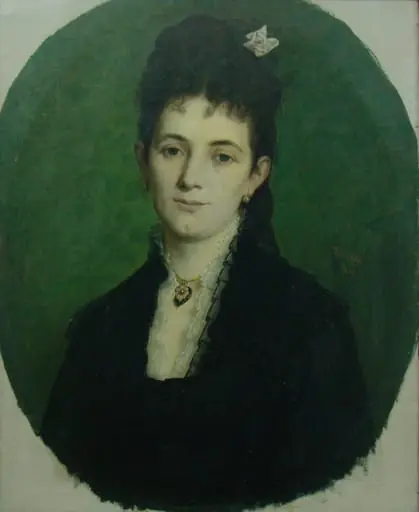 Portret de femeie
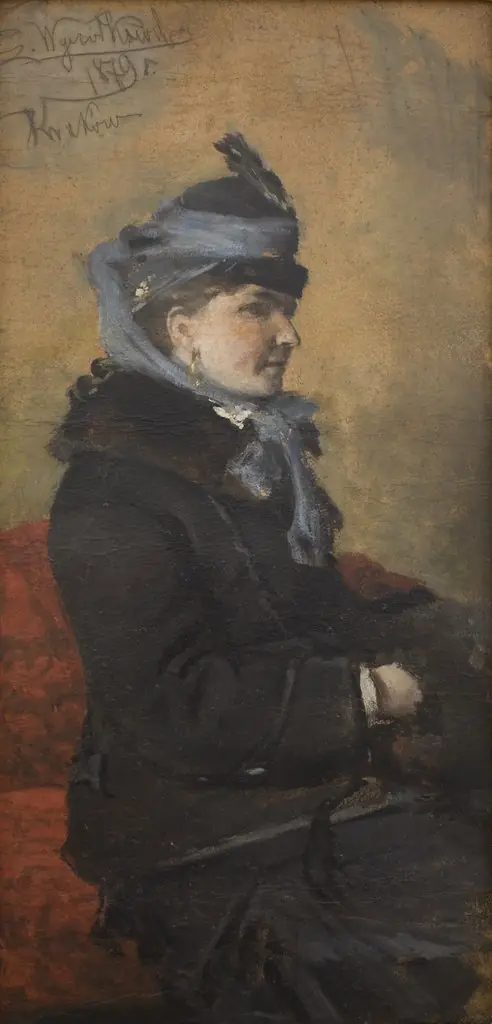 Portrait of a Woman
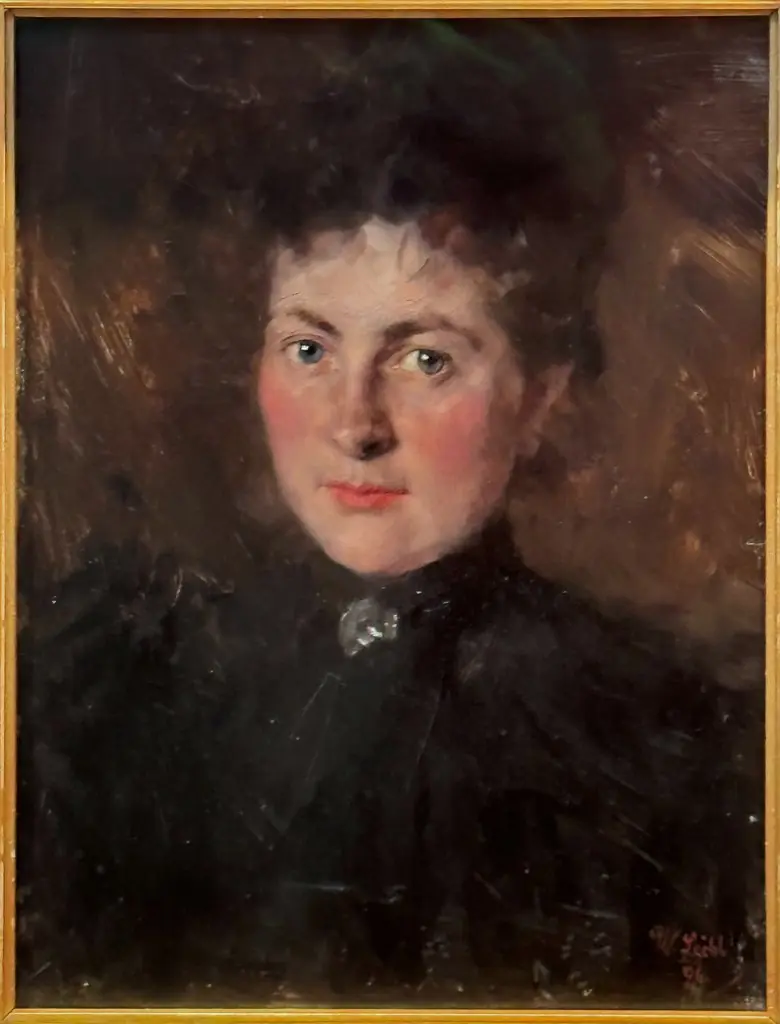 Felicia Kirchdorffer, die Nichte des Künstlers
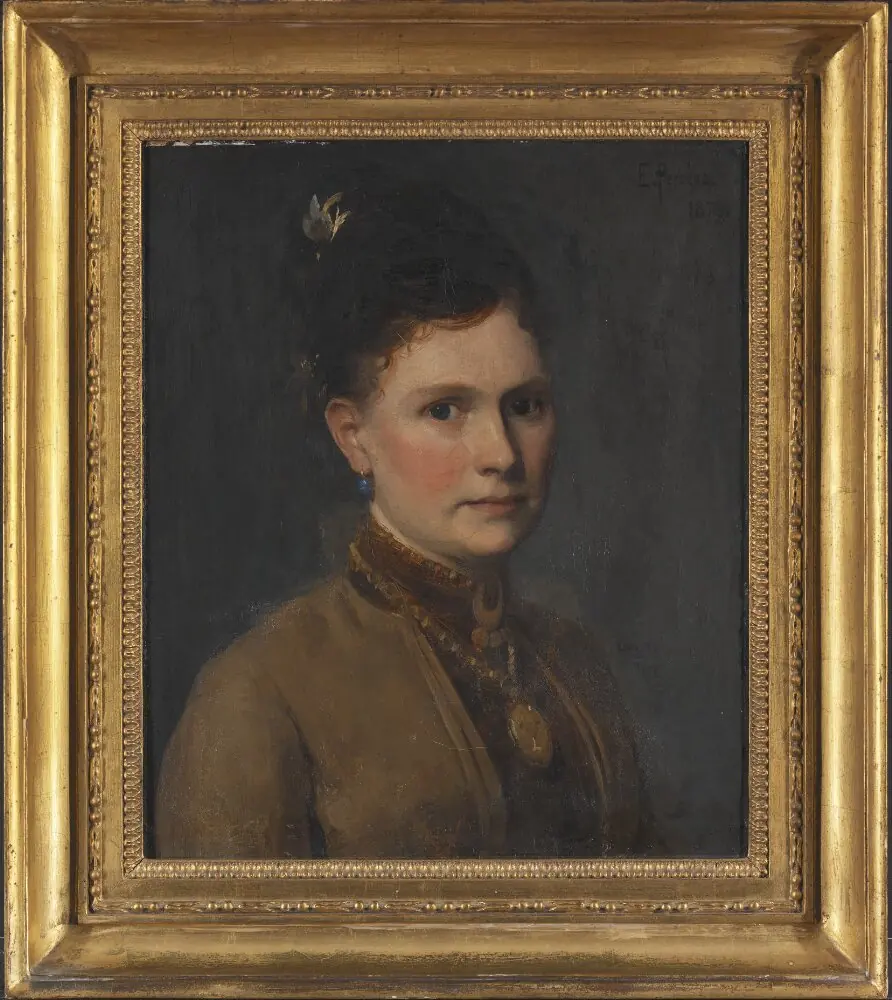 Maria Agnes Claesson (1843- efter 1903), gift med konstnären Edvard Perséus
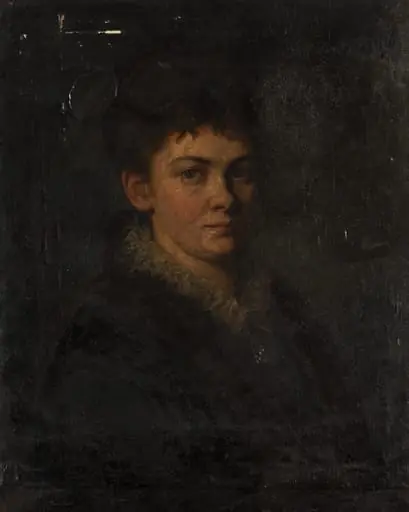 Goebeler, Elise: Portrait of an Unknown Lady
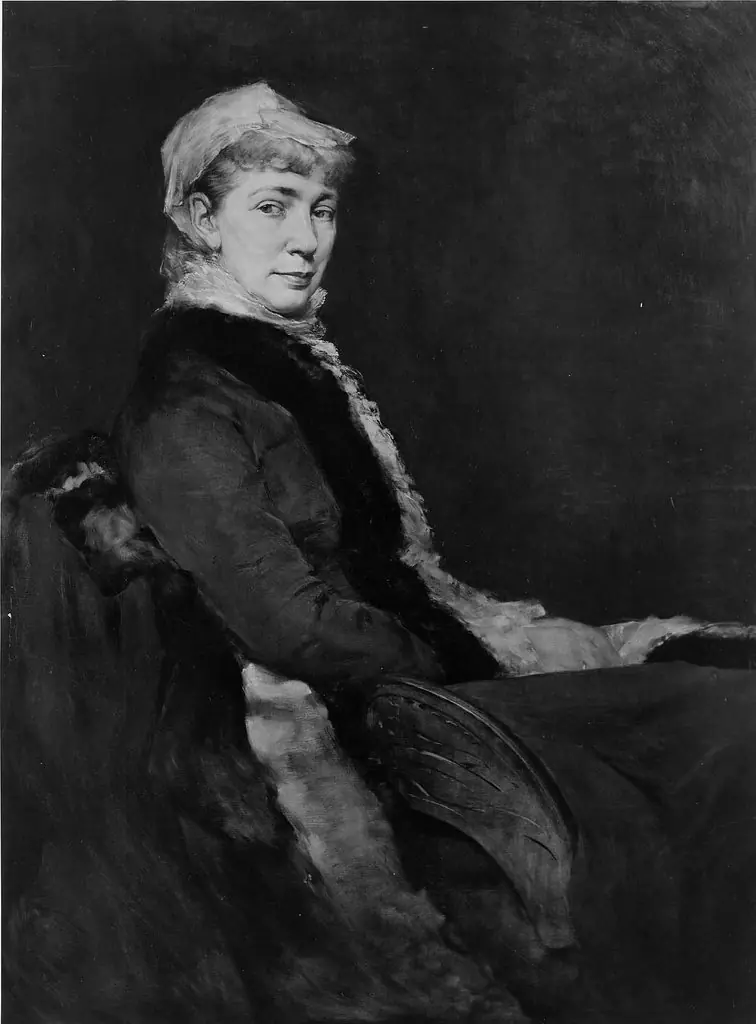 Mrs. Samuel Tilton (Helen Reed)
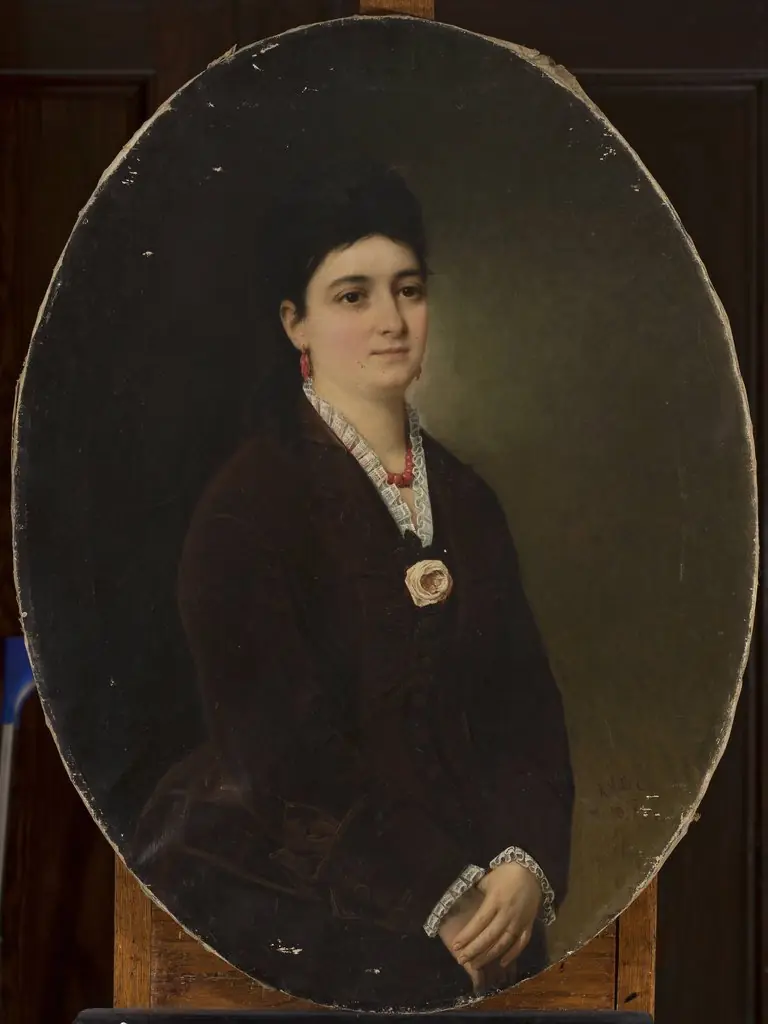 Portrait of Maria Sędziak née Żyżniewska
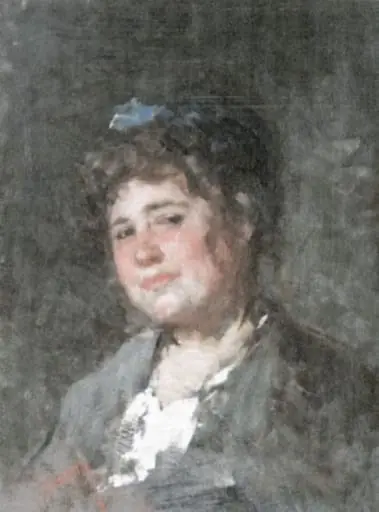 Portret de femeie
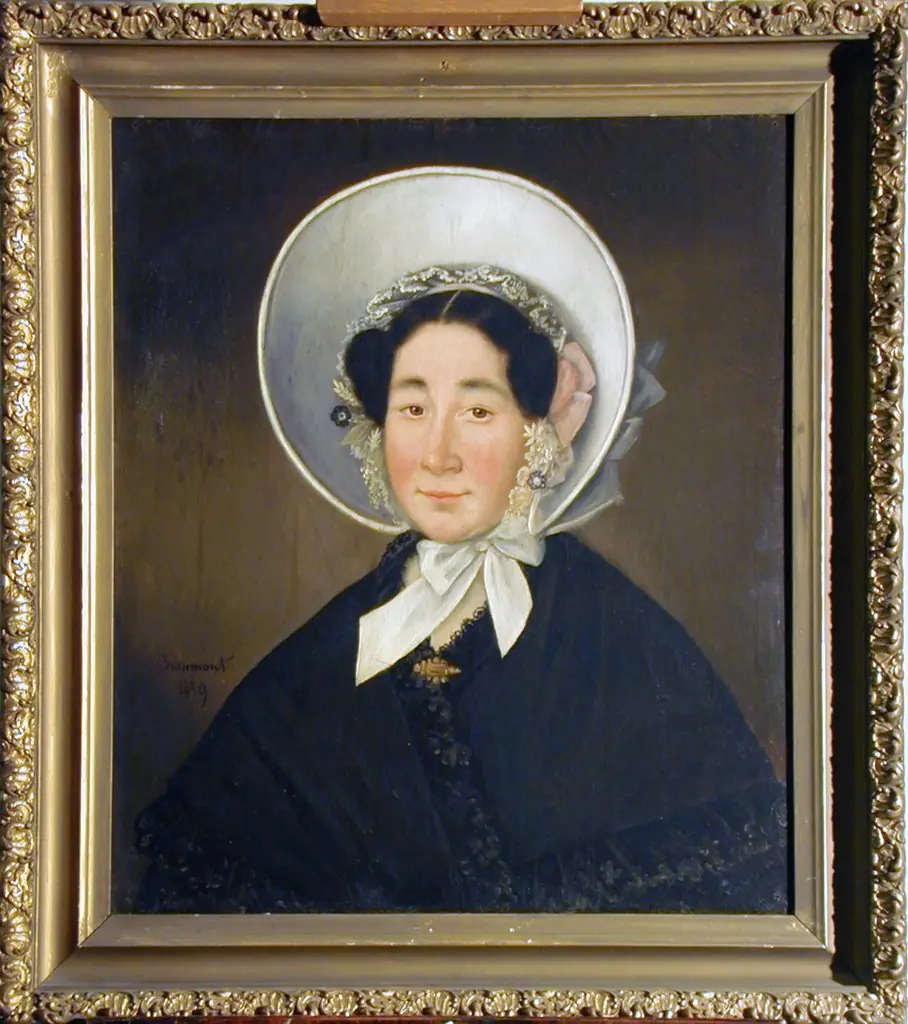 A Woman
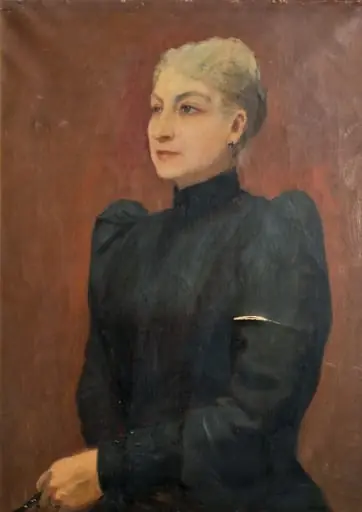 Portret
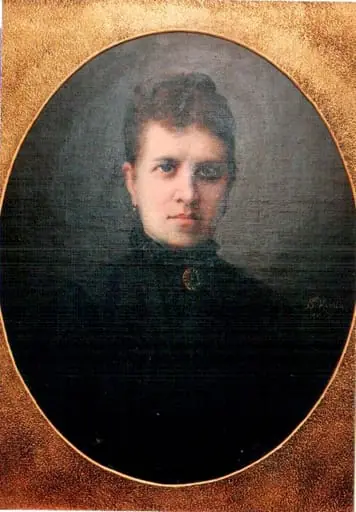 Portret de femeie
 Soția pictorului, Maria Tăttărescu