Artwork
Sheet of Studies with Angels and Cowering Figures (Illustration for Macklin's Bible?)
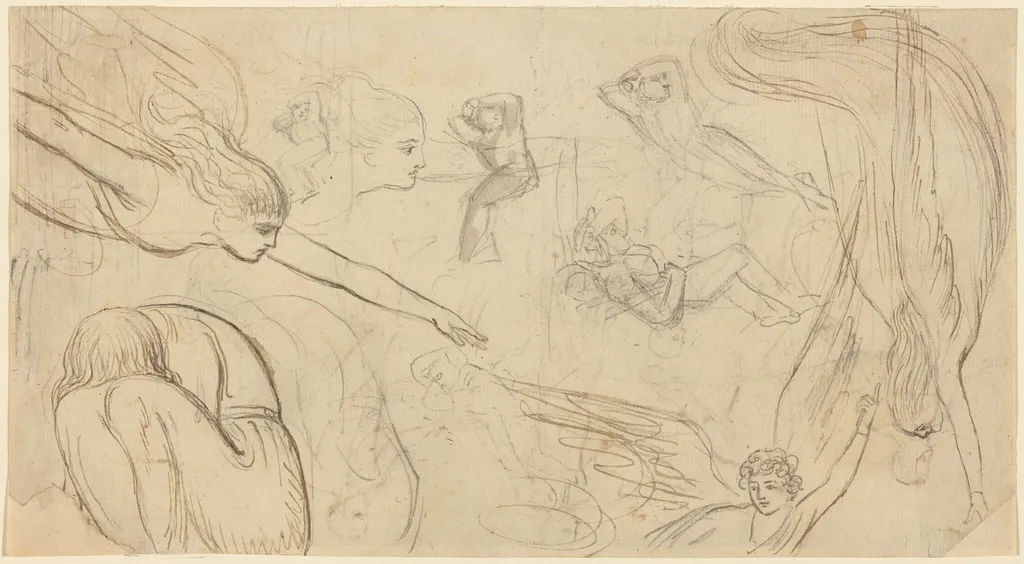
Sheet of Studies with Angels and Cowering Figures (Illustration for Macklin's Bible?) is an ink drawing by the Romanticist artist Thomas Stothard. It dates from 1791 and is held in the collection of the National Gallery of Art.
About this work
This drawing is called Sheet of Studies with Angels and Cowering Figures.
It was made by Thomas Stothard around 1791.
The artist used various techniques like graphite and brown ink to create this work, which is interesting because it shows the planning and thought process behind his art.
You can learn more about this style by looking into the movement: Romanticism.
Overview
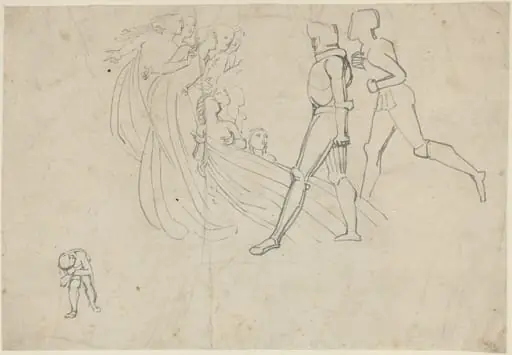
Sheet of Studies with Angels and Cowering Figures is a drawing by Thomas Stothard, created around 1791, utilizing graphite, brown ink, and gray wash on laid paper. The work showcases a mix of angelic and human figures in various poses.
Subject & Meaning
The subject matter revolves around contrasting figures: serene angels and cowering human forms. While the exact narrative intent is unclear, the juxtaposition may symbolize divine intervention or spiritual hierarchy, potentially aligning with biblical themes.
Technique & Style
Stothard employed a combination of graphite for initial sketches, brown ink for defining lines, and subtle gray wash for shading. This layered approach reflects the artist's meticulous planning process, characteristic of the detailed preparatory work common in late 18th-century illustration.
History & Provenance
Created circa 1791, the drawing's potential link to Macklin's Bible suggests its origin as a preliminary study for a religious publication, though this association remains speculative. The artist's role as a prolific illustrator supports this context.
Context
This work can be contextualized within the broader artistic movement of Romanticism, which emphasized emotion, spirituality, and detailed draughtsmanship. Stothard's style, however, tends towards a more restrained, illustrative approach than the expressive intensity often associated with the movement.
Legacy
As a study, the work provides insight into Stothard's creative process. Its significance lies more in illustrating the artist's method and the illustrative practices of his time rather than being a celebrated standalone piece within his oeuvre.
Artist & collection
Artist
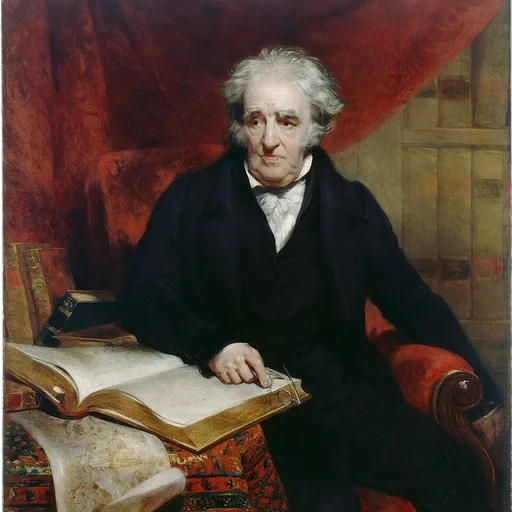
Thomas Stothard (17 August 1755 – 27 April 1834) was a British painter, illustrator and engraver.

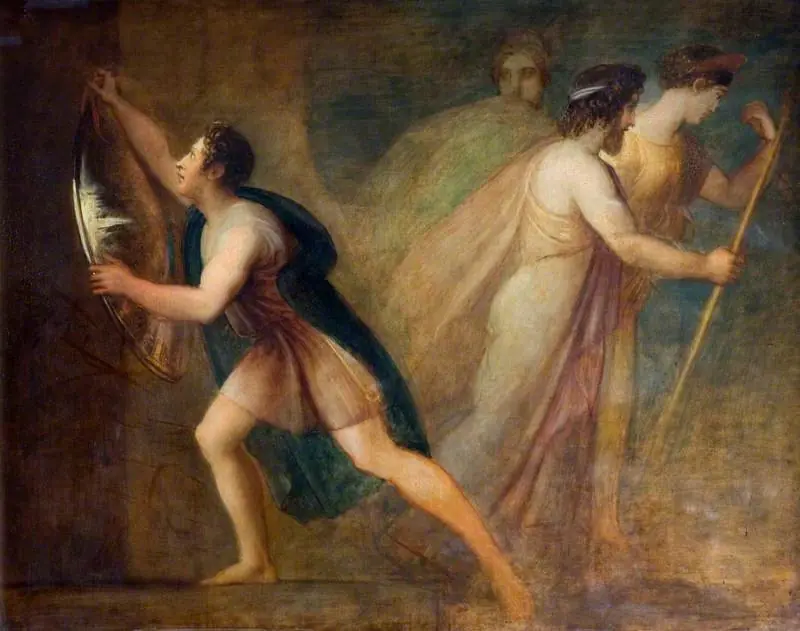 Orestes Hanging up the Shield of Agamemnon
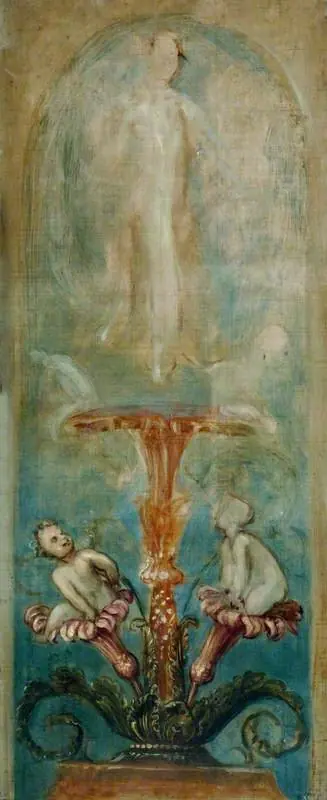 Arabesque Decoration with a Female Figure (sketch)
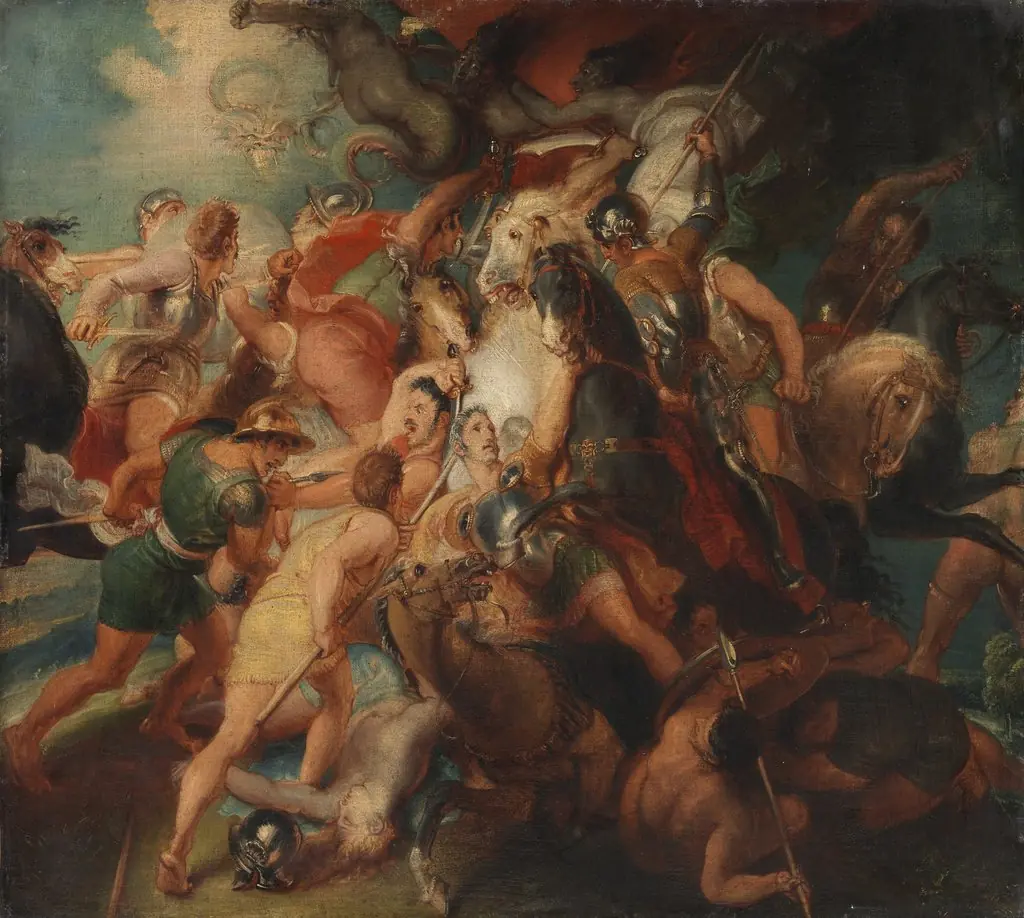 The Horrors of War, Sketch for Burghley House Mural
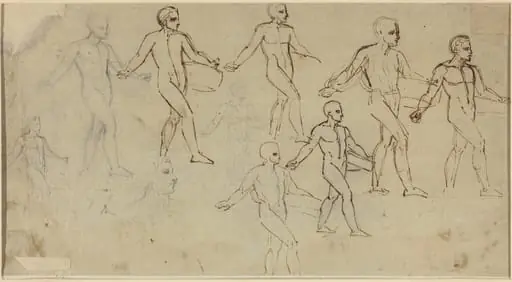 Studies of a Sower (Illustration for Thomson's _Seasons_)
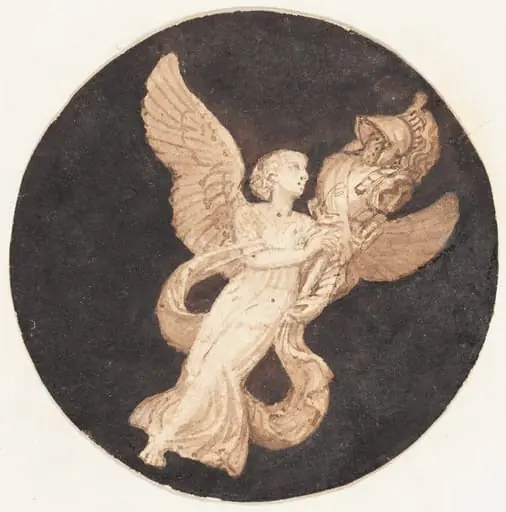 Vignette for a Title Page: "Winged Victory"
![Design for a Book Illustration of Circe and Odysseus [recto], by Thomas Stothard](https://artifactworldgallery.com/img/thomas-stothard--design-for-a-book-illustration-of-circe-and-odysseus-recto--5bd59a6f73de4838-w320.webp) Design for a Book Illustration of Circe and Odysseus [recto]
Design for a Book Illustration of Circe and Odysseus [recto]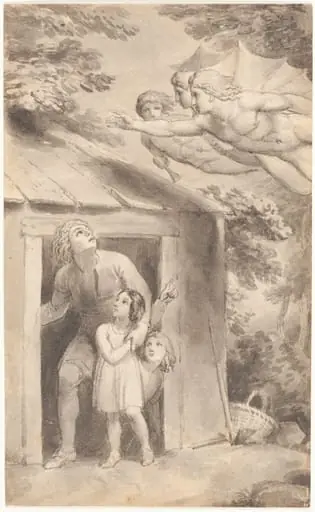 Peter and His Children Visited by Three Flying Figures
![Roger de Coverley and the Gypsies [verso], by Thomas Stothard](https://artifactworldgallery.com/img/thomas-stothard--roger-de-coverley-and-the-gypsies-verso--be31aa9d2dc5e3ff-w320.webp) Roger de Coverley and the Gypsies [verso]
Roger de Coverley and the Gypsies [verso]
![Sketch of a Swordsman Standing Over His Defeated Opponent [recto], by William Blake](https://artifactworldgallery.com/img/william-blake--sketch-of-a-swordsman-standing-over-his-defeated-opponent-re--c9ecb7b4c136050a-w320.webp)
![Studies for a Lunette [verso], by Charles Sprague Pearce](https://artifactworldgallery.com/img/charles-sprague-pearce--studies-for-a-lunette-verso--5d54507e74f08054-w320.webp)
![Time's Triple Bow [recto], by William Blake](https://artifactworldgallery.com/img/william-blake--time-s-triple-bow-recto--dc15bf51bd241980-w320.webp)