Artwork
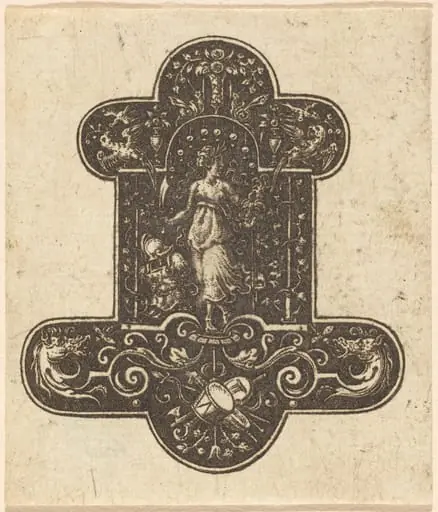
Vignette for a Title Page: "Winged Victory"
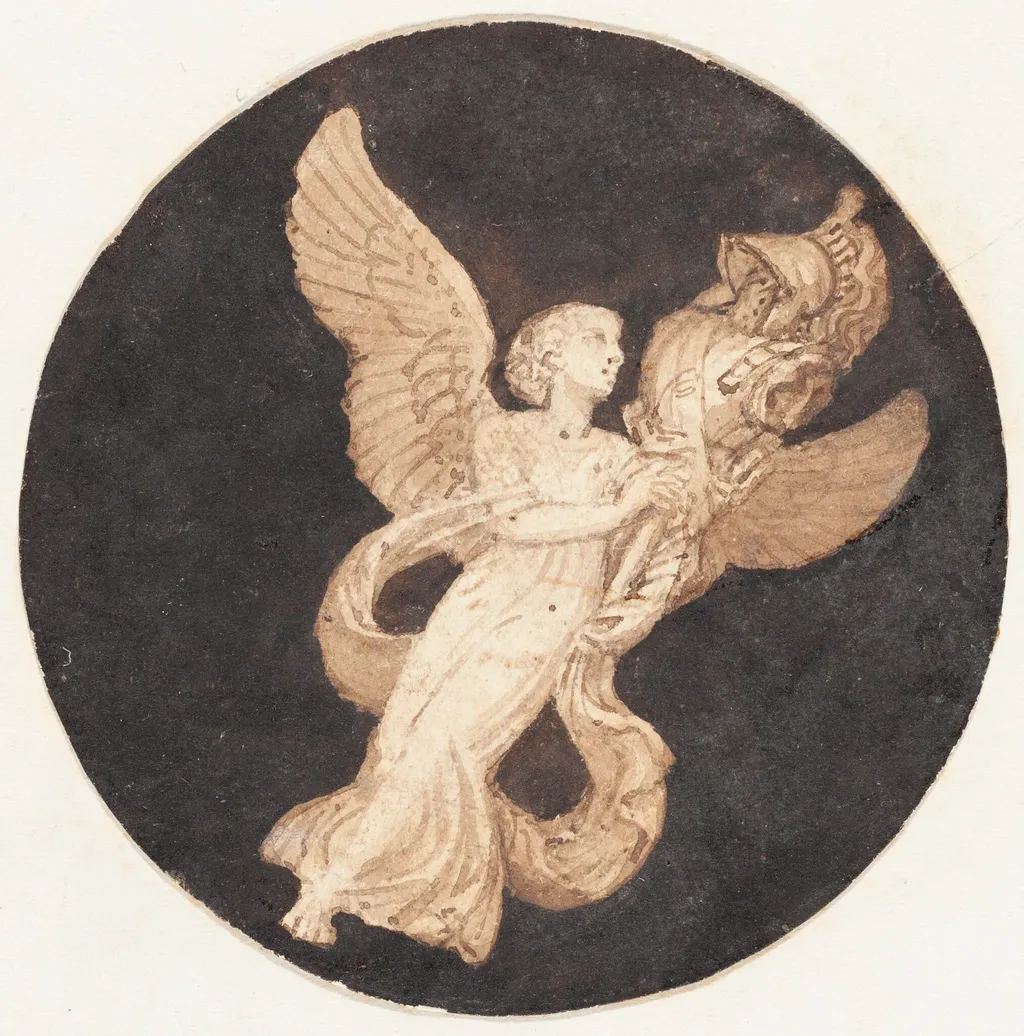
Vignette for a Title Page: "Winged Victory" is an ink drawing by the Romanticist artist Thomas Stothard. It dates from 1794 and is held in the collection of the National Gallery of Art.
About this work
Overview
Created in 1794, this pen-and-ink drawing by Thomas Stothard was designed as a decorative vignette for a title page. Executed on wove paper, it reflects the artist’s specialization in illustrative works for publications. The medium—brown and black inks—was typical for detailed line work in book illustration during the late 18th century, emphasizing clarity and elegance over color.
Subject & Meaning
The drawing portrays a classical allegorical figure of Victory, rendered in flowing drapery and dynamic pose. Rooted in Greco-Roman tradition, the figure symbolizes triumph and honor, common themes in Enlightenment-era visual culture. Her wings and uplifted form suggest ascent and achievement, aligning with the intellectual and civic ideals promoted in printed works of the period.
Technique & Style
Stothard employed precise penwork to define contours and subtle shading using both brown and black inks. The lines are controlled yet fluid, capturing movement in the figure’s garments and wings. The composition is tightly framed, optimized for reproduction in print, demonstrating his understanding of how illustration functioned within the constraints of publishing technology.
History & Provenance
The drawing was produced as part of a commercial publishing project, likely for a literary or historical volume. Though its original publication context is unrecorded, it aligns with Stothard’s frequent collaborations with printers and booksellers in London. It remained in private hands until entering a public collection, where it is now preserved as an example of late Georgian book illustration.
Context
In the 1790s, British publishers increasingly turned to classical imagery to lend gravitas to printed texts. Stothard, among the leading illustrators of his time, responded to this demand with refined allegorical designs. His work bridged fine art and commercial printing, making mythological motifs accessible to a broad reading public through engraved reproductions.
Legacy
This drawing exemplifies the role of illustrators in shaping the visual language of 18th-century literature. While Stothard’s name is less prominent today than his contemporaries, his contributions to book illustration helped standardize the use of classical allegory in print. The work remains a reference for understanding the intersection of art, publishing, and cultural symbolism in its era.
Artist & collection
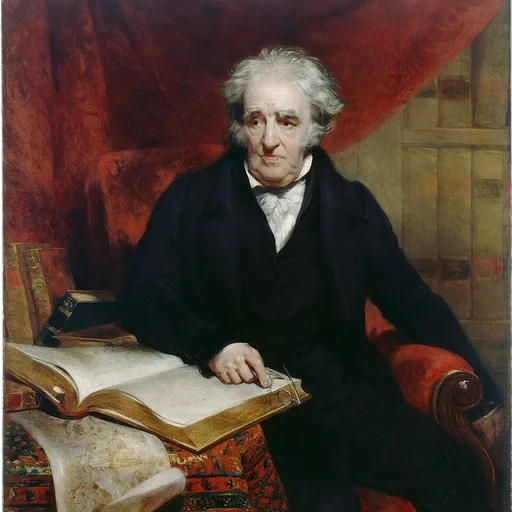
Artist
Thomas Stothard (17 August 1755 – 27 April 1834) was a British painter, illustrator and engraver.

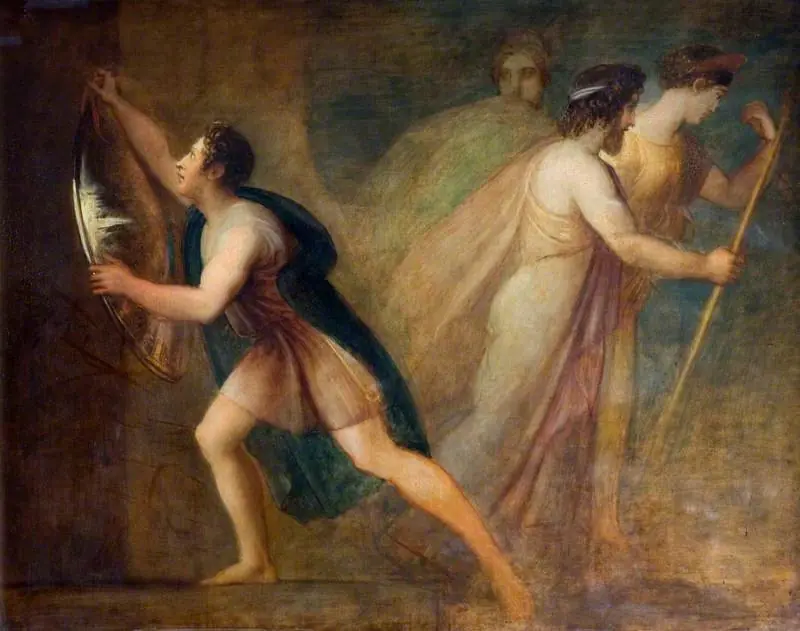 Orestes Hanging up the Shield of Agamemnon
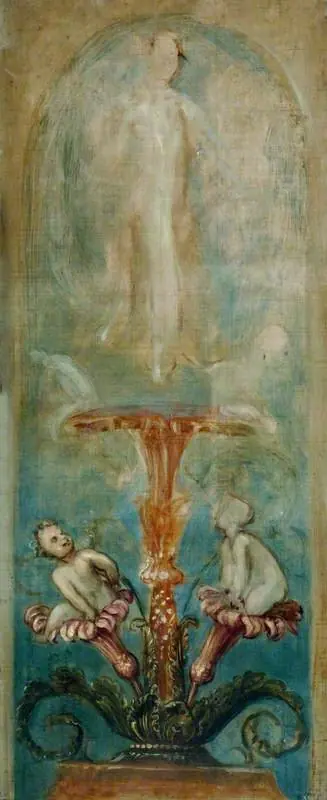 Arabesque Decoration with a Female Figure (sketch)
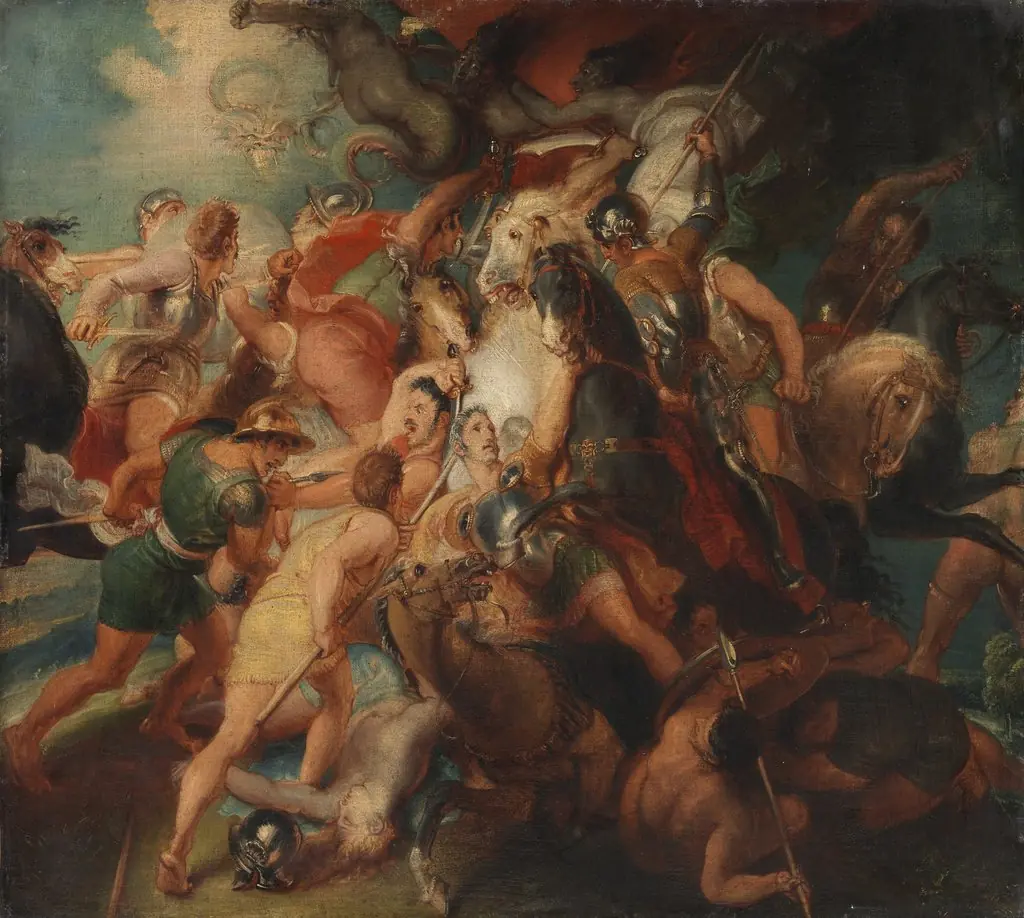 The Horrors of War, Sketch for Burghley House Mural
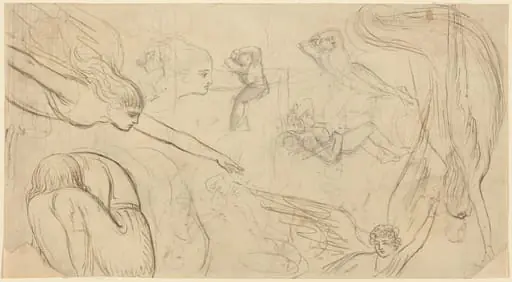 Sheet of Studies with Angels and Cowering Figures (Illustration for Macklin's Bible?)
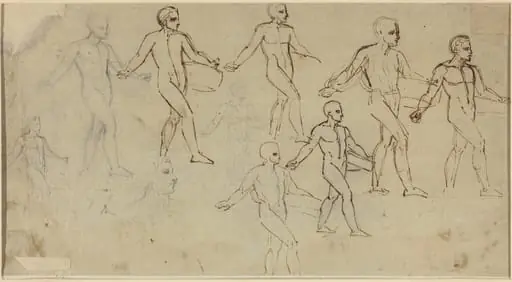 Studies of a Sower (Illustration for Thomson's _Seasons_)
![Design for a Book Illustration of Circe and Odysseus [recto], by Thomas Stothard](https://artifactworldgallery.com/img/thomas-stothard--design-for-a-book-illustration-of-circe-and-odysseus-recto--5bd59a6f73de4838-w320.webp) Design for a Book Illustration of Circe and Odysseus [recto]
Design for a Book Illustration of Circe and Odysseus [recto]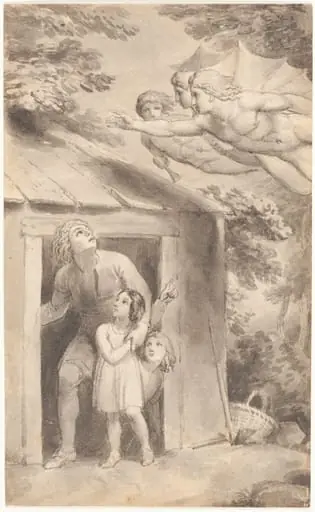 Peter and His Children Visited by Three Flying Figures
![Roger de Coverley and the Gypsies [verso], by Thomas Stothard](https://artifactworldgallery.com/img/thomas-stothard--roger-de-coverley-and-the-gypsies-verso--be31aa9d2dc5e3ff-w320.webp) Roger de Coverley and the Gypsies [verso]
Roger de Coverley and the Gypsies [verso]
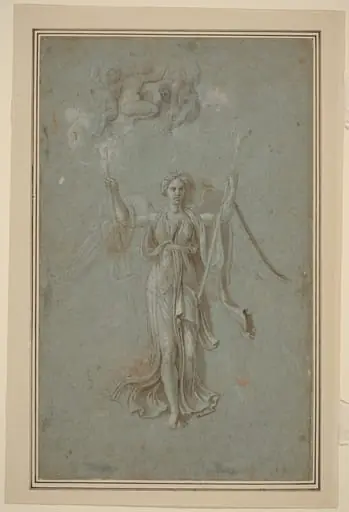 Study for Figure of Fame
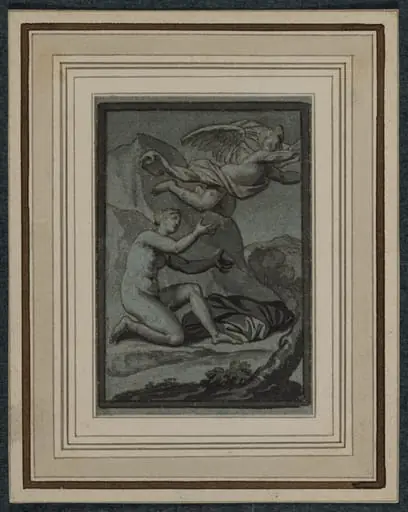 Mythological Scene
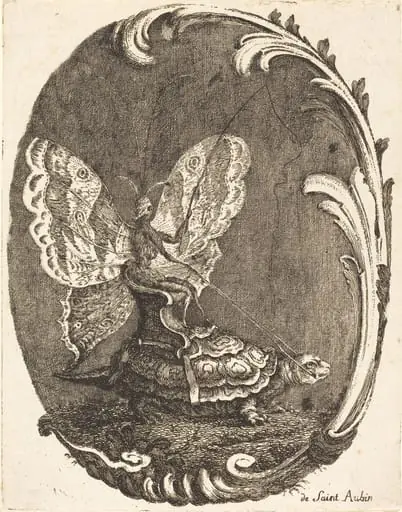 Le Papillon et la Tortue (The Butterfly and the Turtle)
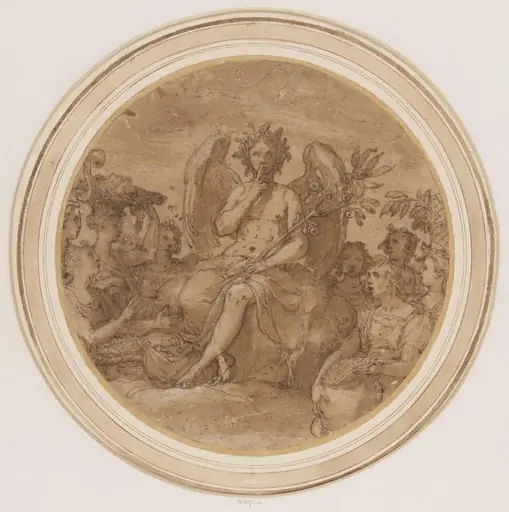 Harpocrates (or Horus), God of Silence
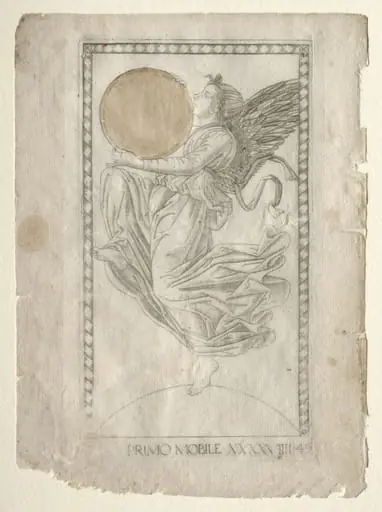 The Angel of the Ninth Sphere (from the Tarocchi, series A: Firmaments of the Universe, #49)
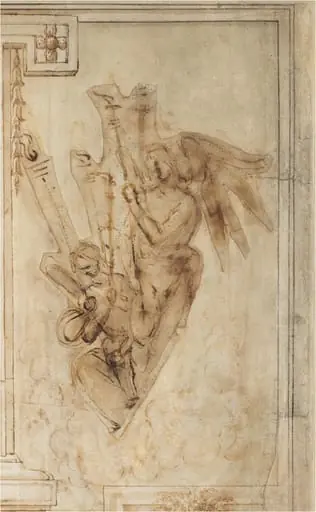 Two Angels Carrying Torches
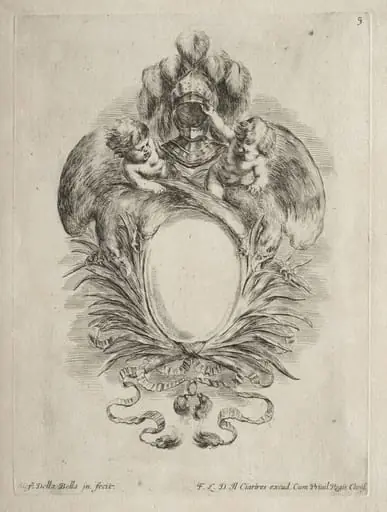 Collection of Various Caprices and New Designs of Cartouches and Ornaments: No. 5
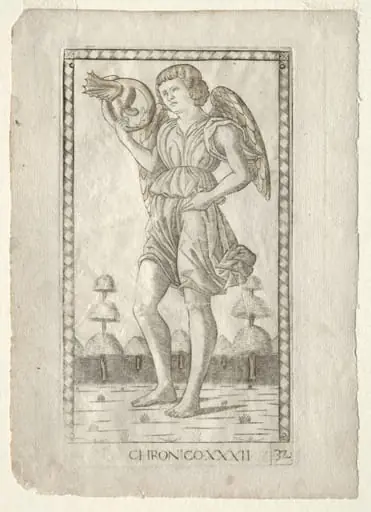 Genius of Time (from the Tarocchi, series B: Cosmic Principles & Virtues, #32)
 Judith with the Head of Holofernes
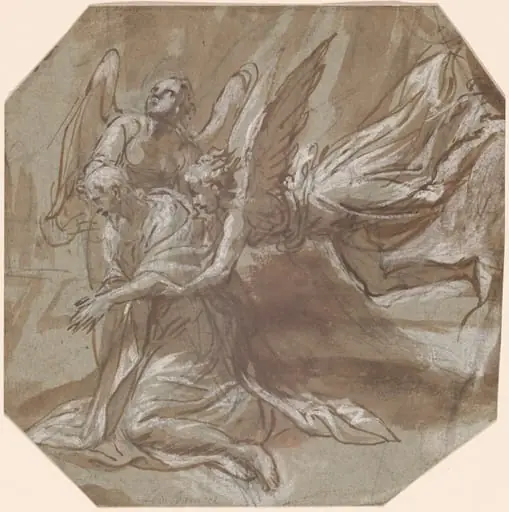 Christ in Gethsemane