Artwork
Simon Dreux d'Aubray
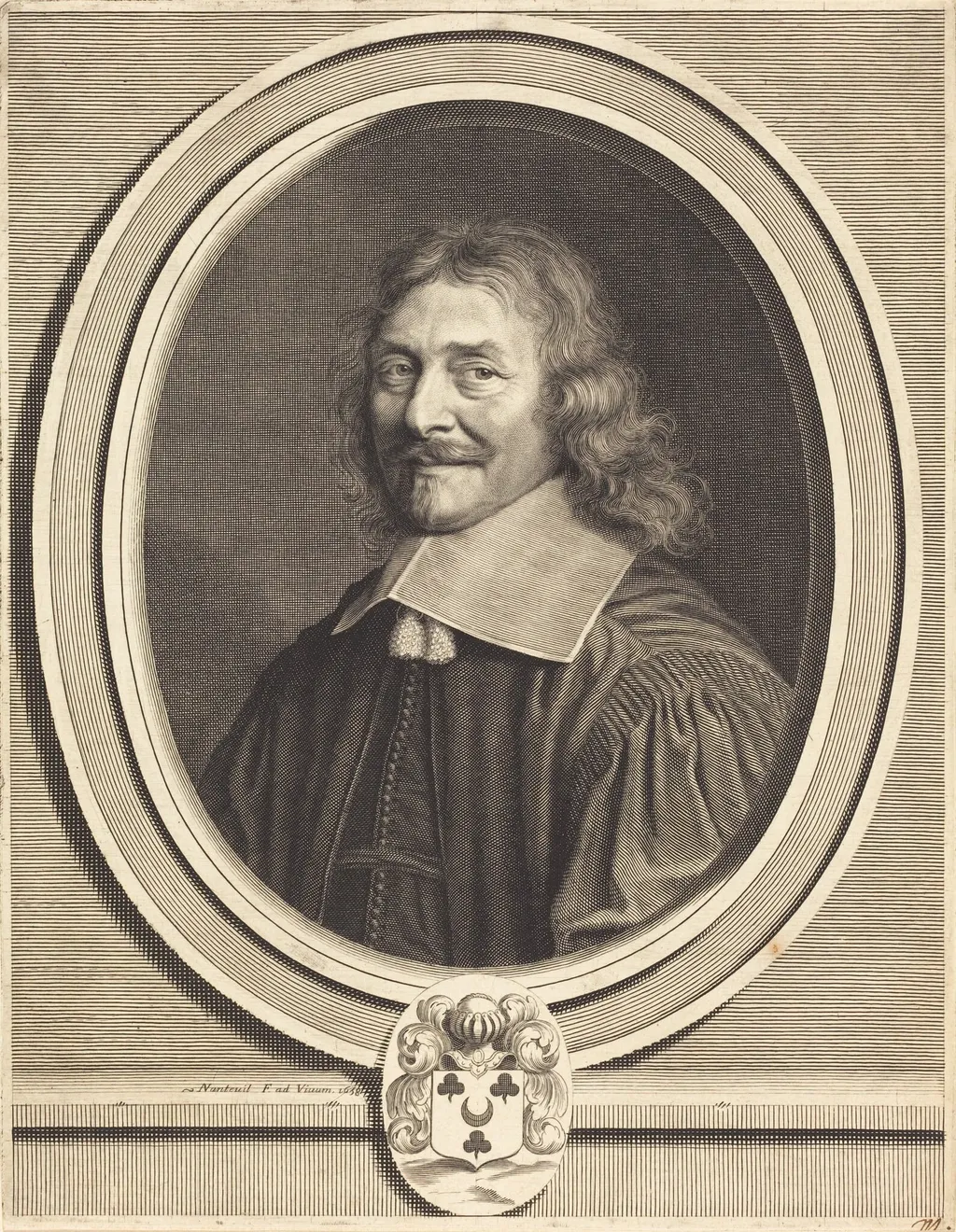
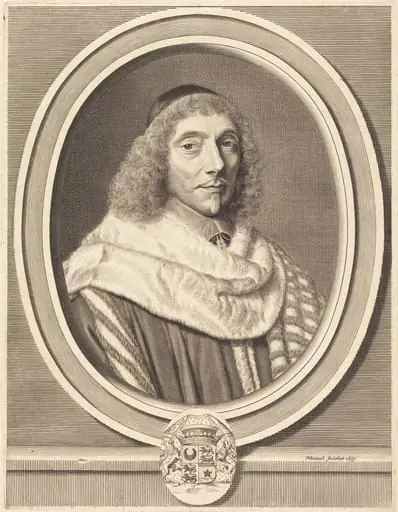
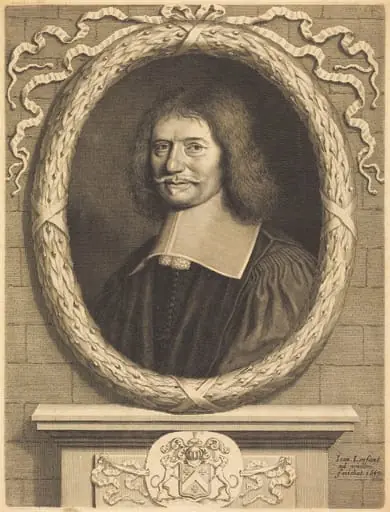
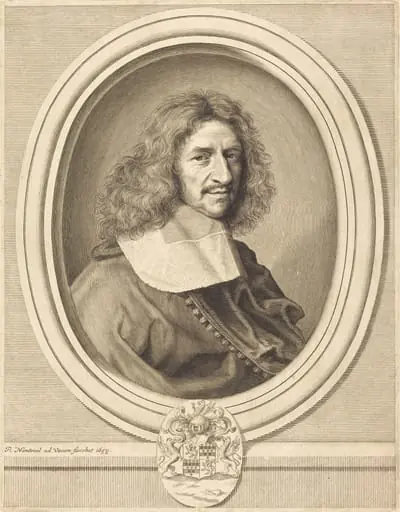
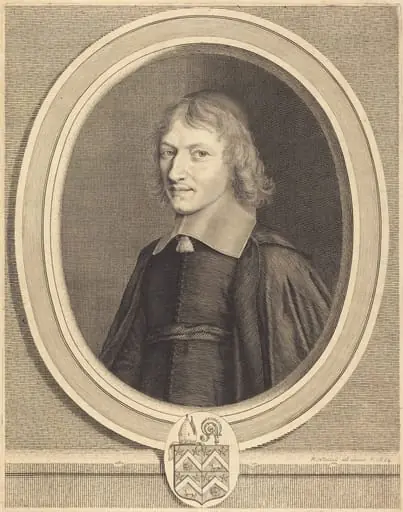
Simon Dreux d'Aubray is an ink print by the Baroque artist Robert Nanteuil. It dates from 1658 and is held in the collection of the National Gallery of Art.
About this work
Overview
This portrait exemplifies his mastery of the engraving technique, translating subtle facial expressions and textures into monochrome impressions on paper.
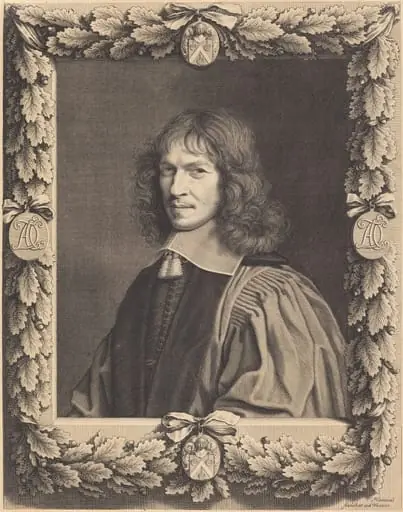
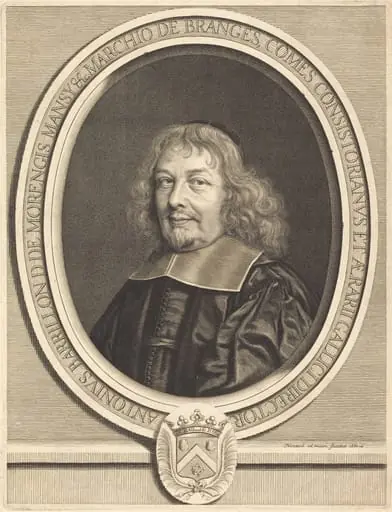
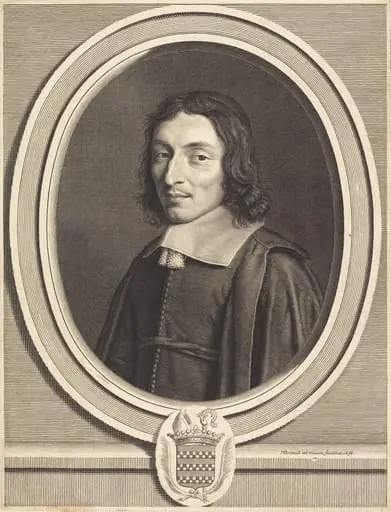
Robert Nanteuil created this 1658 engraving of Simon Dreux d'Aubray during his tenure as a court artist under Louis XIV. As one of the most skilled printmakers of his era, Nanteuil specialized in capturing the likenesses of French nobility through precise line work. This portrait exemplifies his mastery of the engraving technique, translating subtle facial expressions and textures into monochrome impressions on paper.
Subject & Meaning
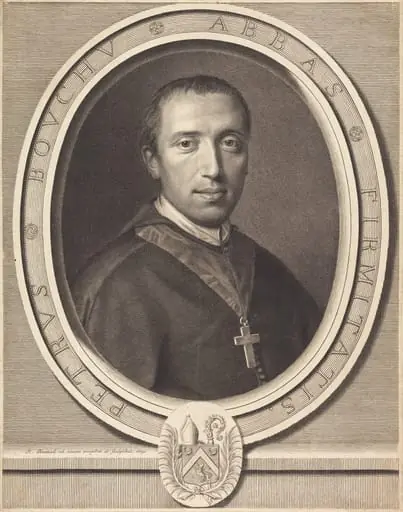
Simon Dreux d'Aubray was a figure within the French royal court’s inner circle, though not a monarch or high official. His portrait reflects the era’s emphasis on personal dignity and social standing. The composed gaze and formal attire suggest restraint and authority, while the inclusion of a small heraldic emblem below underscores his noble lineage and connection to institutional power.
Technique & Style
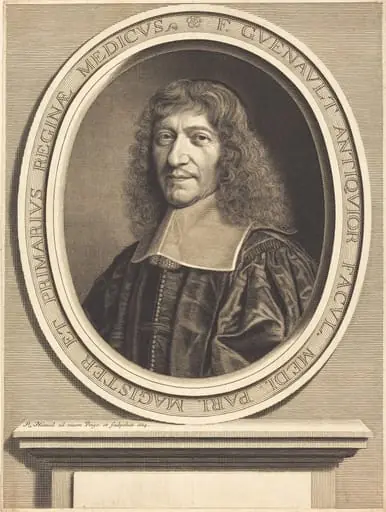
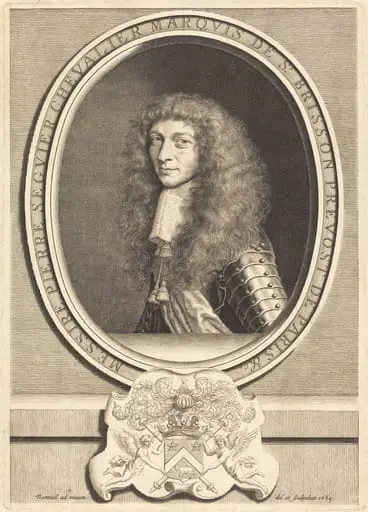
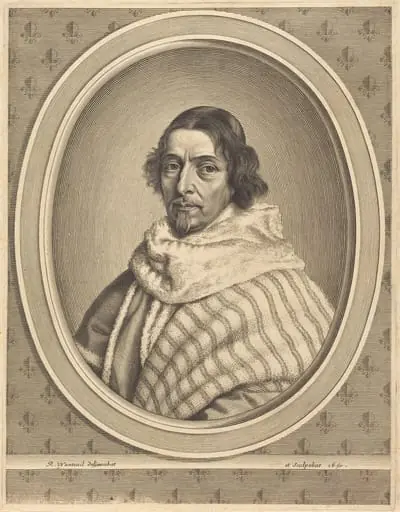
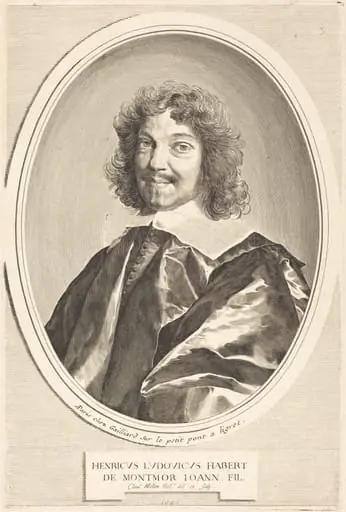
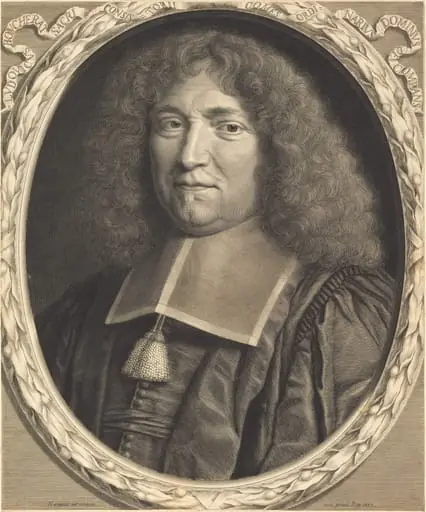
Nanteuil employed fine, controlled burin lines to model the subject’s face and clothing, using gradations of cross-hatching to suggest volume and texture. The curls of hair, the sheen of fabric, and the crispness of the high collar are rendered with meticulous precision. Unlike painting, the image is built entirely from incised marks, revealing the engraver’s hand in every contour and shadow.
History & Provenance
The print was made in 1658, during the height of Nanteuil’s career, when he was producing portraits for the French elite. It likely circulated among courtiers as a token of status or for archival purposes. While the original plate’s later history is unclear, surviving impressions remain in major European print collections, testifying to the work’s enduring value as a document of 17th-century portraiture.
Context
In mid-17th-century France, engraved portraits served as both personal mementos and tools of political representation. Nanteuil’s work aligned with the monarchy’s broader cultural project to project order and refinement. His ability to capture individual character within formal conventions made him the preferred portraitist for those seeking to affirm their place in the rigid hierarchy of Louis XIV’s court.
Legacy
Nanteuil’s engravings set a standard for portraiture in print that influenced generations of artists. His technique became a model for clarity and psychological nuance in monochrome representation. Though largely forgotten outside specialist circles today, his prints remain key references for understanding how identity and authority were visually constructed in early modern France.
Artist & collection
Artist
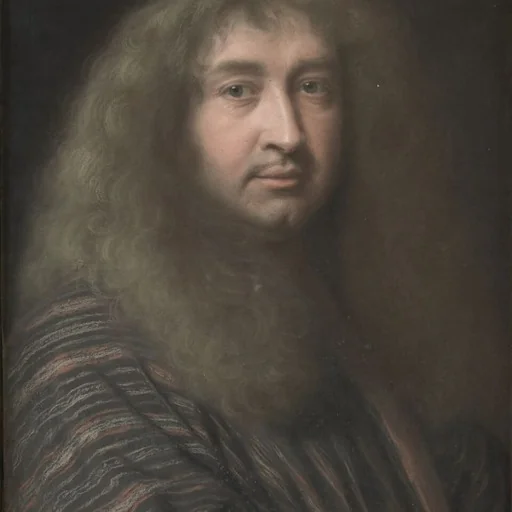
Robert Nanteuil (French pronunciation: ; 1623 – 9 December 1678) was a French portrait artist: engraver, draughtsman and pastellist to the court of Louis XIV.