Artwork
Johannes Schade
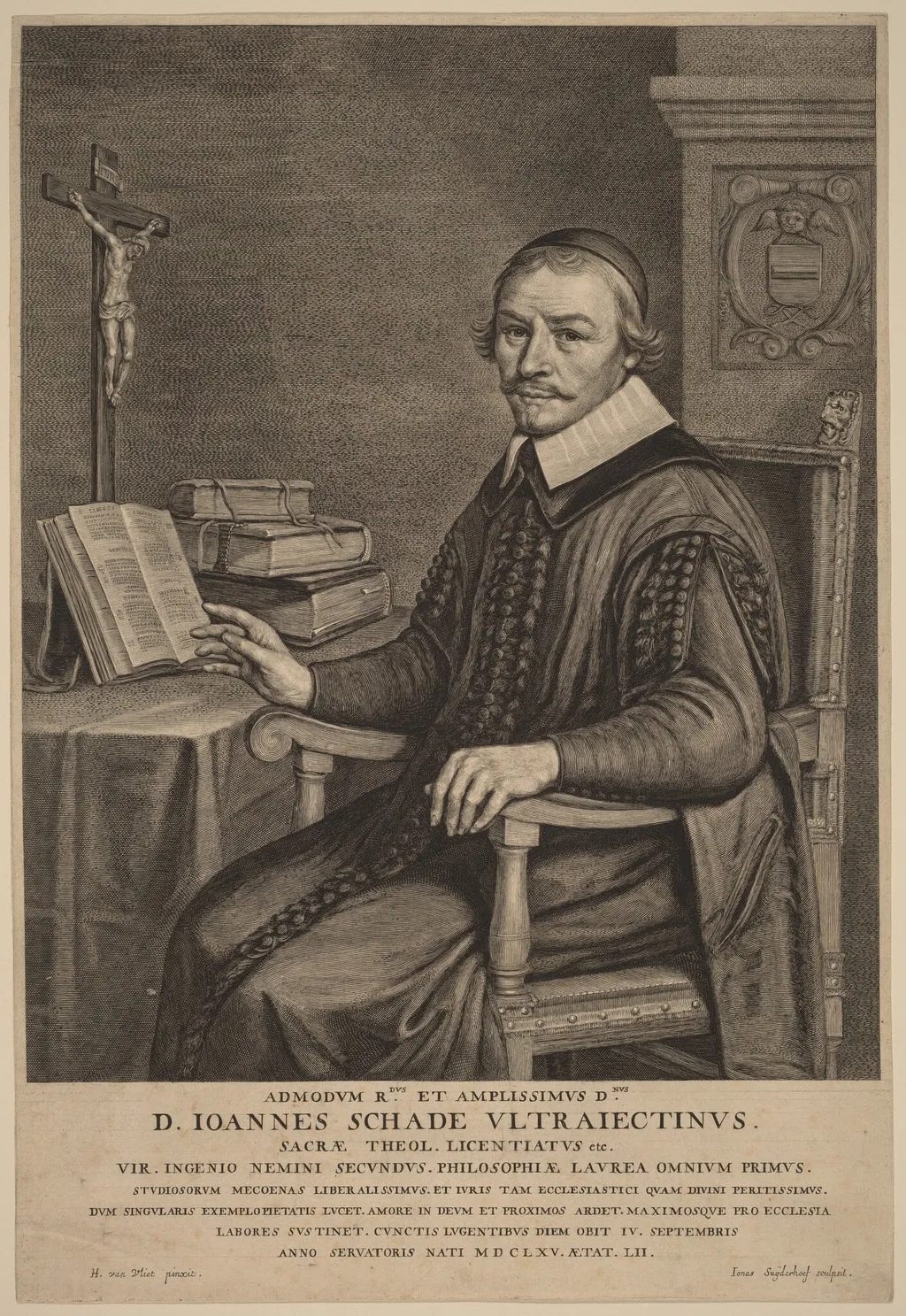
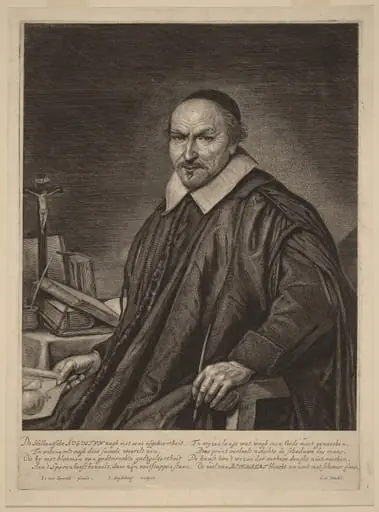
Johannes Schade is an ink print by the Baroque artist Jonas Suyderhoff. It dates from 1650 and is held in the collection of the National Gallery of Art.
About this work
Overview
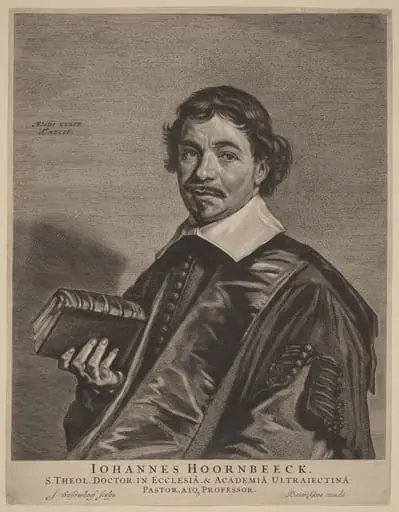
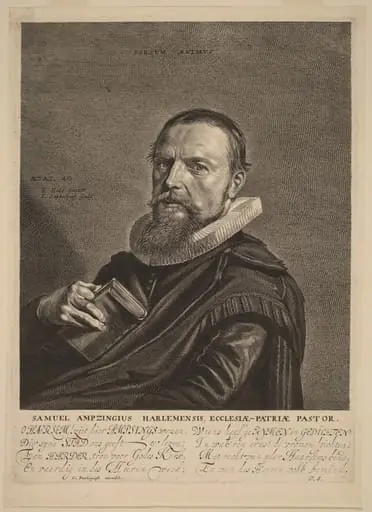
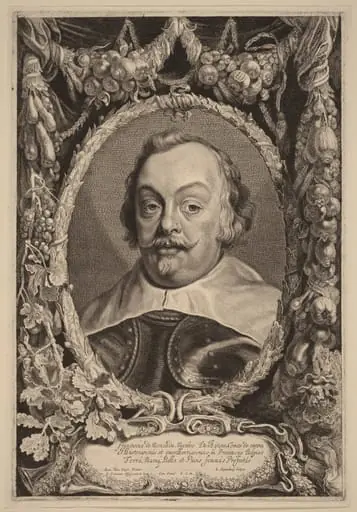
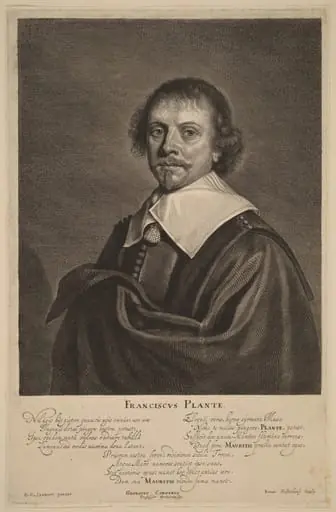
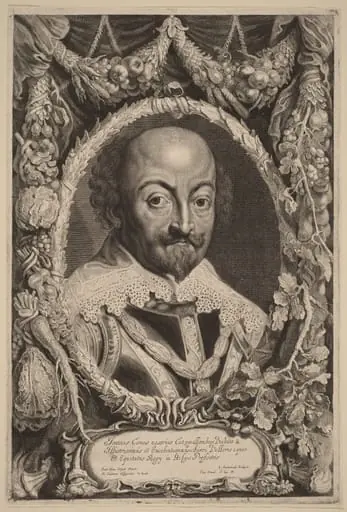
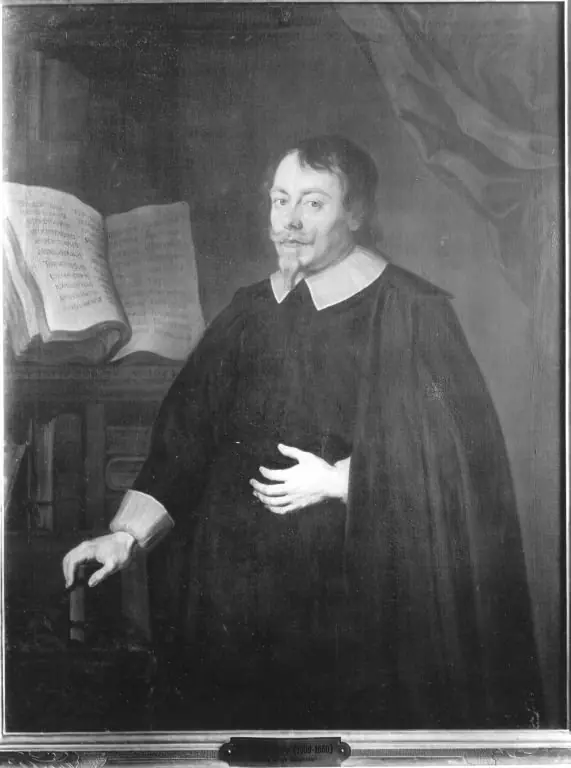
The image captures a man seated in a modest interior, dressed in formal attire typical of mid-17th-century scholarly or clerical dress.
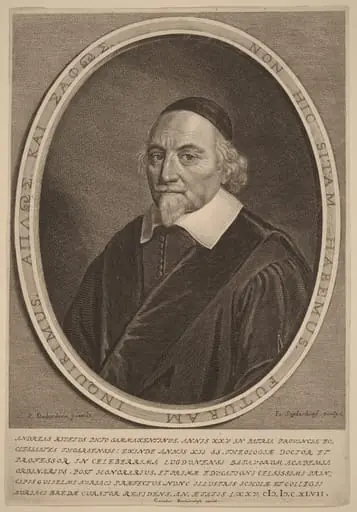
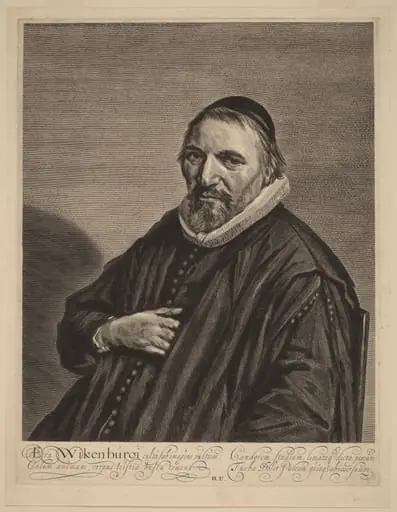
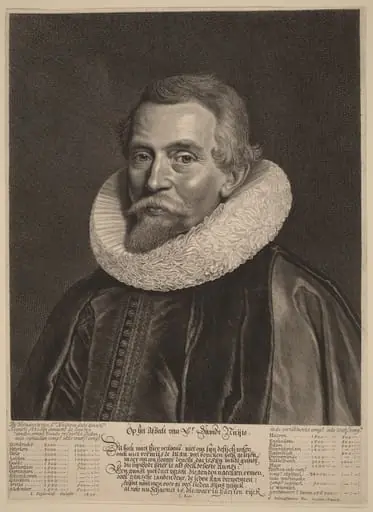
This black-and-white print, made in 1650 by Jonas Suyderhoff, depicts Johannes Schade through the technique of engraving. The image captures a man seated in a modest interior, dressed in formal attire typical of mid-17th-century scholarly or clerical dress. The composition emphasizes stillness and introspection, with careful attention to the textures of fabric, paper, and wood. Latin text at the base identifies the subject, aligning the image with portrait traditions of the period.
Subject & Meaning
Johannes Schade is portrayed as a learned individual, surrounded by symbols of scholarship: an open book, a stack of volumes, and a crucifix on the wall. His direct gaze and restrained expression suggest authority and contemplation. The presence of religious imagery alongside academic tools implies a connection between faith and intellectual pursuit, common in Protestant scholarly culture of the time. The portrait functions as both likeness and moral emblem.
Technique & Style
Suyderhoff employed fine, controlled lines to carve the image into a metal plate, then inked and pressed it onto paper. The engraving’s sharp contrasts and intricate cross-hatching render the folds of the high collar, the texture of the book’s pages, and the grain of the chair with precision. Shadows are built through density of lines rather than tone, characteristic of Northern European printmaking. The result is a tactile, almost sculptural rendering in monochrome.
History & Provenance
Created in 1650, the engraving likely served as a portrait for a local or institutional audience, possibly commissioned to commemorate Schade’s role in civic or religious life. Its survival suggests it was valued enough to be preserved, though its early ownership remains undocumented. Similar prints from this era circulated among scholars and clergy, functioning as both personal mementos and public representations of intellectual identity.
Context
In mid-17th-century Northern Europe, engraved portraits were common among the educated elite, especially in the Dutch Republic and German-speaking regions. They reflected a culture that prized literacy, religious devotion, and the visible markers of status. Schade’s depiction aligns with this trend, where the individual’s dignity was conveyed not through grandeur but through quiet competence and moral seriousness.
Legacy
The engraving endures as a quiet example of portraiture that prioritizes character over spectacle. It offers insight into how intellectual and religious identity were visually encoded during the early modern period. While not widely known today, it contributes to a broader understanding of how print media shaped perceptions of authority, learning, and personal virtue in 17th-century Europe.
Artist & collection