Artwork
William Ames
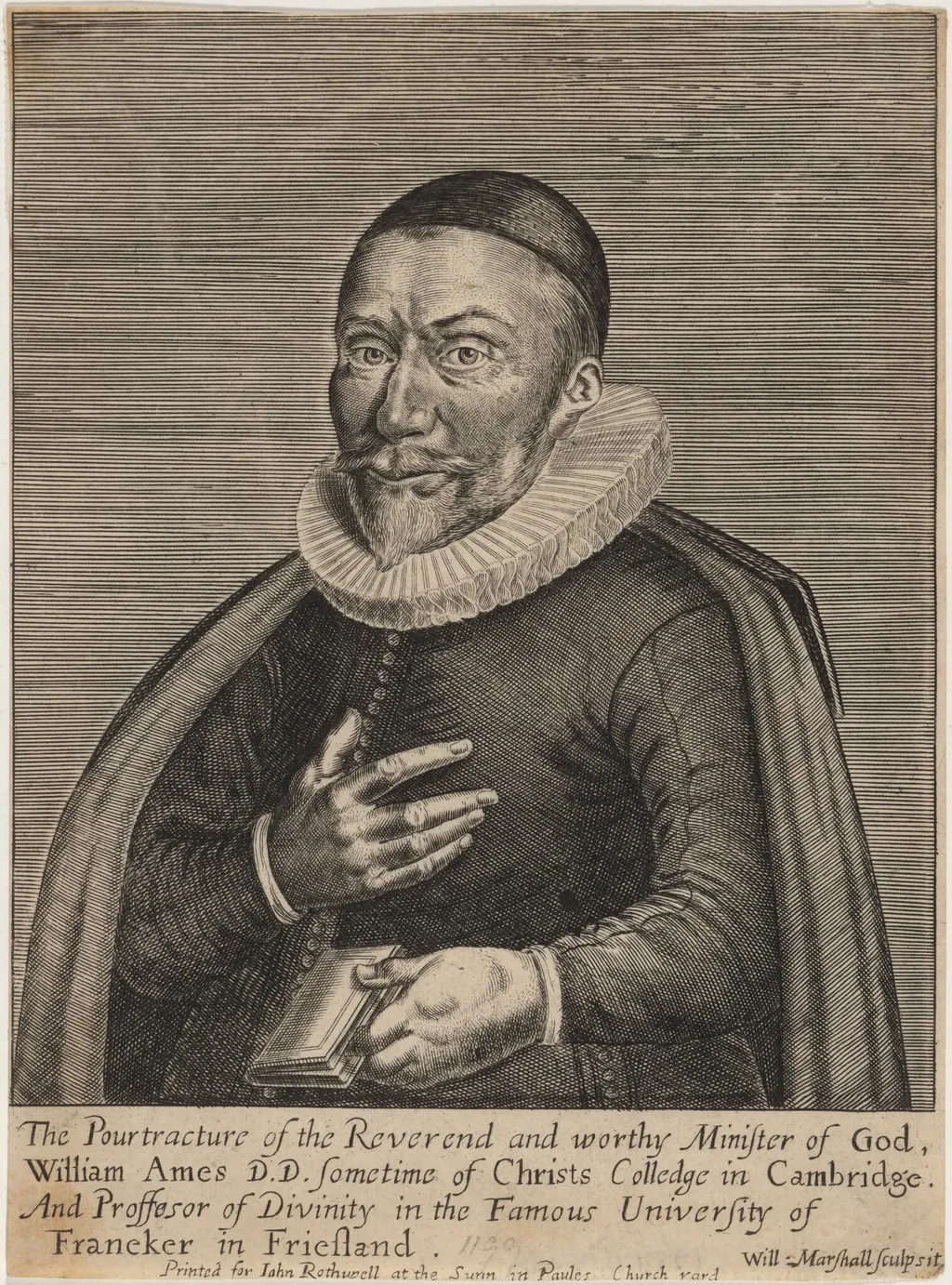
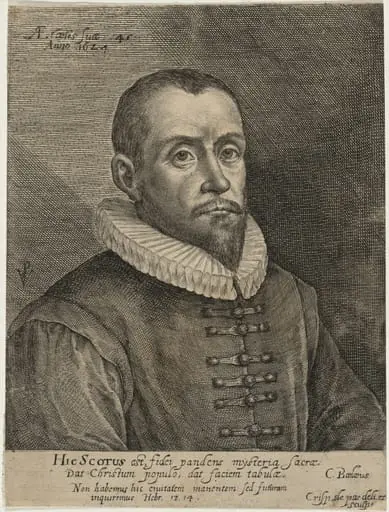
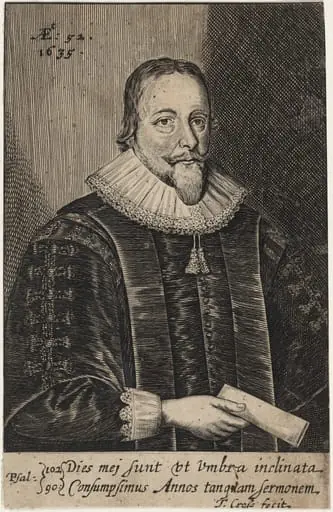
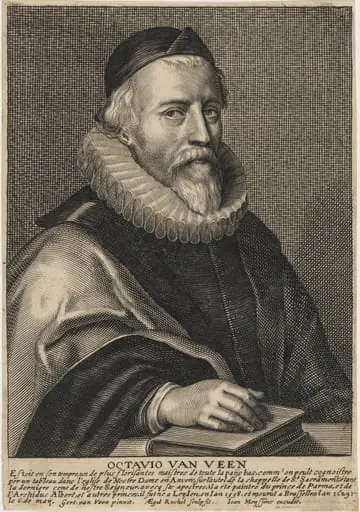
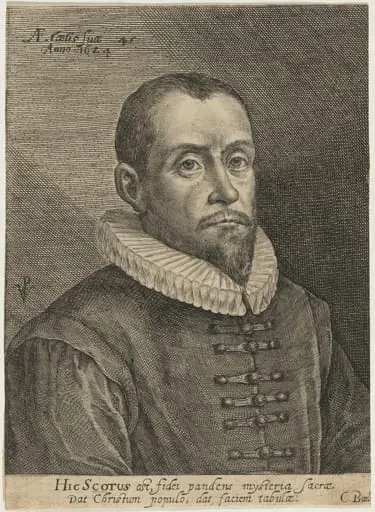
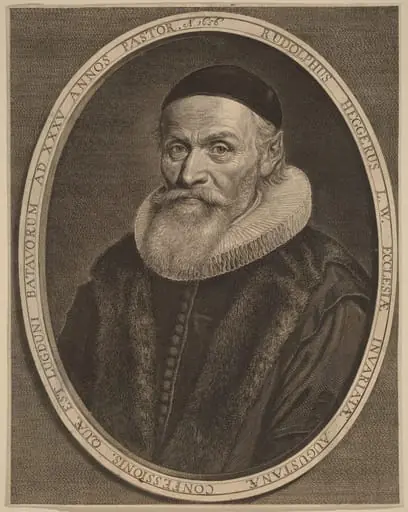
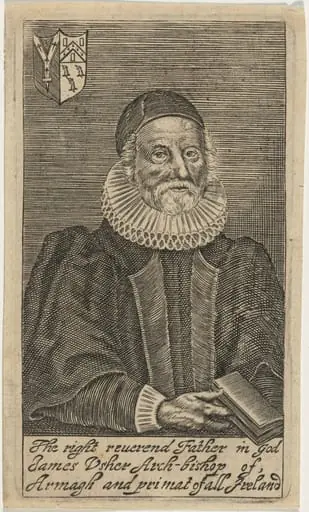
William Ames is an ink print by the Baroque artist William Marshall. It dates from 1633 and is held in the collection of the National Gallery of Art.
About this work
Overview
This 1633 engraving, produced by the English printmaker William Marshall, presents a portrait of the theologian William Ames. Executed as a copperplate print, the image was intended for circulation among scholarly and religious audiences of the early Stuart period.
Subject & Meaning
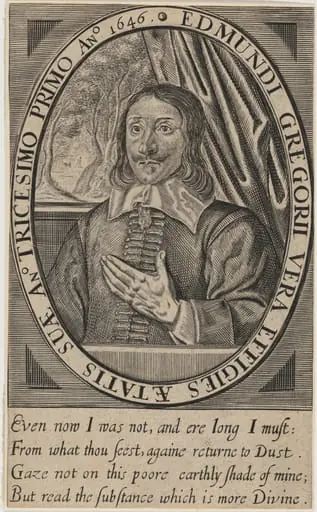
The sitter is shown with a neatly trimmed beard and moustache, dressed in a dark, high‑collared shirt and a draped cloak. He holds a book in his right hand, a conventional attribute indicating his scholarly vocation, while his left hand rests on his chest, suggesting a posture of earnest contemplation.
Technique & Style
Marshall employs fine cross‑hatching to model the facial features and fabric folds, creating a subtle gradation of tone that conveys volume. The restrained palette of dark inks and the precise line work reflect the early Baroque emphasis on realism and controlled drama in portraiture.
History & Provenance
The print was issued shortly after Ames’s death in 1633, likely as part of a commemorative series of portraits of notable Puritan divines. Surviving copies are found in several British institutional collections, indicating its distribution among academic libraries and private collectors in the 17th and 18th centuries.
Artist & collection