Artwork
Augustyn Bloemaert
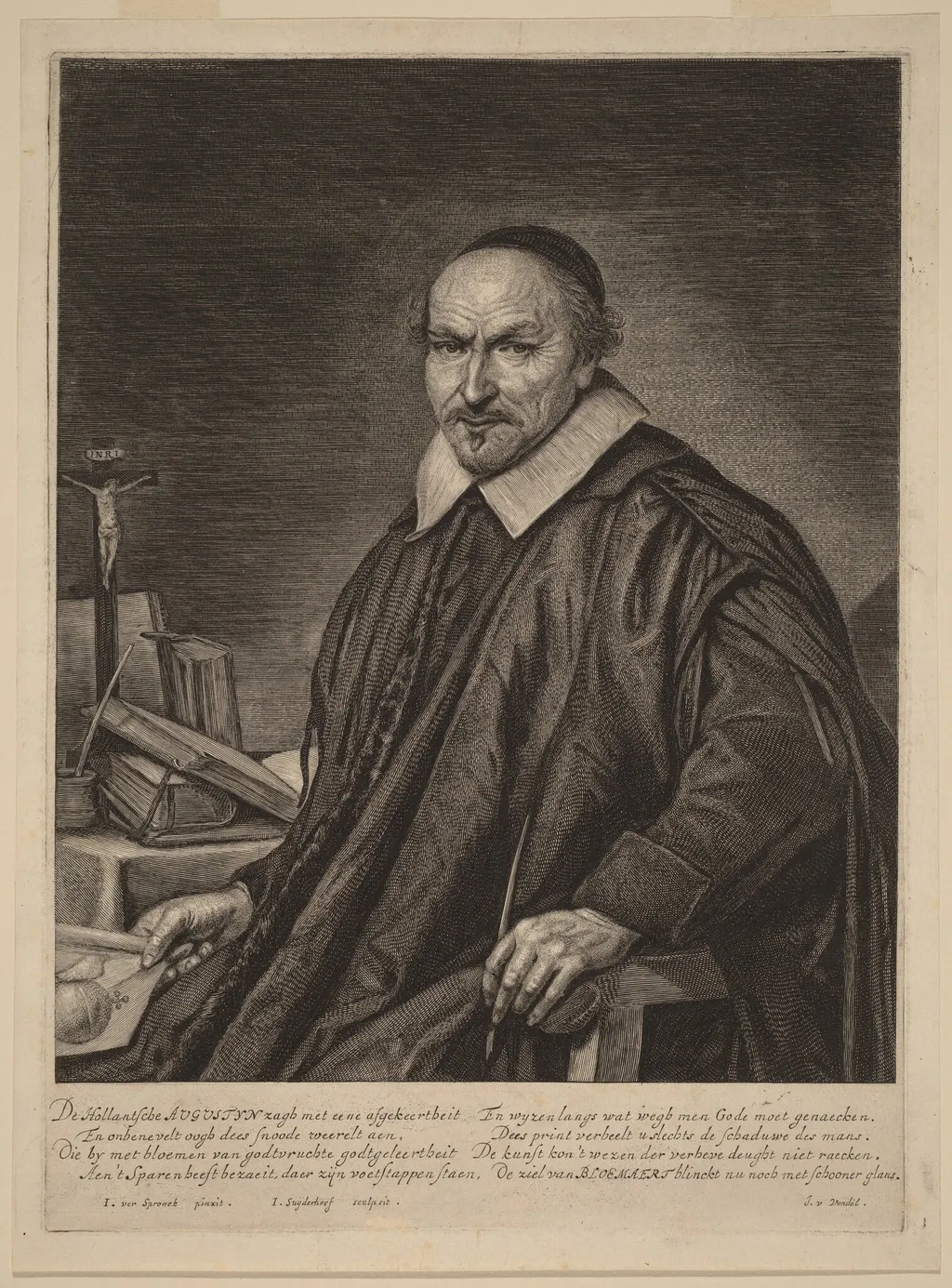
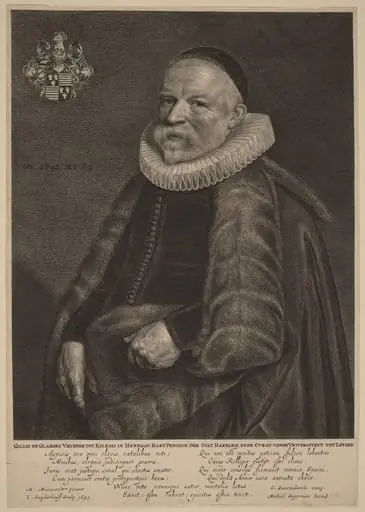
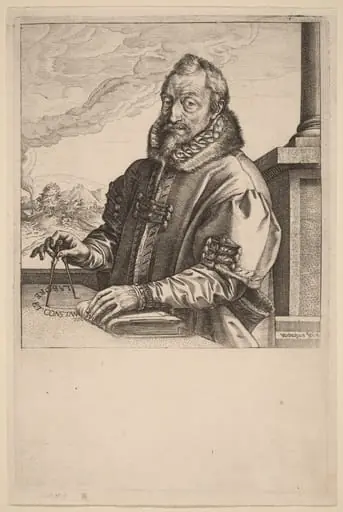
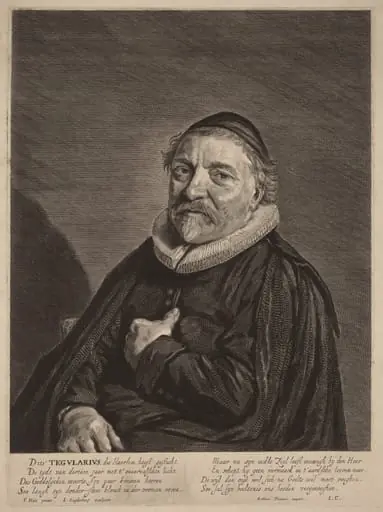
Augustyn Bloemaert is an ink print by the Baroque artist Jonas Suyderhoff. It dates from 1650 and is held in the collection of the National Gallery of Art.
About this work
Overview
Its small scale and precise execution suggest it was intended for private or scholarly circulation rather than public display.
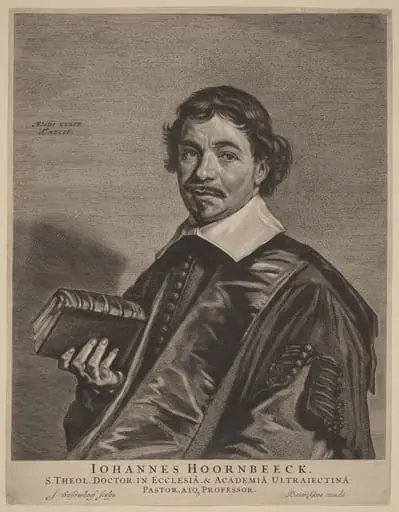
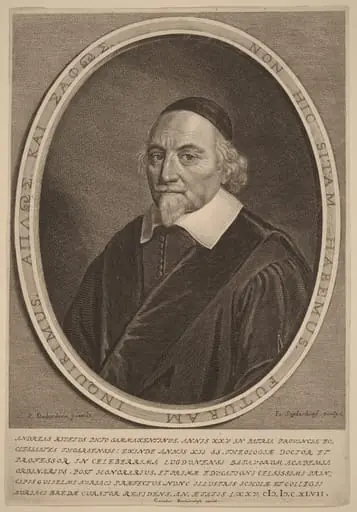
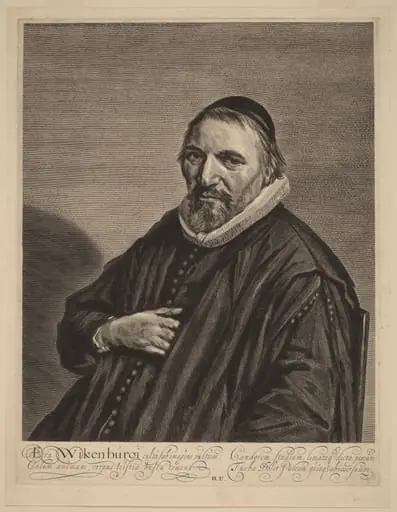
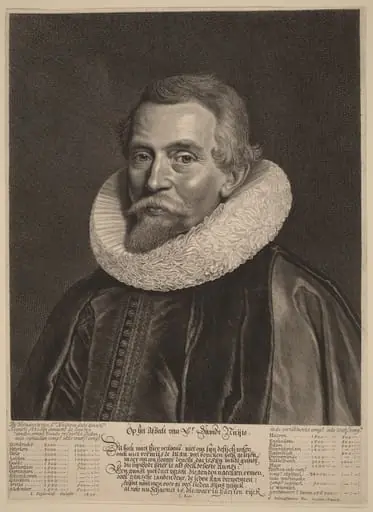
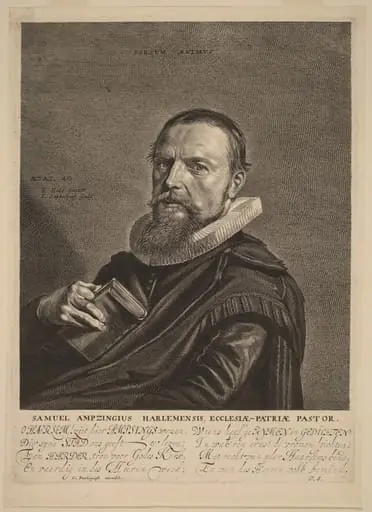
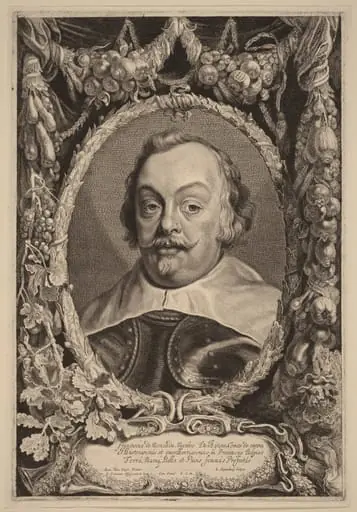
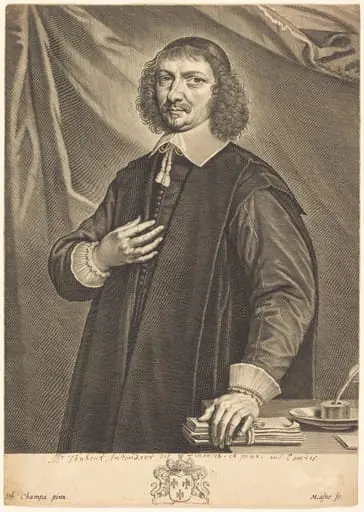
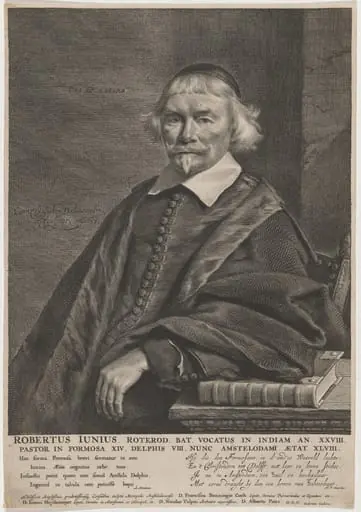
This black-and-white engraving, dated 1650, depicts a solemn male figure rendered in fine linear detail by Jonas Suyderhoff. The composition is tightly focused on the subject, with minimal background elements. The work is a print made using the engraving technique, where incised lines hold ink to produce the image. Its small scale and precise execution suggest it was intended for private or scholarly circulation rather than public display.
Subject & Meaning
The figure, dressed in a dark robe with a white collar, appears contemplative, holding a document in one hand while the other rests on his chest. Behind him, a cross, a book, and a figure on a ladder imply religious or scholarly themes. The Dutch inscriptions frame the image, reinforcing its cultural context. Together, these elements suggest the subject is a learned individual—possibly a theologian or cleric—engaged in quiet reflection or study.
Technique & Style
Suyderhoff employed fine, controlled lines to model form and depth, using cross-hatching to build shadow and texture. The wrinkles on the face, the folds of fabric, and the subtle gradations of tone are achieved without tone or wash, relying solely on line density. The precision of the engraving reveals a mastery of the medium, with each stroke contributing to a lifelike, almost sculptural presence on the flat surface.
History & Provenance
Created in 1650, the engraving likely circulated among Dutch intellectual or religious circles during the mid-seventeenth century. Its small size and detailed technique align with the tradition of portrait prints used to commemorate scholars or clergy. While its early ownership is undocumented, the work reflects the broader practice of engraving as a means of preserving and disseminating likenesses of notable individuals in the Dutch Republic.
Context
In mid-1600s the Netherlands, engraving was a respected medium for reproducing portraits and religious imagery, often used in books or as standalone keepsakes. The inclusion of symbolic objects—cross, book, ladder—echoes Protestant devotional culture, where personal piety and study were emphasized. This print fits within a tradition of modest, introspective portraiture that valued intellectual and spiritual character over grandeur.
Legacy
Though not widely known today, the engraving exemplifies the quiet precision of Dutch printmaking in the Baroque era. It preserves a visual record of a figure whose identity may otherwise be lost, offering insight into how scholars and clergy were visually represented in private, devotional contexts. Its survival underscores the role of engraving in sustaining cultural memory through durable, reproducible imagery.
Artist & collection