Artwork
Ptarmigan
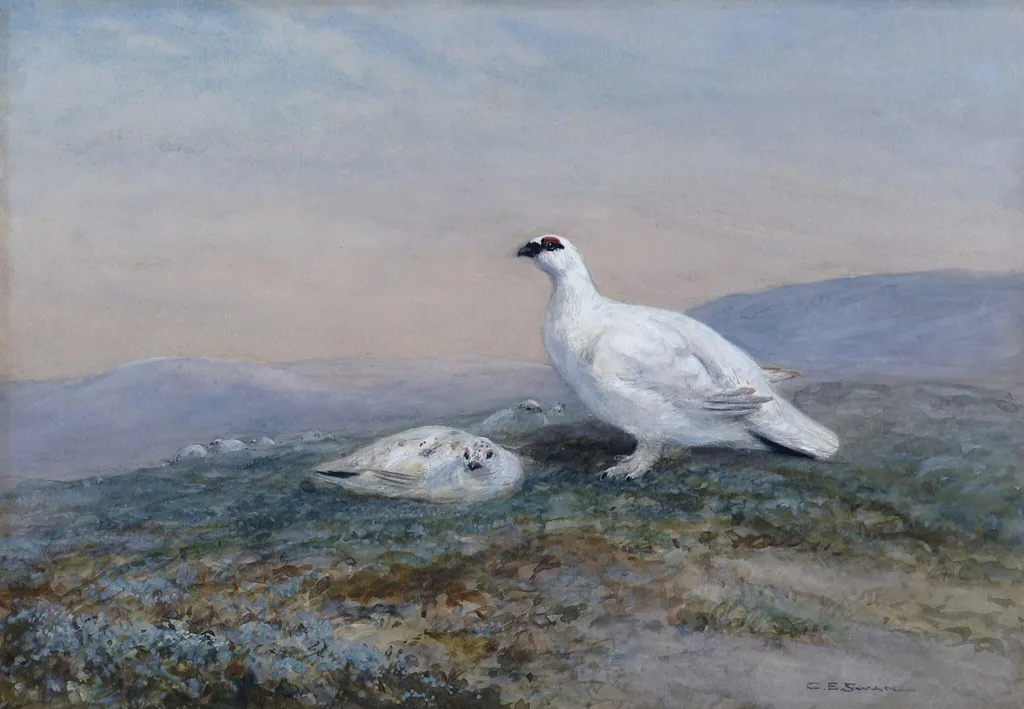
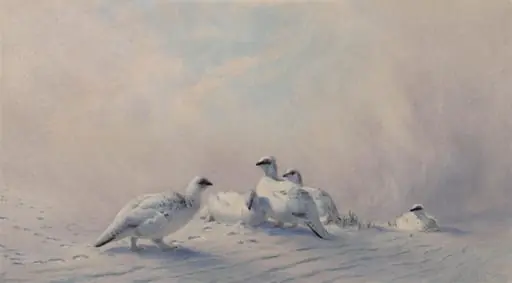
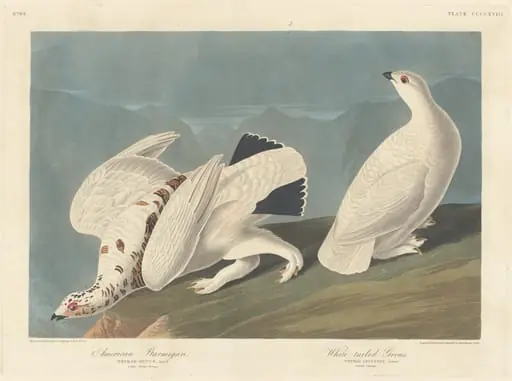
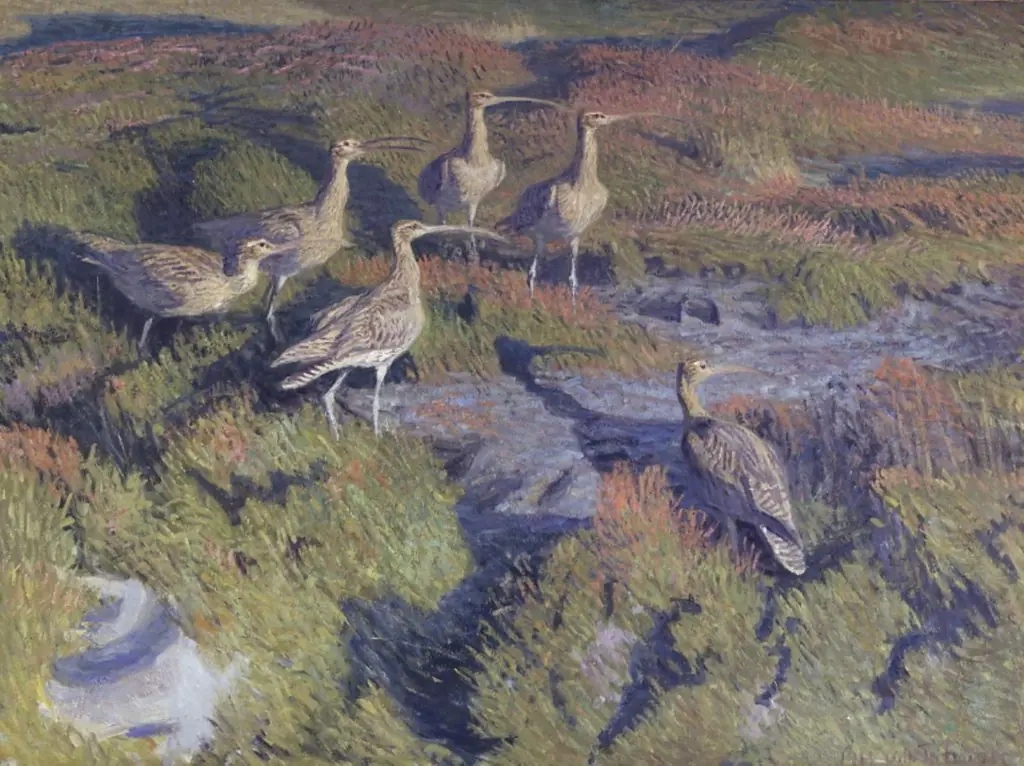
Ptarmigan is a watercolor work on paper by the Impressionist artist Charles Edward Swan. It dates from 1890 and is held in the collection of the Victoria and Albert Museum.
About this work
Overview
This watercolour presents a winter scene in which two ptarmigan, rendered in their snowy plumage, occupy a grassy hill. The birds are set against a softened landscape of distant hills and a pale sky, with additional avian figures suggested in the background. The composition conveys a quiet, highland atmosphere through its muted palette and gentle atmospheric perspective.
Subject & Meaning
The work focuses on the ptarmigan, a bird known for its seasonal colour change, emphasizing its adaptation to a snowy environment. By placing the birds on an open hill, the artist highlights their natural habitat within a moorland or highland setting, inviting contemplation of the relationship between wildlife and the stark winter landscape.
Technique & Style
Executed in watercolour, the piece employs light washes of white and pale blues to render the birds' fluffy feathers, creating a subtle luminosity against the subdued greens and greys of the ground. Soft edges and a blurred background suggest depth while maintaining a calm, naturalistic tone characteristic of 19th‑century British landscape watercolours.
Context
The painting belongs to the collection of the Victoria and Albert Museum, where it is displayed among other works illustrating British wildlife and landscape traditions. Its provenance reflects the museum’s interest in documenting natural history through art, situating the piece within a broader narrative of 19th‑century observational drawing.
Own this work as a print
Artist & collection
Artist
Charles Edward Swan painted delicate watercolors of birds, especially ptarmigans, in the late 19th to early 20th century.