Artwork
Turbanul albastru
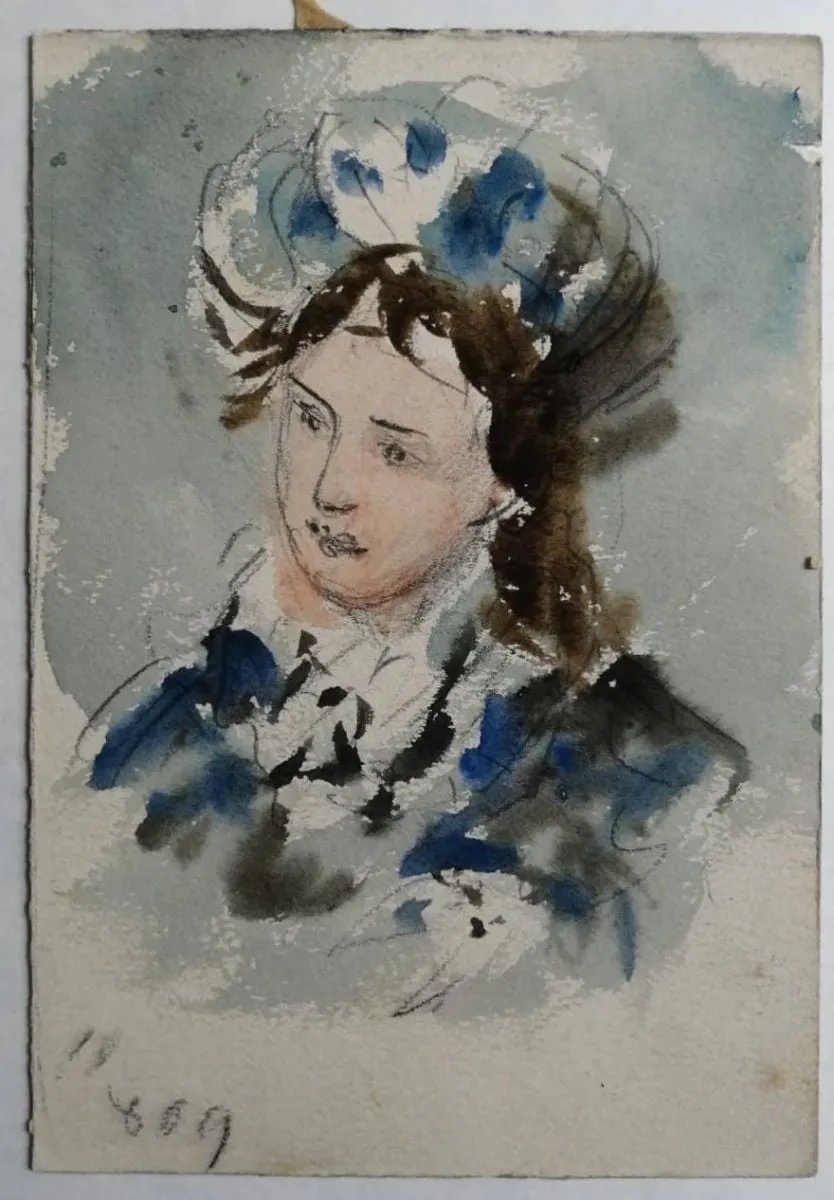
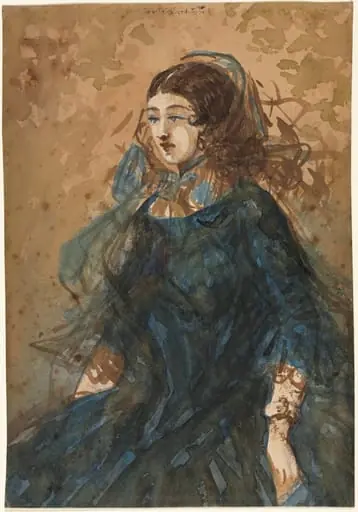
Turbanul albastru is a print by Carol Pop de Szathmári. It dates from 1869 and is held in the collection of the Bucharest Municipality Museum.
About this work
Overview
Szathmari, a Transylvanian Hungarian artist based in Bucharest, was among the first to document life in the region through visual media.
Created around 1869 by Carol Szathmari, *Turbanul albastru* is a photographic or drawn portrait of a woman wearing a blue headwrap. Szathmari, a Transylvanian Hungarian artist based in Bucharest, was among the first to document life in the region through visual media. This work, held by the Museum of Ethnography, reflects his interest in capturing everyday figures with quiet precision, blending documentary intent with artistic sensitivity.
Subject & Meaning
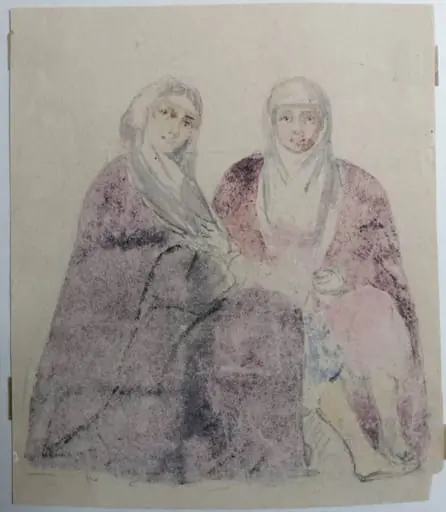
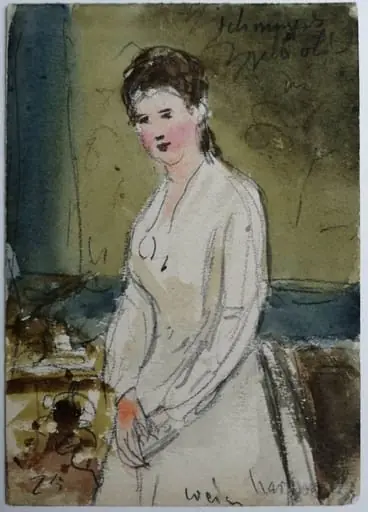
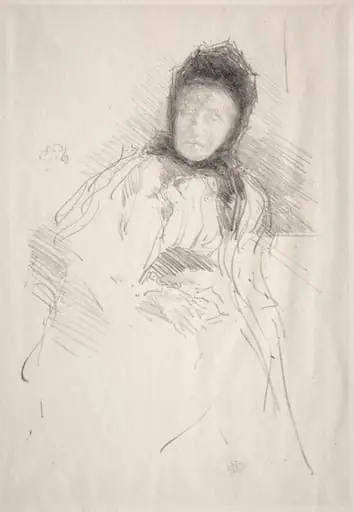
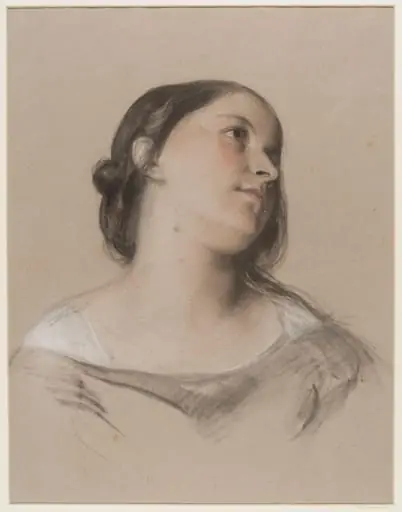
The subject is a woman, her face and shoulders rendered with restrained detail, her hair secured beneath a dark, blue-toned headwrap. Her expression is composed, unadorned, suggesting a moment of stillness rather than performance. The absence of ornamentation or context points to an ethnographic aim: to record regional dress and presence without romanticization, offering a glimpse into the lived reality of women in 19th-century Romanian society.
Technique & Style
The work employs loose, rapid brushwork or drawing strokes, evoking immediacy rather than finish. Soft blues, grays, and browns dominate the palette, with subtle chiaroscuro defining the contours of the face and collar. Shadows are gently modeled, not sharply contrasted, lending a quiet depth without theatricality. The effect is intimate and unpolished, as if the image was made in passing, preserving the spontaneity of observation.
History & Provenance
The piece resides in the Museum of Ethnography, indicating its classification as a cultural record rather than a fine art portrait. Szathmari’s broader body of work includes photographic documentation from the Crimean War and daily life in Wallachia, positioning this image within his systematic effort to archive regional identities. Its survival suggests early institutional recognition of photography and drawing as tools for ethnographic study.
Context
In the late 1860s, Romania was consolidating its national identity after unification, and visual documentation of regional dress became a means of cultural preservation. Szathmari’s focus on ordinary individuals—especially women in traditional attire—aligned with broader European trends in ethnography. His work avoided exoticism, instead offering restrained, factual depictions that contributed to emerging scholarly interest in local customs.
Legacy
Szathmari is acknowledged as a foundational figure in Romanian visual documentation. *Turbanul albastru* exemplifies his role in bridging photography and drawing to capture everyday life with dignity and minimal intervention. Though not widely exhibited, the work remains a quiet reference point in the history of Romanian visual culture, valued for its sincerity and its contribution to early ethnographic archives.
Artist & collection
Artist
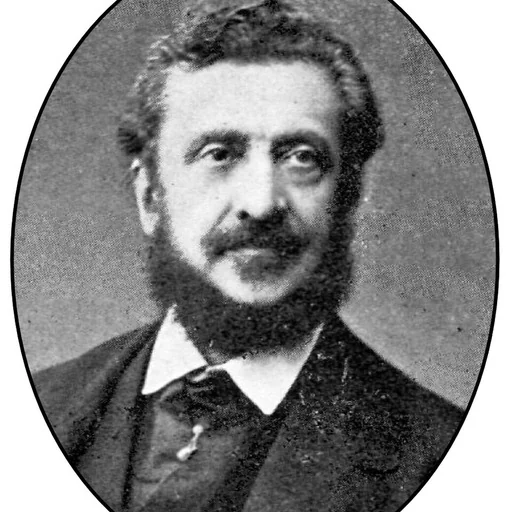
Carol Szathmari (Romanian: Carol Popp de Szathmari, Hungarian: Szathmáry Pap Károly; 11 January 1812, Kolozsvár – 3 July 1887, Bucharest) was a Romanian painter, lithographer, and photographer of Transylvanian Hungarian…
![Young Woman, Florence [recto], by Seth Wells Cheney](https://artifactworldgallery.com/img/seth-wells-cheney--young-woman-florence-recto--05fb201b0cc35006-w320.webp)