Artwork
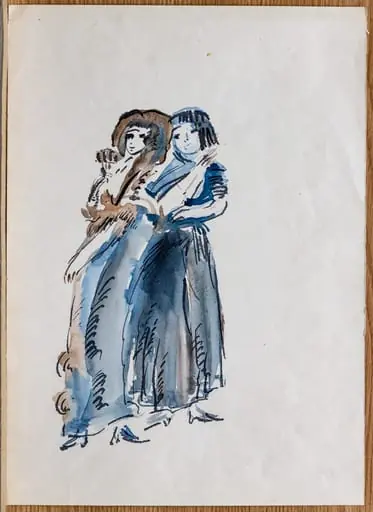
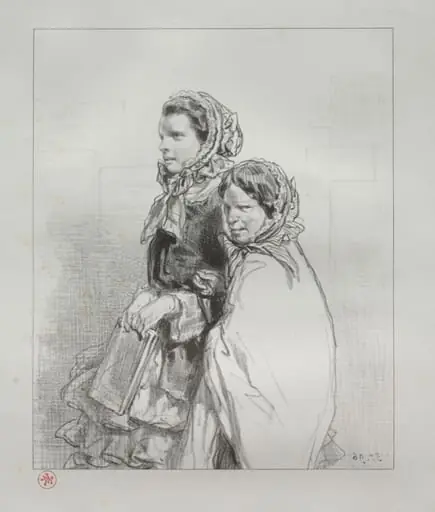
Două cadâne
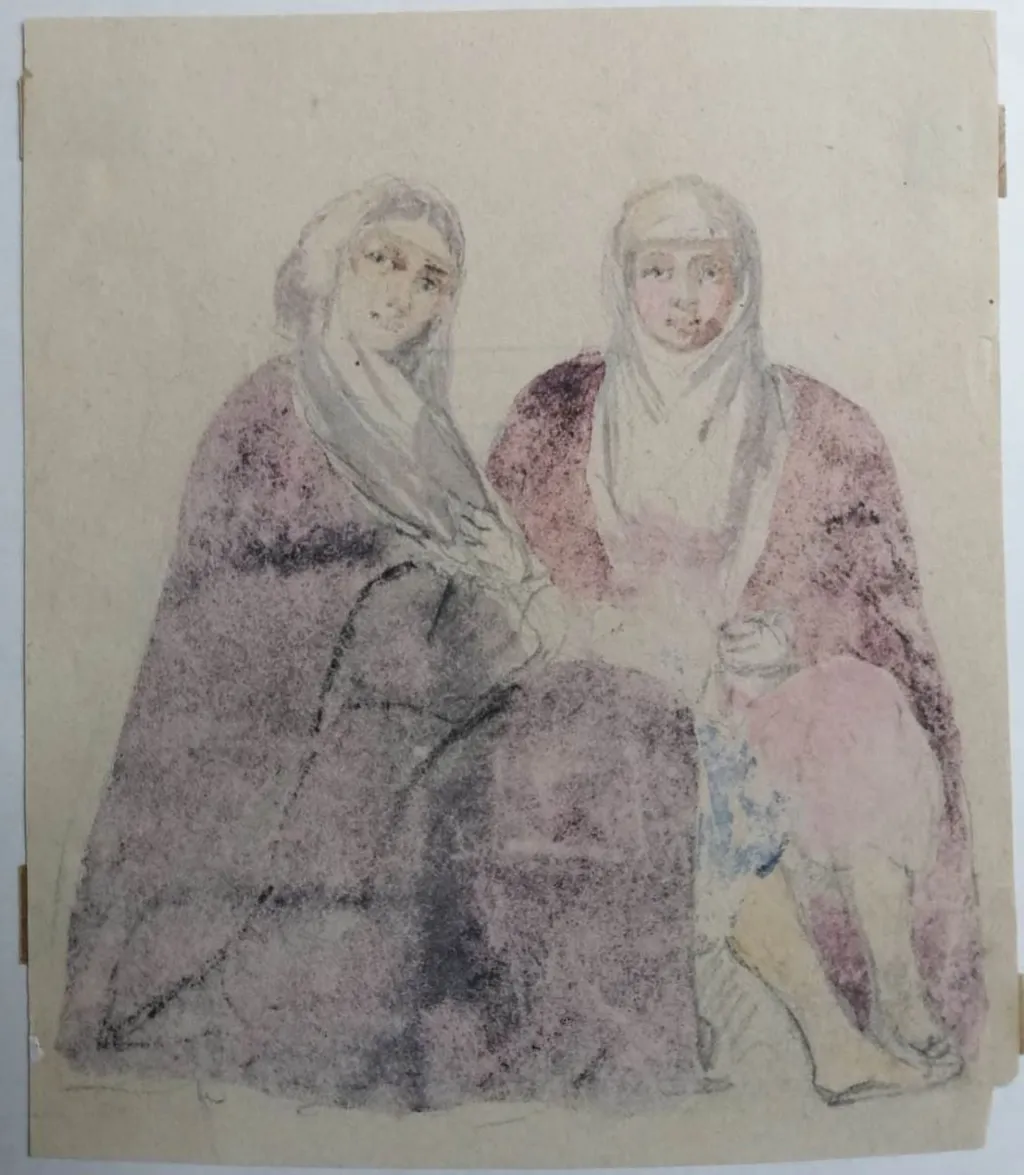
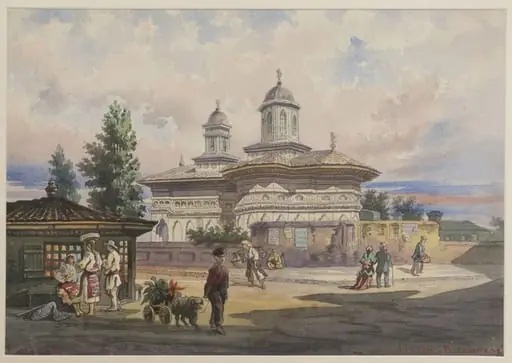
Două cadâne is a print by Carol Pop de Szathmári. It dates from 1850 and is held in the collection of the Bucharest Municipality Museum.
About this work
Overview
Though he later gained recognition for photographic documentation during the Crimean War, this work stems from his earlier career as a painter and printmaker.
Carol Szathmari, a Transylvanian Hungarian artist active in Bucharest, produced *Două cadâne* circa 1850 as a lithographic print. Though he later gained recognition for photographic documentation during the Crimean War, this work stems from his earlier career as a painter and printmaker. The piece is part of the Museum of Ethnography’s collection, reflecting his engagement with regional cultural subjects through graphic media.
Subject & Meaning
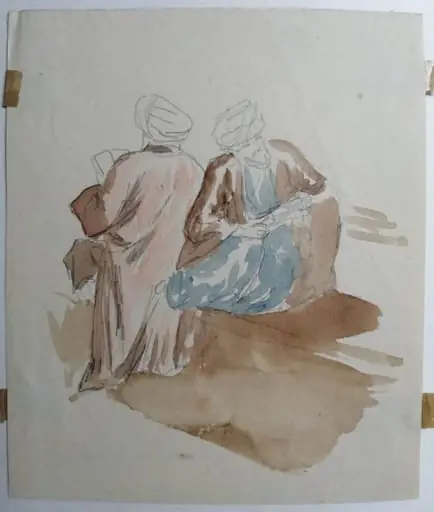
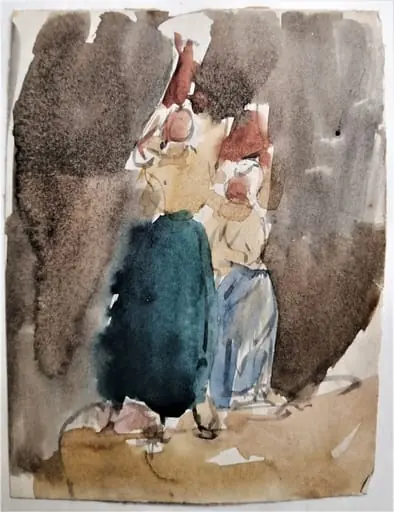
The image portrays two women seated side by side, dressed in traditional headscarves and long robes. Their postures suggest quiet contemplation or mourning: one clasps her hands, the other holds a small, indistinct object. The absence of narrative context invites interpretation rooted in local customs, possibly referencing rites of grief or domestic rituals. The focus on attire and gesture implies an ethnographic intent, documenting everyday presence rather than dramatizing events.
Technique & Style
Szathmari employed lithography to render fine tonal gradations, particularly in the folds of the women’s garments. Subtle shading models the fabric’s volume, suggesting texture without overt detail. The light beige background isolates the figures, enhancing their three-dimensionality. His approach blends observational precision with a restrained aesthetic, avoiding theatricality in favor of quiet, dignified representation.
History & Provenance
Created in the early 1850s, *Două cadâne* predates Szathmari’s better-known wartime photography. It entered the Museum of Ethnography’s holdings as part of a broader collection of 19th-century Romanian visual culture. Its preservation reflects institutional interest in documenting regional identity through art, even as Szathmari’s reputation shifted toward photojournalism in later years.
Context
In mid-19th century Romania, artists increasingly turned to local subjects amid rising national consciousness. Szathmari’s work aligns with this trend, capturing rural or provincial figures with a documentary impulse. While Western European art emphasized historical or mythological themes, his focus on ordinary women in traditional dress reflects a regional shift toward ethnographic realism.
Legacy
Though overshadowed by his photographic achievements, *Două cadâne* remains a significant example of Szathmari’s graphic work. It illustrates his ability to merge artistic technique with cultural observation, contributing to early visual records of Romanian folk life. The print endures as a quiet testament to the dignity of everyday presence in a period of social and artistic transition.
Artist & collection
Artist
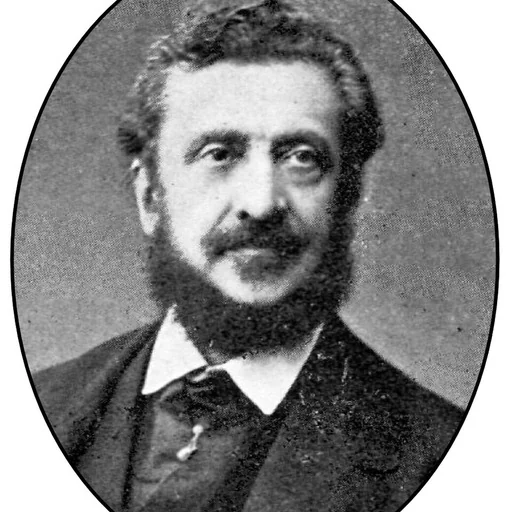
Carol Szathmari (Romanian: Carol Popp de Szathmari, Hungarian: Szathmáry Pap Károly; 11 January 1812, Kolozsvár – 3 July 1887, Bucharest) was a Romanian painter, lithographer, and photographer of Transylvanian Hungarian…
![Ba[...] Alexandria Bedouin, by Unknown](https://artifactworldgallery.com/img/unknown--ba-alexandria-bedouin--2d8e2dd10891233f-w320.webp)