Artwork
Scenă orientală
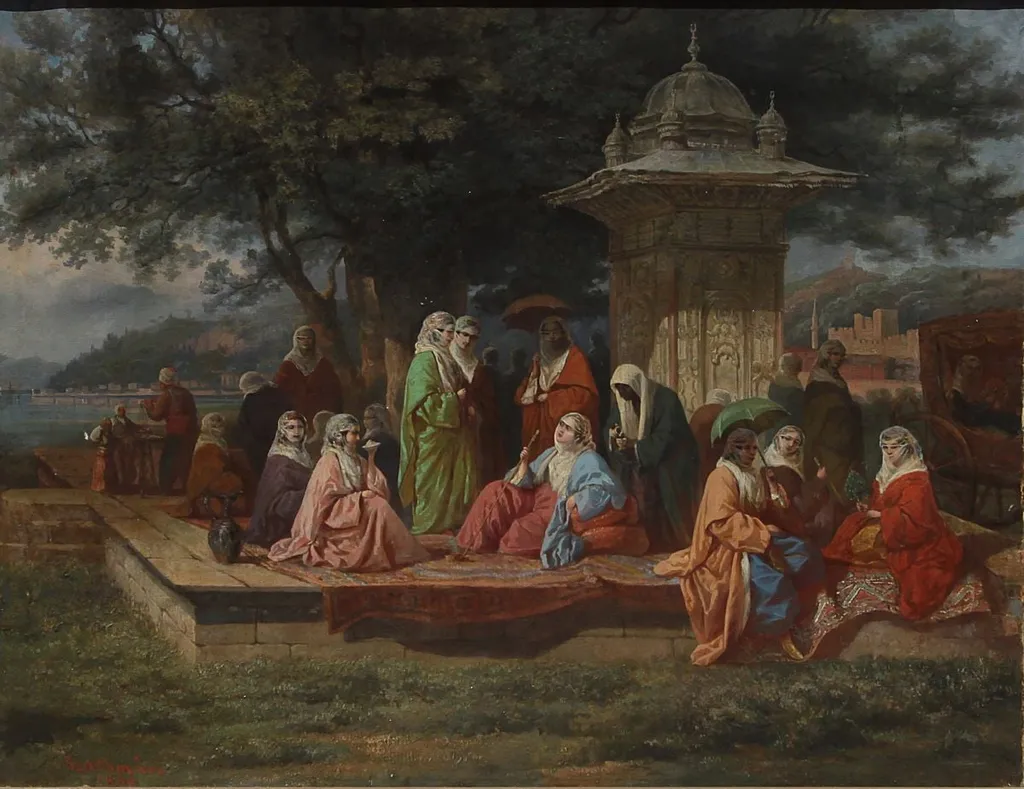
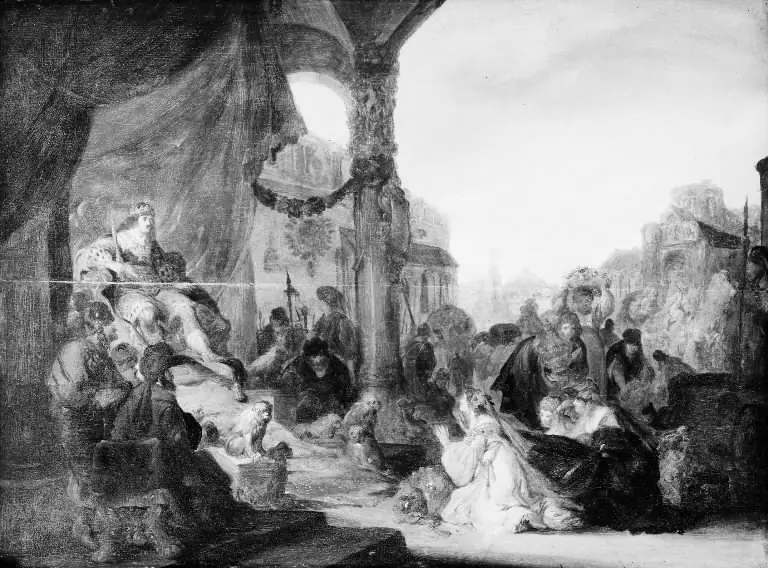
Scenă orientală is an unspecified painting by the Impressionist artist Carol Popp de Szathmari. It dates from 1868 and is held in the collection of the Museum of Art Cluj-Napoca.
About this work
Overview
Though not a documentary record, it captures a moment of quiet social interaction, rendered with attention to costume, architecture, and ambient light.
Created in 1868 by Carol Popp de Szathmari, Scenă orientală is a painted depiction of an outdoor gathering in an imagined Eastern setting. The work resides in the Museum of Ethnography and reflects 19th-century European fascination with Orientalist themes. Though not a documentary record, it captures a moment of quiet social interaction, rendered with attention to costume, architecture, and ambient light.
Subject & Meaning
The scene portrays a group of figures—men and women—in elaborately patterned garments, gathered near a modest pavilion. Women are shown wearing headscarves and vibrant textiles, some holding umbrellas or seated on rugs. Their relaxed postures suggest an informal assembly, possibly a social or ceremonial occasion. The composition avoids dramatic narrative, instead emphasizing atmosphere and cultural detail as perceived by a Western observer.
Technique & Style
Szathmari employed a soft, diffused lighting to unify the composition, gently modeling forms without harsh contrasts. Colors—deep reds, greens, and blues—are blended smoothly, enhancing the sense of warmth and tranquility. The brushwork is precise yet unobtrusive, favoring descriptive clarity over expressive brushstroke. Background elements like carved stonework and distant walls are rendered with restrained detail, anchoring the scene in a plausible, if idealized, locale.
History & Provenance
The painting was completed in 1868 during a period when Romanian artists were engaging with European Orientalist trends. Carol Popp de Szathmari, known for his photographic and painterly documentation of Eastern Europe and the Near East, likely drew from travel sketches or published sources. It entered the collection of the Museum of Ethnography shortly after its creation, where it remains as part of a broader effort to catalog cultural representations of the time.
Context
In the mid-19th century, European artists frequently depicted Middle Eastern and North African scenes through a lens shaped by colonial curiosity and limited firsthand experience. Scenă orientală reflects this trend, blending observed details with romanticized conventions. While not ethnographically accurate, it aligns with contemporary visual narratives that framed the Orient as exotic, tranquil, and orderly—a counterpoint to industrializing Western societies.
Legacy
The work endures as a representative example of Romanian Orientalist painting, illustrating how regional artists participated in broader European visual discourses. It offers insight into 19th-century perceptions of cultural difference, preserved not as ethnographic record but as cultural artifact. Today, it invites reflection on the construction of identity through imagery rather than direct representation.
Artist & collection
Artist
Carol Popp de Szathmari made paintings of 19th-century life, often capturing people in elegant clothes or scenes from daily routines.
 Preaching of John the Baptist
 Bazar
Bazar The Murder of Patrona Halil and his Fellow Rebels
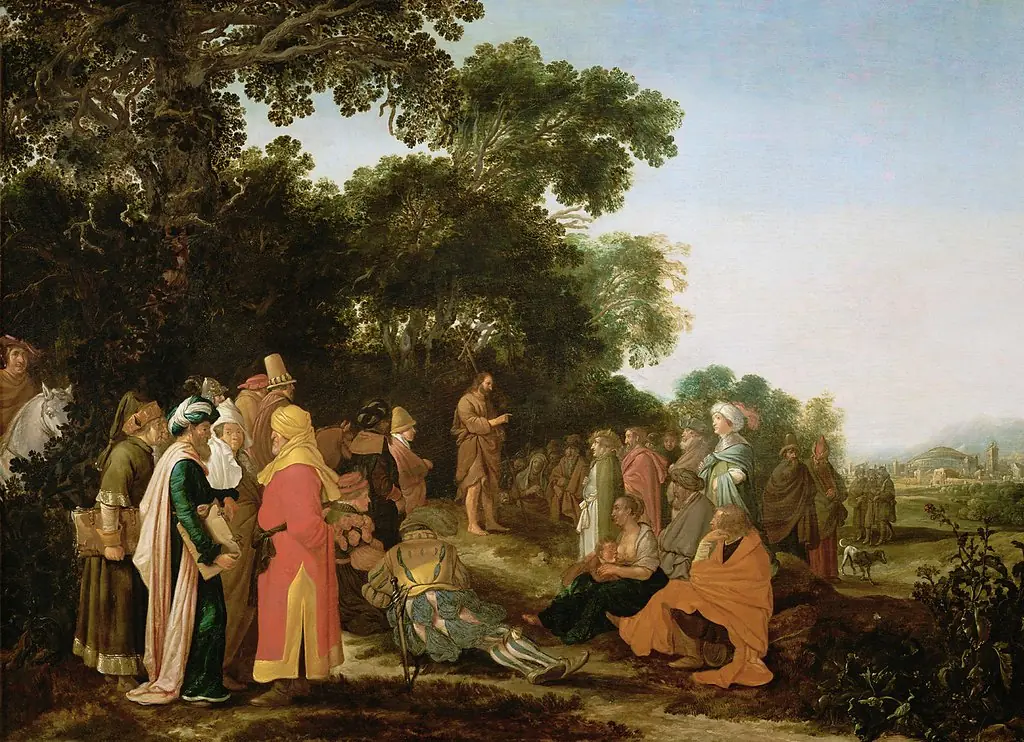 Predigt Johannes des Täufers
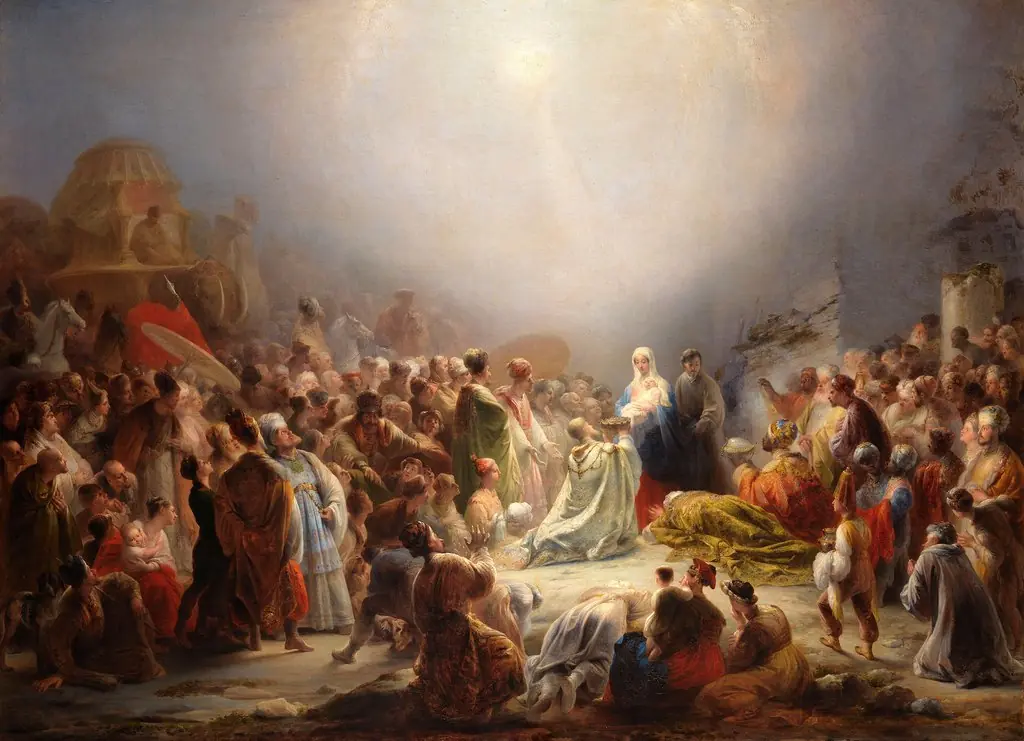 The Adoration of the Magi
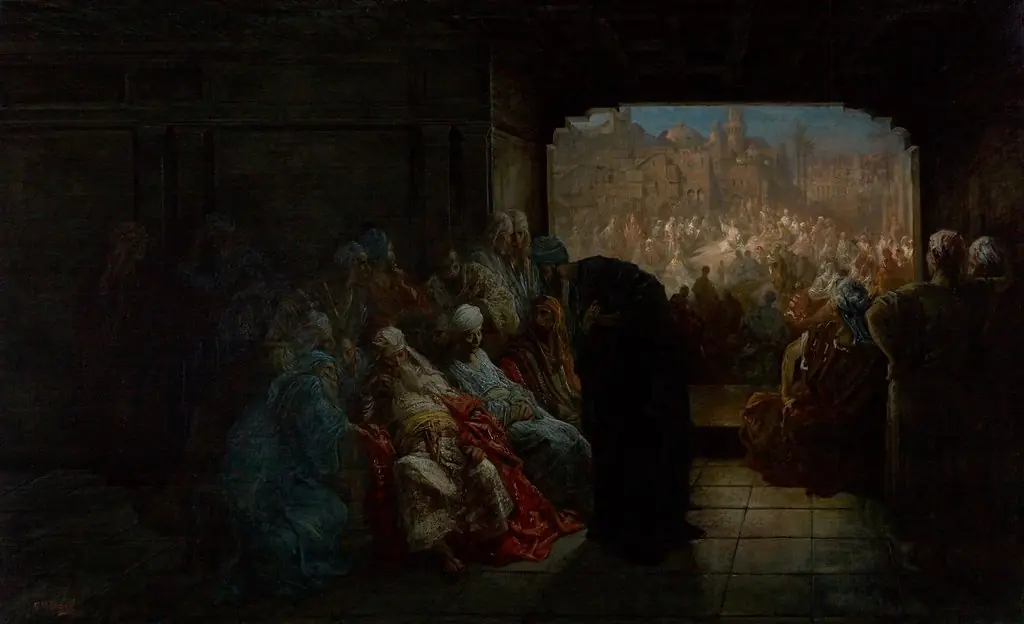 The House of Caiaphas
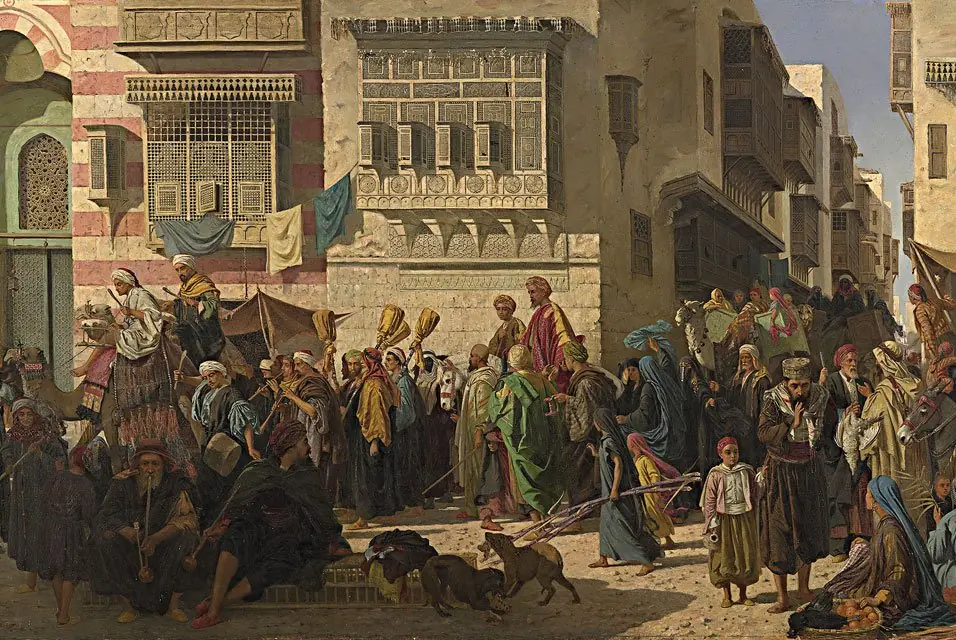 A Sheikh and his son entering Cairo on their return from a pilgrimage to Mecca
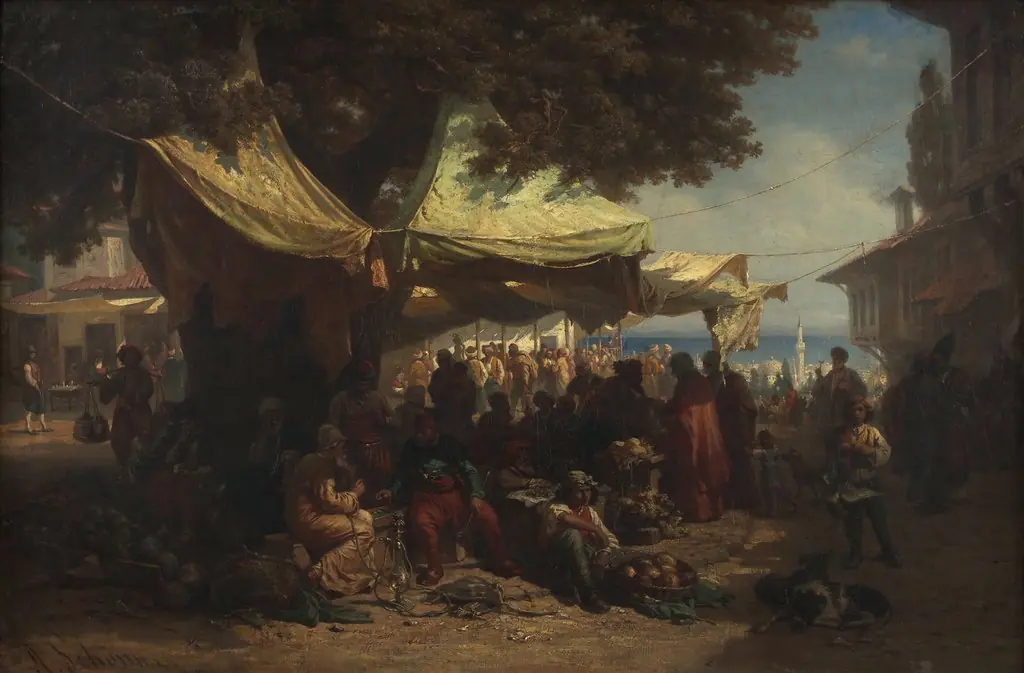 Constantinople Market
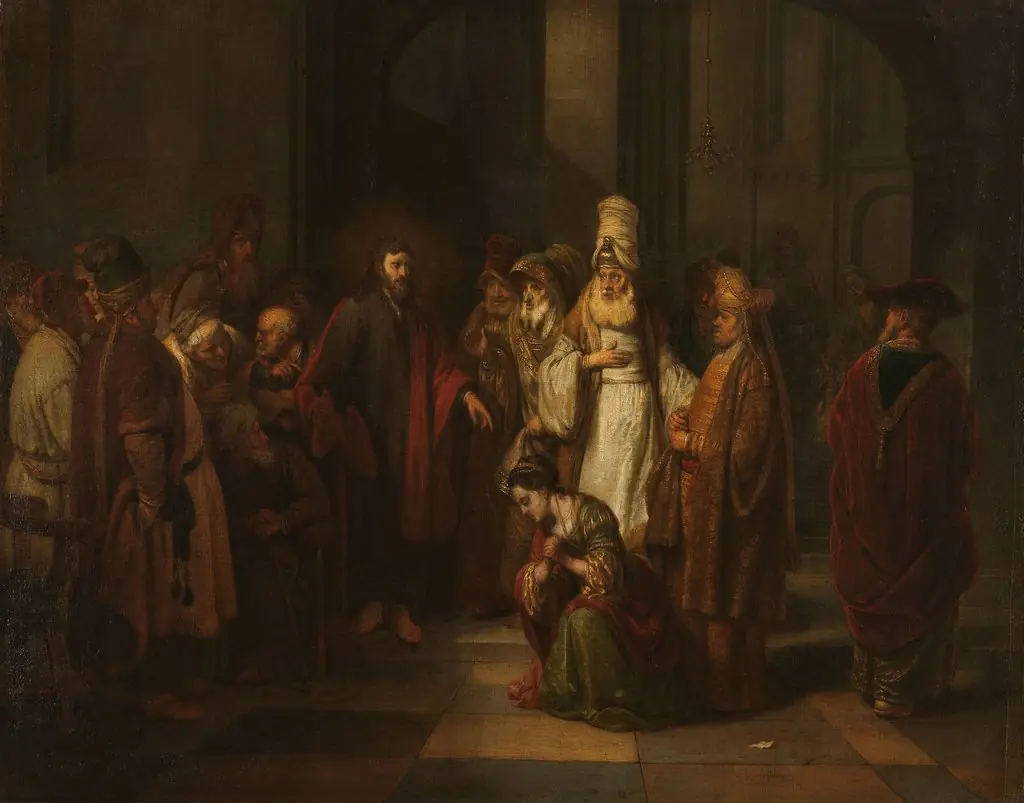 Christus and the woman in adultery
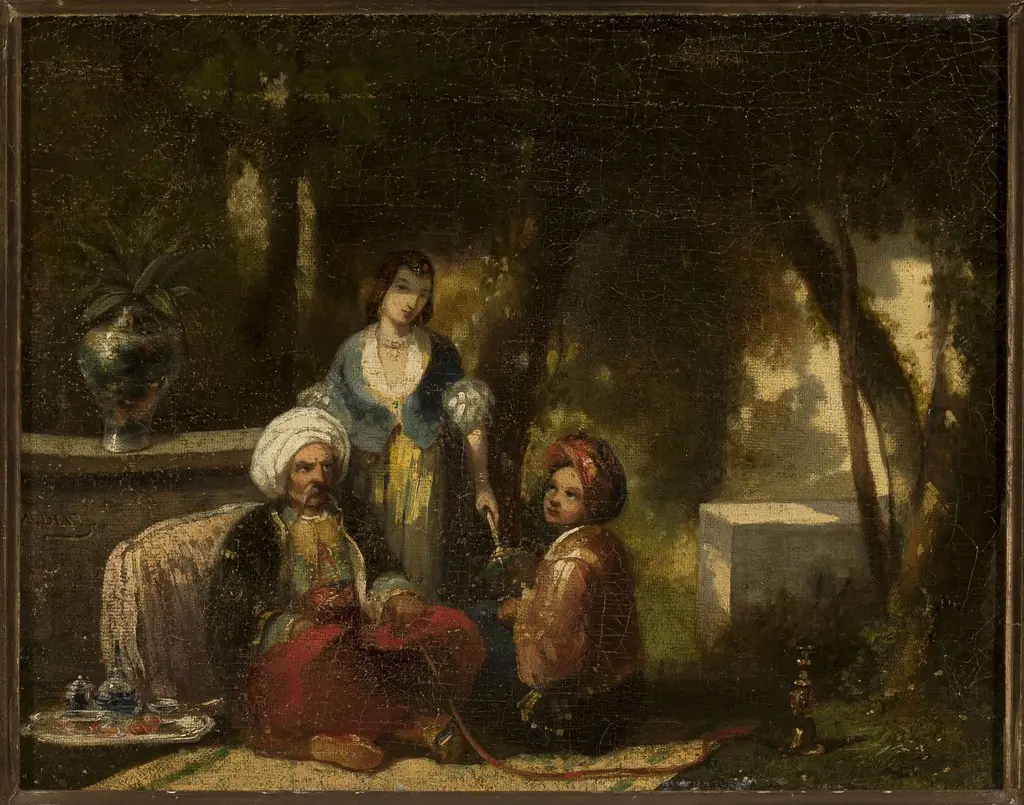 Man with a narghile against forest landscape
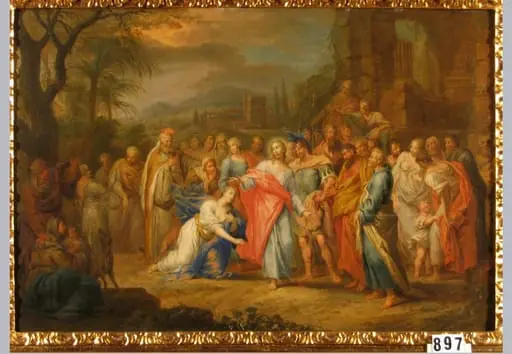 Christos tămăduitorul
 The Queen of Sheba's Visit to Solomon