Artwork
The House of Caiaphas
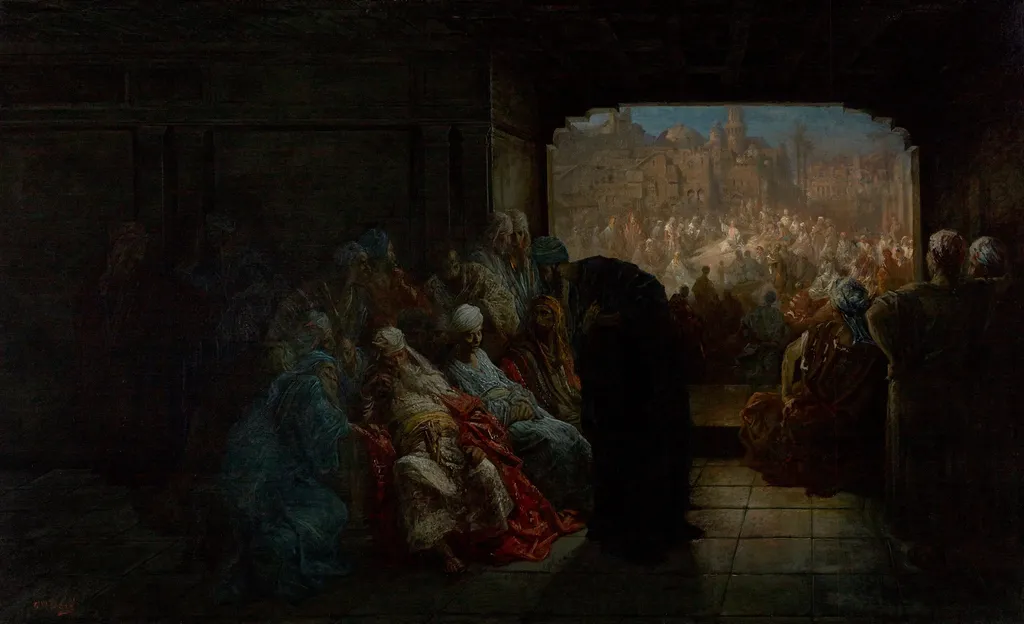
The House of Caiaphas is an oil painting by the Post-Impressionist artist Gustave Doré. It dates from 1875 and is held in the collection of the Museum of Fine Arts, Houston.
About this work
Overview
The scene captures a tense gathering in the high priest’s residence, rendered with meticulous attention to architectural detail and atmospheric lighting.
Painted in 1875 by Gustave Doré, The House of Caiaphas is an oil-on-canvas work depicting a moment from the New Testament. It resides in the collection of the Museum of Fine Arts, Houston. The scene captures a tense gathering in the high priest’s residence, rendered with meticulous attention to architectural detail and atmospheric lighting. Doré’s composition emphasizes the weight of the moment through spatial depth and controlled illumination.
Subject & Meaning
The painting illustrates the trial of Jesus before Caiaphas, the Jewish high priest, as described in the Gospels. Figures surround a central, silent figure, their postures suggesting interrogation and moral tension. The dim interior contrasts with the bright window, symbolizing divine witness amid human judgment. The setting conveys isolation and impending consequence, reflecting the gravity of the religious and political confrontation.
Technique & Style
Doré employed oil paint to achieve fine gradations of light and shadow, enhancing the drama of the scene. The room’s architecture is rendered with precise linear perspective, while the crowd’s varied gestures and garments are carefully observed. The window’s daylight cuts sharply across the space, illuminating faces and textures without softening the scene’s solemnity. His style merges realism with narrative intensity, characteristic of his biblical illustrations.
History & Provenance
Completed in 1875, the painting was part of Doré’s broader series of biblical scenes produced during his later career. It entered the Museum of Fine Arts, Houston’s collection in the 20th century, though its earlier ownership history remains undocumented. The work reflects Doré’s sustained engagement with religious themes, following his earlier success with illustrated Bibles and literary engravings.
Context
Doré created this work during a period when European artists revisited biblical narratives with renewed psychological depth. The 19th century saw a surge in historical and religious painting, often tied to theological debates and public piety. Though Doré was known for illustrations, this large-scale oil reflects his ambition to contribute to the tradition of academic religious art, aligning with contemporaries like Bouguereau and Ingres.
Legacy
The House of Caiaphas remains a significant example of Doré’s narrative painting, illustrating his ability to translate literary and sacred texts into compelling visual drama. While less widely known than his engravings, the work contributes to understanding his range as an artist. It continues to be studied for its composition and emotional restraint, offering insight into 19th-century approaches to biblical storytelling in fine art.
Own this work as a print
Artist & collection
Artist
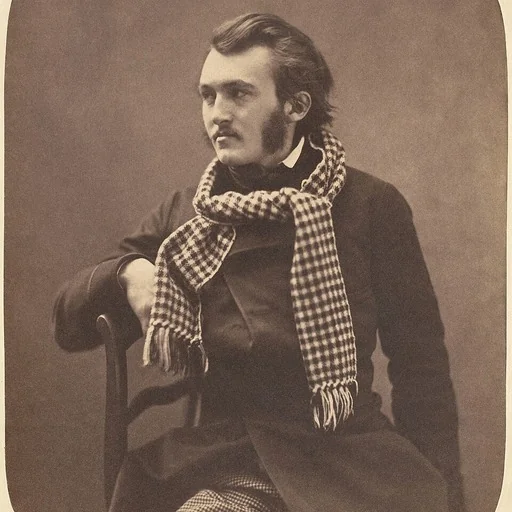
Paul Gustave Louis Christophe Doré was a French printmaker, illustrator, painter, comics artist, caricaturist, and sculptor.

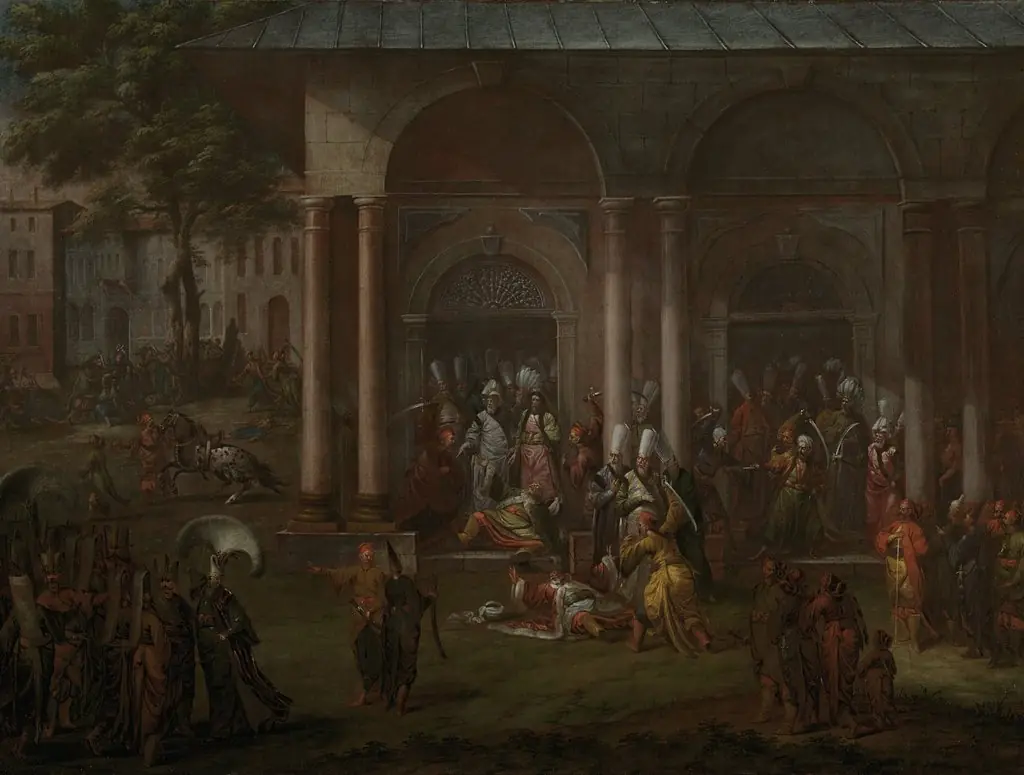 The Murder of Patrona Halil and his Fellow Rebels
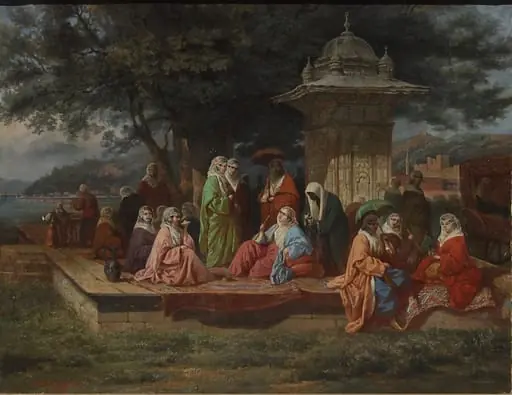 Scenă orientală
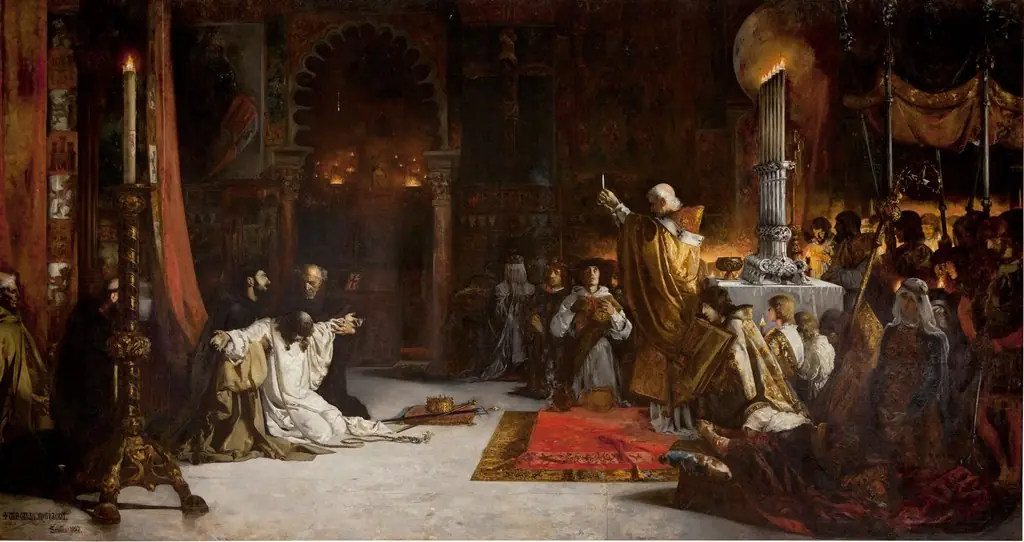 Las postrimerías de Fernando III el Santo
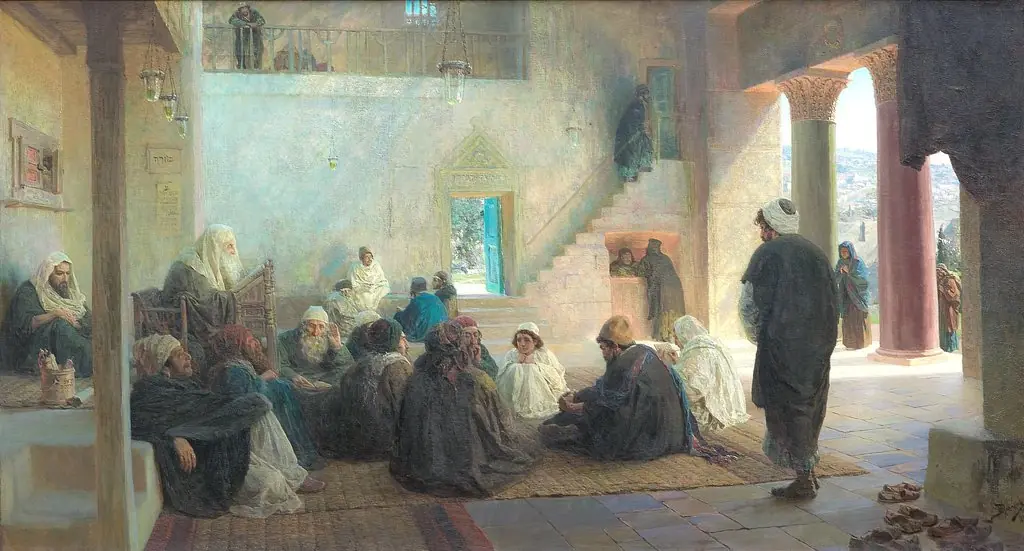 Christ among the doctors
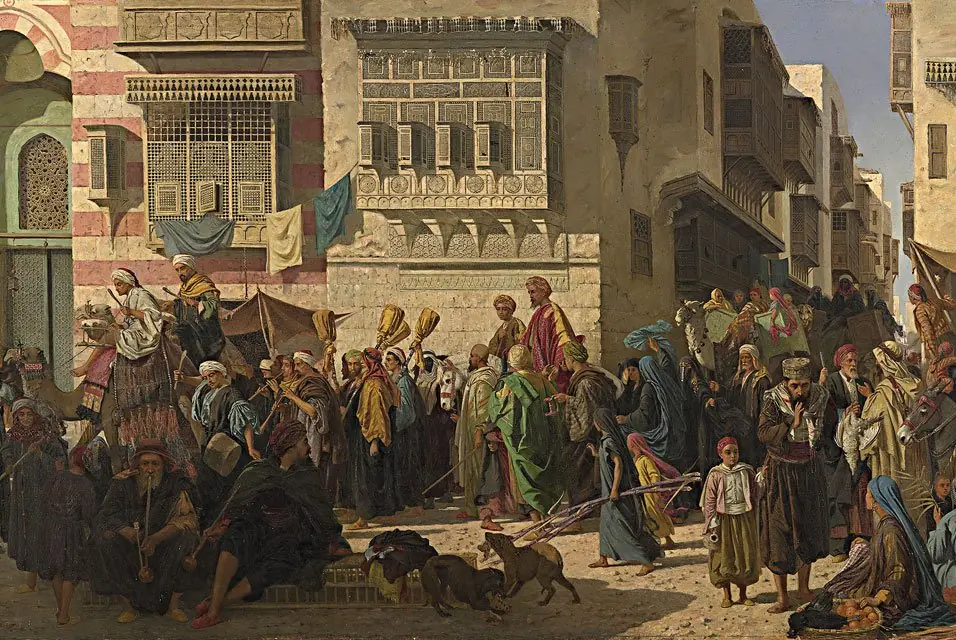 A Sheikh and his son entering Cairo on their return from a pilgrimage to Mecca
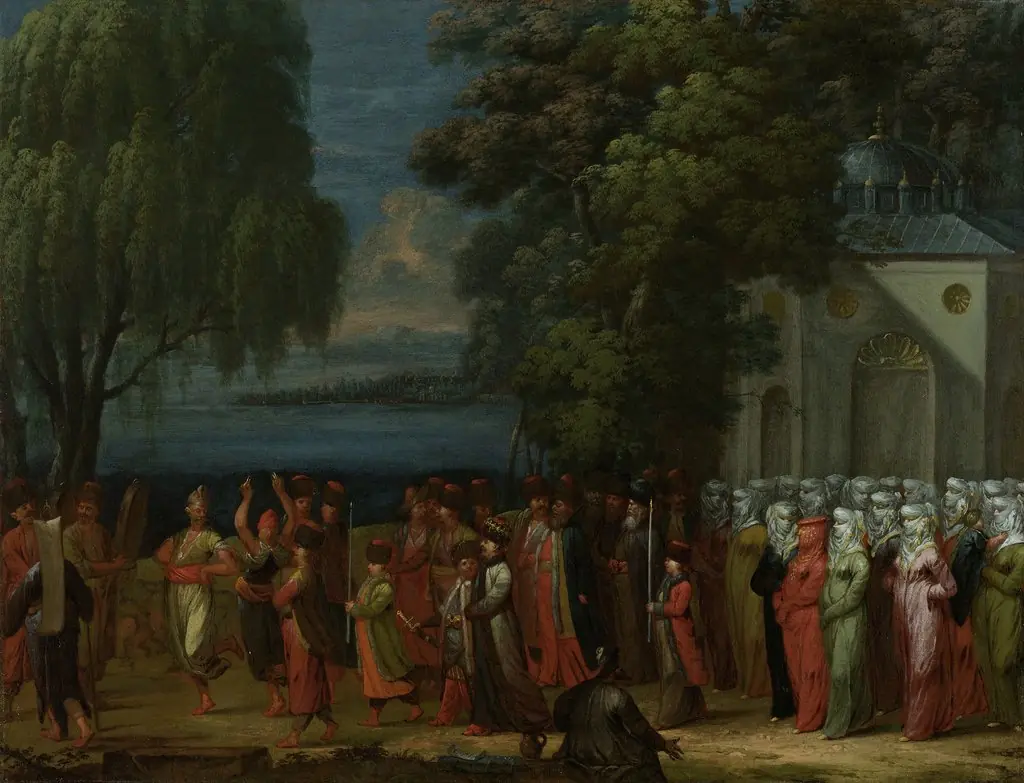 Armenian Wedding
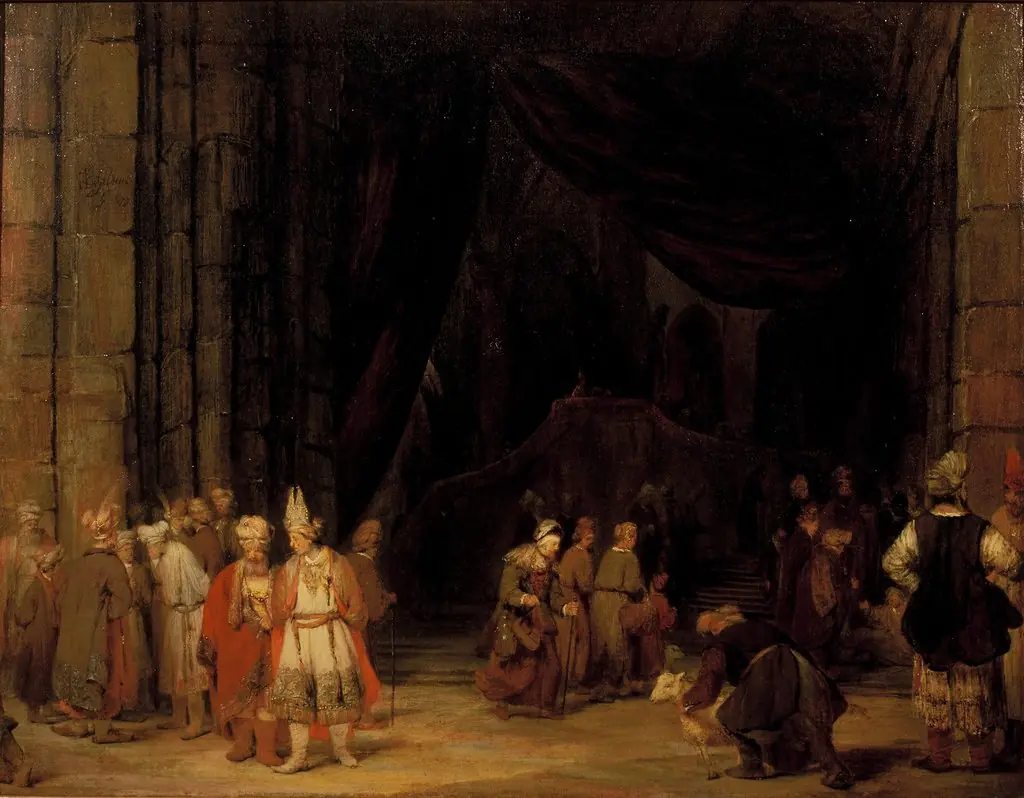 Courtyard of a temple
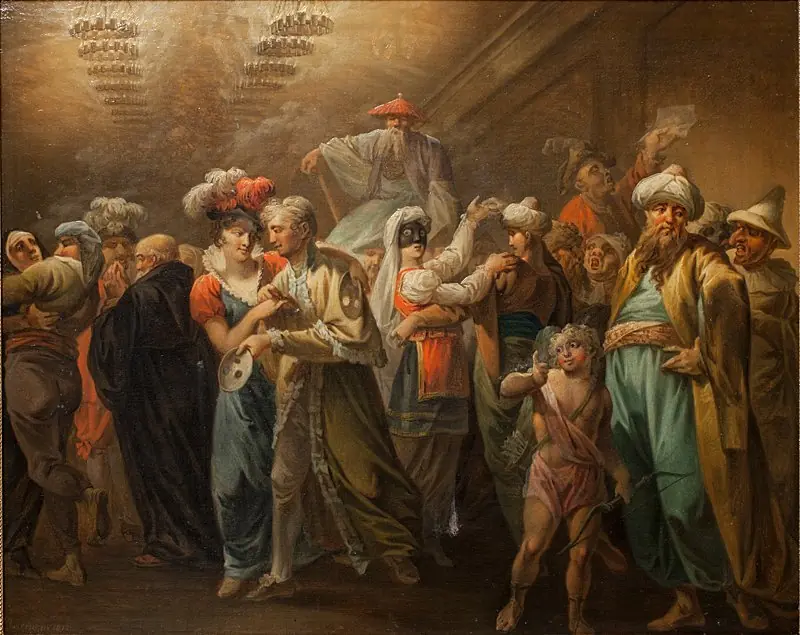 Maskerade. Intermedium
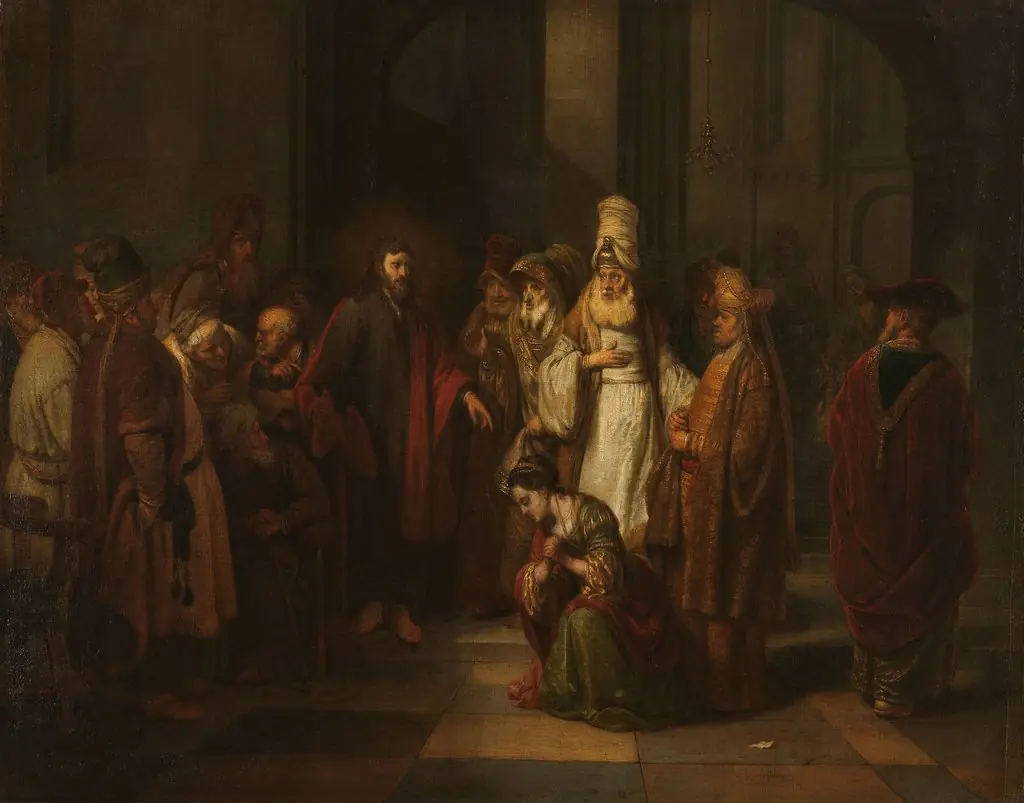 Christus and the woman in adultery
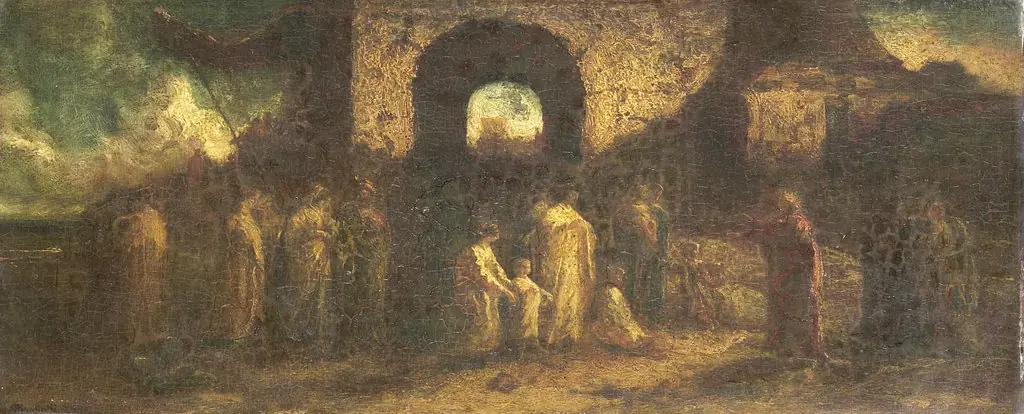 Christ Blessing the Children
 The Reception of Peter Paul Rubens by the Antwerp Arquebusiers
 The sigh of the Moor