Artwork
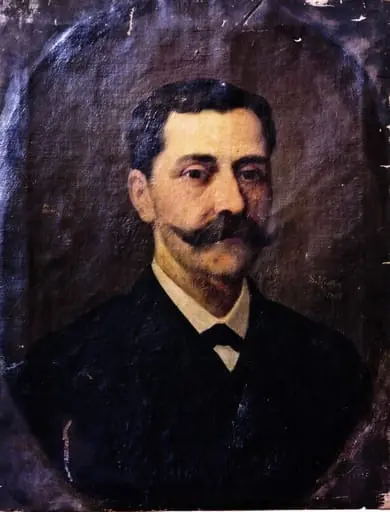
Portretul Generalului Magheru
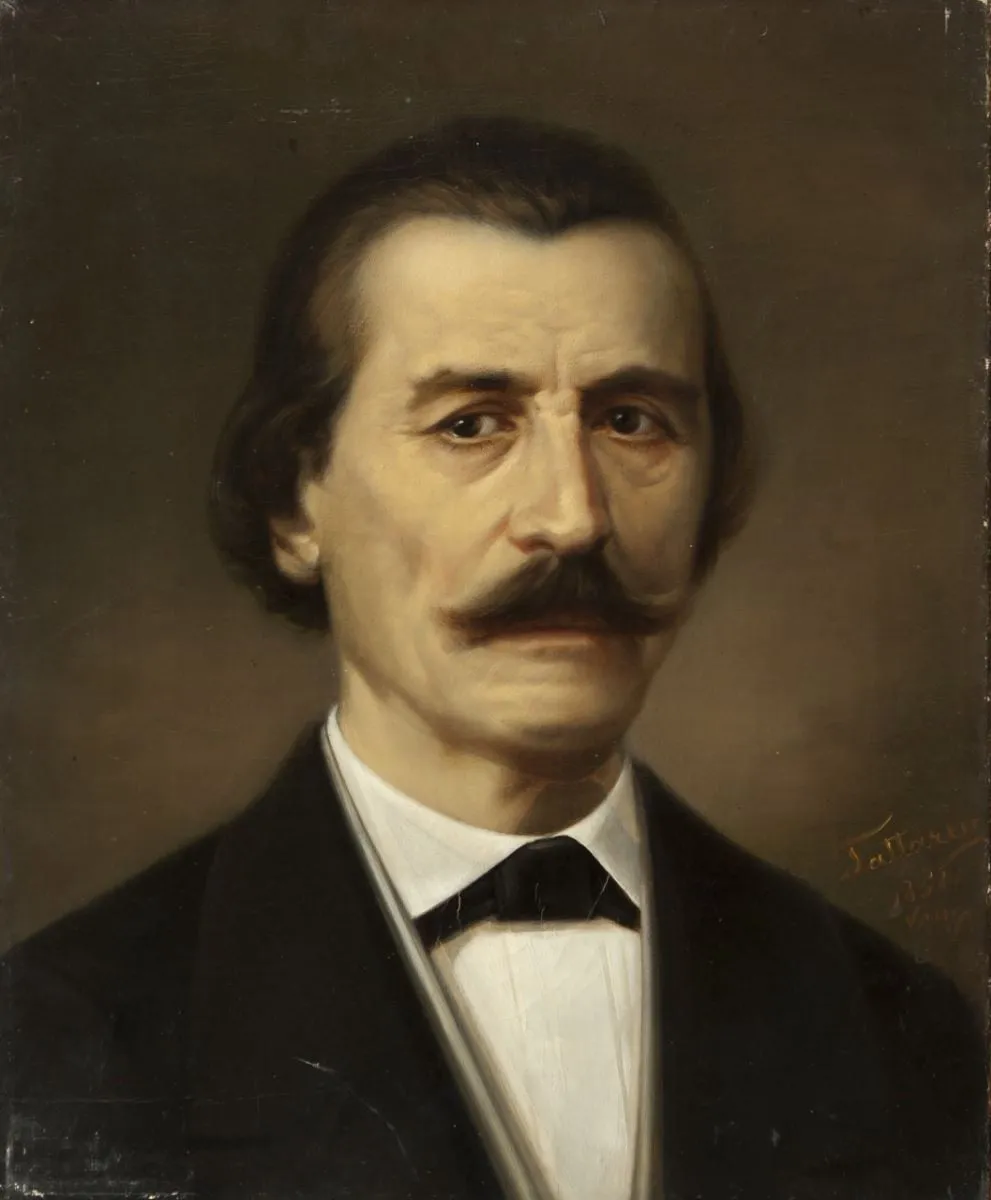
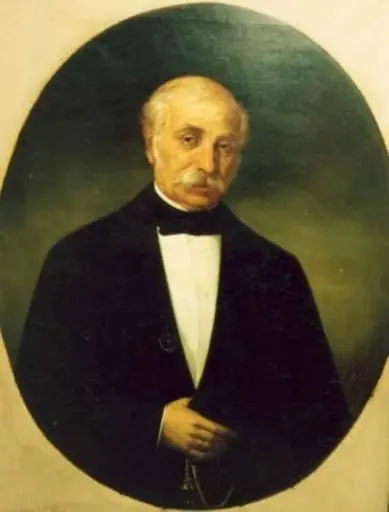
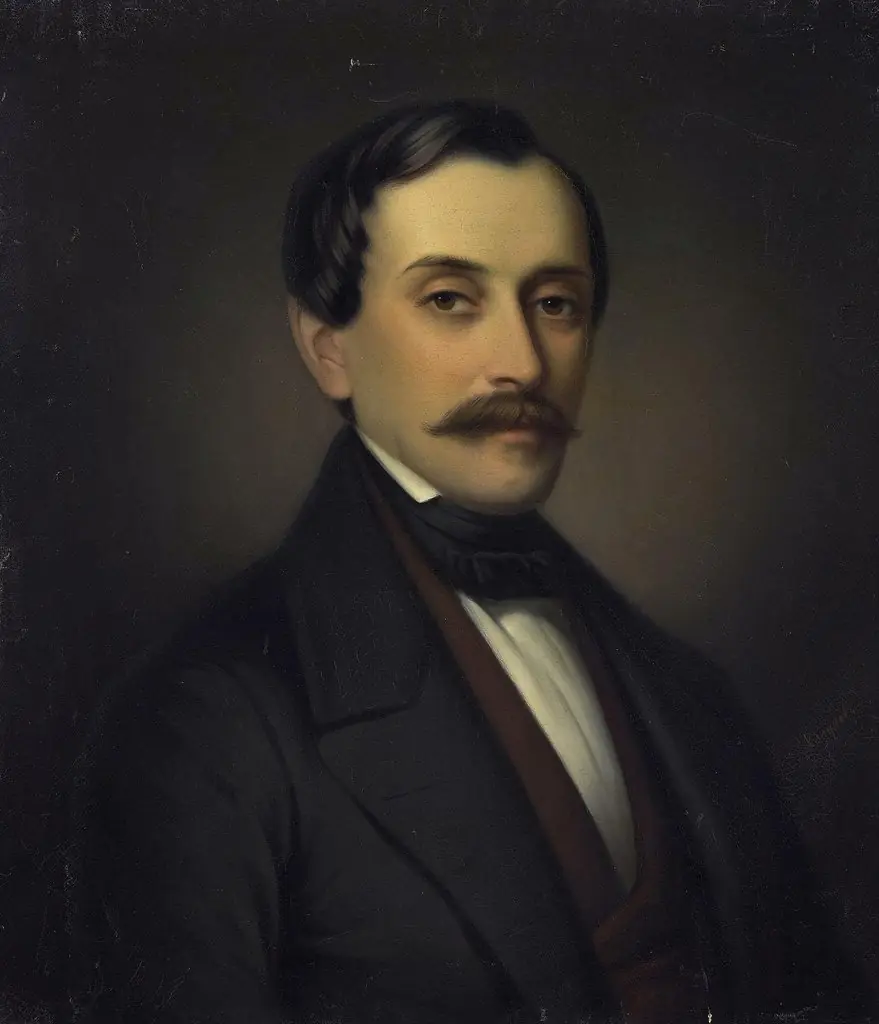
Portretul Generalului Magheru is a print by the Academic Art artist Gheorghe Tattarescu. It dates from 1851 and is held in the collection of the National Museum of Art of Romania.
About this work
Overview
Painted in 1851 by Gheorghe Tattarescu, this portrait captures General Magheru, a notable Romanian military figure.
Painted in 1851 by Gheorghe Tattarescu, this portrait captures General Magheru, a notable Romanian military figure. Tattarescu, trained in Rome at the Accademia di San Luca, brought neoclassical discipline to Romanian portraiture. The work reflects his commitment to academic ideals, emphasizing clarity, restraint, and formal composition. It stands as one of the earliest examples of sustained neoclassical influence in Romanian visual culture.
Subject & Meaning
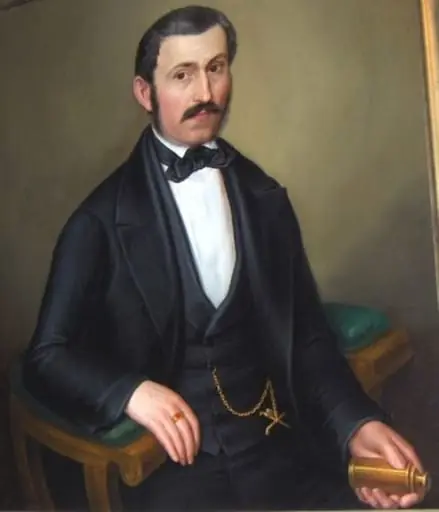
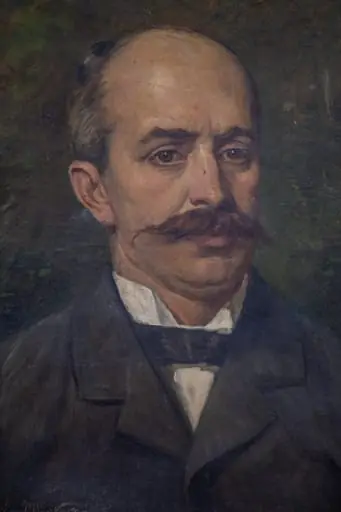
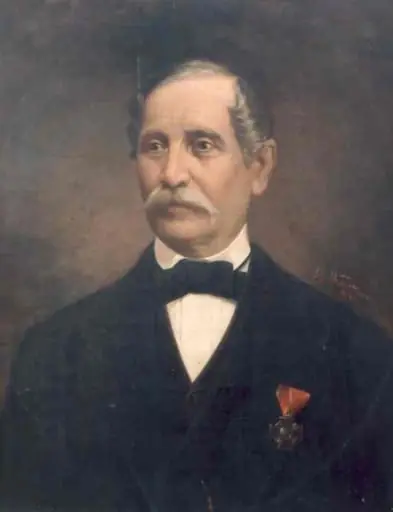
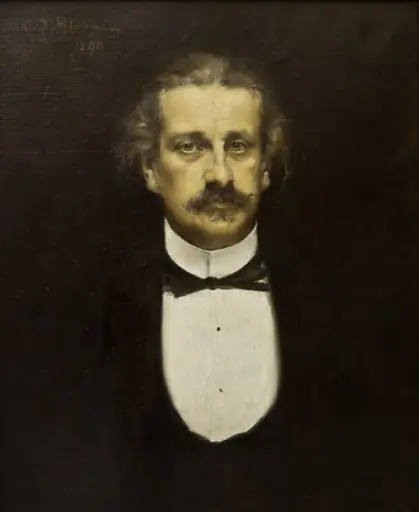
General Magheru is portrayed with solemn composure, his dark hair and mustache framing a focused gaze. Dressed in a black jacket, white shirt, and black bow tie, his attire conveys military formality without ornamentation. The absence of symbolic props or grand settings directs attention to his presence and character, suggesting dignity rooted in duty rather than rank. The portrait serves as a quiet testament to leadership in a period of national consolidation.
Technique & Style
Tattarescu employs subtle chiaroscuro to model the face and clothing, lending volume and spatial presence without theatricality. The brushwork is precise but unobtrusive, favoring smooth transitions over visible texture. The muted brown background isolates the figure, enhancing focus on his form. The rendering of fabric and skin reflects academic training, prioritizing anatomical accuracy and tonal harmony over expressive flair.
History & Provenance
Commissioned during a time of rising national consciousness in Romania, the portrait was likely intended to honor Magheru’s role in the 1848 revolutionary movement. It remained within Romanian collections after its completion, eventually entering institutional custody. Its preservation reflects its status as an early example of state-aligned portraiture, documenting key figures in the nation’s formative years.
Context
In mid-19th century Romania, art was increasingly seen as a tool for cultural identity. Tattarescu’s training in Rome positioned him as a bridge between Western academic traditions and local aspirations. This portrait aligns with broader efforts to establish a visual language of civic virtue, distancing itself from romanticized or folkloric depictions in favor of measured, dignified representation.
Legacy
Tattarescu’s portrait of Magheru helped define a new standard for Romanian portraiture, influencing later artists to adopt academic techniques and restrained aesthetics. It remains a reference point in discussions of national artistic development, illustrating how European training was adapted to serve local historical narratives. The work endures not for its novelty, but for its quiet authority and historical resonance.
Artist & collection
Artist
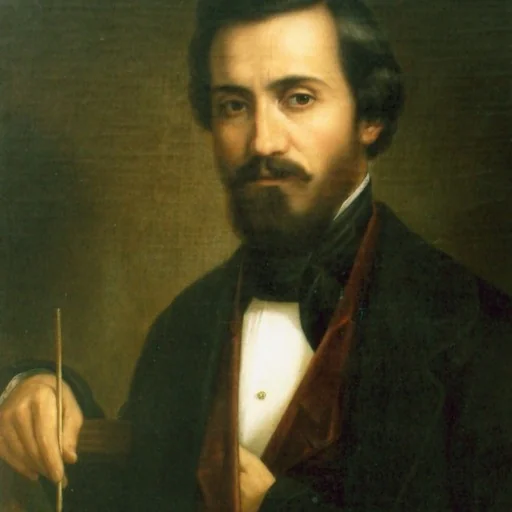
Gheorghe Tattarescu (Romanian pronunciation: ; October 1818 – October 24, 1894) was a Romanian painter and a pioneer of neoclassicism in his country's modern painting.