Artwork
Crossing at Sano
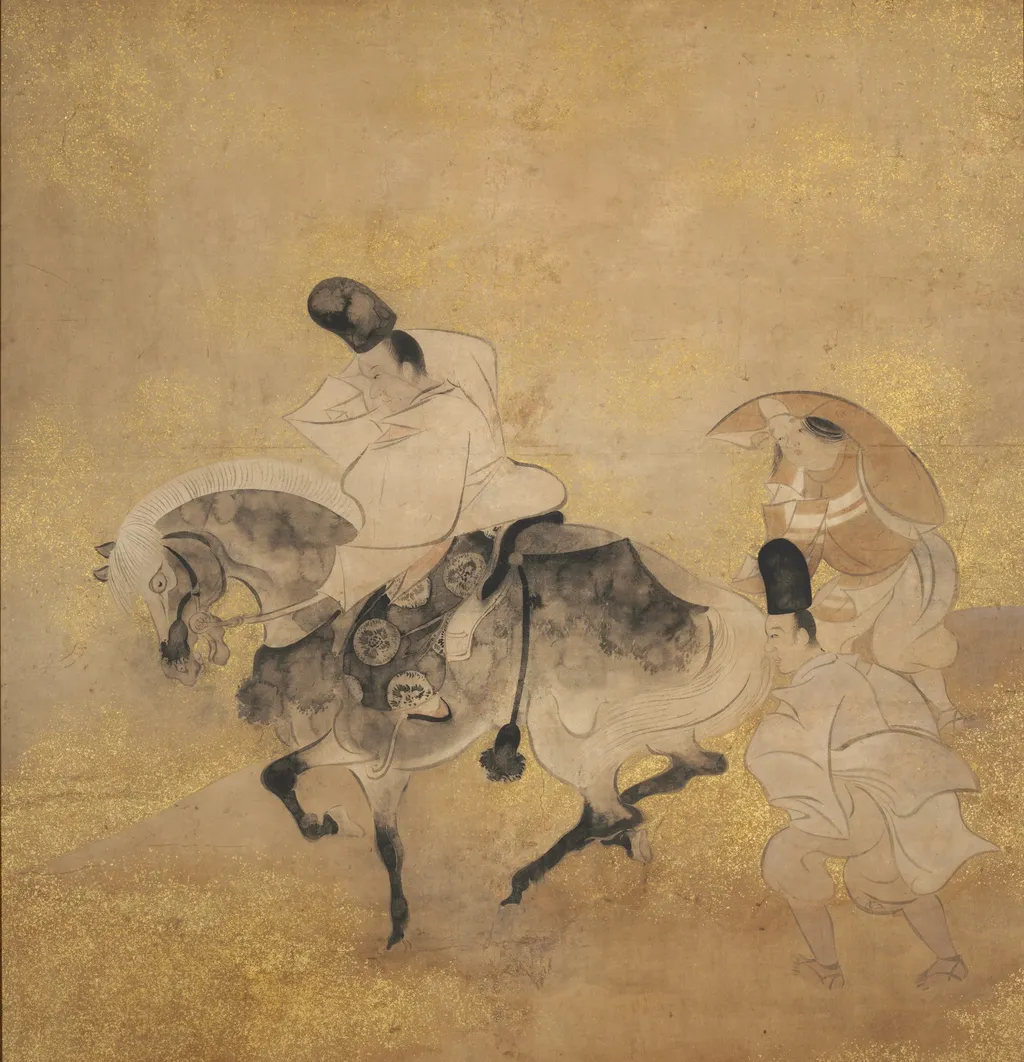
Crossing at Sano is an unspecified painting by Tawaraya Sōtatsu. It dates from 1620 and is held in the collection of the Cleveland Museum of Art.
About this work
Overview
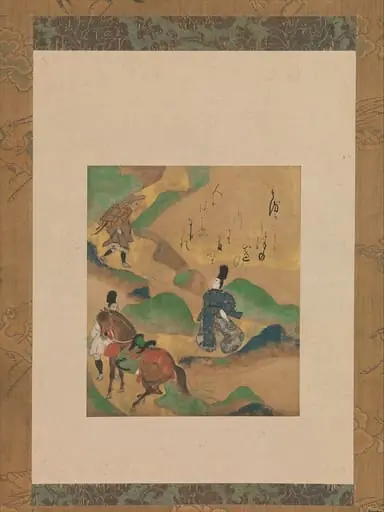
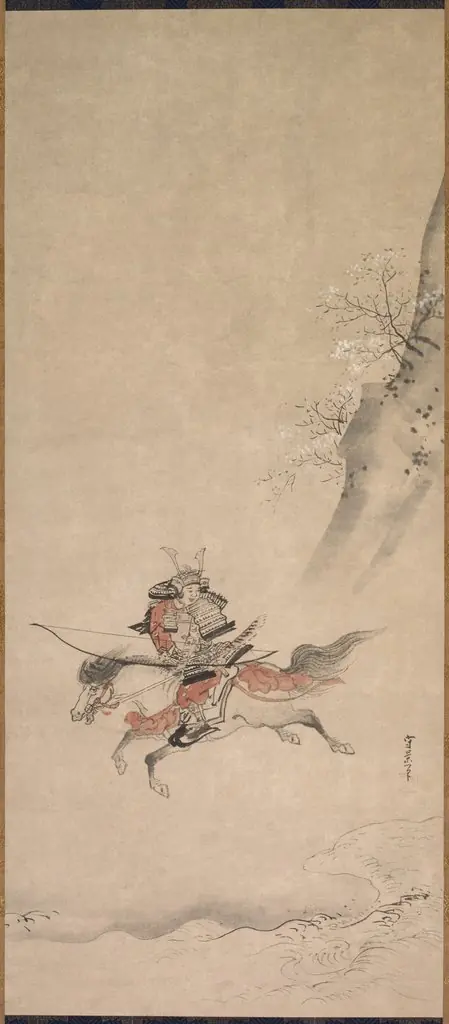
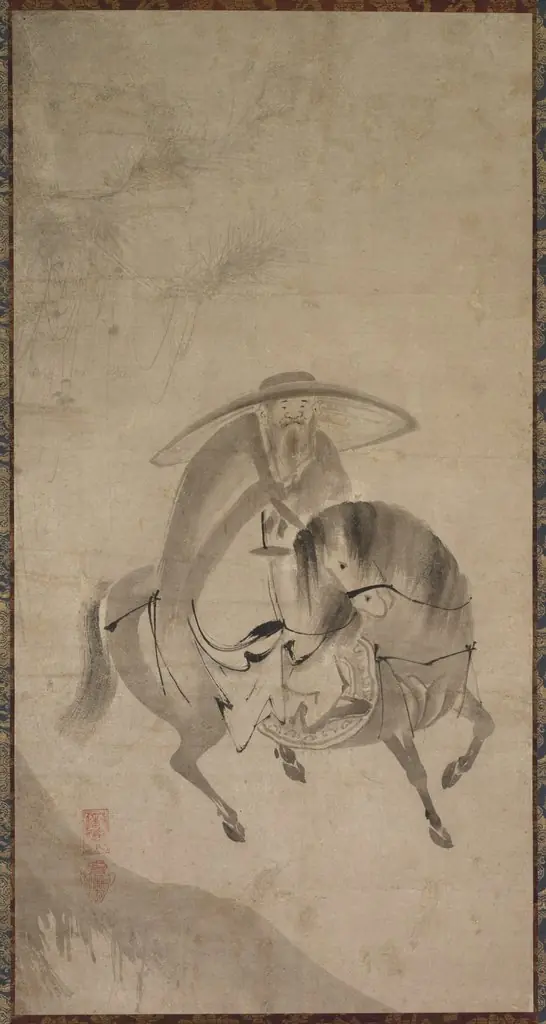
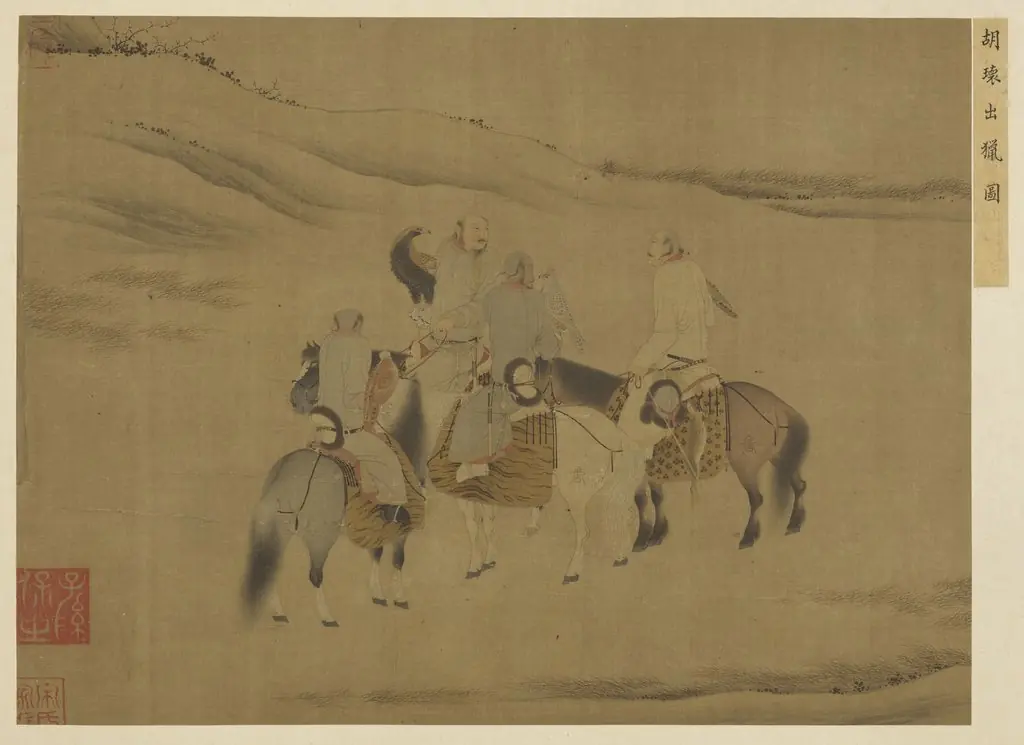
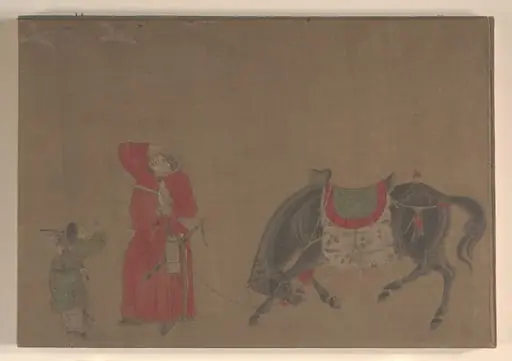
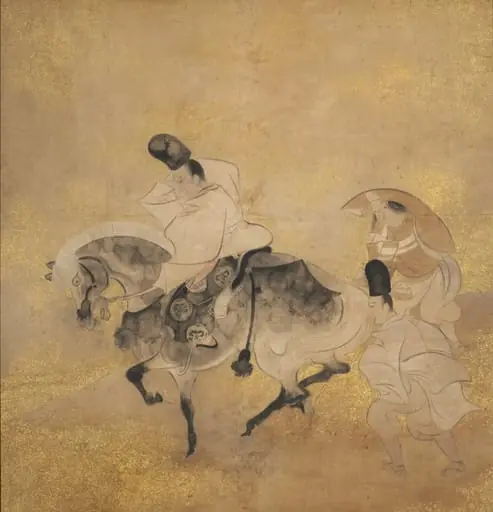
Created in 1620 by Tawaraya Sōtatsu, a leading figure of the early Rinpa school, *Crossing at Sano* captures a bustling river crossing. The composition is dominated by riders and horses in swift motion, set against a warm, golden background that heightens the sense of urgency and activity.
Subject & Meaning
The work portrays travelers negotiating a river at Sano, a site that appears in Japanese historical chronicles and literary references. The figures—clad in white robes and black hats—suggest a formal procession, while the dynamic poses of horse and rider convey the challenges of travel and the vitality of the landscape.
Technique & Style
Sōtatsu employed his signature tarashikomi method, layering wet pigments to produce subtle texture and depth. Bold outlines define the figures, and the saturated hues of white, black, and gold intensify the visual drama. The approach reflects Rinpa’s emphasis on decorative elegance combined with expressive brushwork.
History & Provenance
The painting belongs to the early phase of Sōtatsu’s career, when he collaborated with calligrapher Hon'ami Kōetsu on scrolls and began experimenting with large folding screens. *Crossing at Sano* has remained in Japanese collections, passing through several private hands before entering a museum setting in the late 20th century.
Context
Sano’s river crossing held cultural resonance during the Edo period, serving as a metaphor for transition and perseverance. By situating the scene within this locale, Sōtatsu connects a contemporary visual narrative to a broader tradition of travel literature and the aesthetic values of the Rinpa movement.
Own this work as a print
Artist & collection
Artist
Tawaraya Sōtatsu (俵屋 宗達; c. 1570 – c. 1640) was a Japanese furniture designer and painter of the Rinpa school. Sōtatsu is best known for his decorations of calligraphic works by his partner Hon'ami Kōetsu (1558–1637),…

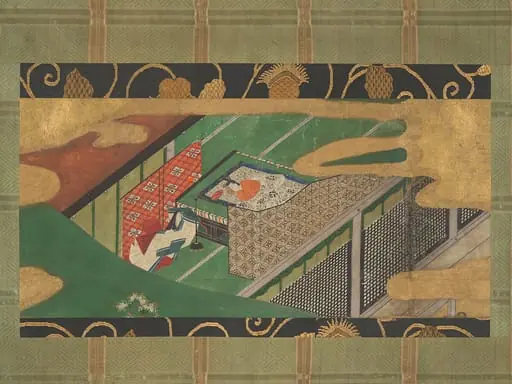 伝俵屋宗達筆 源氏物語図「宿木」 |“Trees Encoiled in Vines of Ivy” (Yadorigi)
 Untitled
 Untitled
 Selections from the New Collection of Japanese Poems from Ancient and Modern Times (Shinkokin wakashū) with Printed Designs of Chinese Lions and Crab Finger Grass
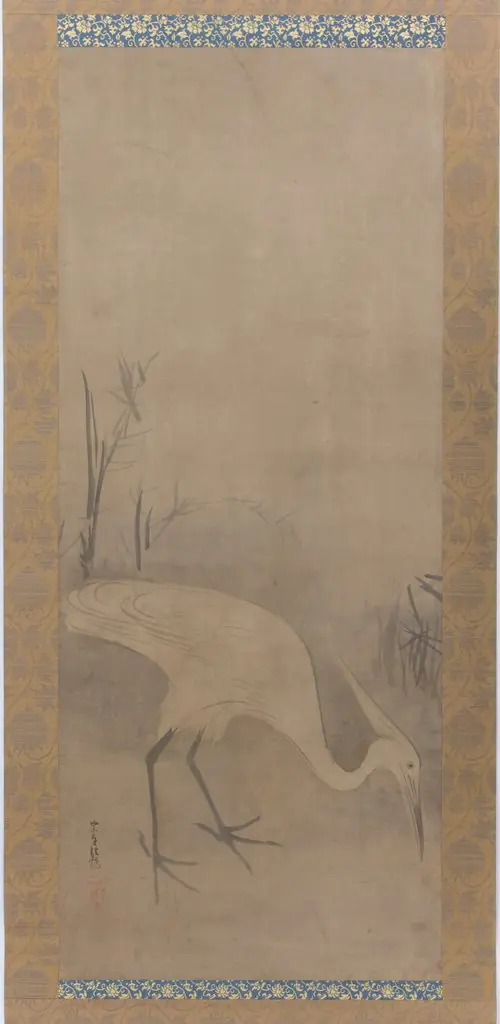 White Heron (Shirosagi zu)
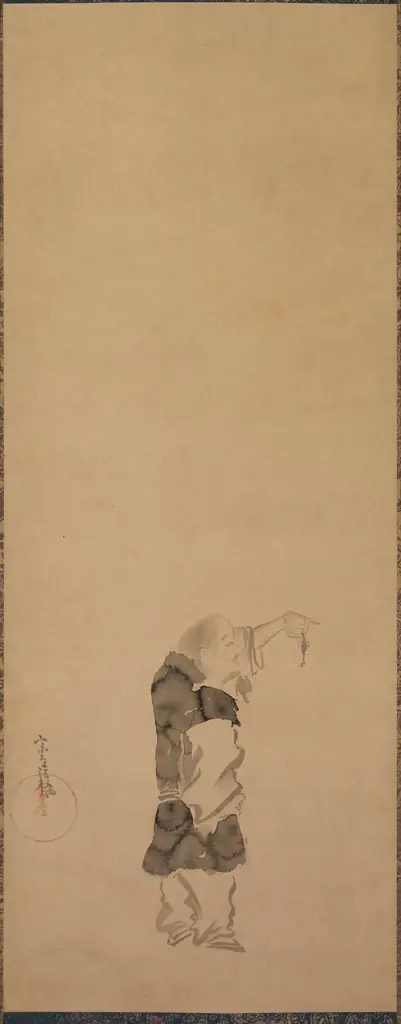 Kenshu, Monk with Shrimp
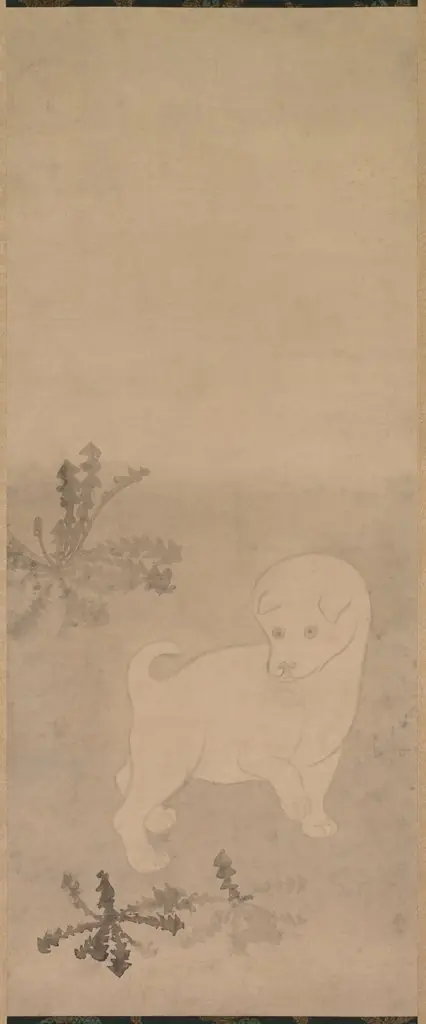 Puppy with Dandelions
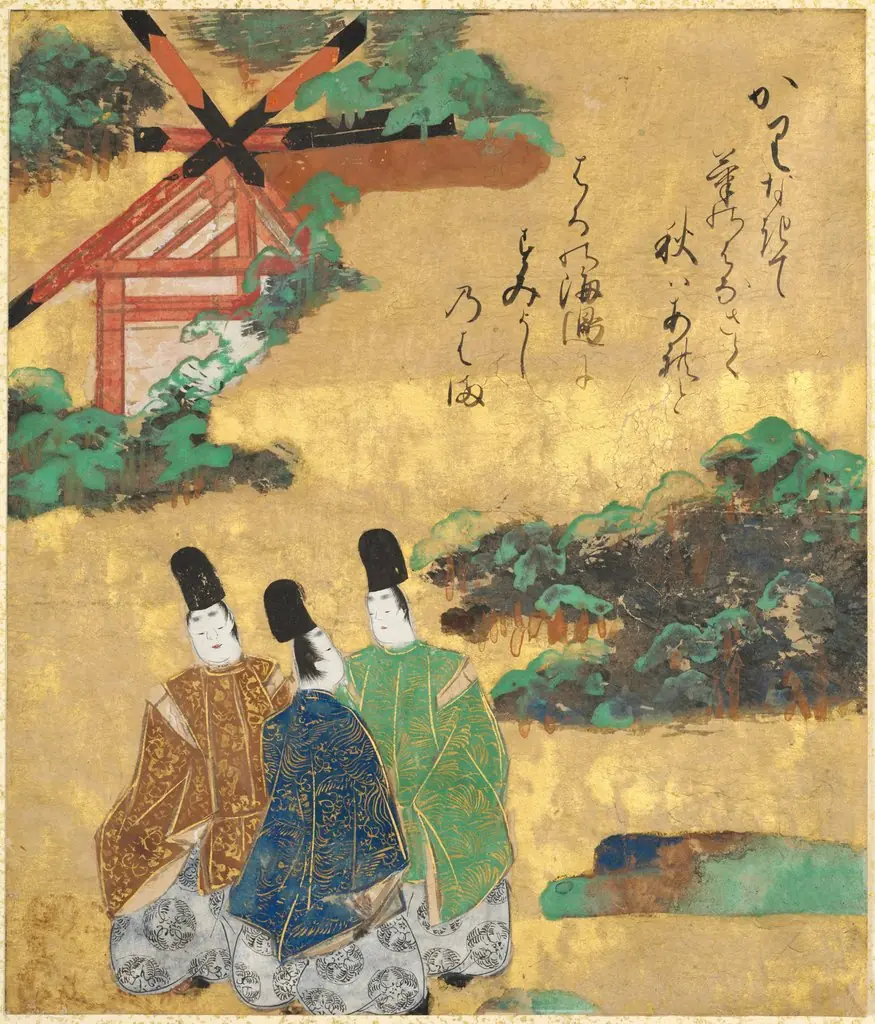 The Beach at Sumiyoshi from the Tales of Ise