Artwork
Camma and Sinorix
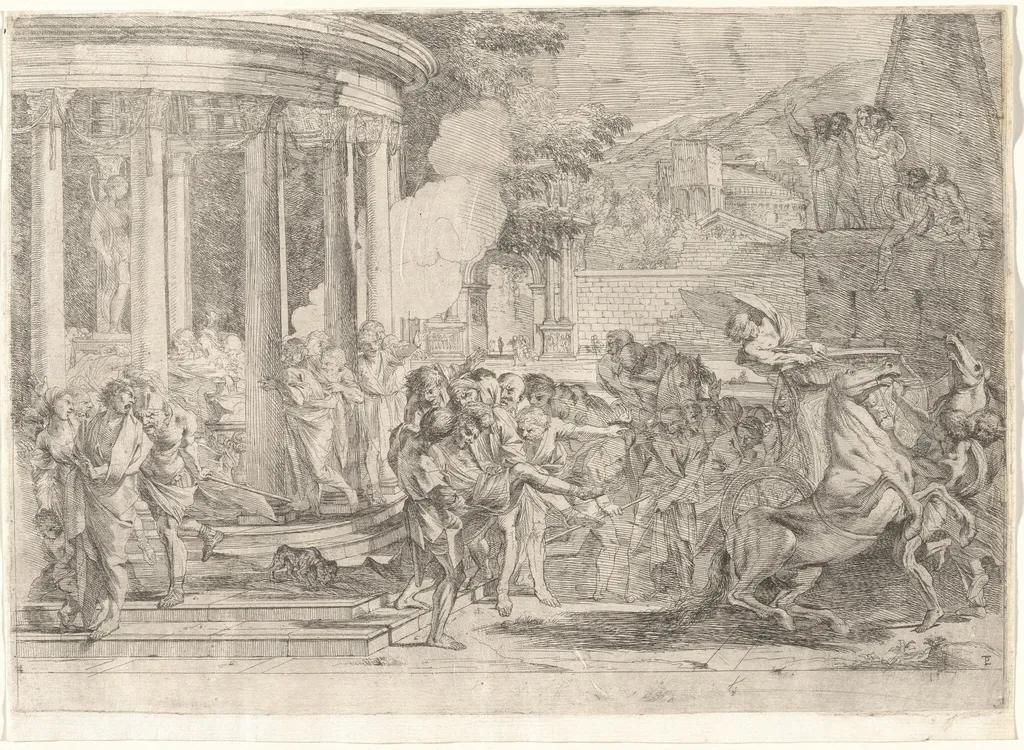
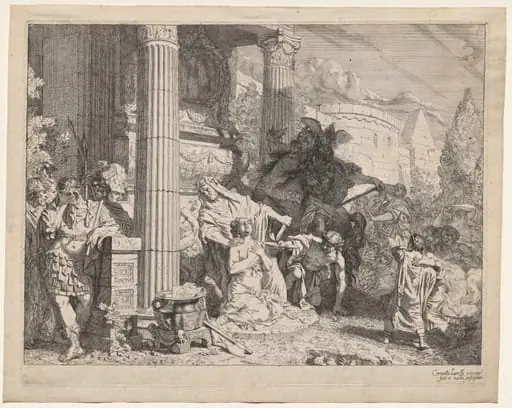
Camma and Sinorix is an ink print by the Baroque artist Pietro Testa. It dates from 1640 and is held in the collection of the National Gallery of Art.
About this work
Overview
Created around 1640, *Camma and Sinorix* is an etching on laid paper by the Roman artist Pietro Testa. The work belongs to the High Baroque period and is part of the National Gallery of Art’s collection in Washington, D.C.
Subject & Meaning
The print depicts a bustling scene of figures ascending a stairway amid horses, columns, and a building framed by trees. The crowd is varied—some appear tense, others carry objects or animals—conveying a sense of movement and dramatic tension within a classical architectural setting.
Technique & Style
Testa employed fine, precise lines to model clothing, architecture, and texture, exploiting the etching process in which ink is held in incised lines on a metal plate. The delicate hatching creates depth and a lively surface quality characteristic of 17th‑century Italian printmaking.
History & Provenance
Although Testa’s paintings achieved modest public acclaim, his reputation as a printmaker and draftsman grew during his lifetime. *Camma and Sinorix* reflects his involvement with the scholarly circle around Cassiano dal Pozzo, which emphasized classical ideals. The work eventually entered the National Gallery of Art’s holdings.
Context
Operating in Rome’s artistic milieu, Testa was part of a network of artists and intellectuals devoted to antiquarian study and the revival of classical themes. This environment informed the composition’s architectural elements and the disciplined, academic rendering of the figures.
Artist & collection
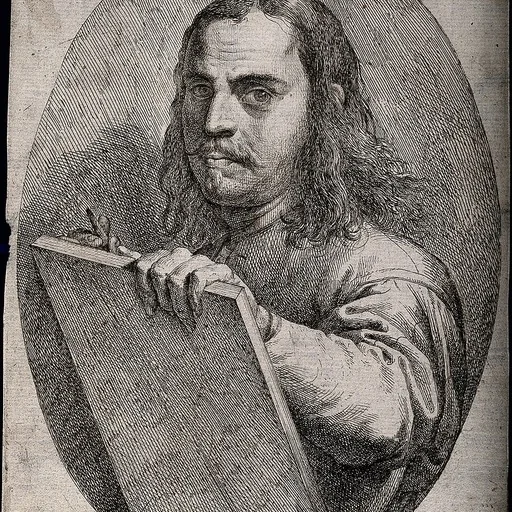
Artist
Pietro Testa (1612 – 1 March 1650) was an Italian High Baroque artist active in Rome.

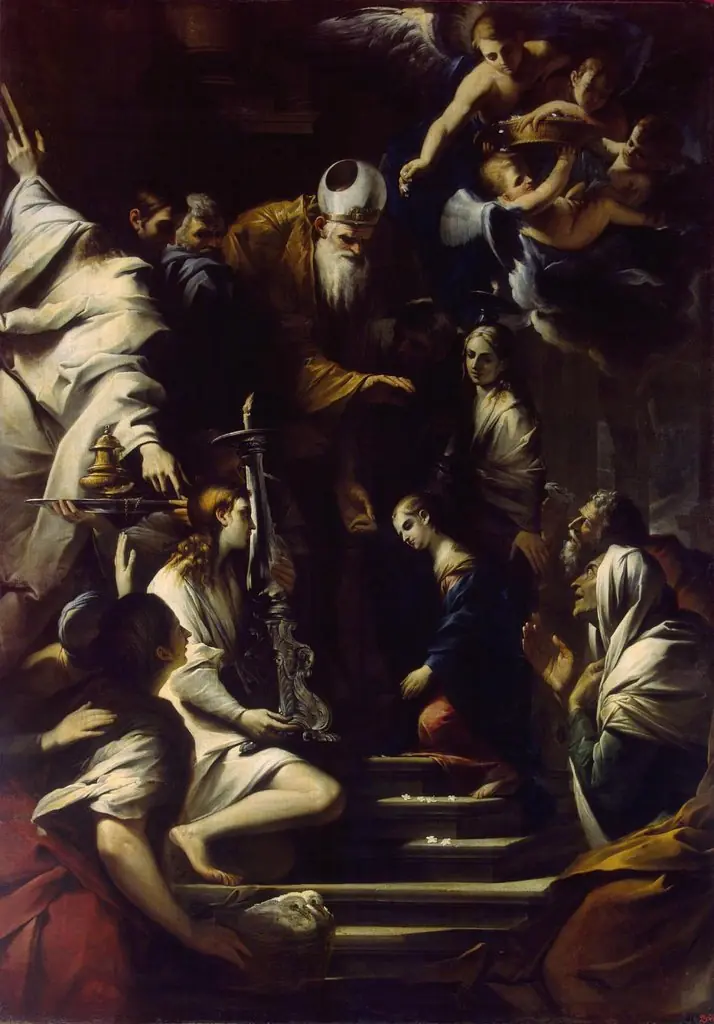
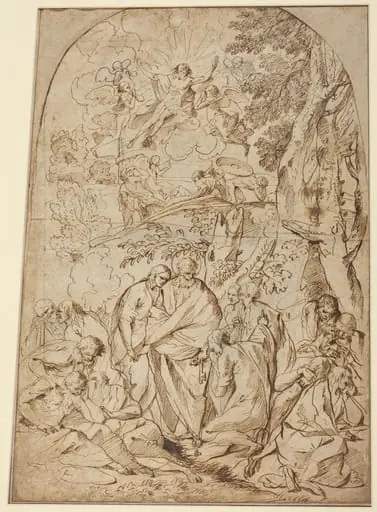
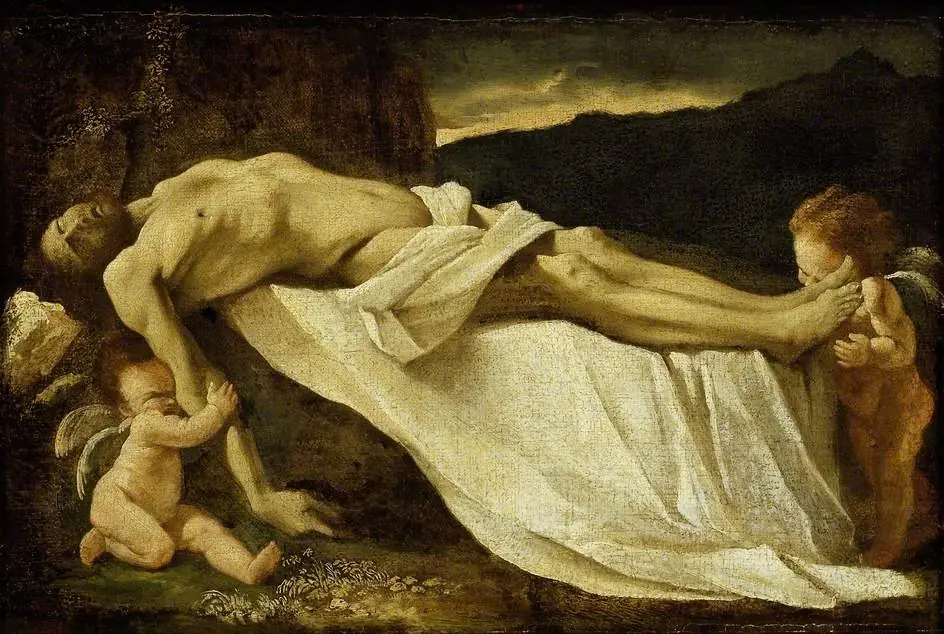
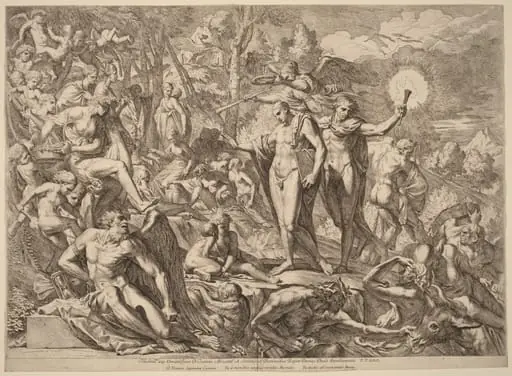
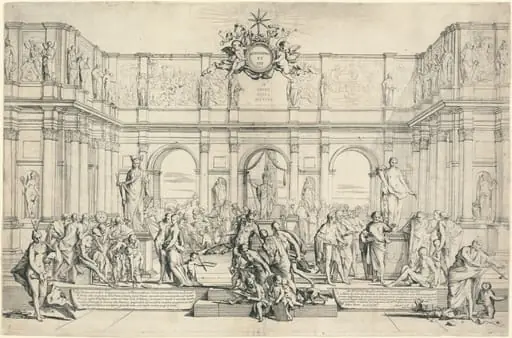
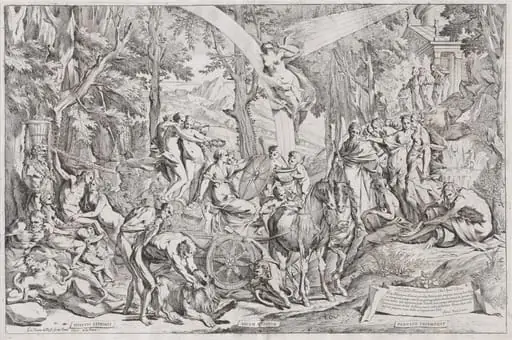
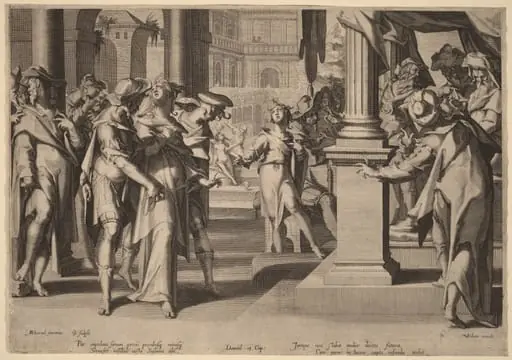 Suzannah before Daniel
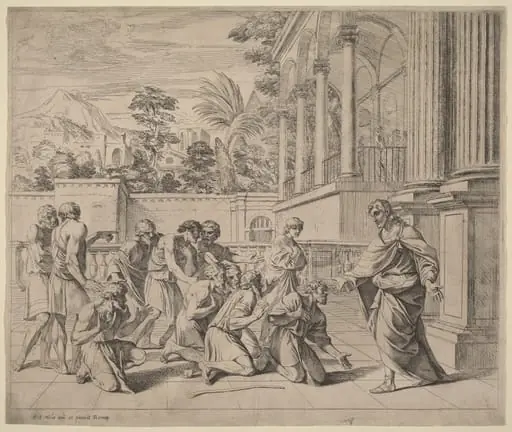 Joseph Identifying Himself to His Brothers
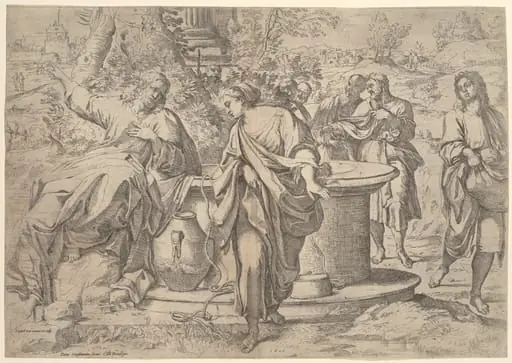 Christ and the Samaritan Woman
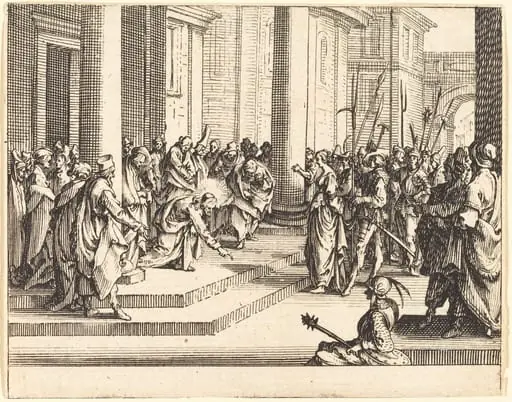 Stoning of Jesus
![The Challenge [right], by Gabriel de Saint-Aubin](https://artifactworldgallery.com/img/gabriel-de-saint-aubin--the-challenge-right--75162e00e6876b27-w320.webp) The Challenge [right]
The Challenge [right]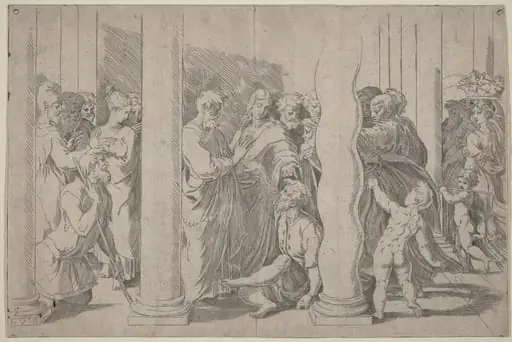 Saints Peter and John Healing the Lame Man at the Golden Gate
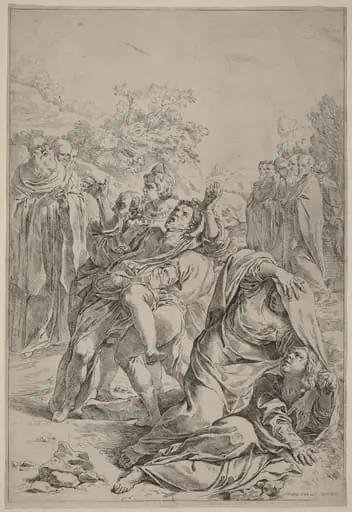 Saint Benedict Healing the Possessed
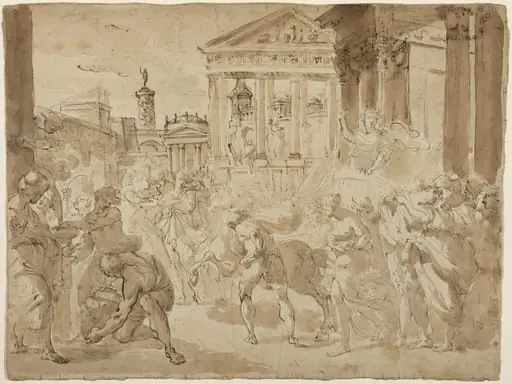 A Triumphal Procession in Ancient Rome
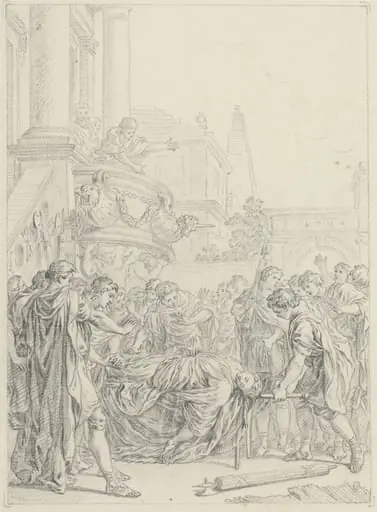 Du plus grand des Romains voilà ce qui vous reste
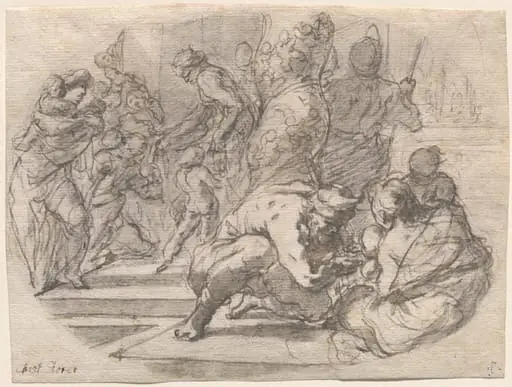 The Generosity of Empress Pulcheria
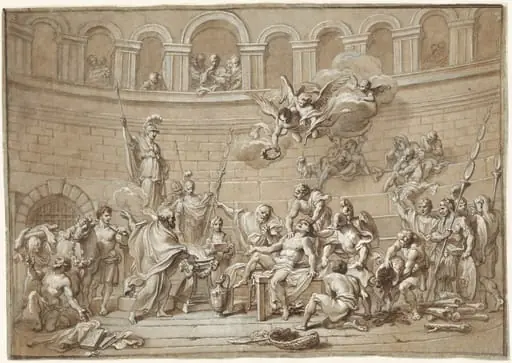 Martyrdom of Saint Lawrence
 The Sacrifice of Polyxena