Artwork
Hl. Hieronymus
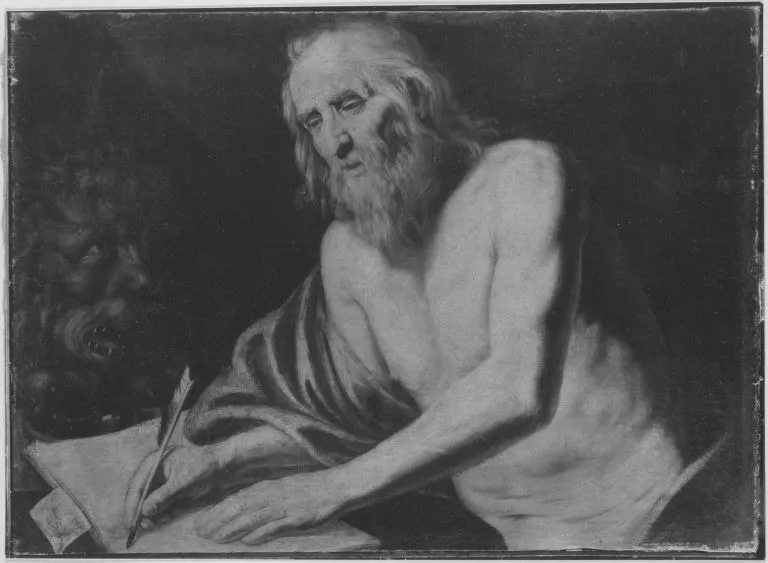
Hl. Hieronymus is an unspecified painting by the Early Baroque Italian artist Pietro Testa. It dates from 1631 and is held in the collection of the Bavarian State Painting Collections.
About this work
Overview
Created in 1631 by the Roman artist Pietro Testa, *Hl. Hieronymus* is an oil painting that exemplifies the early Italian Baroque. Though Testa is chiefly remembered for his prints and drawings, this work demonstrates his engagement with religious subjects and the dramatic visual language of his era. The painting is part of the Alte Pinakothek’s collection.
Subject & Meaning
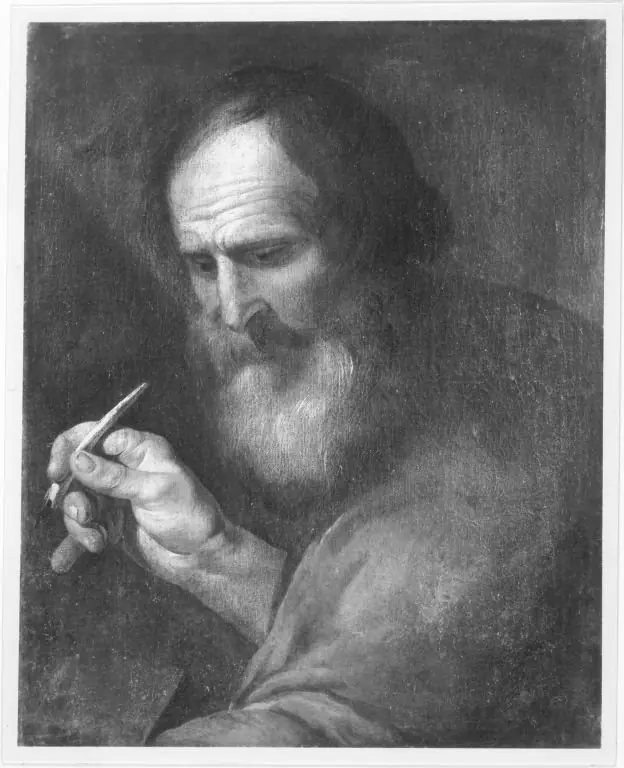
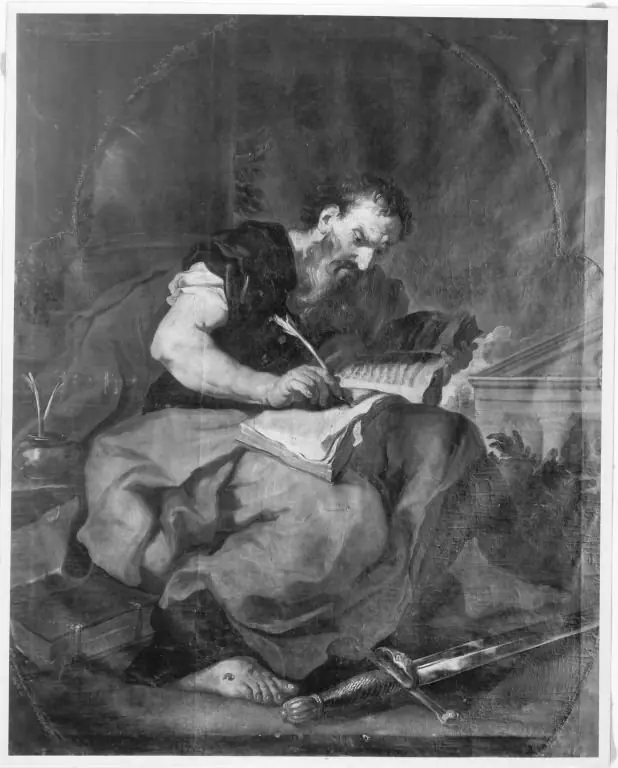
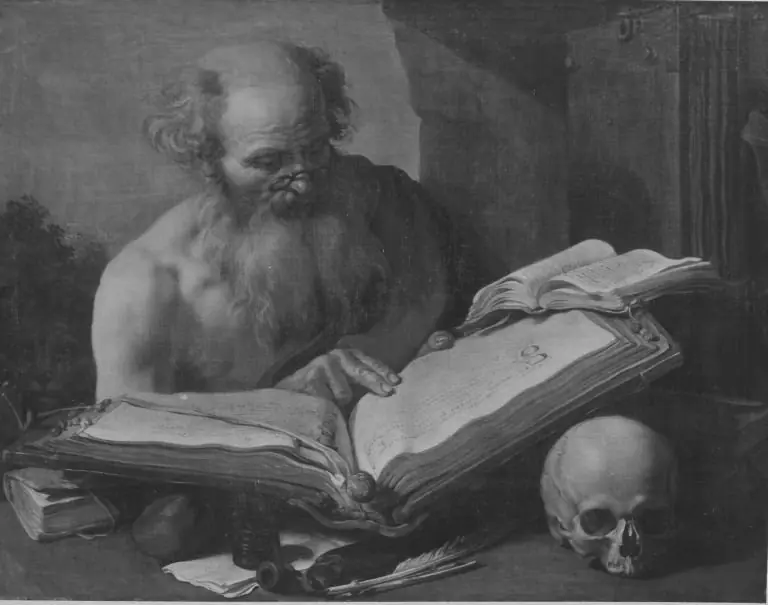
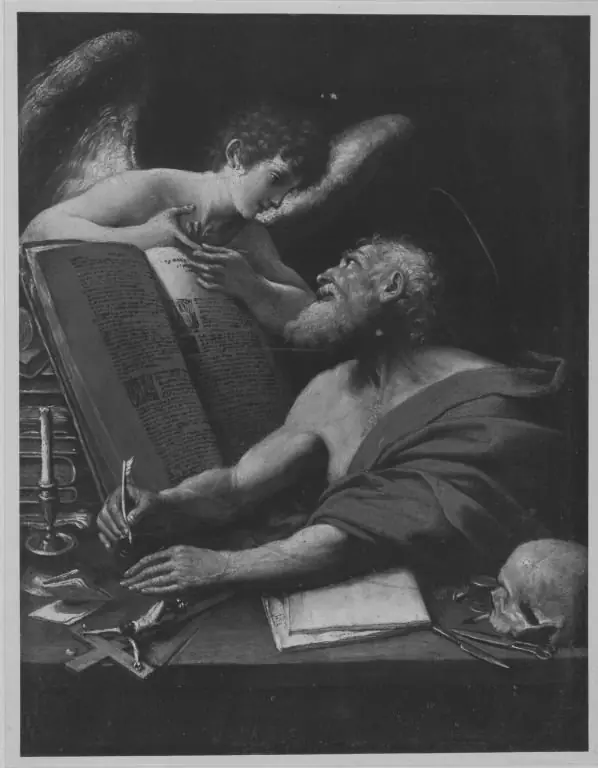
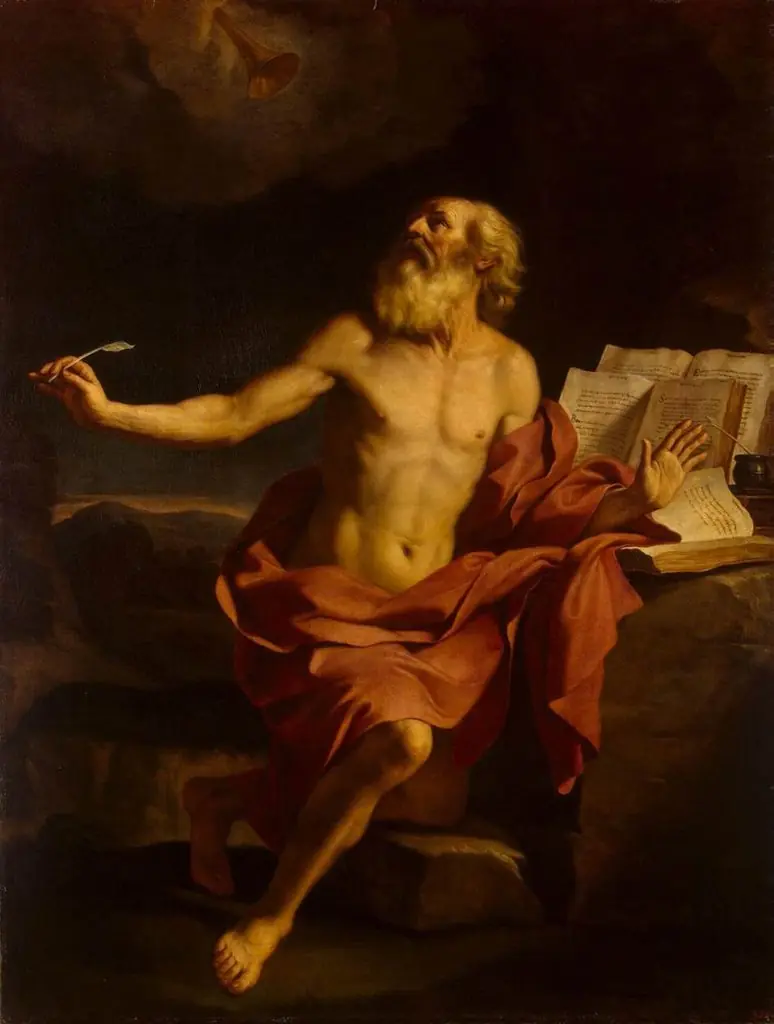
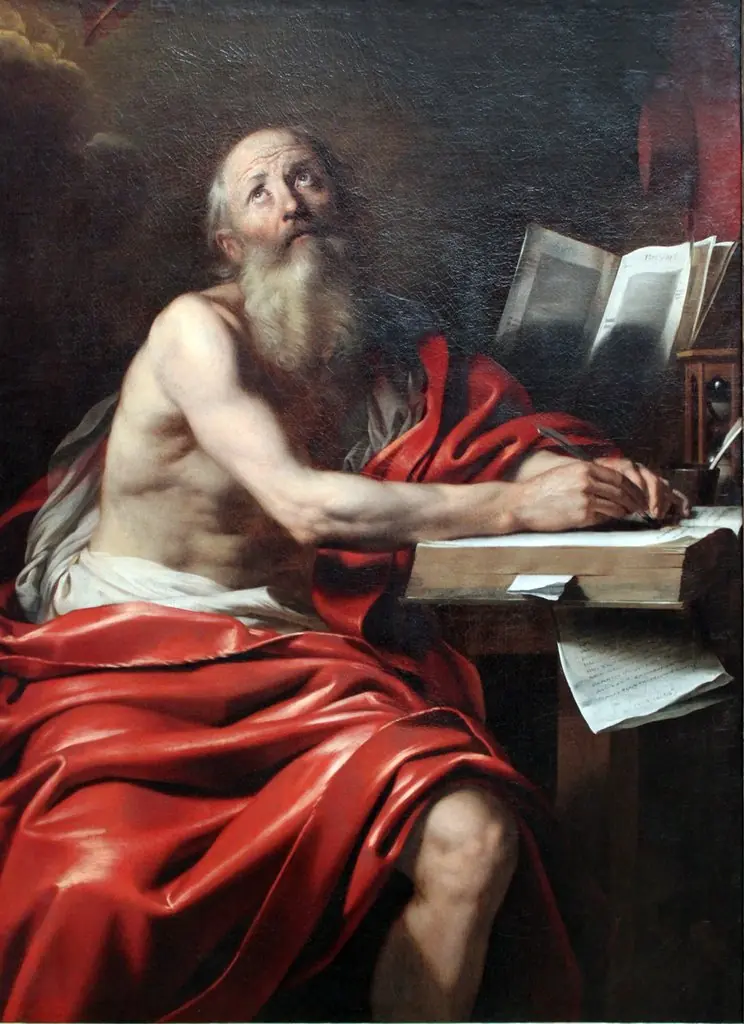
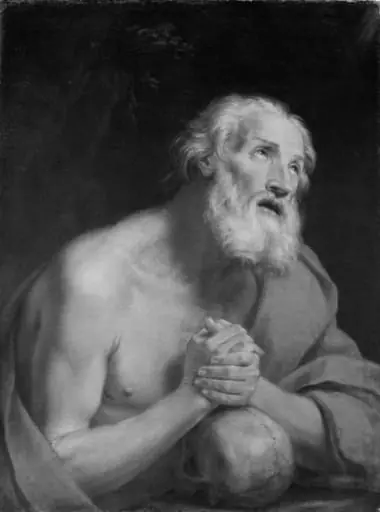
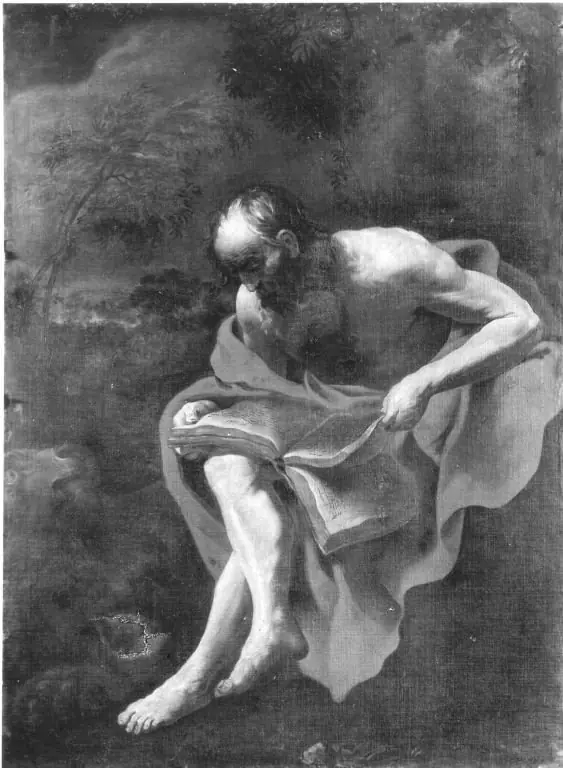
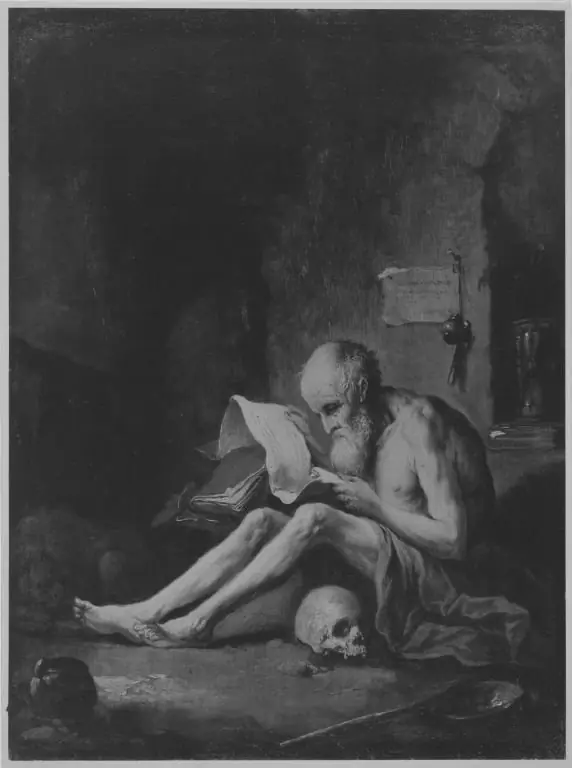
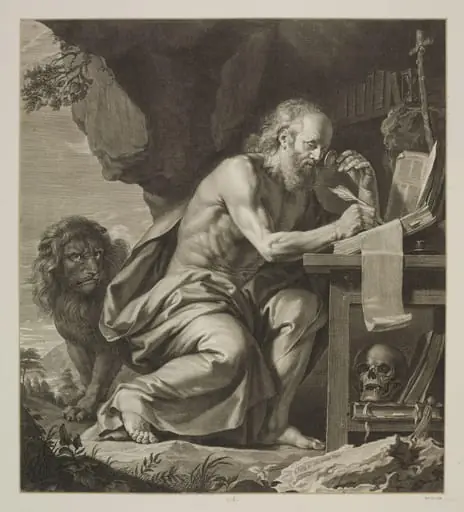
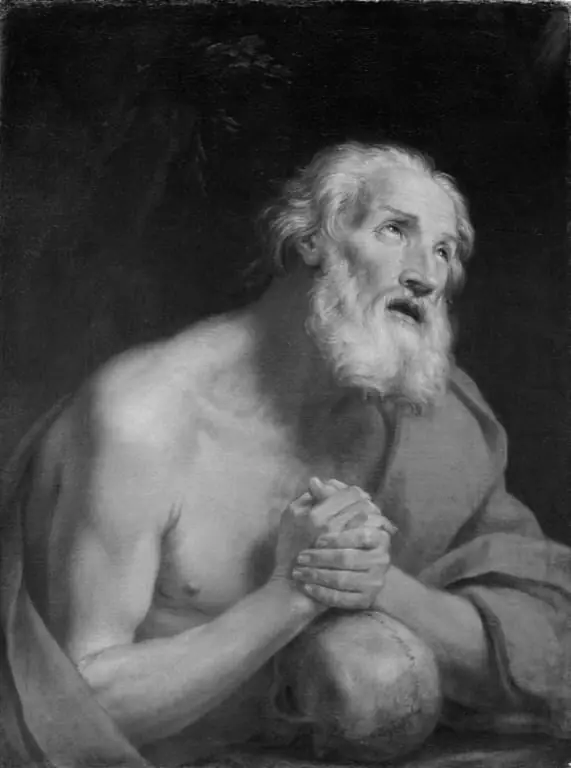
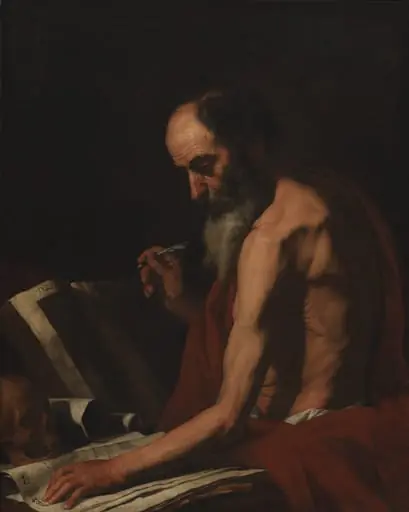
The canvas portrays Saint Jerome, the 4th‑century biblical scholar, as an elderly figure with flowing white hair and a full beard. He is depicted in a contemplative pose, bent over a manuscript and holding a pen, emphasizing his role as translator of the Vulgate and a model of scholarly devotion.
Technique & Style
Testa employs a stark chiaroscuro scheme, allowing a single light source to illuminate Jerome’s aged features while the surrounding space recedes into deep shadow. The contrast of bright flesh against a dark background heightens the sense of introspection and underscores the Baroque fascination with dramatic lighting.
History & Provenance
After its completion in Rome, the painting entered private collections before being acquired by the Bavarian museum now known as the Alte Pinakothek. Its provenance reflects the broader 17th‑century circulation of religious works among European patrons.
Context
Operating within a Roman circle that valued Classical ideals, Testa blended the intellectual rigor of antiquity with the emotive intensity of the Baroque. *Hl. Hieronymus* thus situates itself at the intersection of scholarly tradition and the period’s heightened theatricality.
Artist & collection
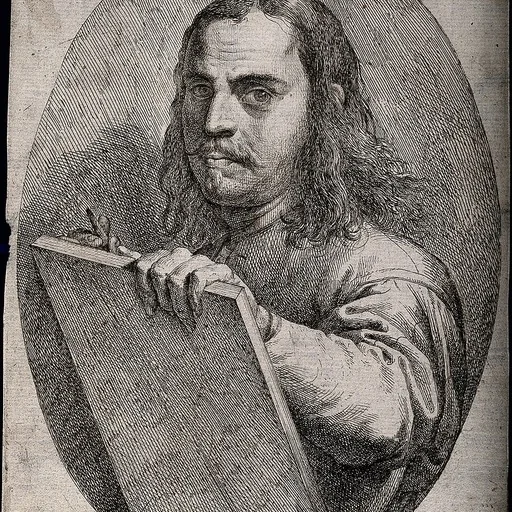
Artist
Pietro Testa (1612 – 1 March 1650) was an Italian High Baroque artist active in Rome.