Artwork
Vanity Fair: "Italian Music"
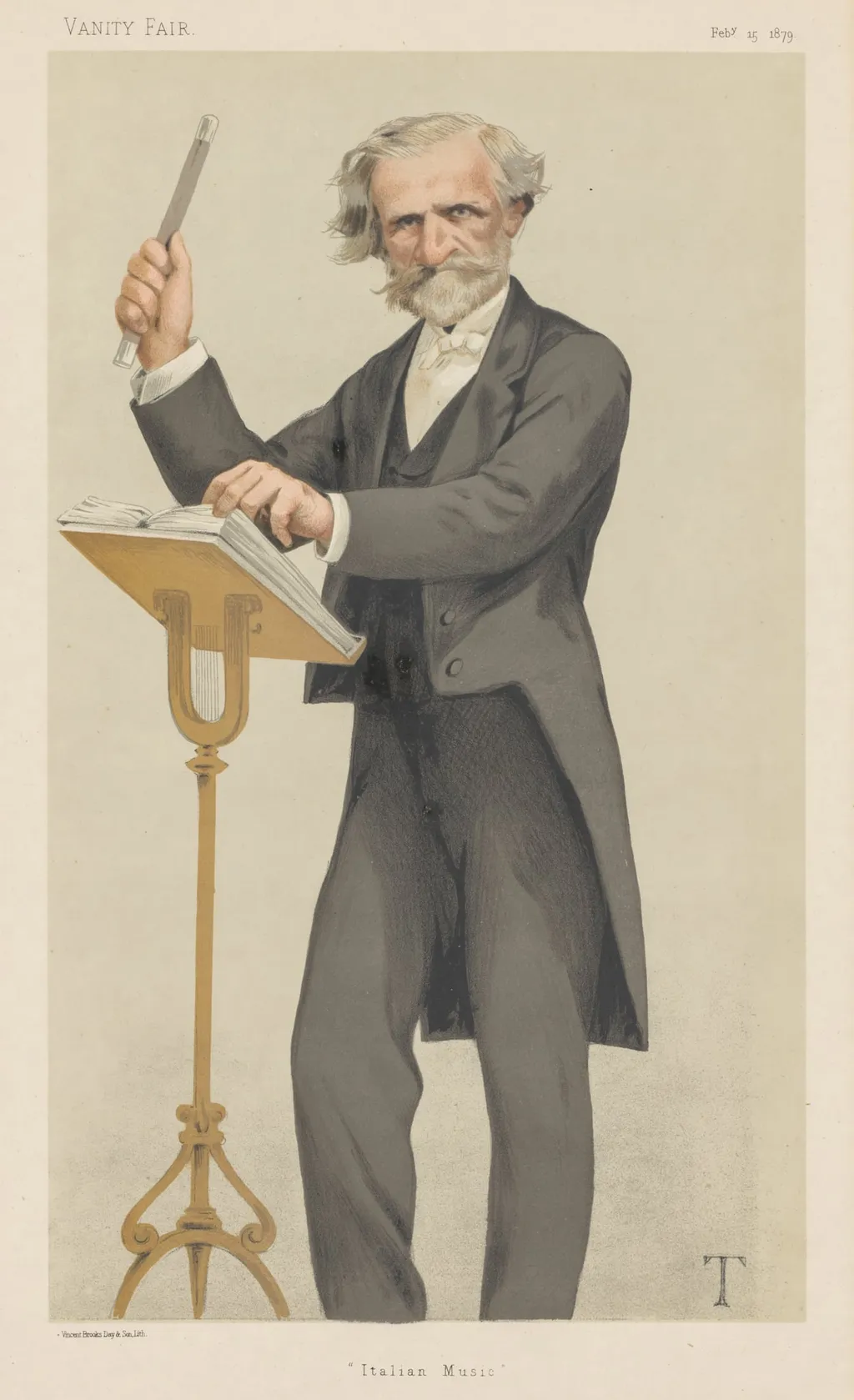
Vanity Fair: "Italian Music" is a print by the Impressionist artist Théobald Chartran. It dates from 1879 and is held in the collection of the Cleveland Museum of Art.
About this work
This drawing shows a man in a dark suit and white shirt, holding a baton in one hand and a small music stand in the other.
This drawing shows a man in a dark suit and white shirt, holding a baton in one hand and a small music stand in the other. His face is serious, with a big mustache and wavy hair. The stand has a tiny lyre shape on it, like a music symbol.
The title says "Italian Music," and it was made in 1879. The artist drew him in a way that looks lively but also a little exaggerated.
Look up *The Cleveland Museum of Art* to see more works like this.
Overview
Théobald Chartran’s 1879 print titled “Italian Music” is part of the collection at the Cleveland Museum of Art. The work depicts a solitary figure, dressed in a dark suit and crisp white shirt, grasping a conductor’s baton in one hand and a diminutive music stand in the other. The composition balances a formal portraiture with a touch of theatricality, reflecting the artist’s late‑nineteenth‑century sensibility.
Subject & Meaning
The central figure, a man with a prominent moustache, wavy hair and a serious expression, appears to embody the role of a musical director or performer. The small lyre‑shaped emblem on the stand alludes to classical antiquity, suggesting a connection between contemporary Italian music and its ancient roots. The title reinforces this cultural reference, positioning the image as a visual commentary on Italy’s musical heritage.
Technique & Style
Executed as a print, Chartran employs fine line work and careful shading to render the textures of fabric, hair, and metal. The exaggerated posture and slightly caricatured features hint at the influence of satirical illustration popular in periodicals of the era, while the overall composition retains a disciplined, academic drawing style characteristic of French academic training.
History & Provenance
Created in 1879, the print entered the Cleveland Museum of Art’s holdings through acquisition (specific details of purchase are not publicly recorded). Its presence in an American museum underscores the transatlantic interest in European visual culture during the late nineteenth century, and it remains accessible for study alongside other works of Chartran and his contemporaries.
Artist & collection

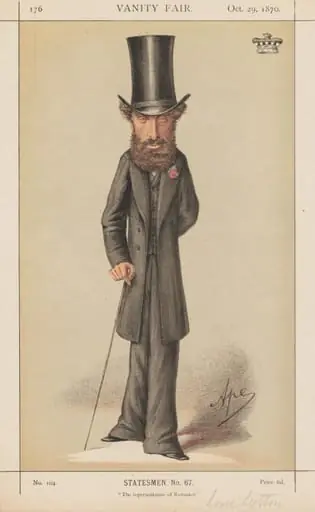 Vanity Fair: Statesmen No. 67 "The representative of Romance"
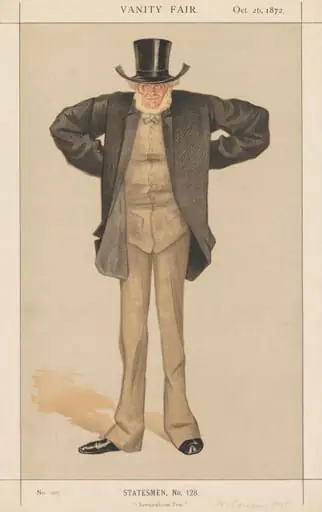 Vanity Fair: Statesman, No. 128 "Newcastle-on-Tyne"
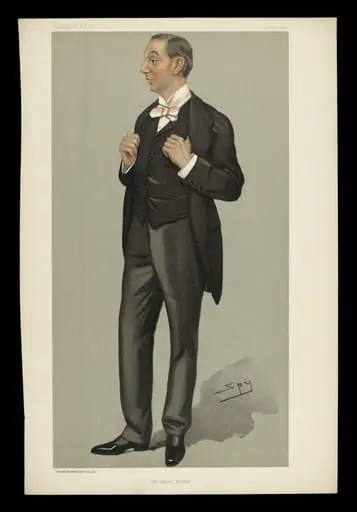 H Beard Print Collection
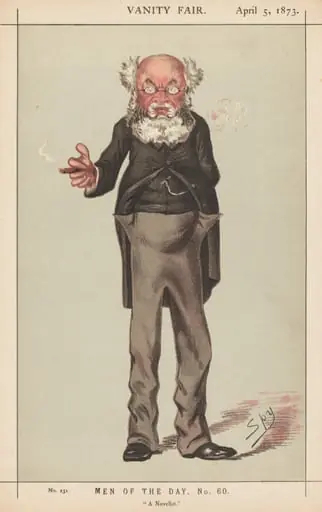 Vanity Fair: Men of the Day, No. 60, "A Novelist"
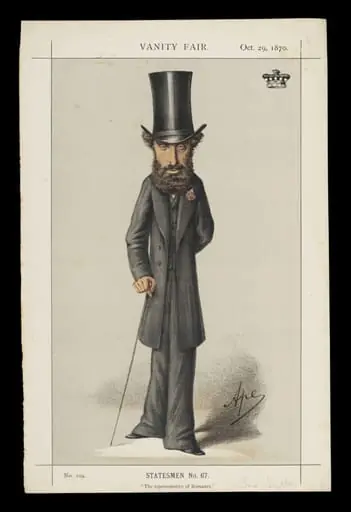 H Beard Print Collection
 H Beard Print Collection
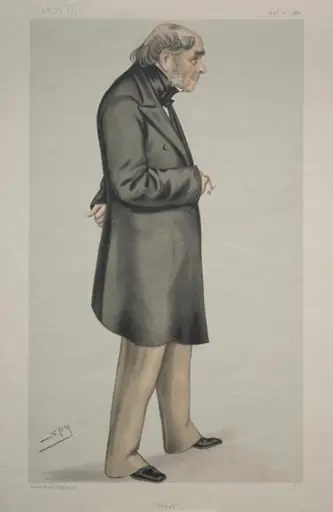 Steel
Steel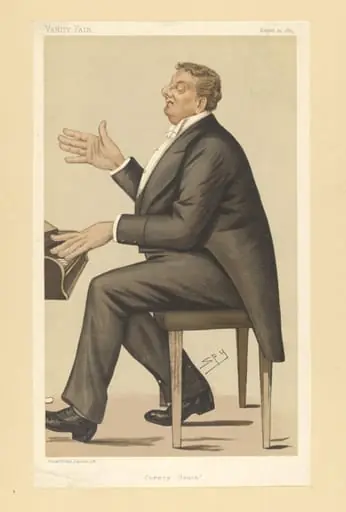 H Beard Print Collection
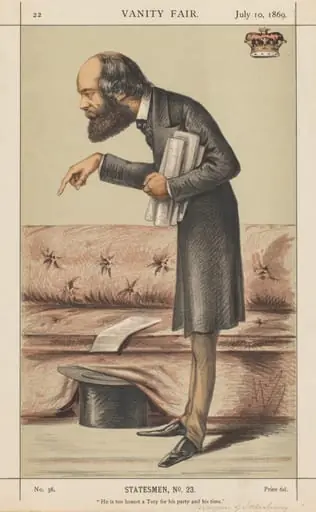 Vanity Fair: Statesman, No. 23 "He is too honest a Tory for his party and time"
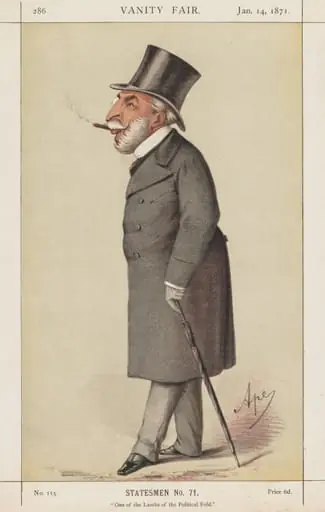 Vanity Fair: Statesman, No. 71 "One of the Lambs of the Political Fold"