Artwork
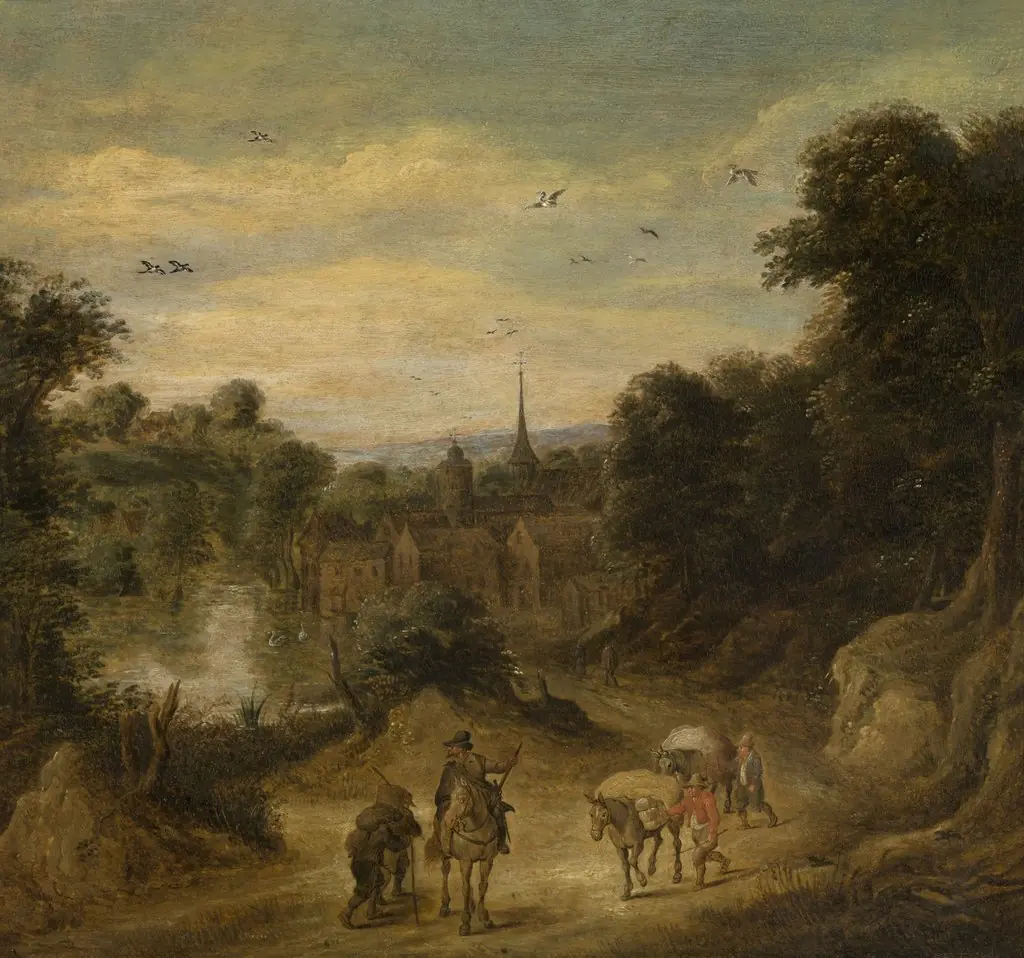
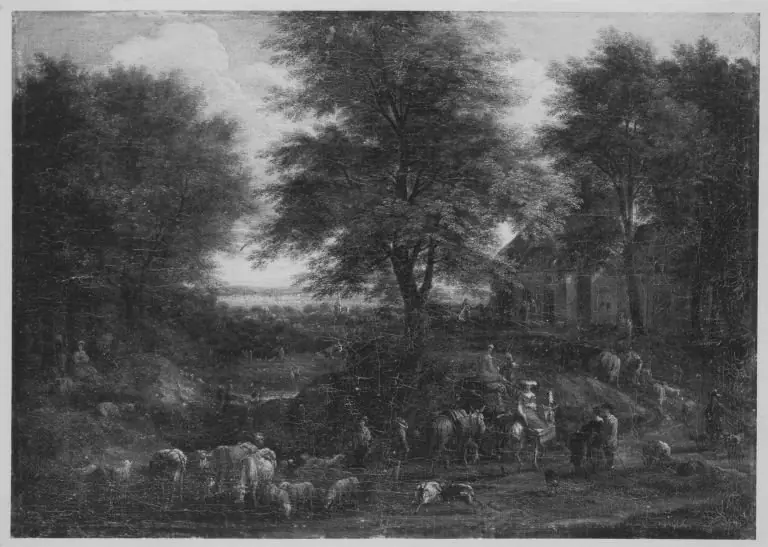
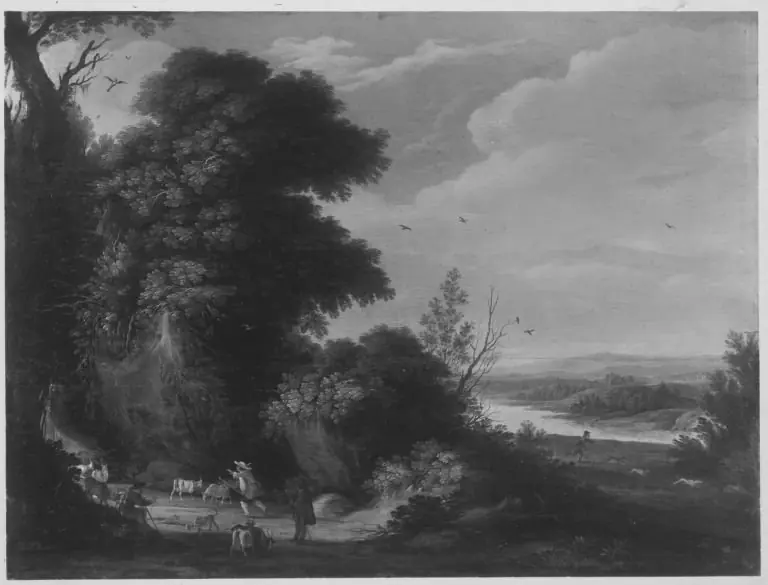
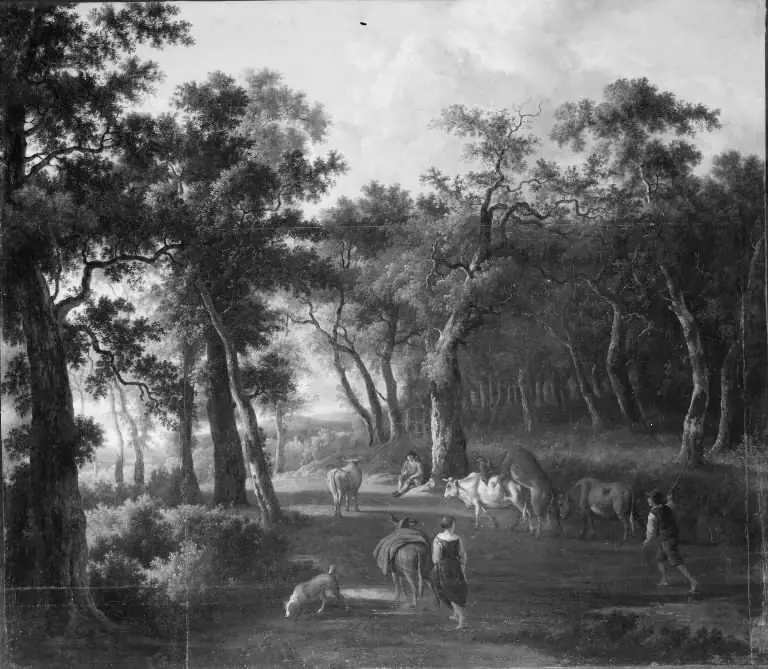
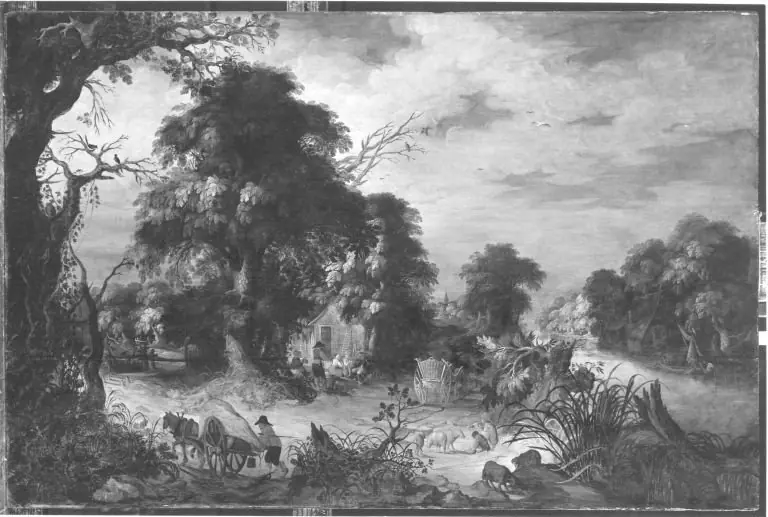
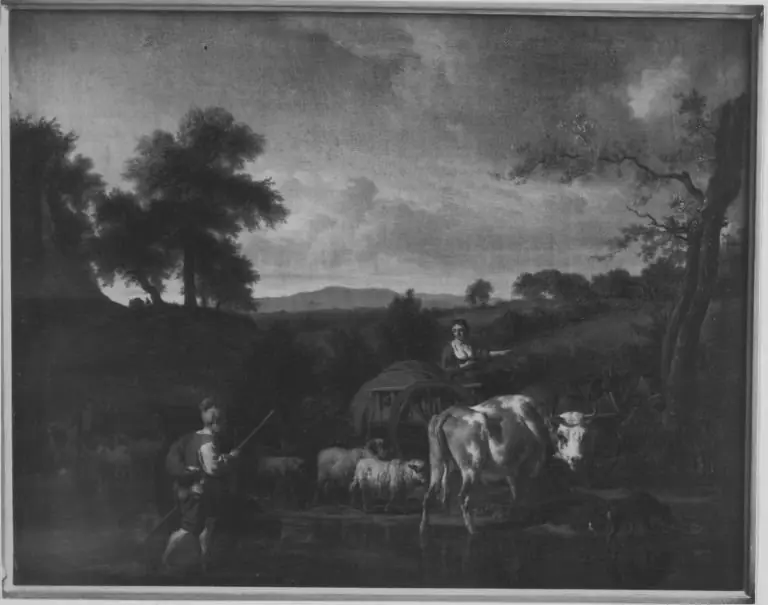
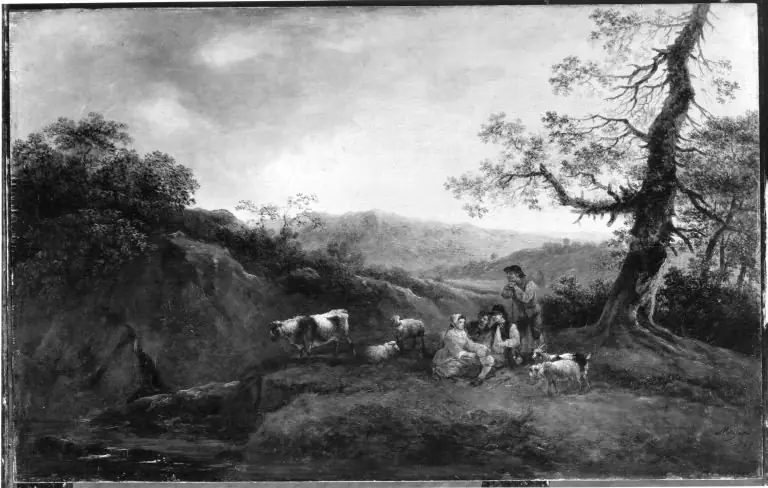
Flämische Landschaft mit Ernte
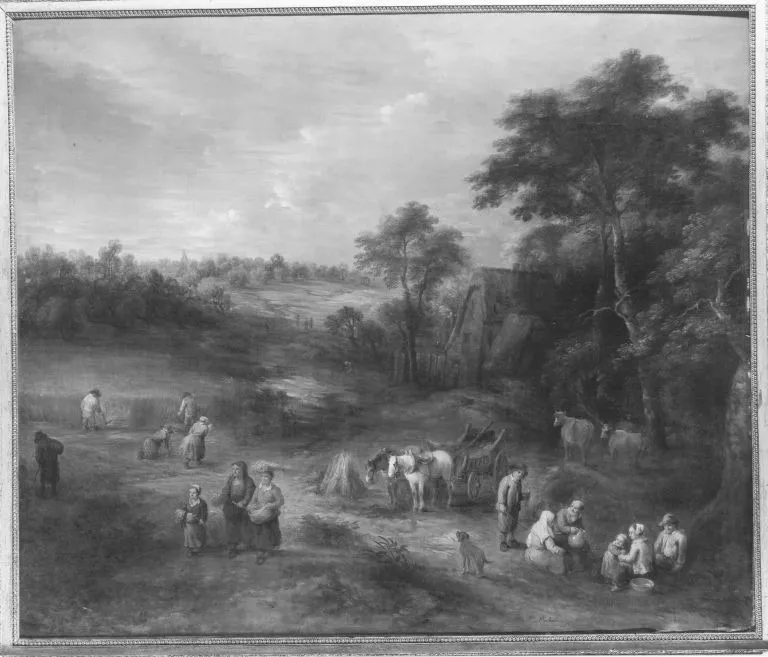
Flämische Landschaft mit Ernte is an unspecified painting by the Rococo painting artist Théobald Michau. It dates from 1716 and is held in the collection of the Bavarian State Painting Collections.
About this work
Overview
Théobald Michau, a Walloon painter active in the early 1700s, completed *Flämische Landschaft mit Ernte* in 1716.
Théobald Michau, a Walloon painter active in the early 1700s, completed *Flämische Landschaft mit Ernte* in 1716. Though working during the Rococo era, his style remained rooted in earlier Netherlandish traditions. He specialized in rural scenes, favoring quiet agricultural life over ornamental excess. His work bridged painting and textile design, as he produced cartoons for Brussels tapestry workshops, aligning his visual language with established Flemish motifs.
Subject & Meaning
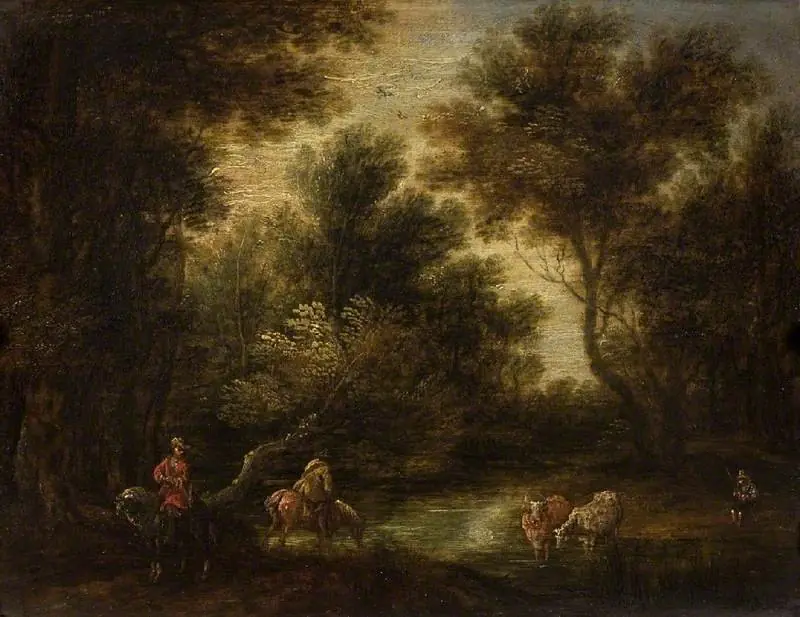
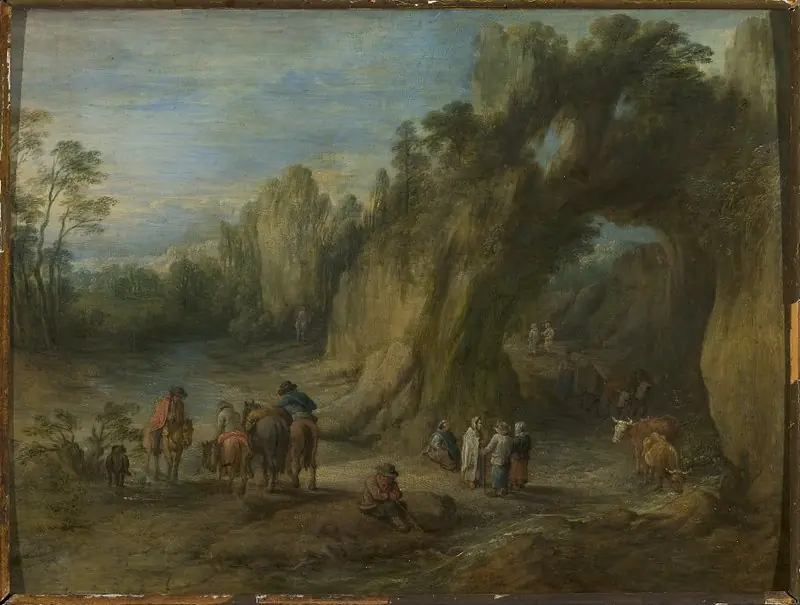
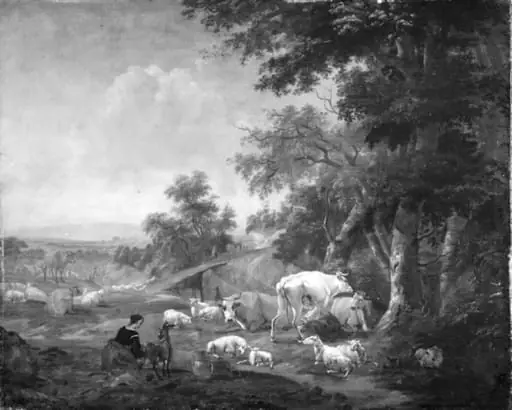
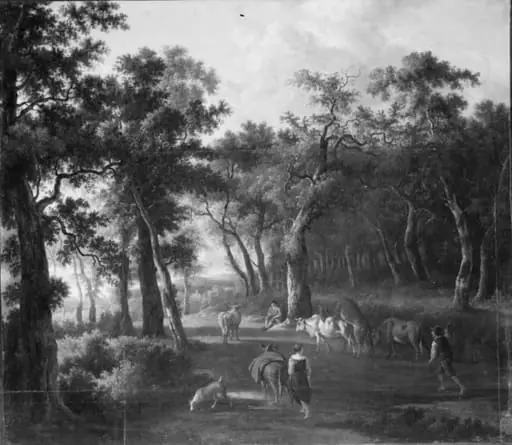
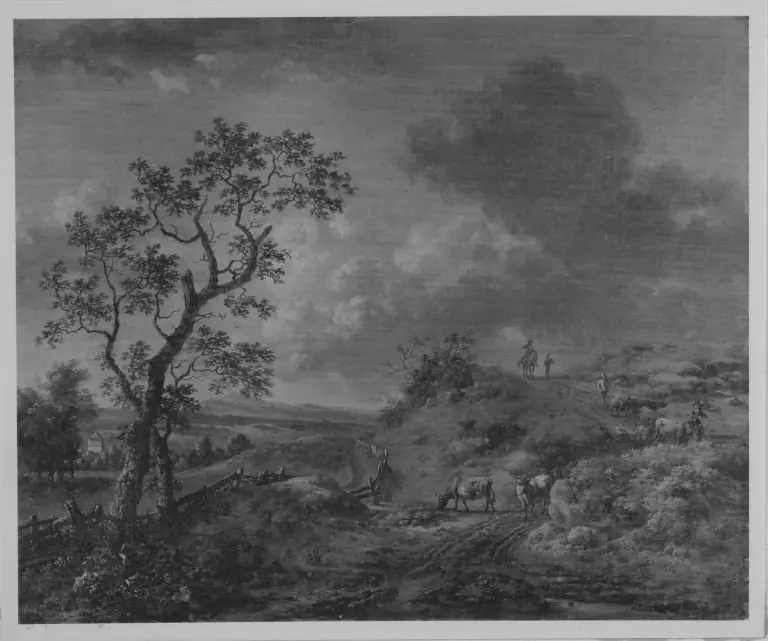
The painting depicts a harvest scene in a Flemish countryside, with figures engaged in gathering crops under a soft sky. No grand narrative or allegory is present; instead, the focus lies in the rhythm of seasonal labor. The composition emphasizes communal activity and the dignity of rural toil, echoing the genre traditions of the Teniers family without overt idealization or theatricality.
Technique & Style
Michau employed a restrained palette and careful brushwork to render fields, trees, and figures with quiet precision. His handling of light is subdued, avoiding dramatic contrasts in favor of even, natural illumination. The figures are small yet distinct, arranged to guide the eye across the landscape without dominating it. This method reflects his training in the detailed, observational style of 17th-century Flemish painting.
History & Provenance
Created in 1716, the painting emerged from Michau’s mature period, when he was actively supplying designs to Brussels tapestry ateliers. While its early ownership is undocumented, its subject and technique align with works commissioned for aristocratic interiors seeking pastoral imagery. Its survival suggests it was valued as a decorative piece, consistent with the taste for rural themes among European collectors of the time.
Context
Michau worked in a cultural environment where Flemish landscape traditions persisted despite the rise of Rococo elegance. His choice of rural subjects responded to enduring demand for scenes of peasant life, a genre popularized by Teniers. His dual role as painter and tapestry designer placed him at the intersection of fine and applied arts, reinforcing the continuity of Flemish visual culture beyond the canvas.
Legacy
Michau’s work contributed to the transmission of Flemish rural imagery into the 18th century, particularly through tapestry production. Though not widely known today, his paintings and cartoons helped sustain regional stylistic conventions. His influence is seen more in the persistence of genre themes than in formal innovation, marking him as a conservator of tradition rather than a reformer.
Artist & collection
Artist
Théobald Michau (1676–1765) was a conservative Walloon painter of landscapes, more famous in his own time than he is today.