Artwork
Guests at a Wedding
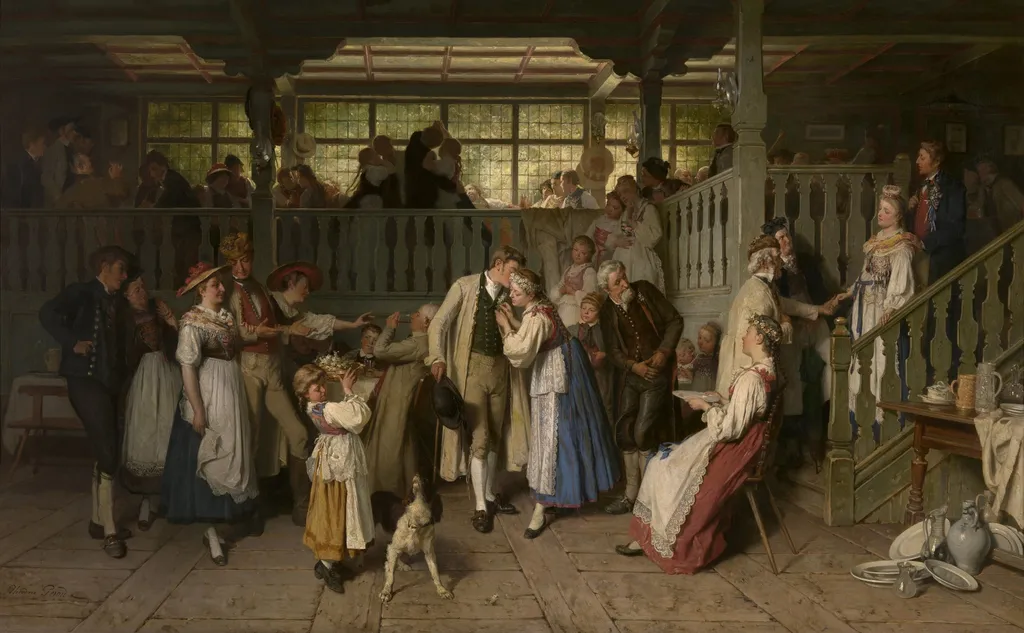
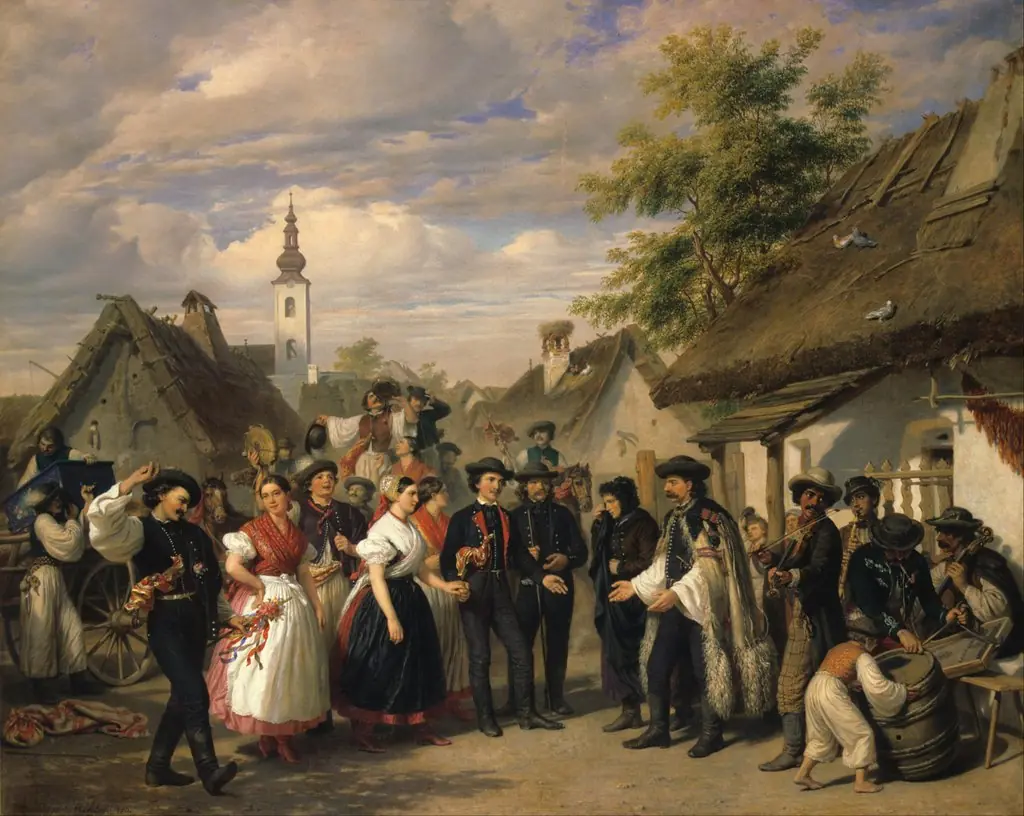
Guests at a Wedding is an oil painting by the Impressionist artist Théodore Gérard. It dates from 1892 and is held in the collection of the Royal Museum of Fine Arts Antwerp.
About this work
Overview
Painted in 1892 by Théodore Gérard, this oil on canvas depicts a wedding gathering in a spacious interior. The work resides in the Royal Museum of Fine Arts Antwerp and captures a moment of communal celebration, rendered with attention to domestic architecture and the quiet rhythms of social interaction. The scene avoids theatricality, favoring a subdued, observational tone.
Subject & Meaning
Traditional attire suggests a regional or rural custom, grounding the event in specific cultural practice.
The painting centers on a newly married couple embraced amid a circle of attendees, their joy mirrored in the relaxed postures and gentle expressions of those around them. Traditional attire suggests a regional or rural custom, grounding the event in specific cultural practice. The absence of overt ritual—no priest, no altar—emphasizes the domestic nature of the celebration, framing marriage as a social bond rather than a ceremonial act.
Technique & Style
Gérard employs a muted palette of ochres, browns, and soft reds to evoke the warmth of an interior lit by natural daylight. Brushwork is deliberate but unobtrusive, emphasizing fabric textures and the grain of wooden beams. Light falls diagonally across the room, modeling forms subtly and deepening the sense of spatial depth without dramatic contrast.
History & Provenance
Completed in 1892, the painting entered the collection of the Royal Museum of Fine Arts Antwerp shortly after its creation. Its acquisition reflects the museum’s interest in 19th-century Belgian genre scenes. No significant changes in ownership are documented, and it has remained in public display since its inclusion in the collection.
Context
Gérard worked during a period when Belgian artists increasingly turned to everyday life as subject matter, distancing themselves from historical or mythological themes. This painting aligns with a broader trend of domestic realism, influenced by French and Dutch precedents, yet retains a distinctly regional character through its clothing and architectural details.
Legacy
Though not widely reproduced, the painting contributes to the understanding of late 19th-century Belgian social portraiture. It stands as a quiet testament to the dignity of ordinary ceremonies, offering insight into regional customs and the artist’s commitment to unembellished observation over sentimentality.
Own this work as a print
Artist & collection

 Episode af et gilde på Amager
 Interior with peasants from the region of Amager
 A Country Dance in the Hedebo District, Zealand
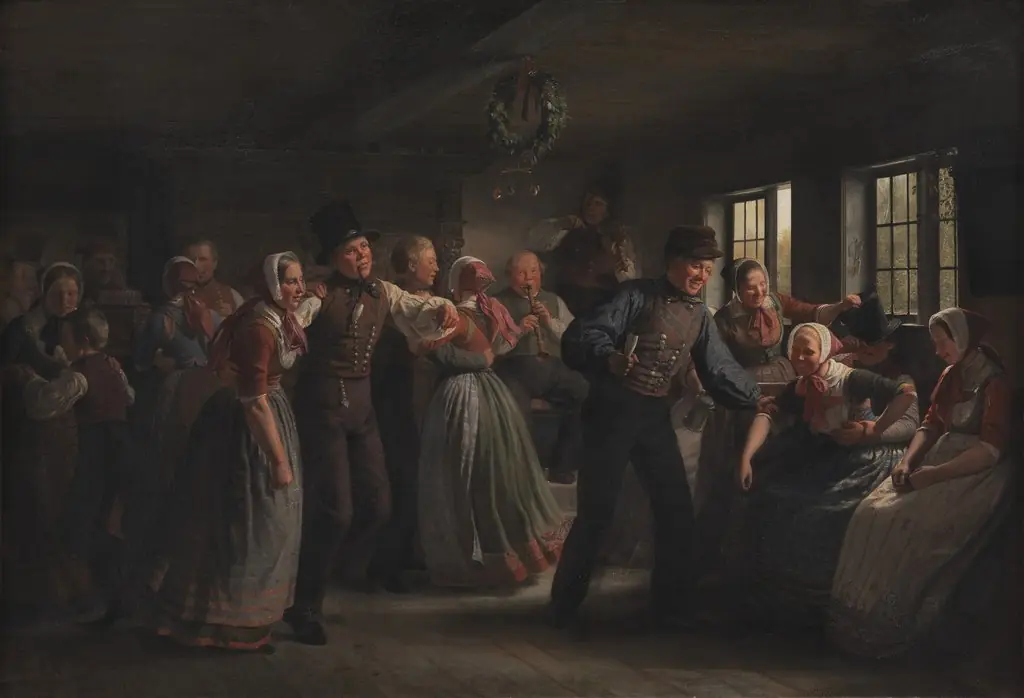 A Country Dance in the Hedebo District, Zealand
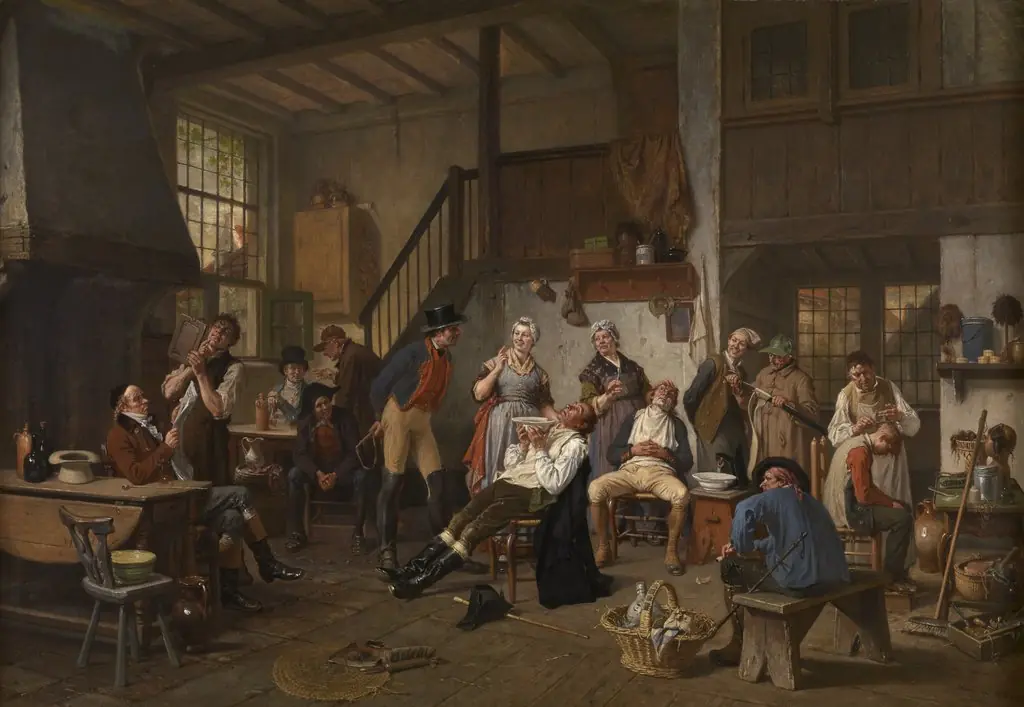 Shaving Day
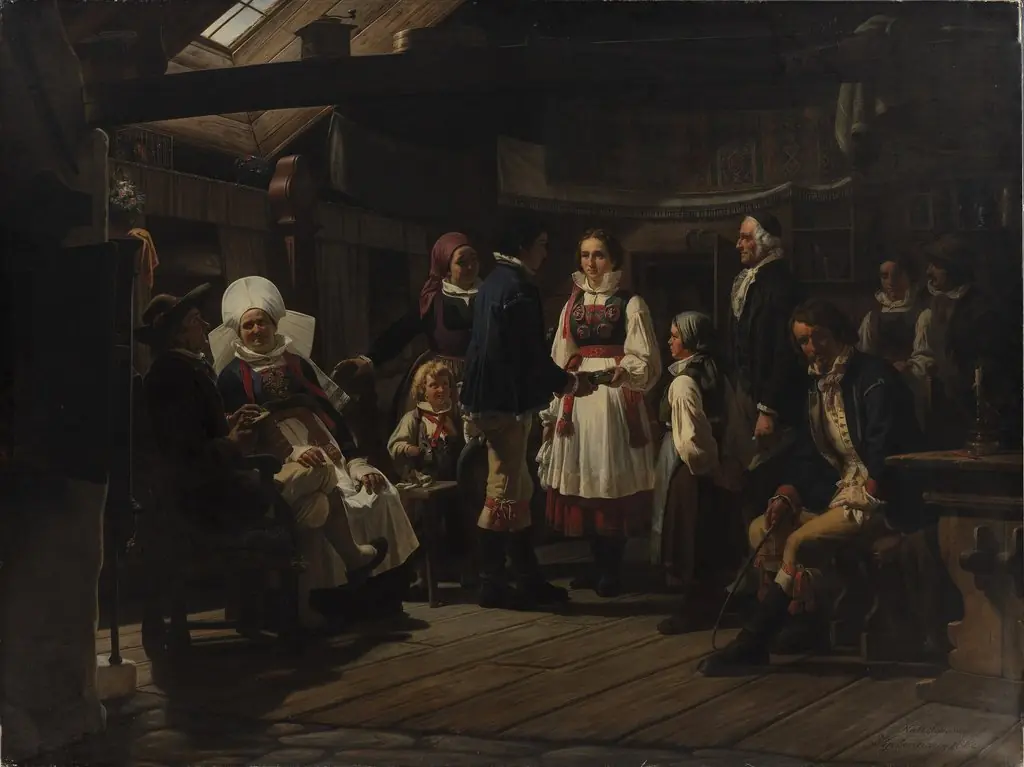 En trolovelse i Herrestad i Skåne
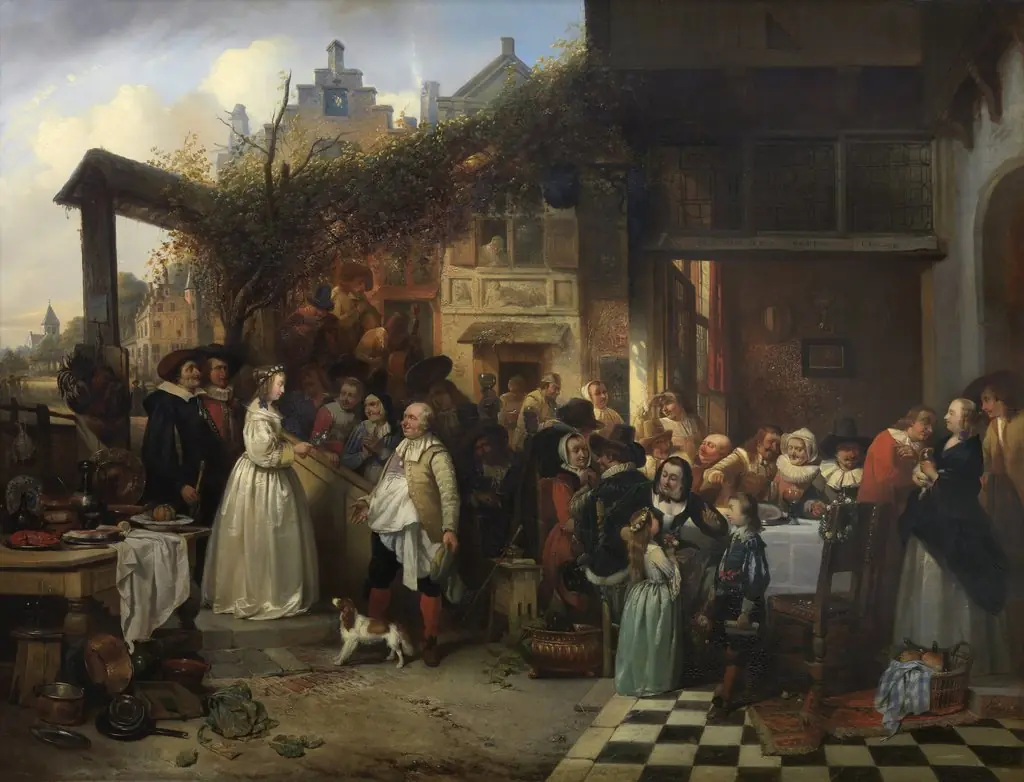 Wedding in Flanders in the Seventeenth Century
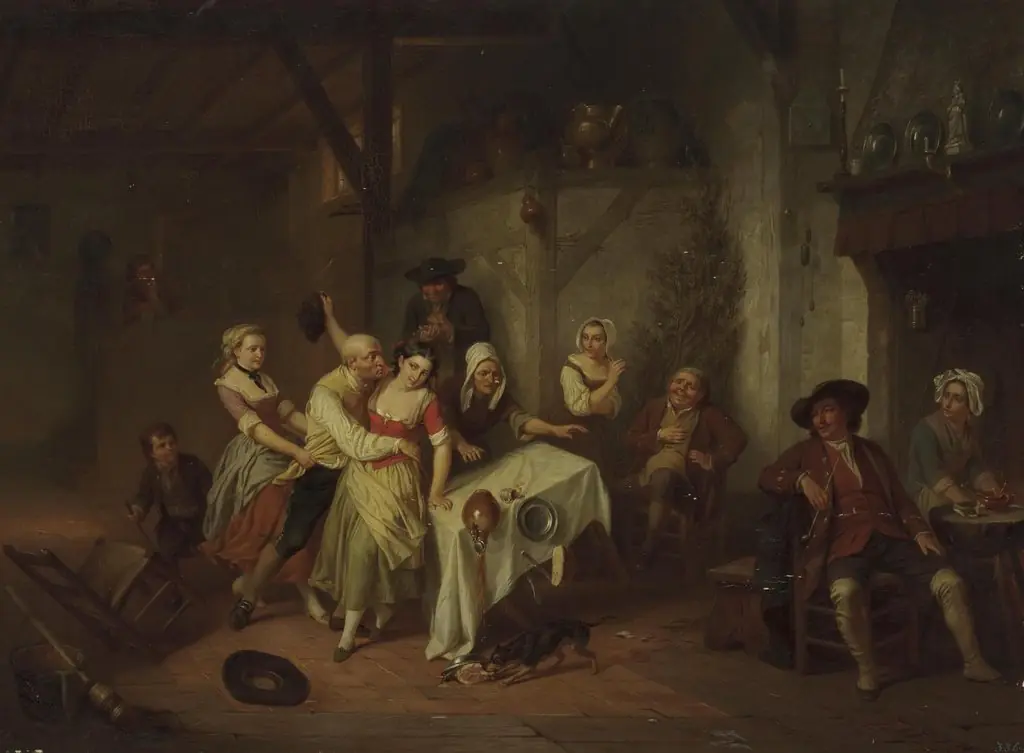 Scene in a Tavern
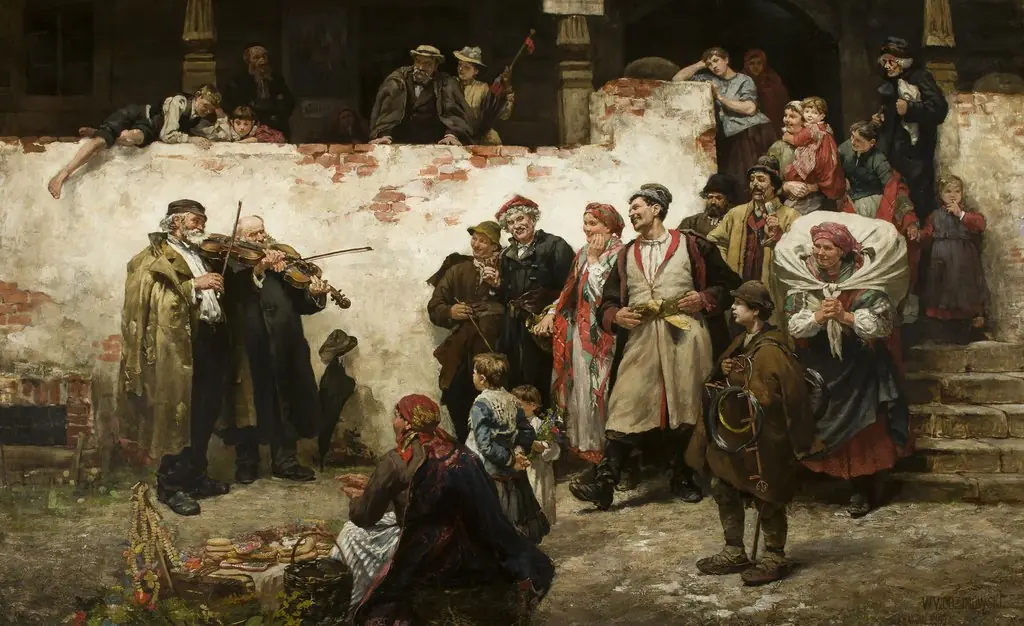 Familiar Note
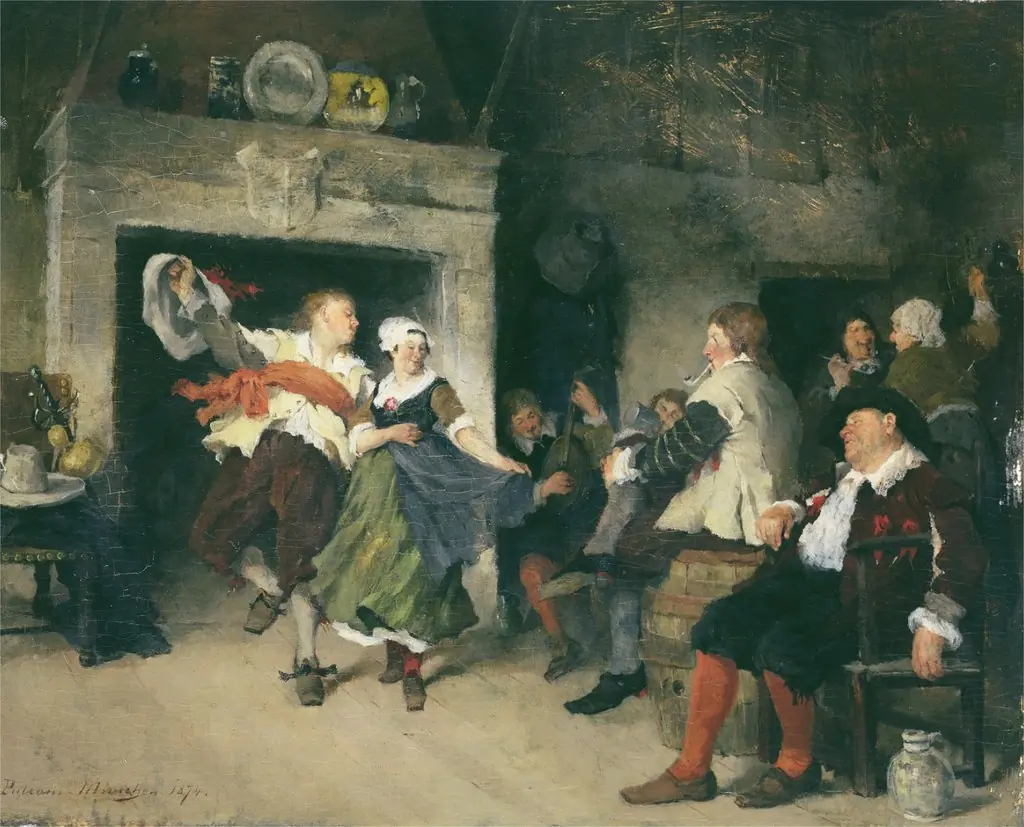 Couple Dancing in a Tavern
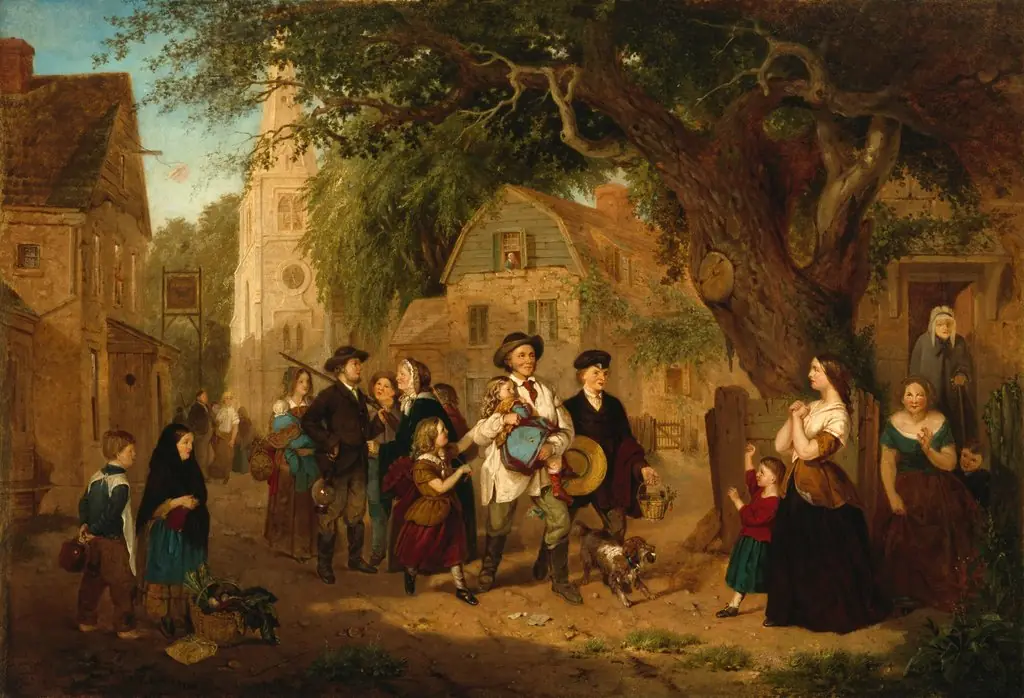 The Lost Child Returned
 The Arrival of the Bride