Artwork
The Flemish Blacksmith
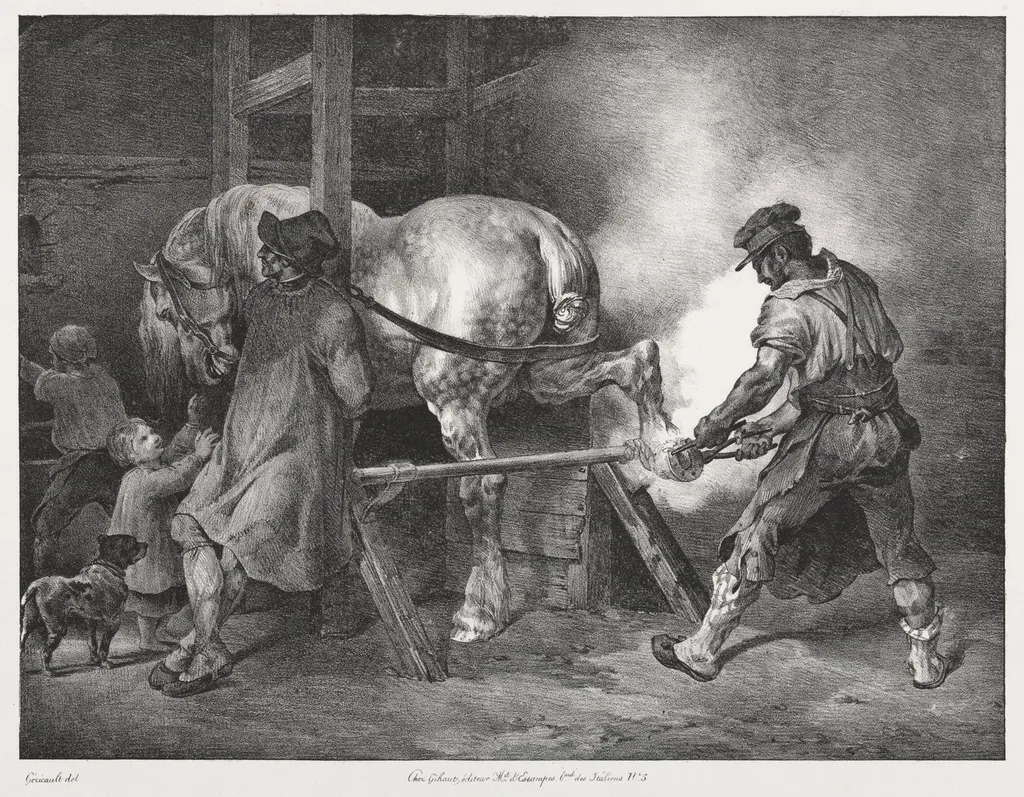
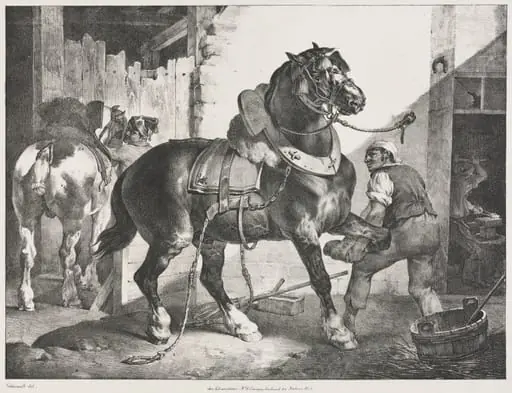
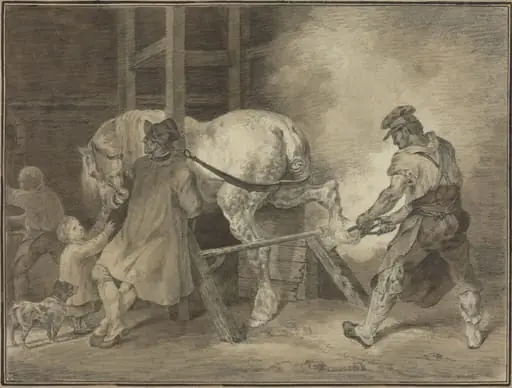
The Flemish Blacksmith is a print by the Romanticist artist Théodore Géricault. It dates from 1822 and is held in the collection of the Cleveland Museum of Art.
About this work
Overview
Though Géricault is best known for large-scale paintings like *The Raft of the Medusa*, this smaller work reflects his interest in everyday human effort.
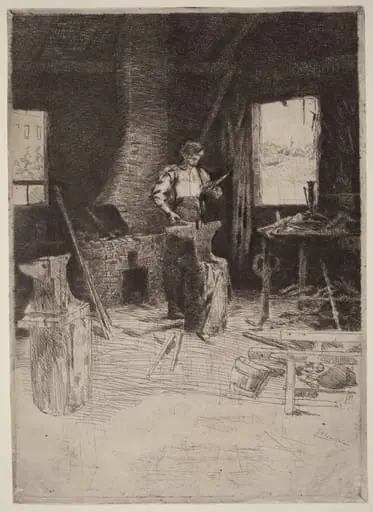
Created in 1822 by French artist Théodore Géricault, *The Flemish Blacksmith* is a lithograph capturing a moment of labor in a dimly lit forge. Though Géricault is best known for large-scale paintings like *The Raft of the Medusa*, this smaller work reflects his interest in everyday human effort. The piece resides in the collection of The Cleveland Museum of Art and exemplifies his engagement with working-class subjects during the final years of his career.
Subject & Meaning
The print depicts a blacksmith focused intently on shaping red-hot metal, his posture tense with concentration. Dressed in a plain shirt, trousers, and leather apron, he is surrounded by tools of his trade—hammers, tongs, and a bellows—emphasizing the physicality of his labor. The scene avoids idealization, presenting work as a quiet, demanding act. The darkness of the workshop heightens the glow of the fire and the metal, drawing attention to the dignity of manual labor.
Technique & Style
Géricault employed lithography to achieve sharp contrasts between light and shadow, enhancing the drama of the forge’s glow against the surrounding gloom. The figure is rendered with firm, deliberate lines, capturing the musculature and tension of the blacksmith’s body. The background is minimized, isolating the worker and his task. This restrained composition aligns with Romanticism’s focus on emotional intensity and the sublime in ordinary life.
History & Provenance
Produced in 1822, the lithograph was made during Géricault’s final years, shortly before his death in 1824. It was likely created as part of his broader exploration of human endurance and labor, influenced by his travels in Belgium and his fascination with physical strength. The work entered the Cleveland Museum of Art’s collection through documented acquisitions in the 20th century, preserving its place among his lesser-known but significant graphic works.
Context
In early 19th-century Europe, industrialization was transforming labor, yet artists like Géricault turned to traditional crafts to explore themes of resilience and solitude. His interest in blacksmiths and other laborers reflected a Romantic shift away from classical idealism toward raw, unvarnished human experience. This print stands alongside his studies of horses, the insane, and the wounded, all part of his broader inquiry into the body under strain.
Legacy
Though less prominent than his monumental paintings, *The Flemish Blacksmith* contributed to the recognition of printmaking as a vehicle for serious artistic expression. Its unembellished portrayal of labor influenced later realist and socially conscious artists. The work remains a quiet testament to Géricault’s ability to find gravity in the mundane, extending the reach of Romanticism beyond grand narratives into the textures of daily life.
Own this work as a print
Artist & collection
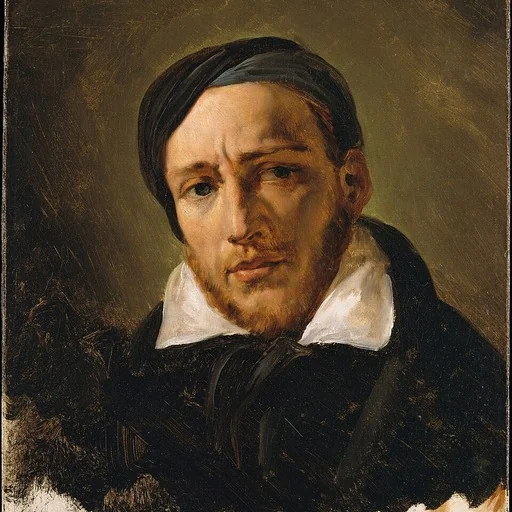
Artist
Jean-Louis André Théodore Géricault (French: ; 26 September 1791 – 26 January 1824) was a French painter and lithographer.