Artwork
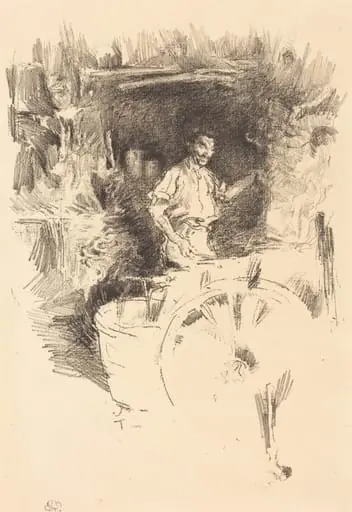
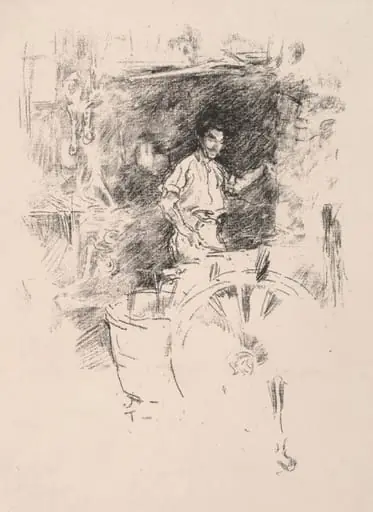
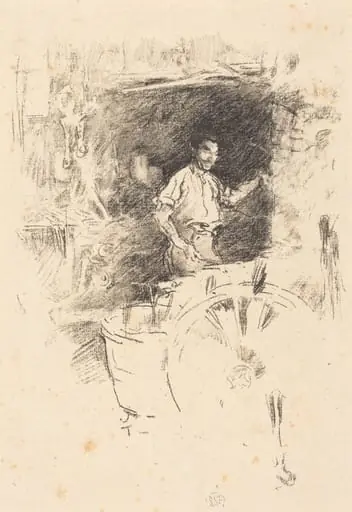
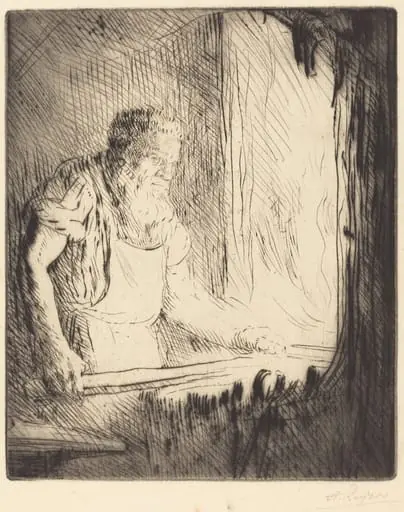
A Blacksmith (Un Forgeron)
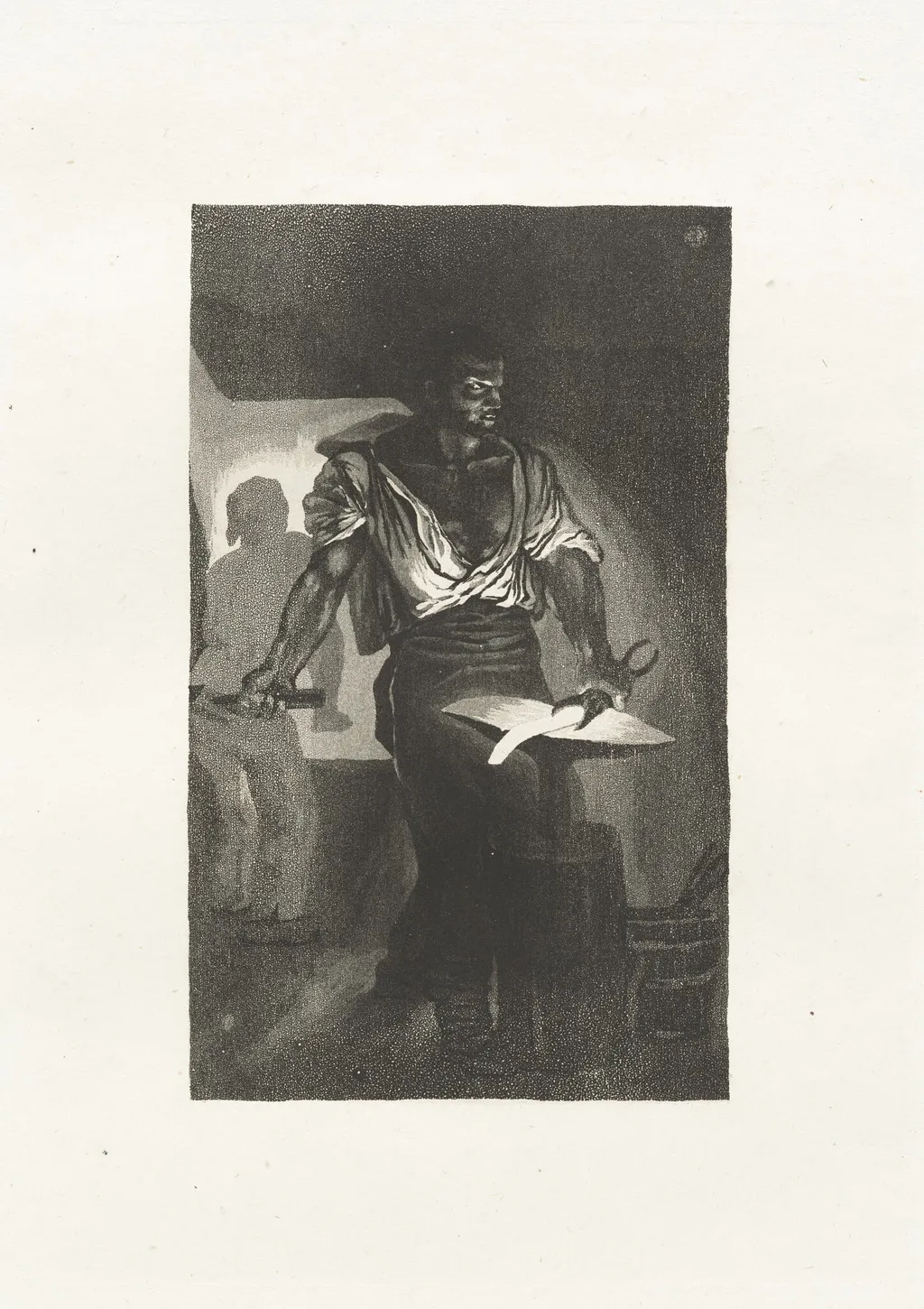
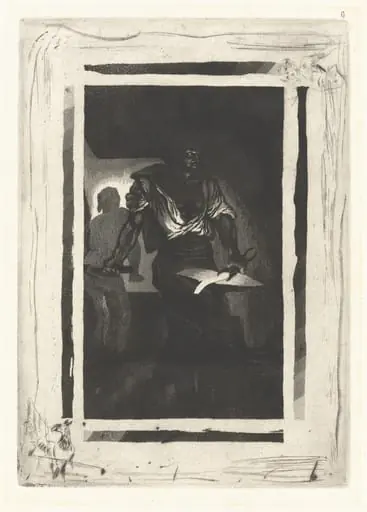
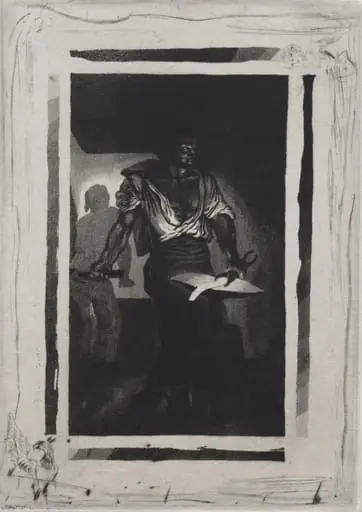
A Blacksmith (Un Forgeron) is an ink print by the Romanticist artist Eugène Delacroix. It dates from 1833 and is held in the collection of the National Gallery of Art.
About this work
Overview
A Blacksmith (Un Forgeron), created by Eugène Delacroix in 1833, is an aquatint print on laid paper exemplifying the French Romantic style.
Subject & Meaning
The print depicts a blacksmith in intense labor, emphasizing physical exertion and dramatic tension, characteristic of Delacroix's focus on romantic and dramatic themes.
Technique & Style
Delacroix employed aquatint to achieve deep, expressive tones and chiaroscuro, drawing inspiration from Rubens and Venetian Renaissance painters to convey dynamic energy and intensity.
History & Provenance
Created in 1833 during Delacroix's mature period, the work reflects his departure from Neoclassical precision in favor of emotional and movement-driven art.
Context
Within the broader context of 19th-century French art, A Blacksmith situates Delacroix as a leading Romantic figure, contrasting with the prevailing Neoclassical movement of the time.
Legacy
This piece contributes to Delacroix's legacy as a pioneer of Romanticism, influencing subsequent artists with its emphasis on expressive technique and dramatic subject matter.
Artist & collection
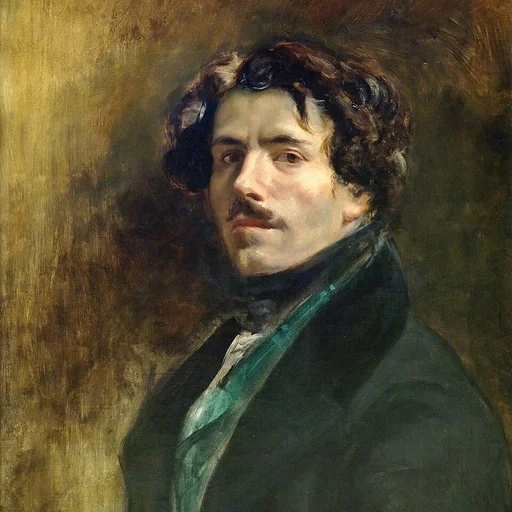
Artist
Ferdinand Victor Eugène Delacroix ( DEL-ə-krwah, -KRWAH; French: ; 26 April 1798 – 13 August 1863) was a French Romantic artist who was regarded as the leader of the French Romantic school.