Artwork
Blacksmith in the Goldfields
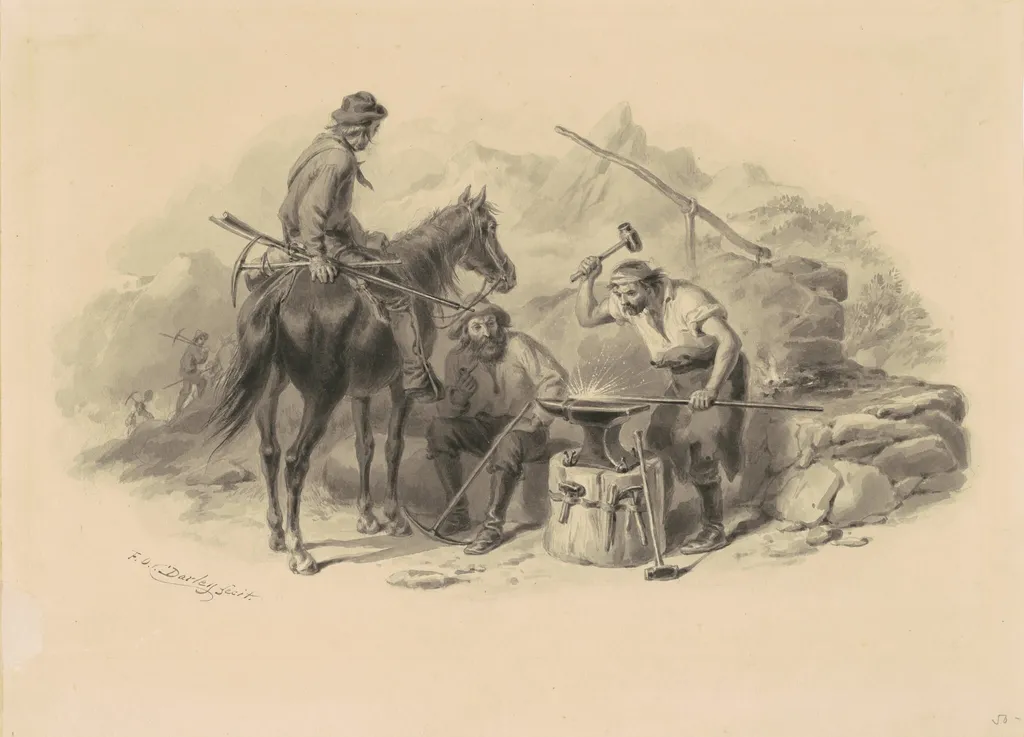
Blacksmith in the Goldfields is a graphite drawing by the Romanticist artist Felix Octavius Carr Darley. It dates from 1852 and is held in the collection of the National Gallery of Art.
About this work
Overview
Created in 1852 by American illustrator Felix Octavius Carr Darley, Blacksmith in the Goldfields is a drawing executed with black ink wash over graphite on wove paper. The work captures a moment in a mining camp, focusing on a blacksmith’s forge illuminated against a stark landscape.
Subject & Meaning
The composition centers on a rider observing two laborers at a glowing forge. One worker hammers metal while the other manipulates it with tongs over hot coals, emphasizing the physicality and danger of gold‑field labor. The surrounding rocky terrain and distant hills frame the scene as a testament to frontier industry.
Technique & Style
Darley combines graphite sketching with ink wash to render texture and depth. Cross‑hatching builds the shadows of the figures and terrain, while the luminous wash around the fire creates a contrast that highlights the blacksmith’s face and the heat of the forge. The drawing’s tonal range conveys a gritty realism.
History & Provenance
The piece was produced during a period of intense gold‑rush activity in the United States, reflecting contemporary interest in frontier life. It remains part of the artist’s documented output from the early 1850s, though specific ownership records prior to its museum acquisition are not publicly detailed.
Own this work as a print
Artist & collection

Artist
Felix Octavius Carr Darley (June 23, 1822 – March 27, 1888), often credited as F.

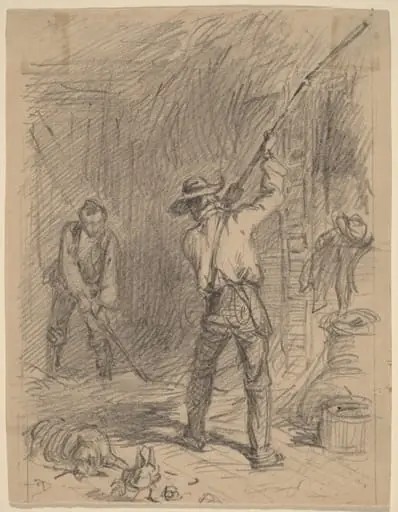
![Chef Tossing Pancakes and Group of Four Men [verso], by Felix Octavius Carr Darley](https://artifactworldgallery.com/img/felix-octavius-carr-darley--chef-tossing-pancakes-and-group-of-four-men-verso--2a1e79eefaebb888-w320.webp)
![Bernini Fountain, Rome [recto], by Felix Octavius Carr Darley](https://artifactworldgallery.com/img/felix-octavius-carr-darley--bernini-fountain-rome-recto--bed0d506722bdbdf-w320.webp)
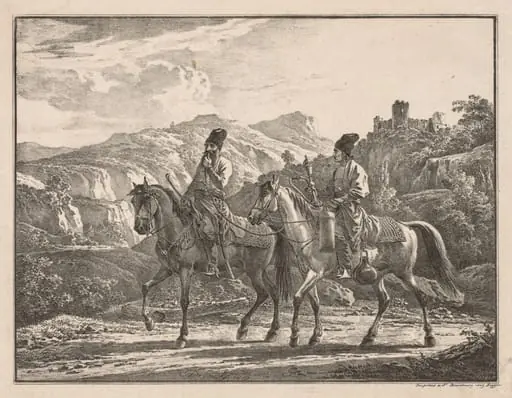 Two Cossacks on Horseback
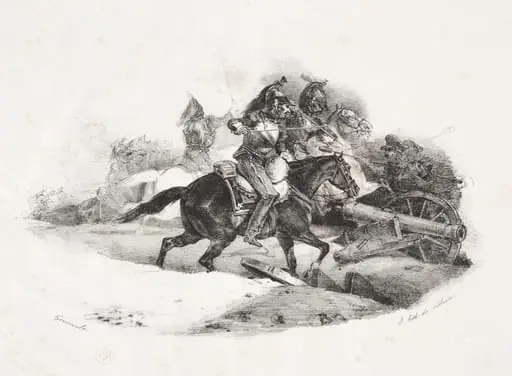 Cuirassiers Charging an Artillery Battery
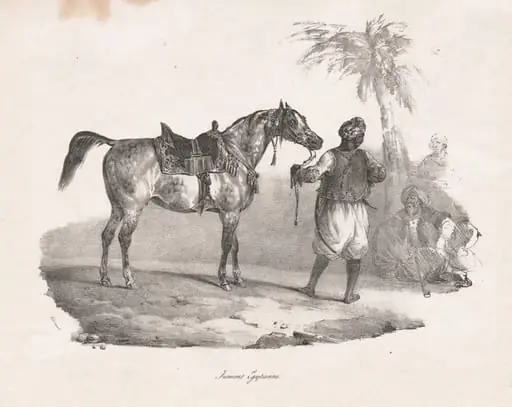 Egyptian Mare
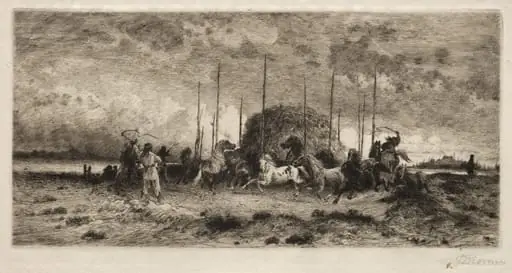 Harvest at San Juan, New Mexico
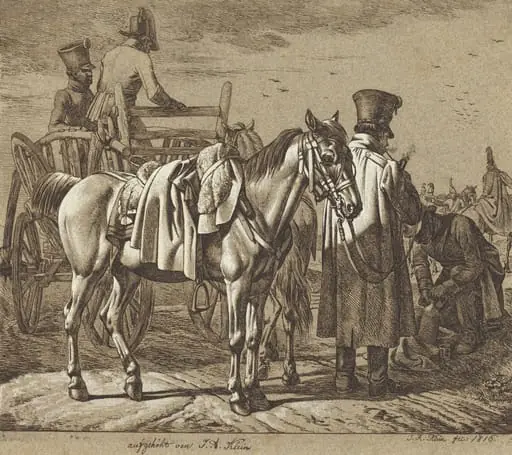 Horse with Soldiers Smoking Pipe/Military Scene
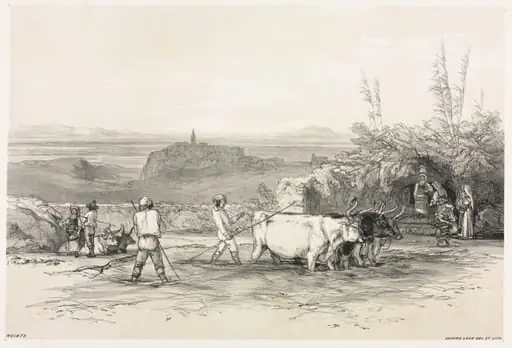 Views in Rome and Its Environs: Roiate
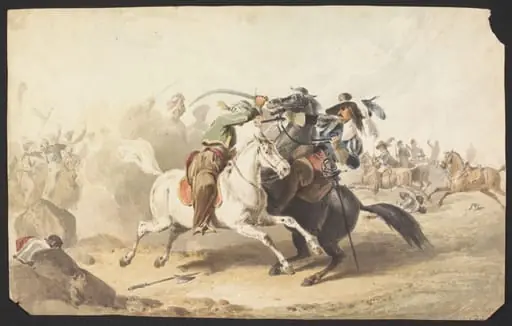 A Clash between European and Ottoman Cavalry
 Țărani la cosit (amiază)
 Cuirassiers Charging
 Artilleryman Lighting a Mine
 Soldat cu cai
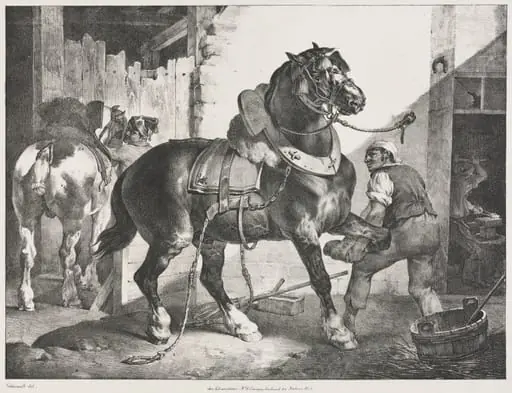 The French Blacksmith