Artwork
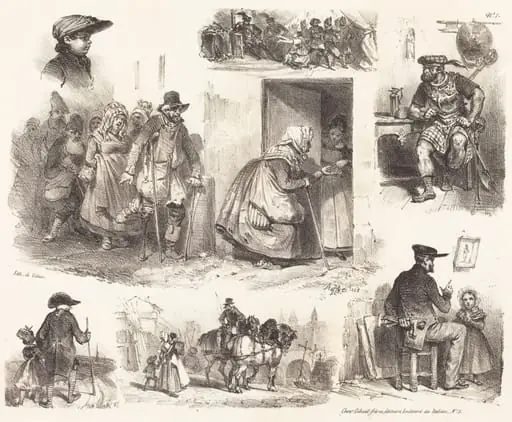
Various Subjects Drawn from Life and on Stone: A Wagon with Harnessed Horses
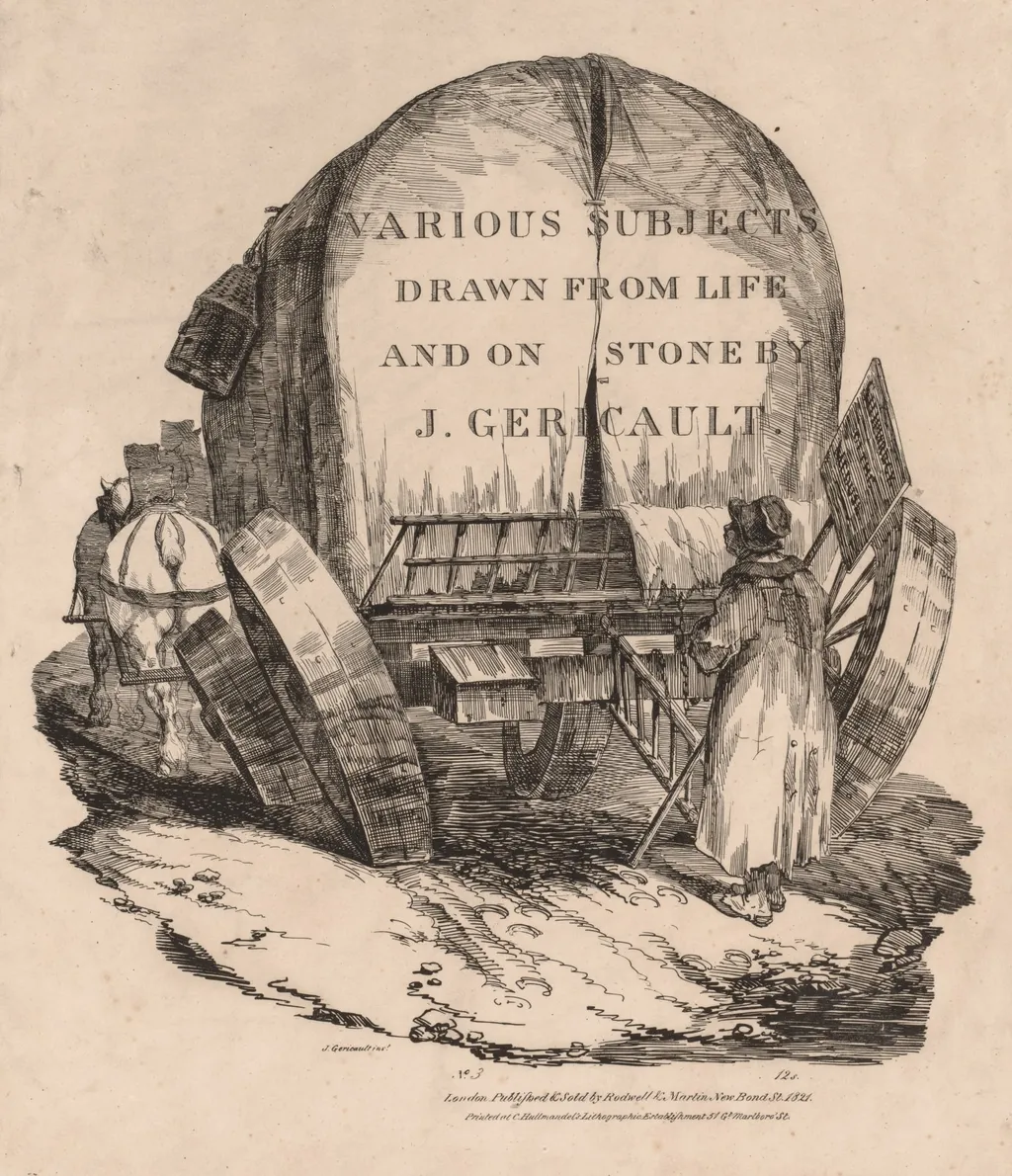
Various Subjects Drawn from Life and on Stone: A Wagon with Harnessed Horses is a print by the Romanticist artist Théodore Géricault. It dates from 1821 and is held in the collection of the Cleveland Museum of Art.
About this work
Light and shadow play across the wagon and horses, giving them shape.
This sketch shows a detailed wagon hitched to two horses. The horses stand still but look ready to move. Géricault gives them weight and life in just a few lines.
He drew this while studying animal anatomy. It's part of a series made on stone, not paper. Light and shadow play across the wagon and horses, giving them shape.
Try sketching like this on smooth stone—it’s a fun way to learn.
Look up Théodore Géricault (French, 1791–1824).
Overview
Created in 1821, this lithograph by Théodore Géricault is one of a series produced using stone lithography, a technique then emerging as a medium for artistic expression. Unlike traditional prints on paper, these works were drawn directly onto limestone, allowing for greater tonal nuance. The subject—a stationary wagon with harnessed horses—reflects Géricault’s shift toward observational studies, capturing the quiet dignity of rural labor.
Subject & Meaning
The image portrays a simple rural scene: a wagon and two horses paused in stillness, yet charged with latent motion. Géricault avoids theatricality, focusing instead on the physical presence of the animals and the weight of their harnesses. This quiet moment aligns with his broader interest in the dignity of ordinary life, contrasting with his more dramatic historical works while revealing his deep engagement with the natural world.
Technique & Style
Géricault employed lithography to achieve subtle gradations of light and shadow, using the stone’s surface to model form with minimal, deliberate lines. The horses’ musculature is suggested through precise hatching and tone rather than outline, demonstrating his anatomical studies. The technique allowed him to translate direct observation into a medium that retained the immediacy of drawing, bridging sketch and finished print.
History & Provenance
Produced in 1821, this print belongs to a small group of lithographs Géricault made during the final years of his life, after returning to France from England. These works were not widely distributed at the time and were primarily personal experiments. Their survival reflects their significance as records of his evolving practice, particularly his fascination with animal form and the potential of lithography as a fine art medium.
Context
In early 19th-century France, lithography was gaining traction as a tool for both commercial and artistic use. Géricault, already known for large-scale paintings, turned to the medium to explore form with greater spontaneity. His focus on animals and everyday scenes paralleled Romanticism’s turn toward authenticity and the natural world, even as he distanced himself from overt sentimentality.
Legacy
Though lesser known than his paintings, this lithograph and its series influenced later artists drawn to the expressive potential of printmaking. Géricault’s direct, anatomically informed approach demonstrated how lithography could convey weight and movement with economy. His studies of horses, in particular, became touchstones for those seeking to capture animal vitality without idealization.
Artist & collection
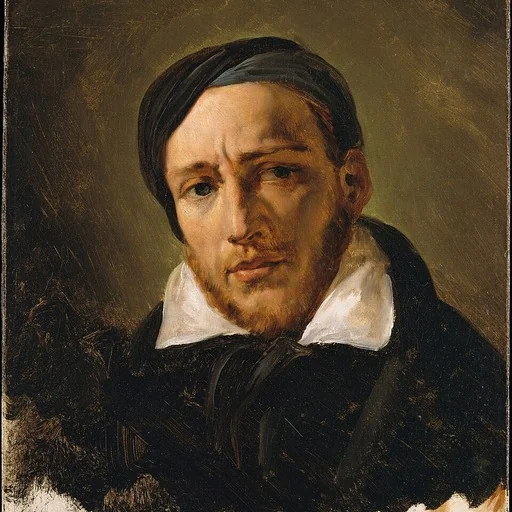
Artist
Jean-Louis André Théodore Géricault (French: ; 26 September 1791 – 26 January 1824) was a French painter and lithographer.

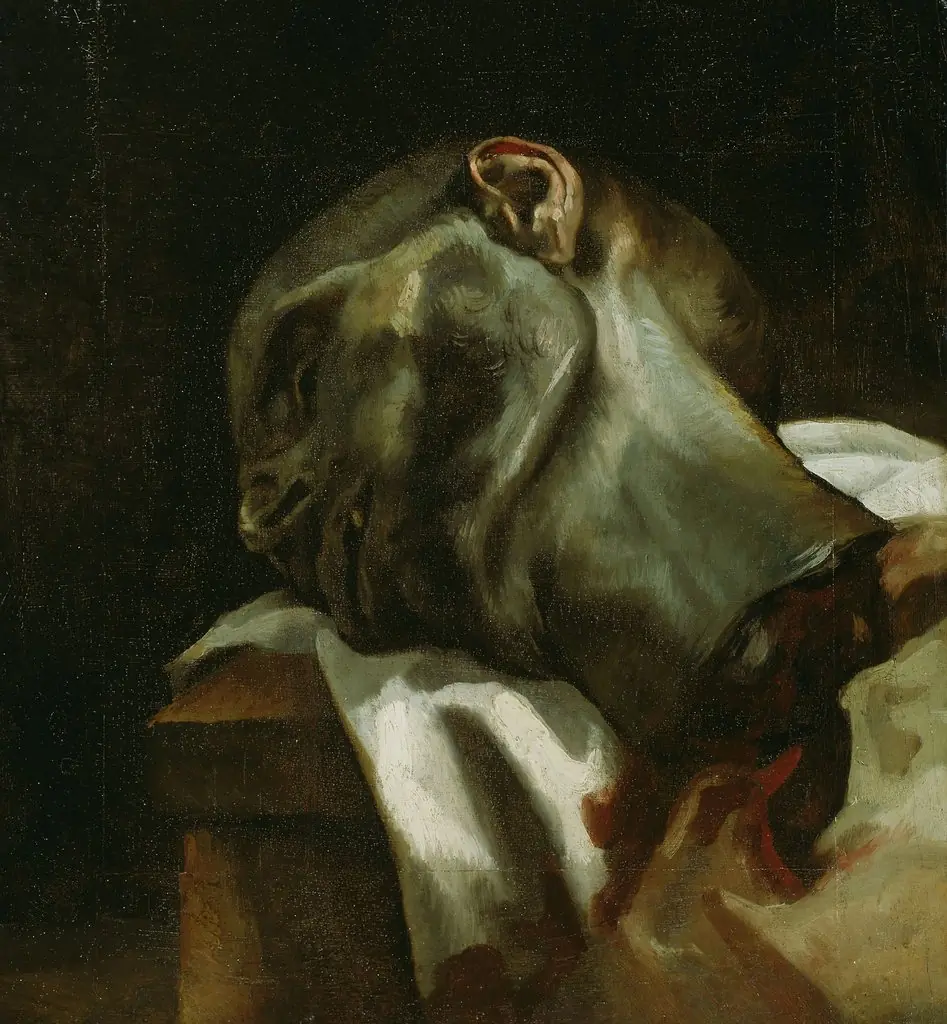
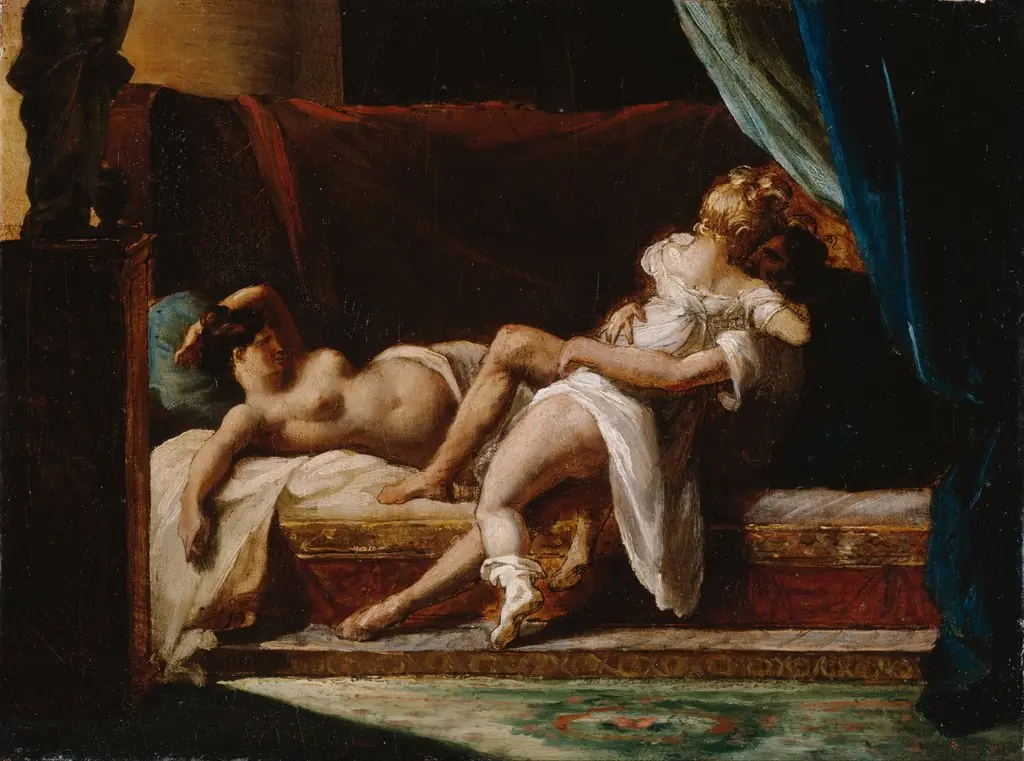
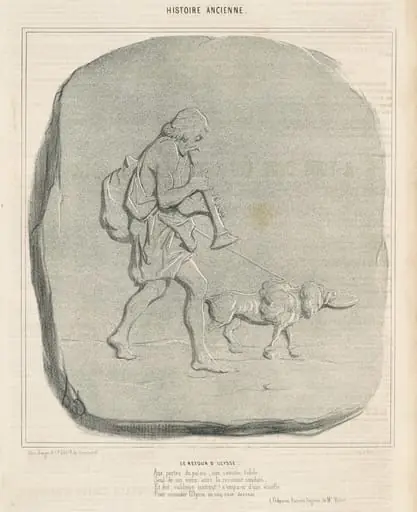 Le retour d'Ulysse
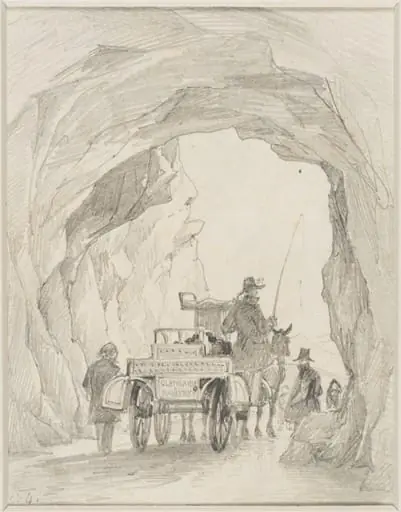 Jaunting car passing under an archway
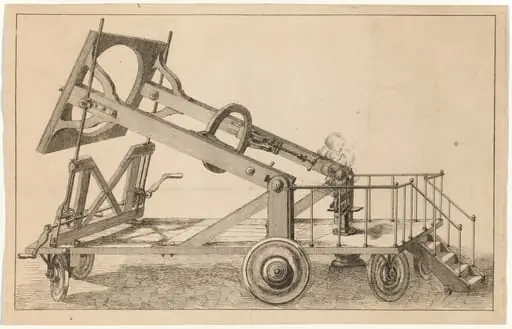 Burning Glass
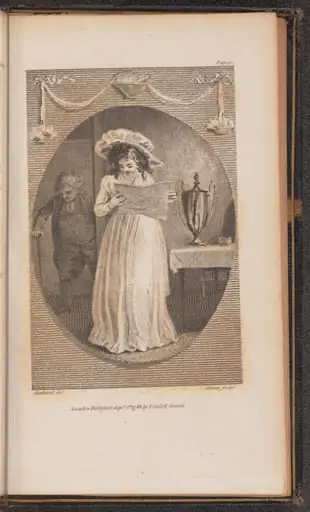 Illustration for Canto IV
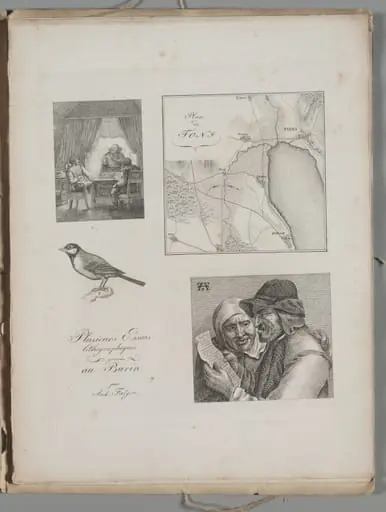 Art of the Lithograph: Four Engraving Samples, War Tent, Map of Toni, Bird, Dutch Farmer and Woman
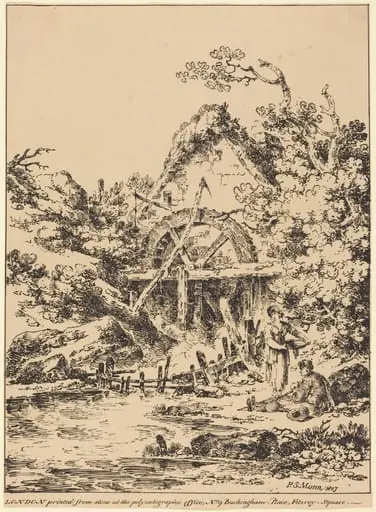 Old Water Mill
 Eight Vignettes of Genre Incidents
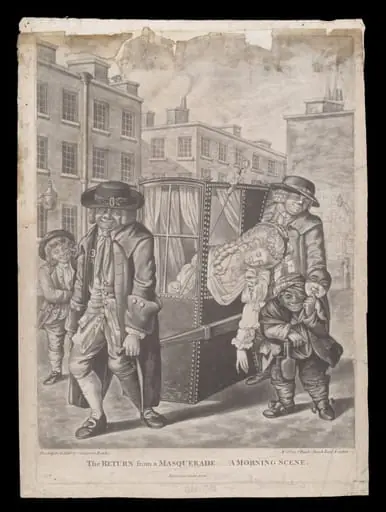 H Beard Print Collection
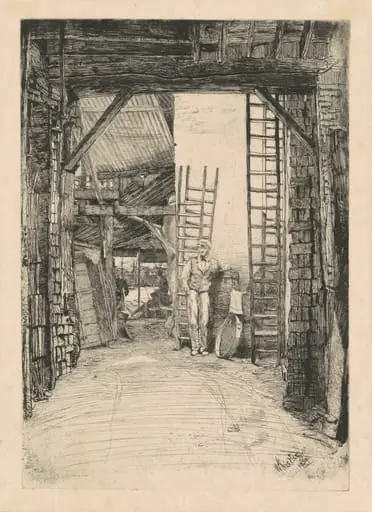 The Lime-Burner
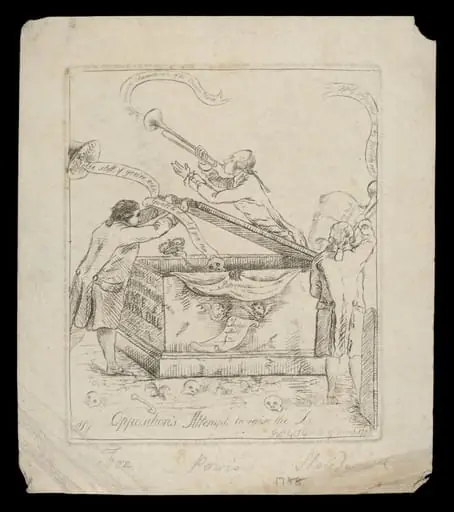 H Beard Print Collection
 Sutherland Album
 Sutherland Album