Artwork
Art of the Lithograph: Four Engraving Samples, War Tent, Map of Toni, Bird, Dutch Farmer and Woman
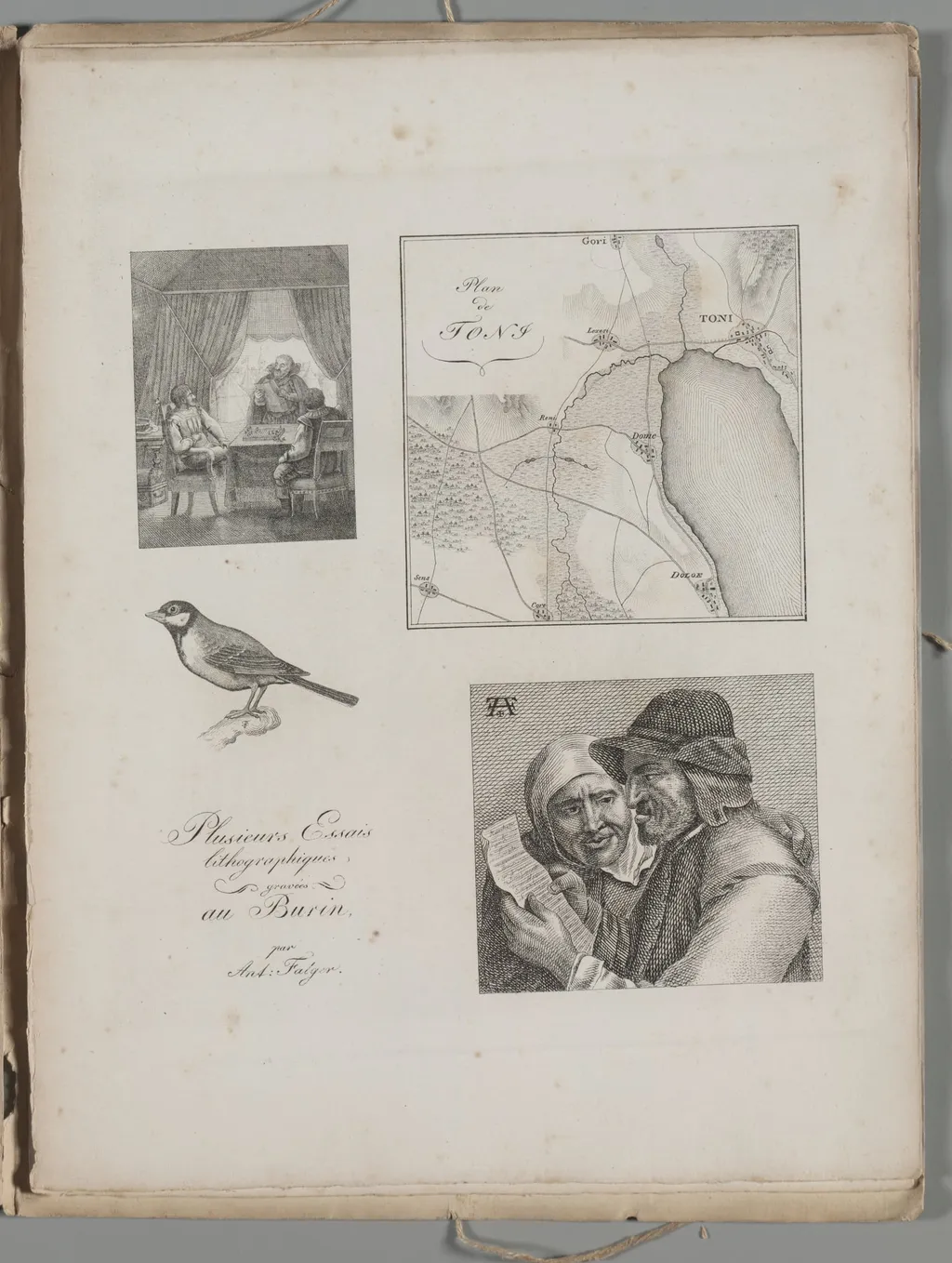
Art of the Lithograph: Four Engraving Samples, War Tent, Map of Toni, Bird, Dutch Farmer and Woman is a work on paper by the Romanticist artist Alois Senefelder. It dates from 1819 and is held in the collection of the Cleveland Museum of Art.
About this work
Overview
The work resides in the collection of the Cleveland Museum of Art.
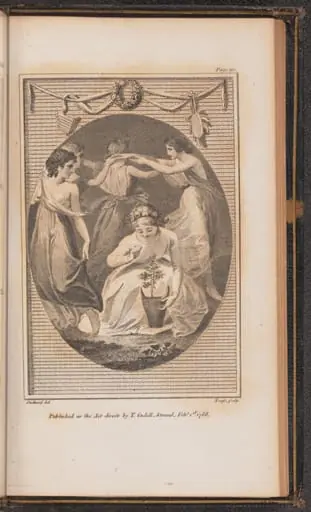
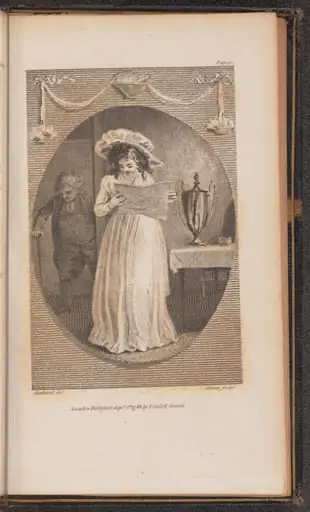
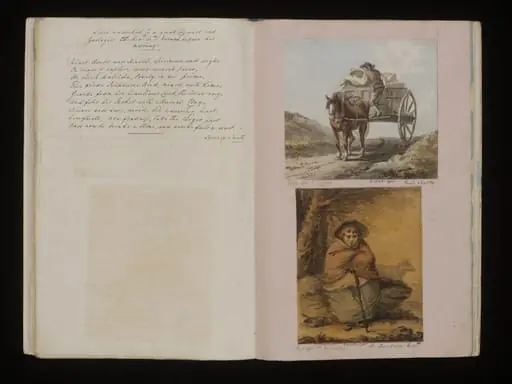
Alois Senefelder’s 1819 portfolio, titled *Art of the Lithograph: Four Engraving Samples, War Tent, Map of Toni, Bird, Dutch Farmer and Woman*, comprises four monochrome prints bound to a single leaf. The sheet presents a scene of three figures at a table beneath a canvas tent, a cartographic rendering of a locale named Toni, a bird perched on a branch, and a close‑up of a woman with a child. The work resides in the collection of the Cleveland Museum of Art.
Subject & Meaning
The four images function as demonstrative studies rather than narrative compositions. The tent scene illustrates a modest domestic gathering, the map offers a precise geographic illustration, the bird exemplifies naturalistic detail, and the portrait of a woman and child showcases figure rendering. Together they serve as didactic examples for practitioners learning the new lithographic process, highlighting varied subject matter that could be reproduced.
Technique & Style
All four prints were produced by lithography, a planographic method Senefelder invented in the late 1790s. The artist drew directly onto limestone with a greasy medium; after chemical treatment, ink adhered only to the drawn areas, allowing multiple impressions. The black‑and‑white palette and fine line work reflect early lithographic aesthetics, emphasizing clarity and reproducibility across disparate subjects.
History & Provenance
Created in 1819, the portfolio was likely assembled as a promotional sample for lithographers and patrons. It eventually entered the Cleveland Museum of Art’s collection, where it is catalogued as a representative example of early lithographic practice. The museum acquired the piece through a mid‑20th‑century donation of European prints, though the exact acquisition date remains undocumented.
Context
At the turn of the 19th century, lithography emerged as a cost‑effective alternative to copper engraving, expanding the possibilities for mass‑produced images. Senefelder, a German actor‑turned‑inventor, sought to demonstrate the versatility of his technique through varied subjects. This portfolio illustrates the medium’s capacity to render both detailed cartography and delicate figurative studies, aligning with contemporary interests in scientific illustration and domestic scenes.
Artist & collection

Artist
Johann Alois Senefelder was a German actor and playwright who invented the printing technique of lithography in the 1790s.

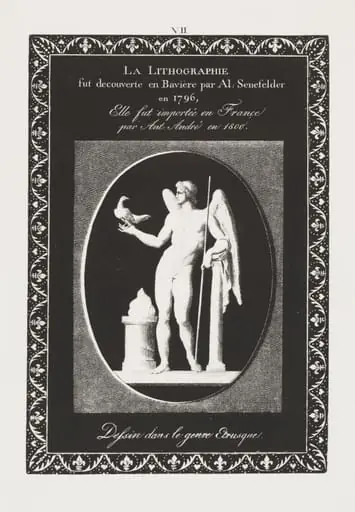 Art of the Lithograph: Dedication Sheet, Plate VII
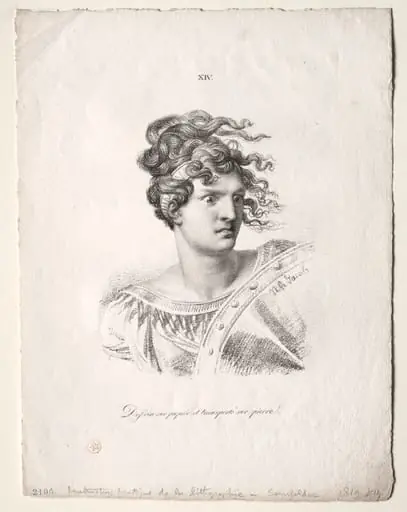 L'art de la lithographie: Head of an Amazon
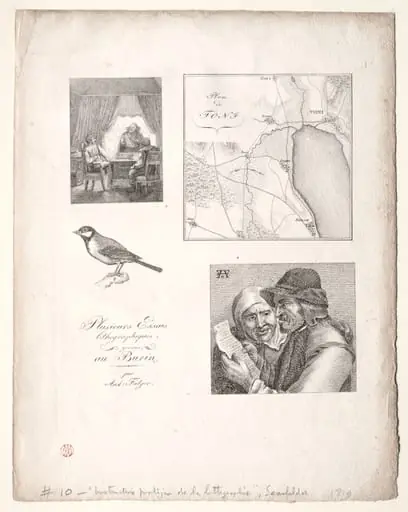 L'art de la litographie:Four Subjects after Falger
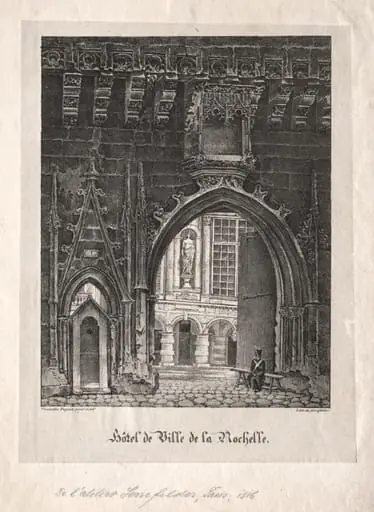 Hotel da Ville de la Rochelle, France
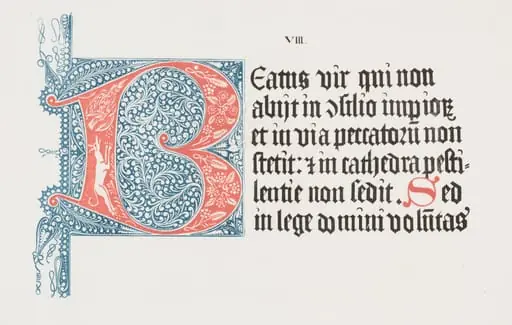 Art of the Lithograph: Psalter- Initial B, Plate VIII
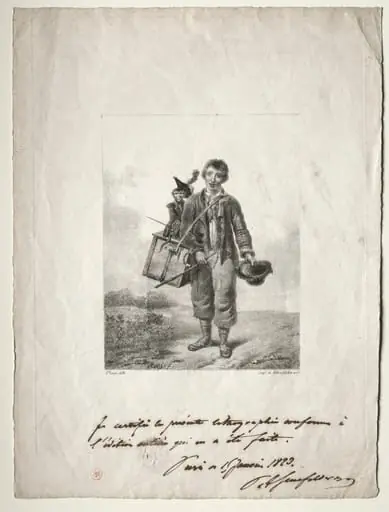 Organ-Grinder Boy
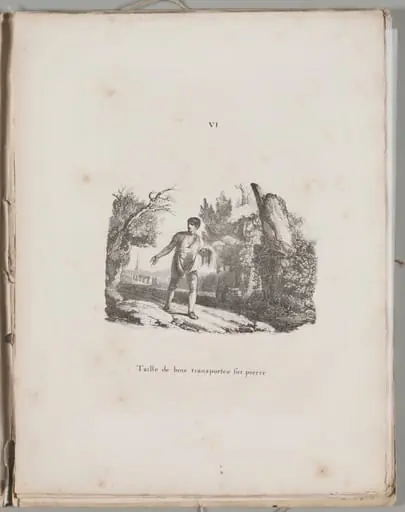 Art of the Lithograph: Transfer of a Wood Engraving, Plate VI
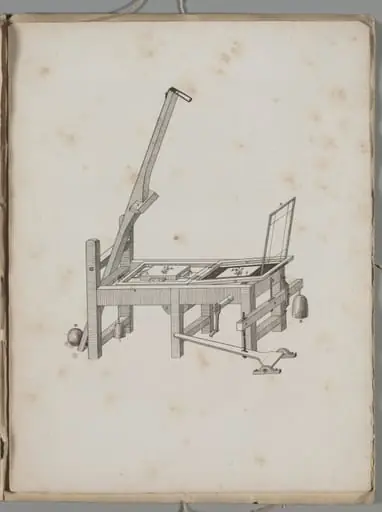 Art of the Lithograph: Printing Press