Artwork
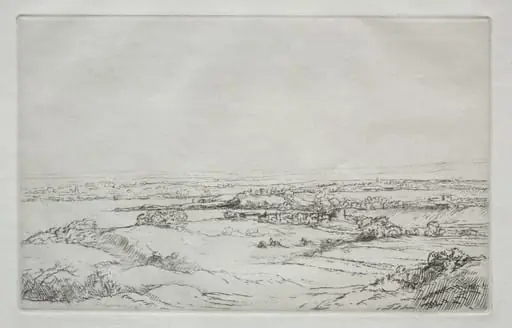
La Plaine de la Plante à Biau
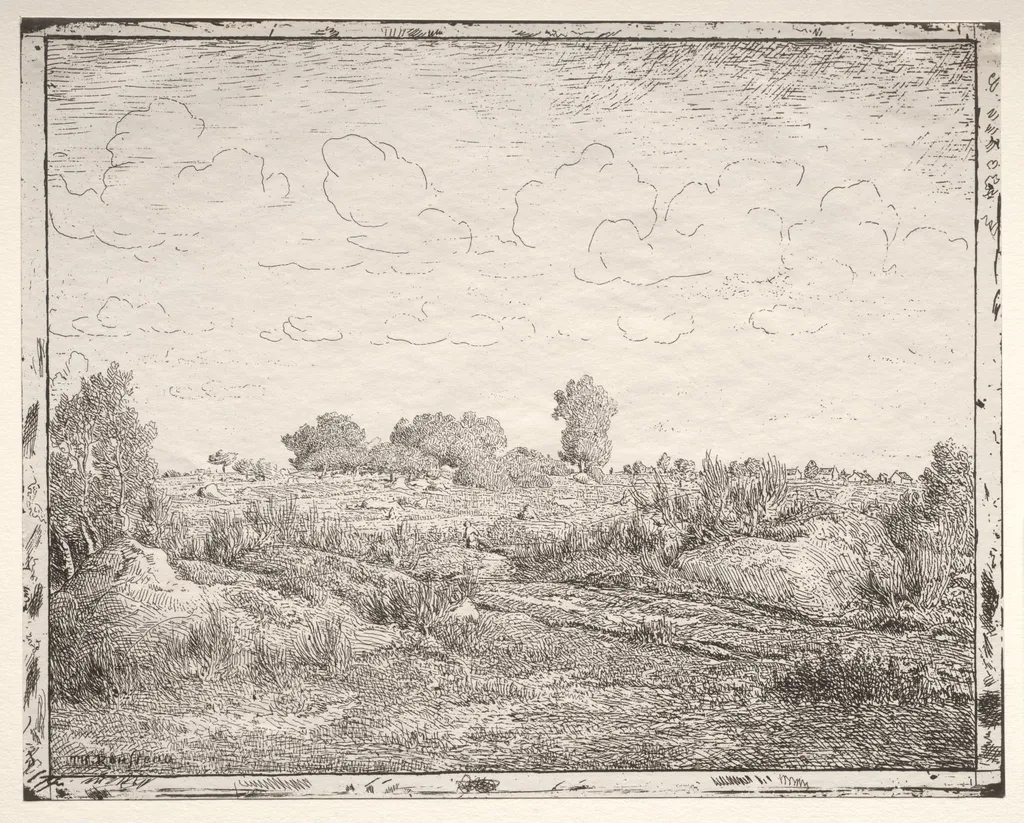
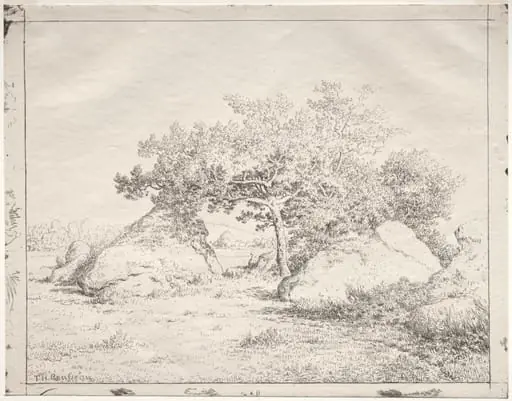
La Plaine de la Plante à Biau is a print by the Romanticist artist Théodore Rousseau. It dates from 1858 and is held in the collection of the Cleveland Museum of Art.
About this work
Overview
Unlike grand historical scenes, Rousseau focused on unadorned terrain, reflecting his commitment to observing nature directly.
La Plaine de la Plante à Biau is a landscape drawing by Théodore Rousseau, created around 1858. Executed in pencil and ink, it captures a quiet expanse of rural France with meticulous attention to natural detail. Unlike grand historical scenes, Rousseau focused on unadorned terrain, reflecting his commitment to observing nature directly. The work is part of the Cleveland Museum of Art’s collection, where it exemplifies his role in shifting French landscape art toward intimate, truthful representation.
Subject & Meaning
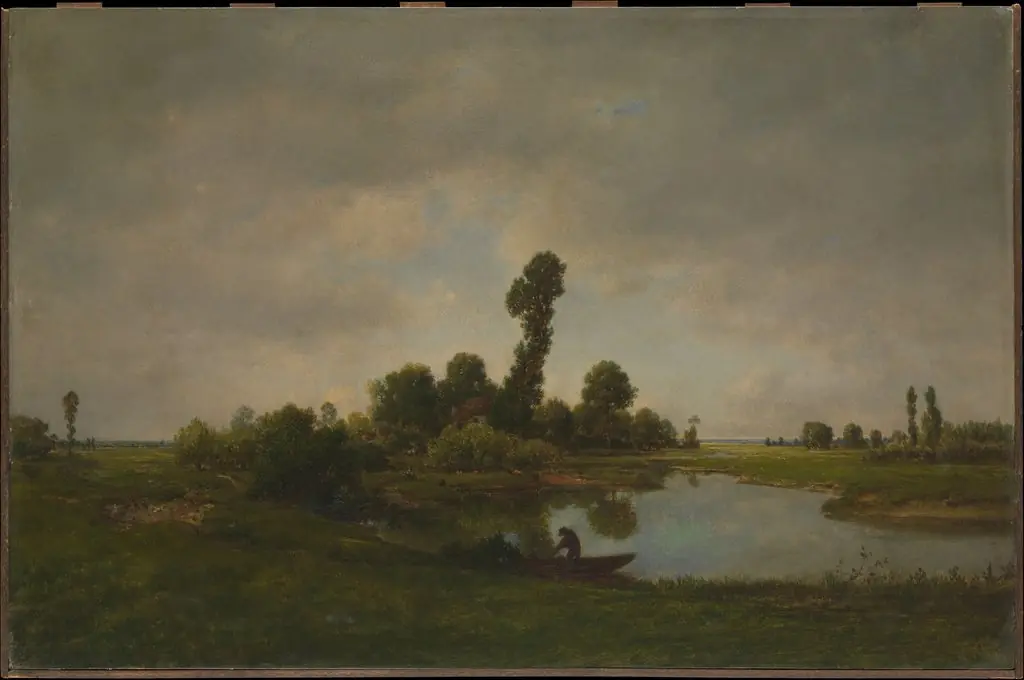
The scene depicts an open plain near Biau, a modest region in the French countryside, devoid of human activity or architectural elements. The emphasis lies in the rhythm of tall grasses, scattered shrubs, and the subtle shift of light beneath a clouded sky. Rousseau’s choice of subject rejects idealization; instead, it honors the quiet dignity of ordinary land, suggesting a spiritual connection to the earth through patient observation rather than narrative.
Technique & Style
Rousseau employed fine, layered scratchy lines to model texture, particularly in the foreground grasses, creating a sense of depth and movement. The sky is rendered with soft, minimal strokes, allowing the clouds to suggest form without detail. His technique avoids bold outlines, relying instead on tonal variation and delicate hatching to build volume. This method reflects his dedication to capturing the transient effects of light and atmosphere as experienced on-site.
History & Provenance
Created during Rousseau’s mature period, the work emerged from his sustained study of the Forest of Fontainebleau and surrounding plains. It was likely made as a preparatory study or independent sketch, not intended for public sale. The drawing entered the Cleveland Museum of Art’s collection in the 20th century, where it remains as part of a broader group of 19th-century French drawings that document the evolution of landscape realism.
Context
In mid-19th-century France, academic art favored idealized historical or mythological subjects. Rousseau, alongside other Barbizon painters, broke from this tradition by working outdoors and depicting unembellished rural scenes. His focus on ordinary terrain challenged prevailing tastes and laid groundwork for later movements like Impressionism, which similarly valued direct observation over studio convention.
Legacy
Rousseau’s approach to landscape, as seen in this drawing, helped redefine artistic legitimacy in nature study. His emphasis on texture, light, and unidealized terrain influenced generations of artists who sought to represent the natural world with honesty. Though not widely exhibited, works like La Plaine de la Plante à Biau remain key to understanding the quiet revolution in landscape art that preceded modernism.
Artist & collection
Artist
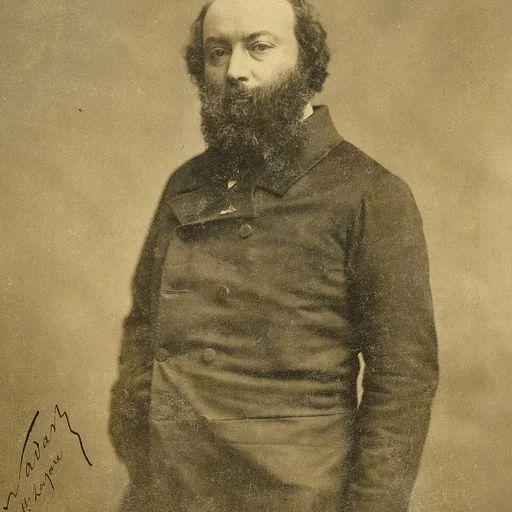
Étienne Pierre Théodore Rousseau (French pronunciation: ; 15 April 1812 – 22 December 1867) was a French painter of the Barbizon school.

![Forest on Lago Maggiore [Foresta sul Lago Maggiore], by Giberto Borromeo](https://artifactworldgallery.com/img/giberto-borromeo--forest-on-lago-maggiore-foresta-sul-lago-maggiore--6d25270befdb299f-w320.webp)