Artwork
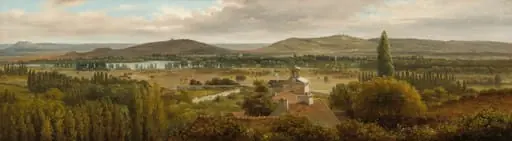
Panoramic Landscape
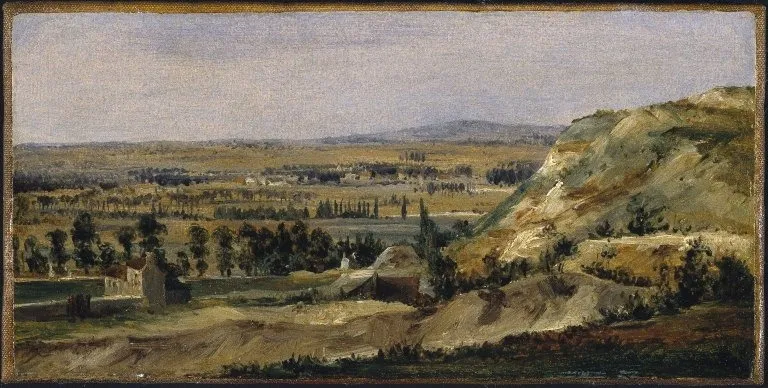
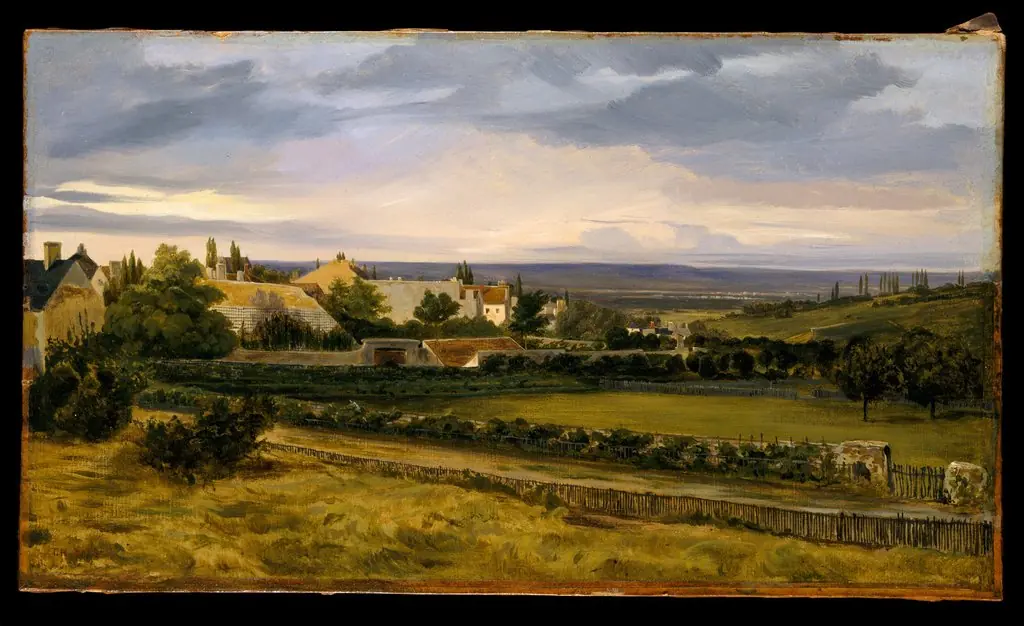
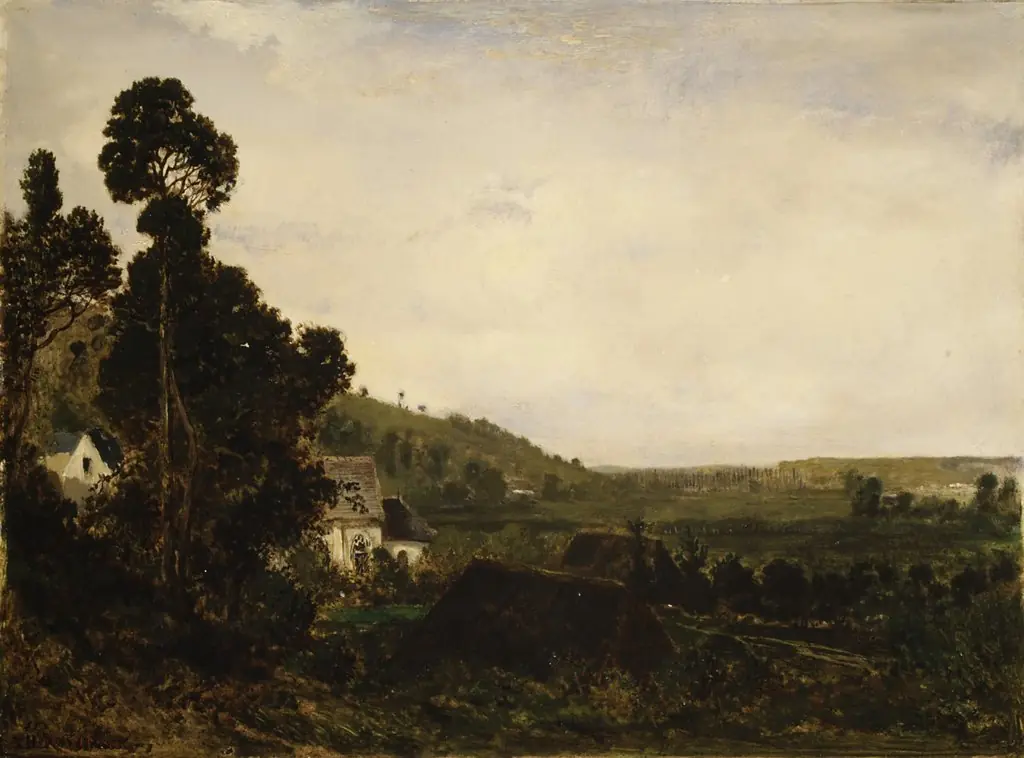
Panoramic Landscape is an unspecified painting by the Barbizon school artist Théodore Rousseau. It dates from 1831 and is held in the collection of the Brooklyn Museum.
About this work
Overview
Panoramic Landscape, created by Théodore Rousseau in 1831, is a characteristic example of the Barbizon school's emphasis on natural, rural French scenes. The painting is now part of the Brooklyn Museum's collection.
Subject & Meaning
The subject is a serene rural landscape featuring a brown and tan hill with greenery on the right, a foreground field with trees and bushes, and distant trees, fields, and rural buildings. The composition conveys a sense of calmness.
Technique & Style
Rousseau executed the work in muted tones of brown, green, and gray, with a light gray sky. The realistic and detailed approach to nature aligns with the Barbizon school's shift towards realism.
History & Provenance
Created in 1831 by Théodore Rousseau, a key figure in the Barbizon school, the painting is currently held in the Brooklyn Museum's collection.
Context
Panoramic Landscape reflects the Barbizon movement's focus on the French countryside, emphasizing everyday rural life and natural landscapes over traditional historical or mythological themes.
Legacy
As a work of the Barbizon school, it contributes to the movement's influence on later European landscape painting, though its specific impact is not distinctly highlighted beyond its association with the school.
Artist & collection
Artist
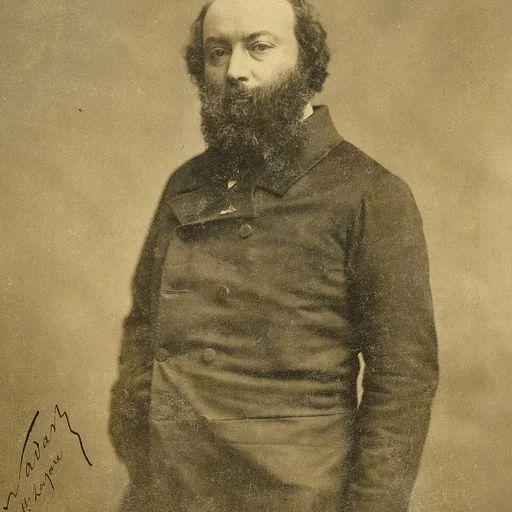
Étienne Pierre Théodore Rousseau (French pronunciation: ; 15 April 1812 – 22 December 1867) was a French painter of the Barbizon school.

 Mountainous Landscape
 Italian Hills
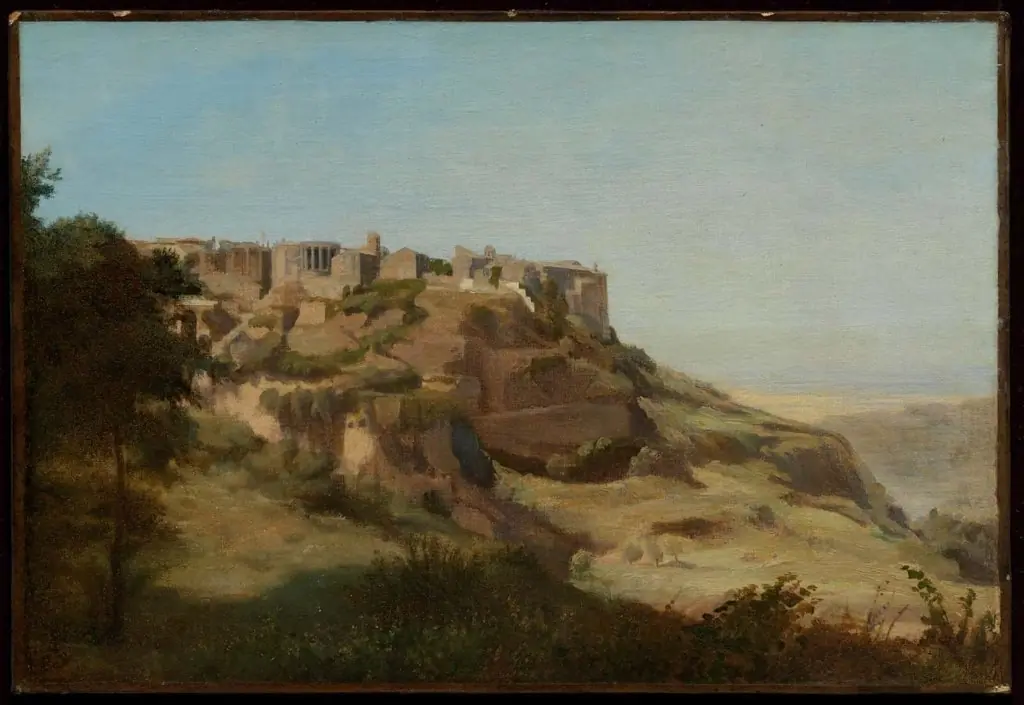 Tivoli
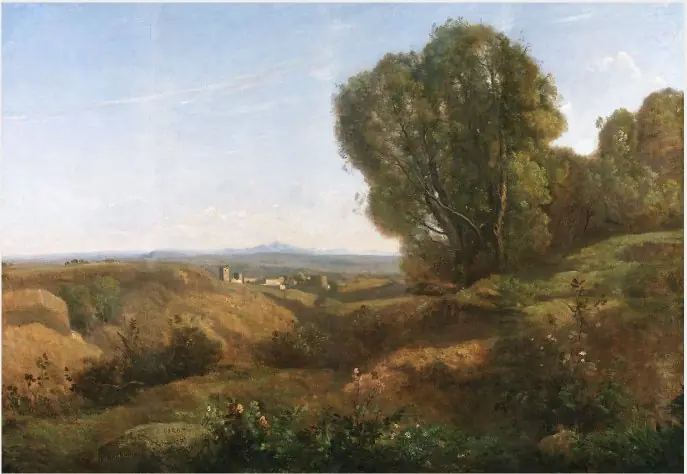 Souvenir of Roquemaure in the Gard
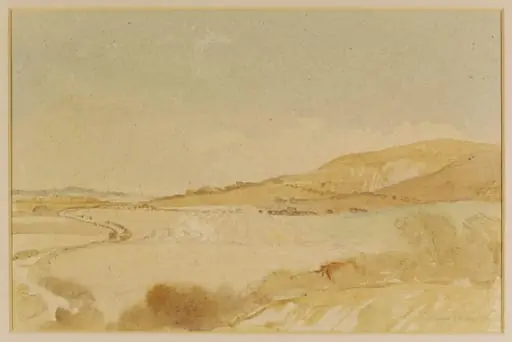 The Southdown, Underhill Road; Clayton to Westmeston
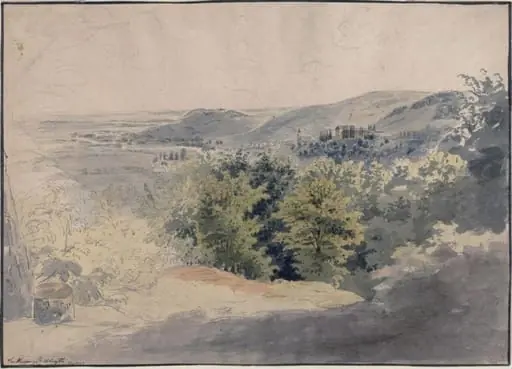 Landscape with hills in the background
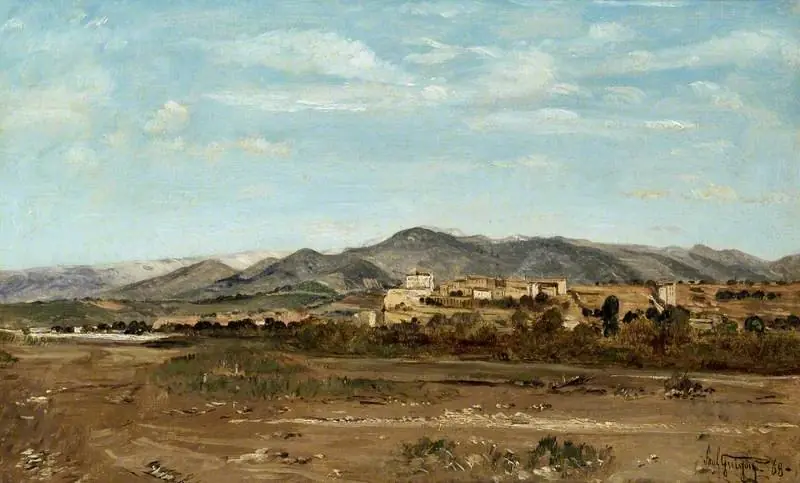 Village of Lauris, in Vaucluse on the Banks of the River Durance
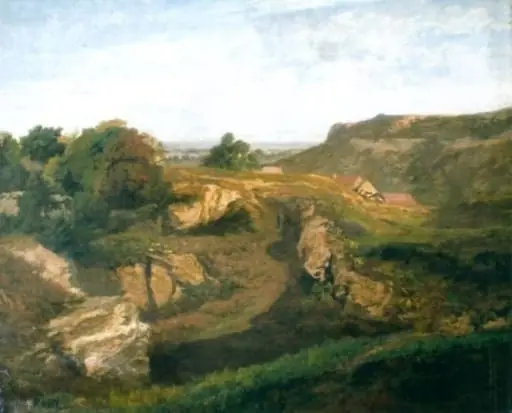 Peisaj cu coline
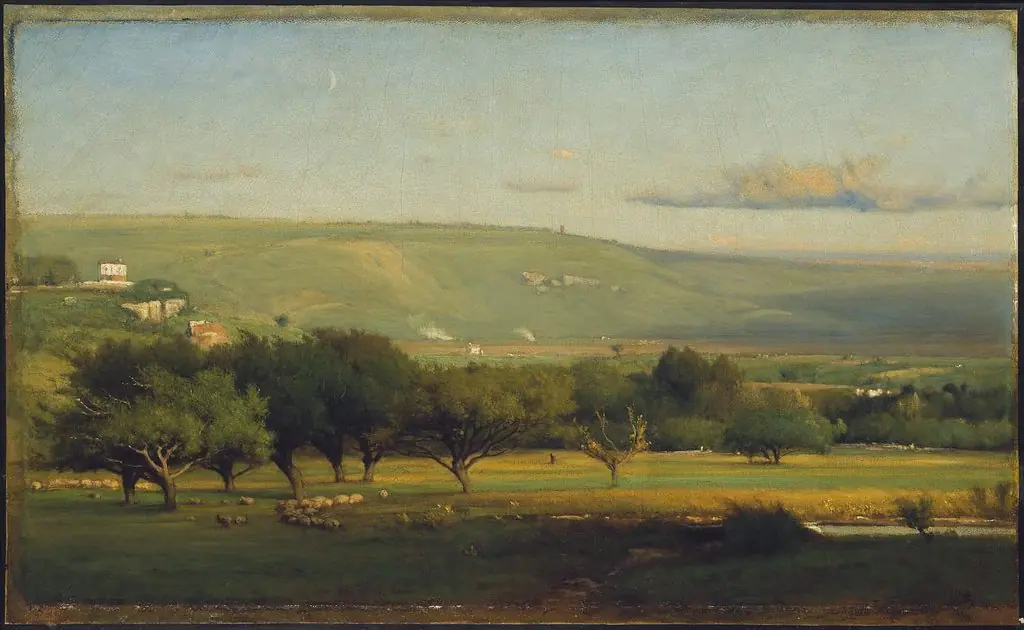 Italian Landscape
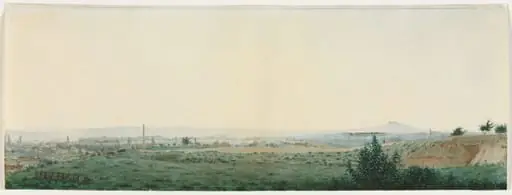 Landscape Near Paris
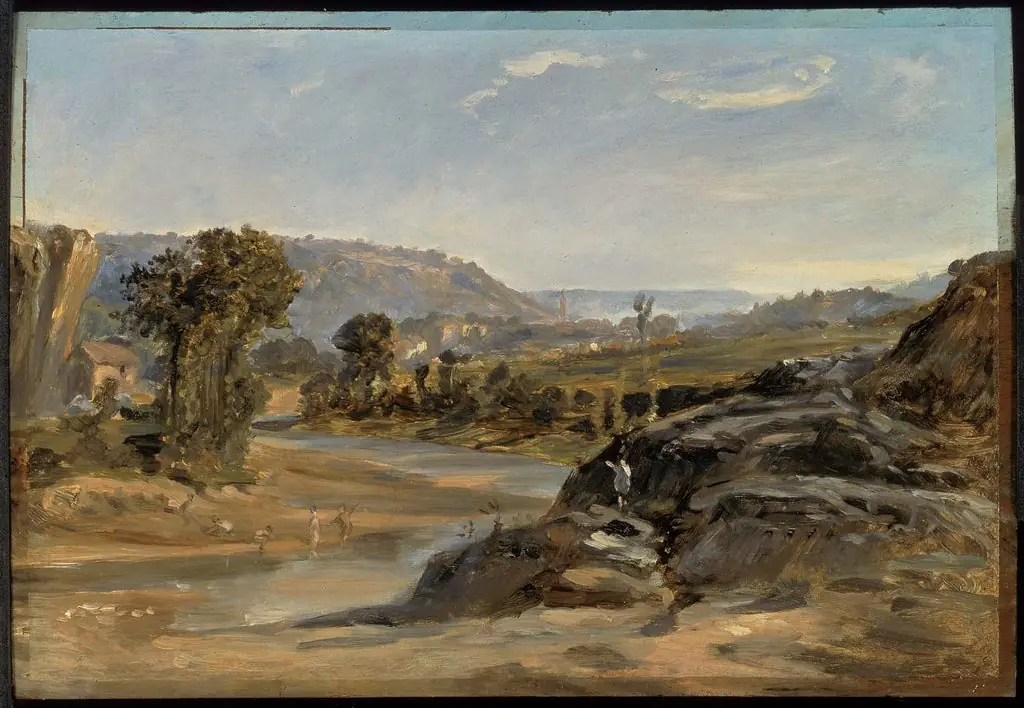 Landscape in the South of France
 Panoramic Landscape near the River Moselle