Artwork
Singers
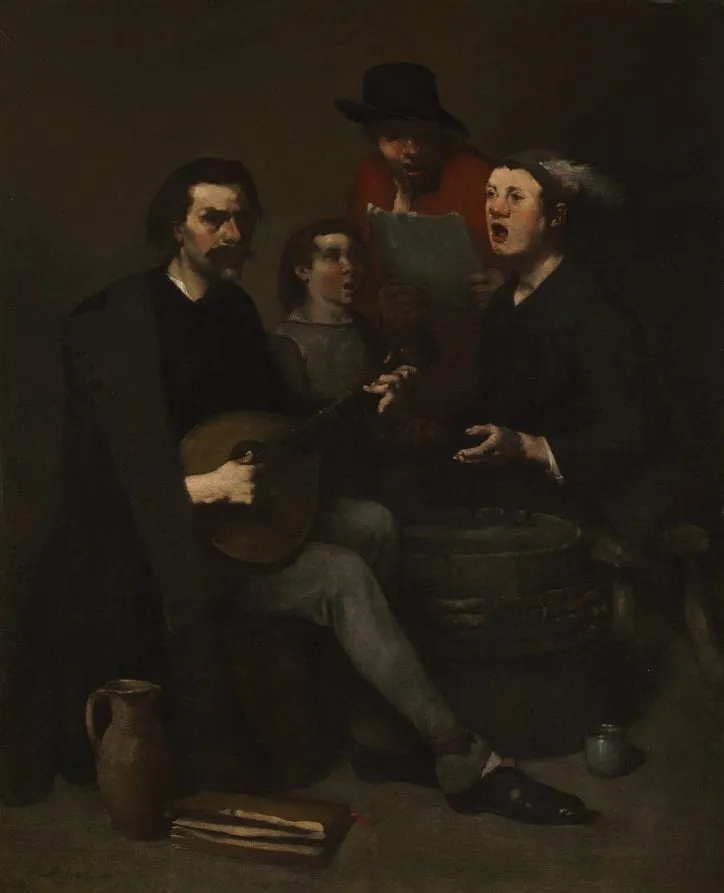
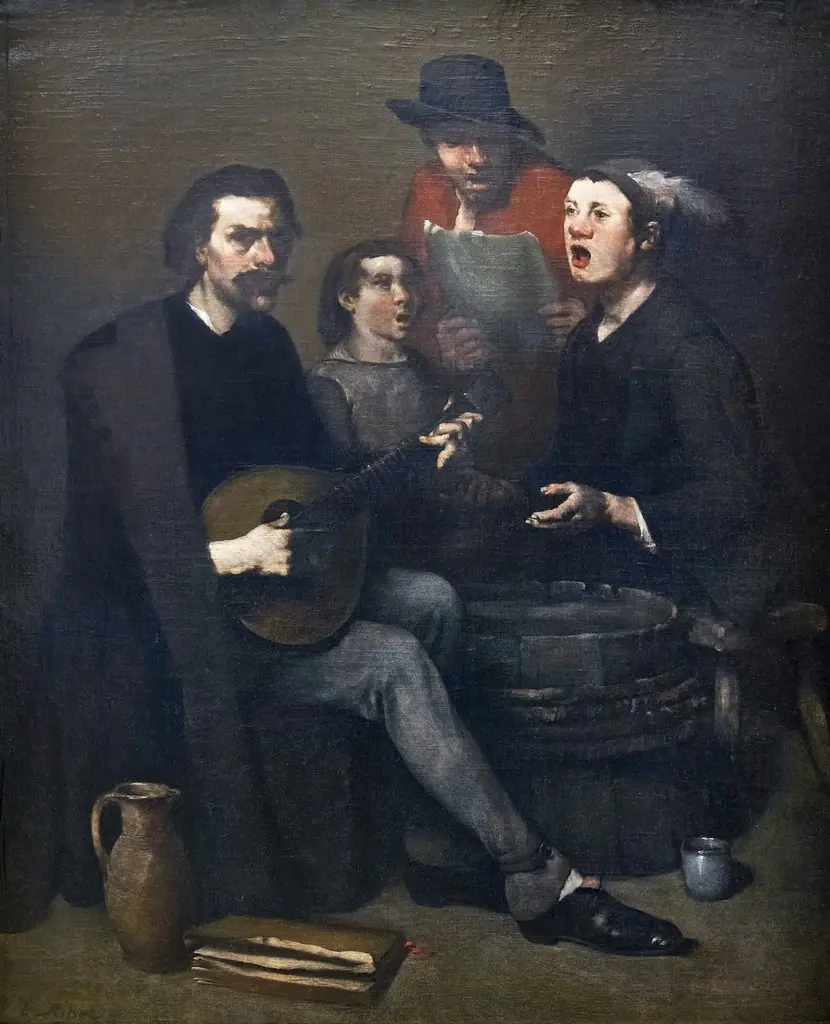
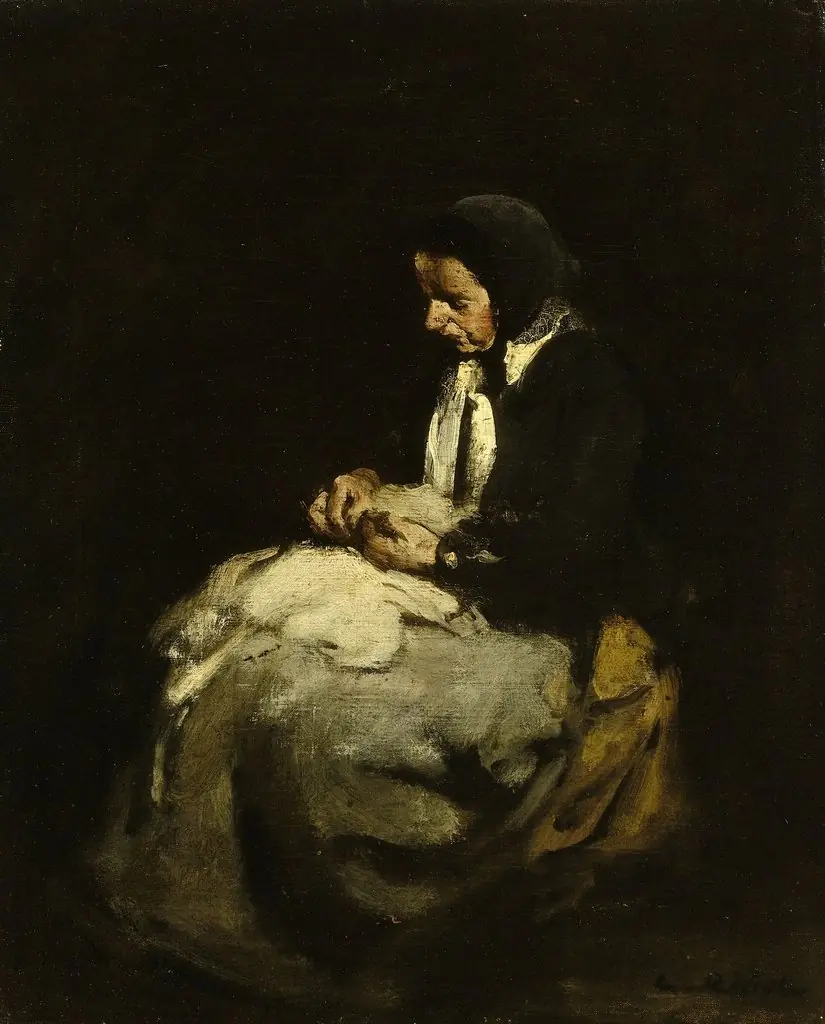
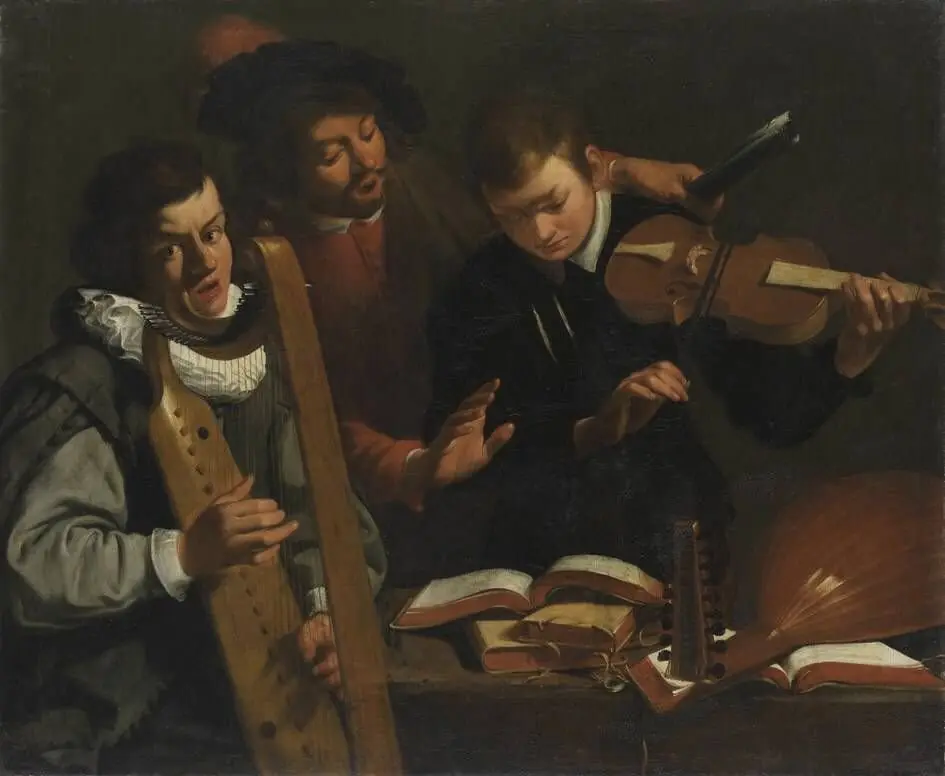
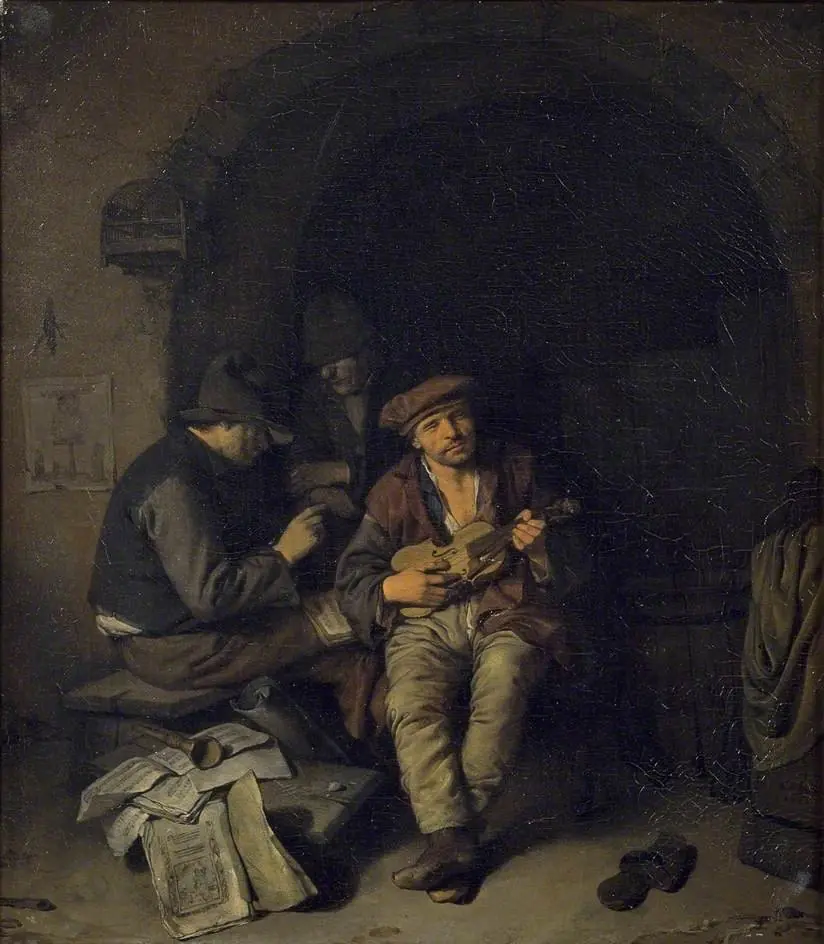
Singers is an unspecified painting by the Impressionist artist Augustin Théodule Ribot. It dates from 1866 and is held in the collection of the Cleveland Museum of Art. Théodule Ribot’s painting captures three street performers in a narrow, shadowed alleyway.
About this work
Overview
The work aligns with Realist principles, emphasizing ordinary lives often ignored by mainstream art.
Théodule Ribot’s painting captures three street performers in a narrow, shadowed alleyway. Unlike idealized depictions common in earlier art, Ribot presents them without embellishment: a man in a frayed coat, a young boy, and a woman cradling an infant. Their postures convey exhaustion, and the setting suggests marginalization. The work aligns with Realist principles, emphasizing ordinary lives often ignored by mainstream art.
Subject & Meaning
The figures represent urban poverty in late 19th-century Paris, where street singing was a survival strategy for the destitute. Ribot avoids sentimentality or romanticism, focusing instead on their physical weariness and social invisibility. The presence of an infant underscores the intergenerational nature of hardship. Their expressions, rendered with quiet intensity, invite contemplation rather than pity.
Technique & Style
Ribot employs strong chiaroscuro to isolate the figures against a near-black background, directing focus to their faces and hands. Brushwork is restrained, avoiding decorative detail; textures of worn fabric and weathered skin are suggested with minimal strokes. The limited palette—dominated by grays, browns, and muted ochres—reinforces the somber mood and reinforces the painting’s documentary tone.
History & Provenance
Painted in the 1870s or 1880s, the work emerged during a period when French Realism was challenging academic conventions. Ribot, though not a radical activist, aligned with artists who documented working-class life. The painting remained in private hands for decades before entering a public collection, reflecting its quiet but persistent resonance within Realist circles.
Context
Street singers had long appeared in European art, often as folkloric or whimsical figures. Ribot’s treatment diverged sharply: he rejected the picturesque in favor of unvarnished observation. His approach mirrored broader social concerns in post-Commune France, where urban inequality became a subject of increasing public and artistic scrutiny.
Legacy
Ribot’s painting contributed to a shift in how marginalized figures were represented in art—away from spectacle and toward empathy grounded in observation. While not widely exhibited, its influence can be seen in later Realist and Social Realist works that prioritized dignity over drama, and truth over ornamentation.
Artist & collection
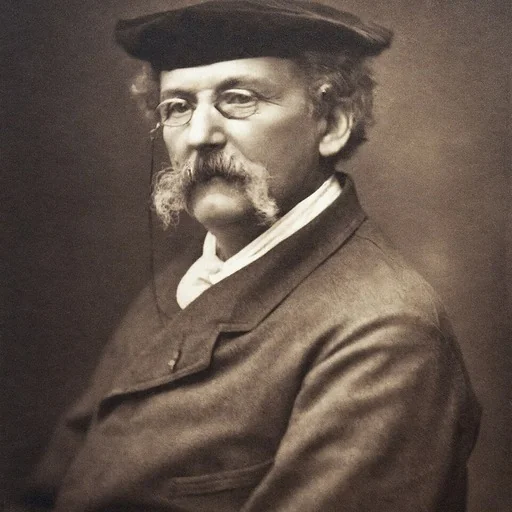
Artist
Théodule-Augustin Ribot (French: ; August 8, 1823 – September 11, 1891) was a French realist painter and printmaker.