Artwork
Animal Studies: Two Silver Herons
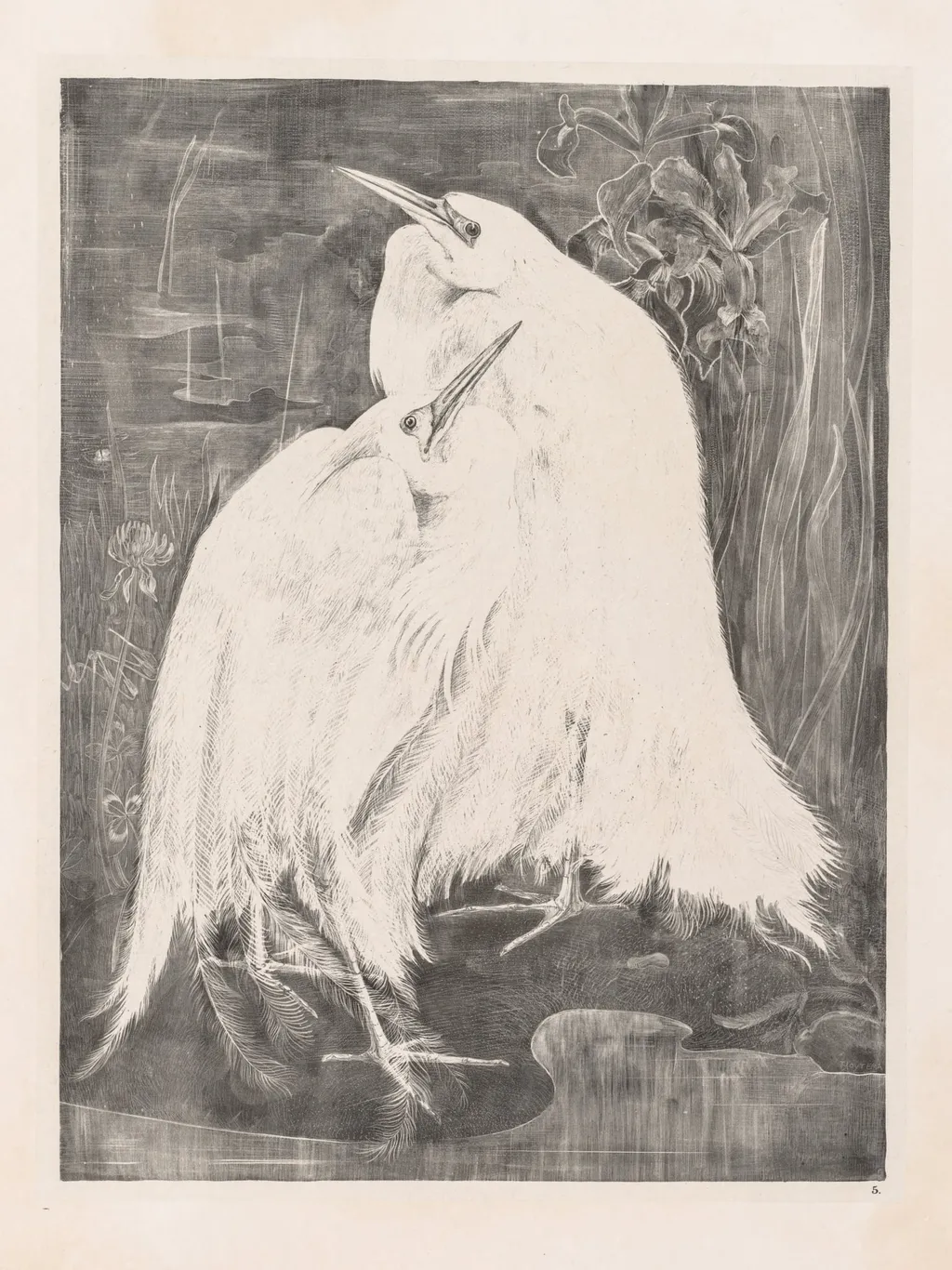
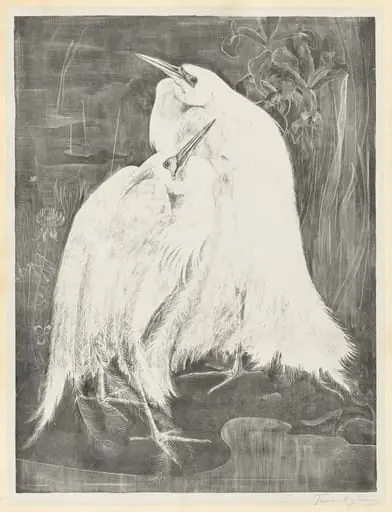
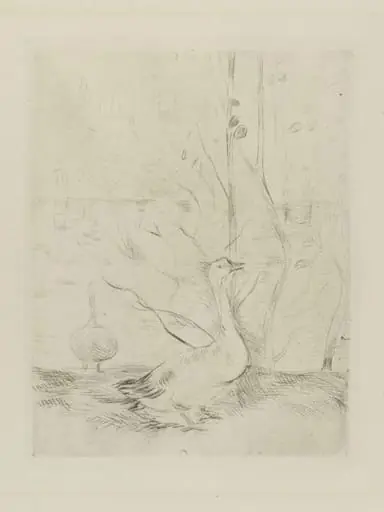
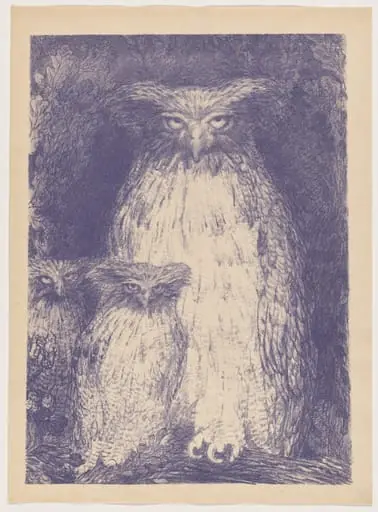
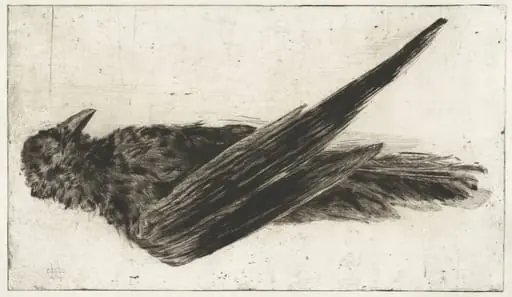
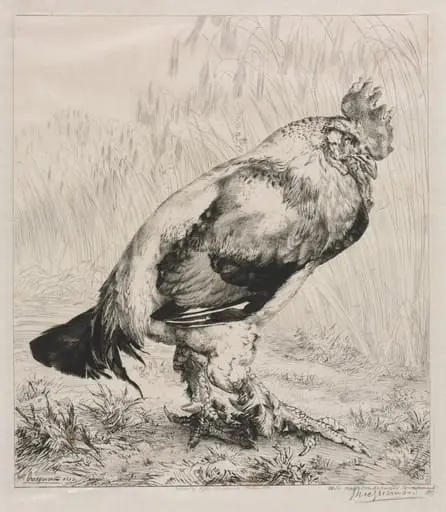
Animal Studies: Two Silver Herons is a print by the Impressionist artist Theo van Hoytema. It dates from 1898 and is held in the collection of the Cleveland Museum of Art.
About this work
Overview
Van Hoytema, known for his precise ornithological illustrations, rendered the birds with scientific care, emphasizing their form and plumage.
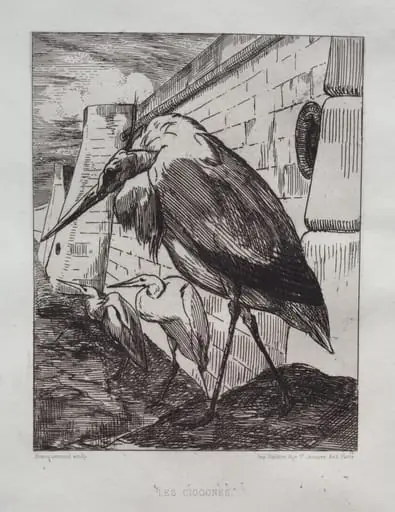
Created in 1898 by Dutch artist Theo van Hoytema, this lithograph depicts two herons in quiet repose beside a still pond. Van Hoytema, known for his precise ornithological illustrations, rendered the birds with scientific care, emphasizing their form and plumage. The work belongs to a series of animal studies produced for printed media, reflecting his interest in natural history and graphic design. It is now held in the collection of The Cleveland Museum of Art.
Subject & Meaning
The two herons face one another across the water, their elongated necks and slender legs suggesting stillness and alertness. Their placement evokes a quiet dialogue, not of aggression but of mutual awareness. The surrounding vegetation and darkened backdrop isolate the birds, drawing focus to their presence as solitary, dignified creatures. The composition invites contemplation rather than narrative, aligning with late 19th-century interests in nature’s quiet rhythms.
Technique & Style
Van Hoytema employed lithography to achieve fine tonal gradations, using ink washes and careful line work to render the herons’ feathers with lifelike texture. The contrast between the pale birds and the deep, muted background enhances volume through chiaroscuro, lending three-dimensionality without overt modeling. Plants are suggested with loose, delicate strokes, balancing detail with atmospheric restraint. The technique prioritizes clarity and precision, characteristic of his graphic design background.
History & Provenance
The print was produced during a period when van Hoytema was actively contributing illustrations to botanical and ornithological publications. It likely originated as a study for a calendar or book cover, common outlets for his work. The piece entered The Cleveland Museum of Art’s collection through documented acquisition, though its early ownership history remains unrecorded beyond its creation in the Netherlands in 1898.
Context
In late 19th-century Europe, detailed natural illustrations flourished alongside rising public interest in ecology and taxonomy. Van Hoytema’s work aligned with this trend, bridging scientific observation and decorative art. While his illustrations appeared in commercial publications, they retained an aesthetic seriousness that distinguished them from mere ornament. This print reflects a broader cultural moment where nature was studied not only for utility but for its intrinsic quietude.
Legacy
Van Hoytema’s animal studies, including this heron pair, are now valued for their technical precision and restrained elegance. Though not widely exhibited, they remain referenced in studies of Dutch graphic arts and natural history illustration. His approach—blending accuracy with poetic stillness—influenced later illustrators who sought to portray wildlife without anthropomorphism, preserving a sense of the animal’s autonomy.
Artist & collection
Artist
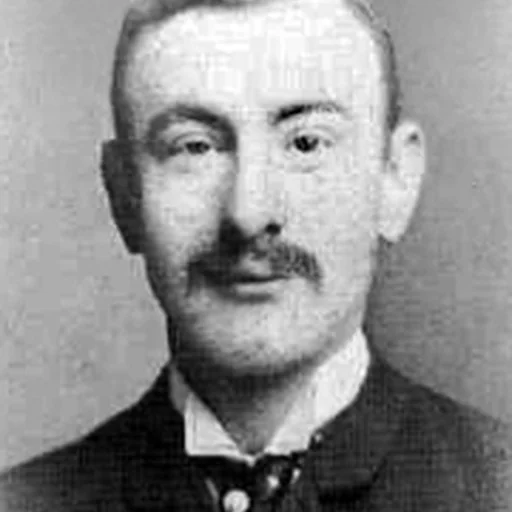
Theodorus van Hoytema, or Hoijtema (18 December 1863 — 28 August 1917) was a Dutch lithographer, illustrator and graphic designer, known for his book covers and calendars; especially those depicting birds.